Richard Pike
Redemption Suite I-IX: For Piano & Textures (LP, Clear vinyl)
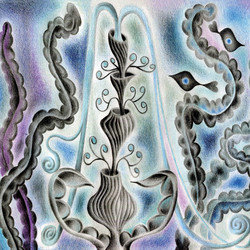
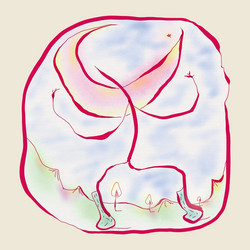
Tip! *Edition 100 copies* A daily ritual turned into a suite. Written in the wake of Ryuichi Sakamoto's passing in early 2023, Redemption Suite I-IX: For Piano & Textures finds Richard Pike - once of the Warp-affiliated band PVT, now among the most quietly compelling figures working between the piano and the machine - returning to the instrument each afternoon as an act of what he calls "real-time composition". Issued by Salmon Universe, it is his first record centered on the piano, and among the most affecting things he has made.
Pike's path here has been long and winding. From PVT's angular electronic rock through his ambient alias Deep Learning, his 2021 vocal record How To Breathe, and a parallel career as a screen composer, he has spent two decades circling the border between song, texture, and abstraction - sharing stages along the way with James Holden and Gold Panda, and working in the trio Forgiveness and in duos with JQ and the guitarist Adam Coney. The suite grew from a strict, almost monastic routine: mornings spent gathering tape loops and arranging beds of texture on the computer, afternoons at the Eavestaff Minipiano in his living room, playing with and against the flow of the material, editing deferred until later. The result carries the imprint of that discipline - nine movements, numbered like stations, from I: "What Happened" to IX: "You'll Know".
The sound sits in a fine mist of tape. Pike avoids the standard tropes of piano-meets-electronics, treading instead a line between refined, elegant decisions and soft noise - deconstructed dub techno pulsing faintly beneath the keys, cassette sources shedding their skin of hiss, looped material giving off a ghostly acoustic ephemera, granular and dust-covered. The piano itself is small and domestic, recorded close, every mechanical breath intact - a vapor of texture that condenses, again and again, into single notes. Listeners will hear echoes of Romeo Poirier, Jan Jelinek, and Deepchord, of early musique concrète, and of the clicks-and-pops era that shaped Pike's earliest experiments - yet the whole feels lived rather than referenced, intimate and expansive at once.
The redemption of the title is not grandiose. Pike describes it as self-forgiveness, acceptance, renewal - and as the trance of the process itself, music momentarily redeeming us from the predicament of being human. Electronic Sound Mag has called these suites the essence of his work, traditional at the root and experimental at the edges. It is hard to disagree. A deeply personal record that opens outward with every listen - one of the finest entries yet in the growing field where the piano and its ghosts meet.