Reissues
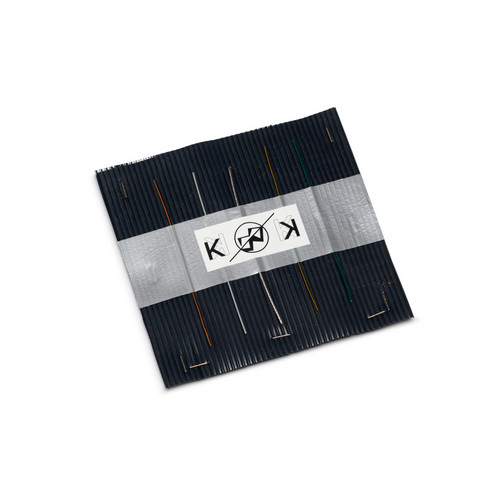
Konkrete Klaenge
*42 copies limited edition*
Handmade packaging.All materials are recycled.The CDR is contained in a striped plastic (black or transparent). The plastic bag is closed with metal staples.The plastic bag has pieces of metal wire attached to the bag with a length of gray cloth tape. A sticker is attached to the tape.Inside the bag are:- a small white bag containing the black vinyl-like polycarbonate CDR. A sticker is attached to the bag.- a black and white tri-fold cover- a small sticker
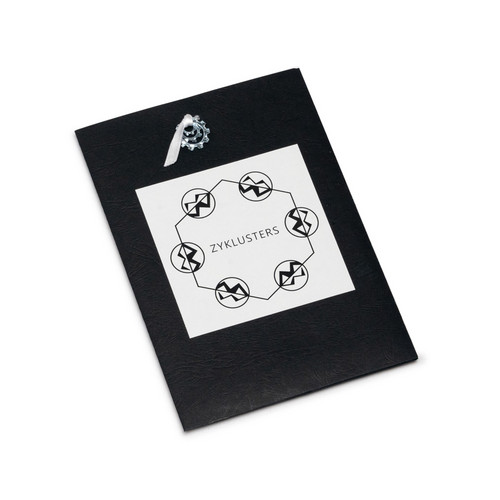
Zyklusters
*36 copies limited edition*
Handmade packaging.The CD-R is contained in a 14x20 cm embossed black cardboard envelope. A sticker is attached to the envelope.The envelope has a hole closed with a piece of white satin ribbon holding three steel washers (rings/clusters).Inside the envelope are:- a black envelope containing the black vinyl-like polycarbonate CD-R. The CD-R is printed- a full-color bi-fold cover- a bookmark- a sticker
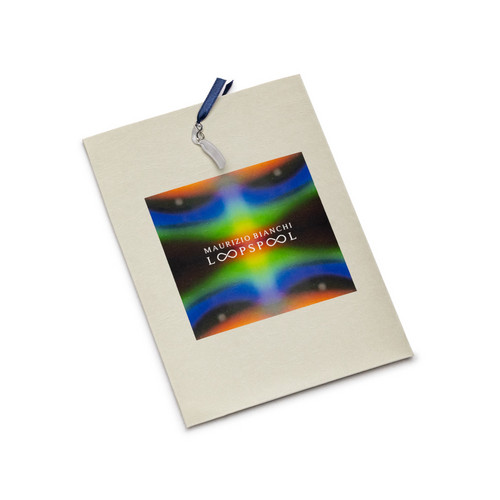
Loopspool
*36 copies limited edition*
Handmade packaging.The CD-R is contained in a 14x20 cm embossed beige cardboard envelope. A sticker is attached to the envelope.The envelope has a hole closed with two pieces of satin ribbon (grey and blue) holding a charm in silver metal wich represents the symbol of infinity.Inside the envelope are:- a plastic envelope containing the black vinyl-like polycarbonate CD-R. The CD-R is printed- a full-color tri-fold cover (13x13 cm. closed, 39x13 cm. developed)- a minip…
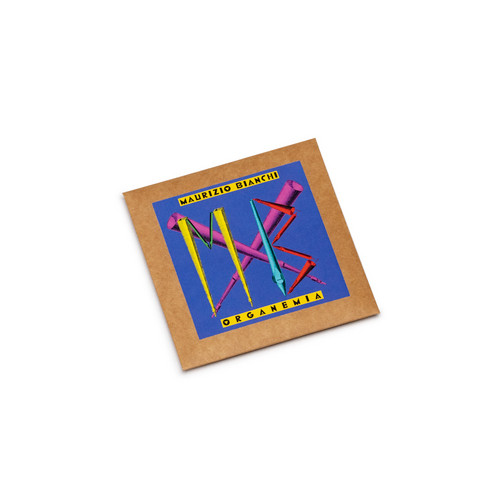
Organemia
*42 copies limited edition*
Handmade packaging.The CD-R is contained in a 13x13 cm brown cardboard archival sleeve. A sticker is placed on the sleeve.Inside the sleeve are:- a sleeve containing a black polycarbonate CD-R, which resembles vinyl. The CD-R is printed. The sleeve is a random color: yellow, green, orange, or blue.- a full-color bi-fold cover.- three bookmarks.- a mini poster.Layout – Antonio Benini
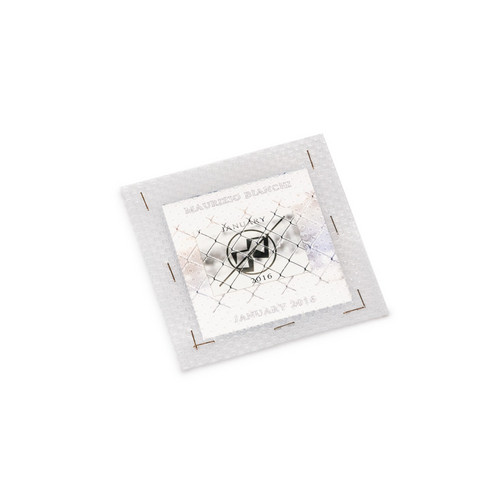
January 2016
*30 copies limited edition*
Celebratory release for the tenth anniversary of the first track, released digitally only.This edition is entirely handmade.The CD-R is contained in a plastic sleeve with a frozen look, sealed with metal staples.A polyester print is attached to the front of the plastic sleeve.Inside the plastic sleeve is a paper sleeve containing the CD-R and a small insert with liner notes.The envelope and insert are printed on special high-quality lined paper.
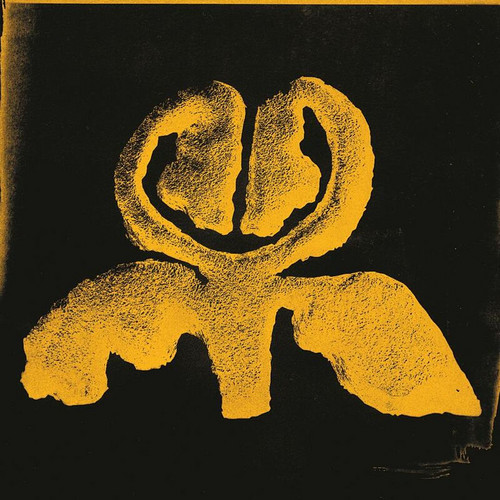
Preludes
** 2026 Repress, revised artwork ** Artist and multi-instrumentalist Flaer looks to the landscape to explore pastoral melancholy on debut release, Preludes. Ensconced in his family home in rural Leicestershire in the early months of 2020, painter and musician Realf Heygate (b. 1994) picked up his childhood cello for the first time in several years and began to play. Setting himself parameters to only record onto 4-track tape with acoustic instruments – cello, piano and acoustic guitar – he assem…
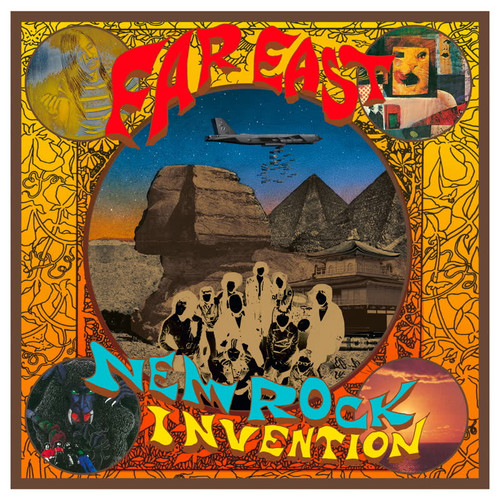
Far East New Rock Invention 1969-1975
"What strikes me again, even now, is that rock from the late '60s through the early '70s remains the most compelling — whether Western or Japanese. In the mid-1960s, British groups like The Beatles and The Rolling Stones swept across the globe, while in the United States Bob Dylan famously swapped his folk guitar for an electric one, igniting the folk-rock movement. From the surge of new energy among young people in Britain and America — entwined with hippie culture, drugs, and the radical momen…

Godzilla
*2026 repress* Celebrated composer Akira Ifukube's formidable score for the legendary monster film, 'Godzilla,' continues to resonate nearly seven decades after its debut. Renowned for its groundbreaking blend of dark and evocative music, Ifukube's visionary compositions encapsulate the horror and devastation portrayed in Ishiro Honda's classic film.
As viewers immerse themselves in the unrelenting chaos unleashed by Godzilla, Ifukube’s score serves as both a powerful narrative force and an emot…
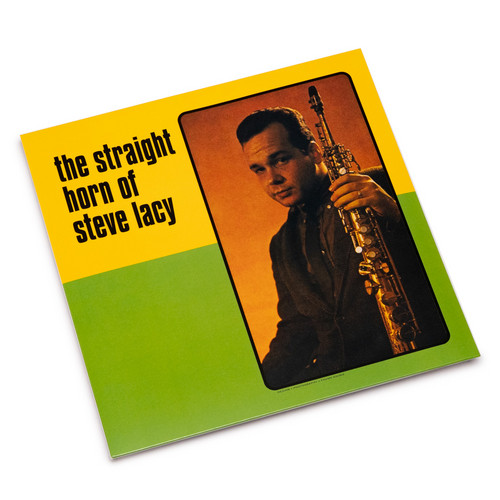
The Straight Horn Of Steve Lacy
Originally released in 1962 on Candid Records, The Straight Horn of Steve Lacy finds a young Steve Lacy stepping forward with quiet confidence and a sound unlike anyone else at the time. Stripped of excess and focused on tone, space, and intent, these sessions reveal a musician already thinking beyond convention. The soprano sax cuts clean and direct, moving between sharp angles and lyrical calm, with a small group that listens as closely as it plays. Nothing here feels rushed or ornamental, jus…
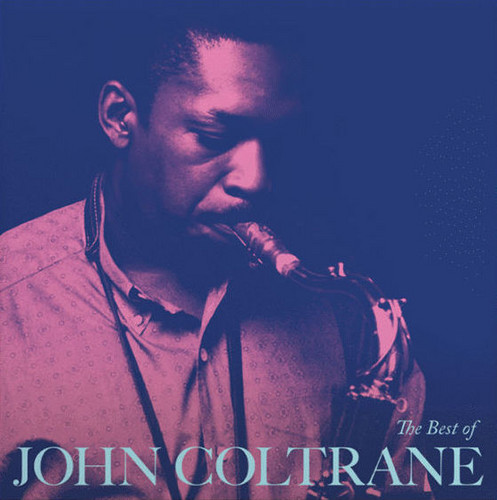
The Best Of John Coltrane
The year 2026 marks the hundredth birthday of John Coltrane, whose groundbreaking artistry as a saxophonist, composer, and bandleader made him one of the most influential musical figures of the 20th century. To honor his immeasurable impact, Craft Recordings looks back on Coltrane’s early years as a bandleader with a carefully curated collection of original compositions and standards. Produced with the full support of the John Coltrane Estate, The Best of John Coltrane draws from the saxophonist…
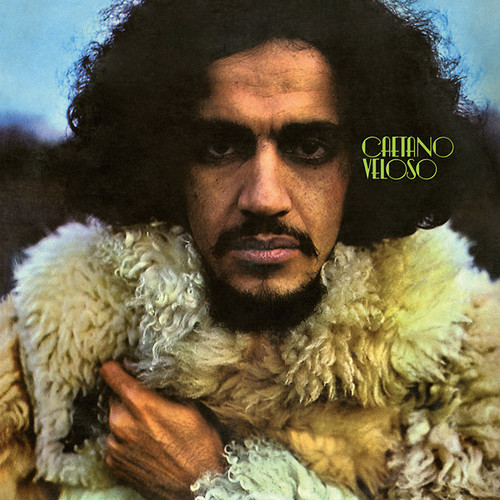
Caetano Veloso (A Little More Blue)
*2026 repress* Lilith present a reissue of Caetano Veloso's Caetano Veloso (A Little More Blue), originally issued in 1971. Often referred to as "Brazil's unofficial poet laureate" and the "Bob Dylan of Brazil", this heavyweight of Brazilian music was also a young revolutionary who used his music to protest against Brazil's oppressive military regime. This protest music, which became known as tropicalia, first earned Veloso a stint in jail, but by the time this dour album was released in 1971, i…
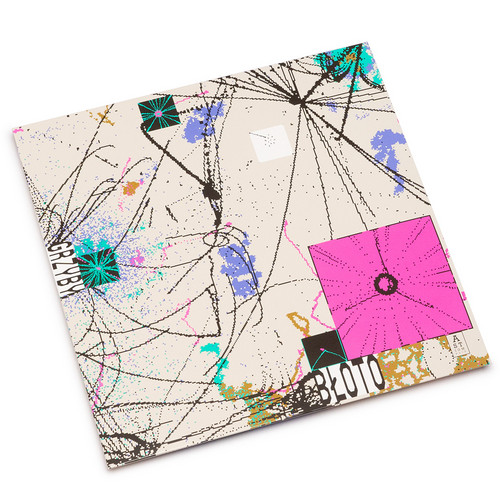
Grzyby
On Grzyby, Błoto complete their mycelium cycle with a compact blast of medicinal‑and‑toxic club jazz: five mushroom‑named cuts of broken beats, sub‑heavy low end and live improvisation that argue for dialogue and interdependence in a world addicted to walls.
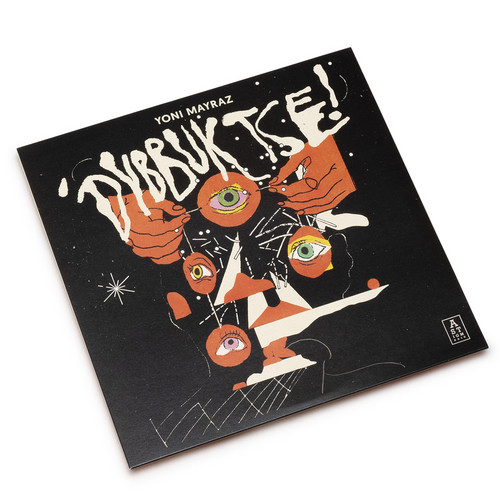
Dybbuk Tse!
On Dybbuk Tse!, Yoni Mayraz turns Jewish possession lore into a groove‑driven exorcism: live‑wire jazz, 90s NYC hip‑hop grit and Middle Eastern modes colliding in a story where a wandering spirit is forced out beat by beat.

Scenery
On Scenery, Ryo Fukui turns a late‑start passion into a quietly astonishing debut: airy, confident trio swing and luminous ballads that distil a distinctly Hokkaido sense of space, light and seasonal melancholy into six perfectly breathing performances.
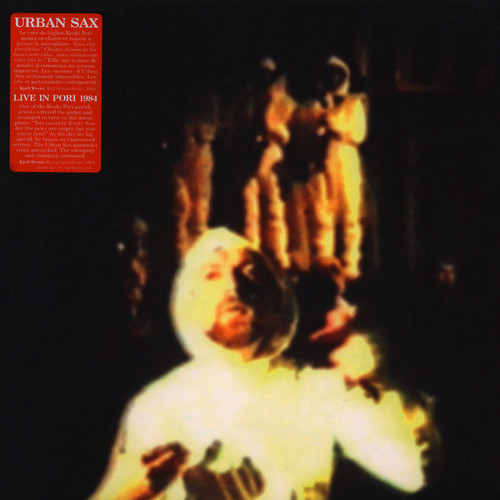
Live In Pori 1984
In July 1984, the otherworldly entourage of over fifty musicians of Urban Sax swarmed across the coastal town of Pori, Finland, to perform a historic concert at the Pori Jazz Festival. The masked musicians, veiled in space suits and fencing masks, arrived at the scene of the concert in the Central Pori Church by fire engines, forklifts and water buses from all over the town, followed by an ecstatic and bewildered crowd of festival-goers and amazed locals alike. For those present, the explosively…
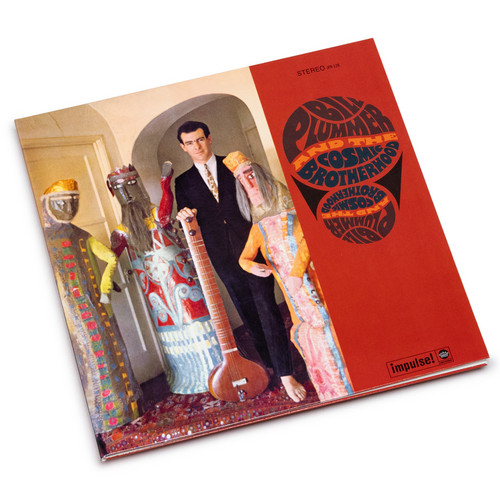
Bill Plummer And The Cosmic Brotherhood
"Welcome to the mind-expanding 1968 jazz recording of Bill Plummer and The Cosmic Brotherhood -- where Eastern and psychedelic influences meld together to produce one of the trippiest jazz albums on Impulse Records. This LP is a much-sought-after sonic travelogue, with the pop-psych spoken-word sitar freakout of 'Journey To The East' to Bill Plummer's swinging, rapid fire/cool jazz compositions, to his covers that go straight to the heart of any '60s genre-crossing jazz fans. Featuring an incred…
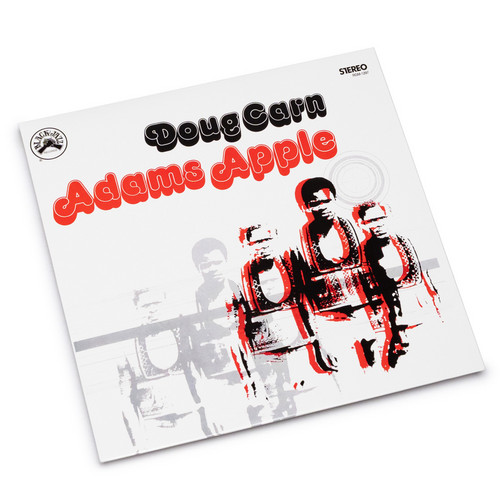
Adams Apple
2026 stock Doug Carn made four records for the Black Jazz label, more than any other artist, and each one topped the previous release's lofty standard. Adam's Apple was his last (1974) album for the label, representing the final note in his staggeringly creative crescendo. It was also the first record without Jean Carn, but Carn and crew (John Conner and Joyce Greene) don't miss a beat on the vocals. And the band is absolutely sick, featuring reedman Ronnie Laws and fellow Black Jazz recording a…
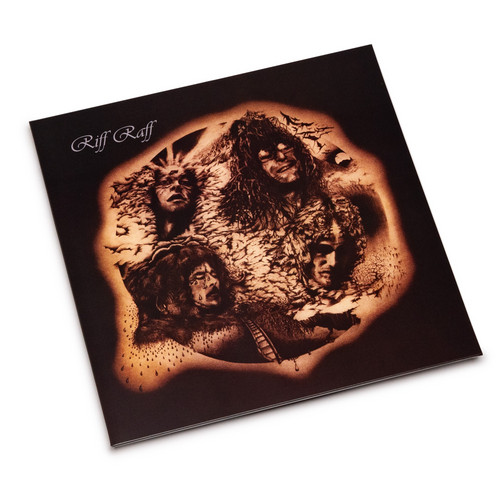
Riff Raff
Released in 1972, Riff Raff is a bold statement from a British prog quartet exploring the intersection of rock and jazz-inflected textures. The album moves between blues-tinged grooves, melodic prog passages, and expansive jazzy-rock moments, all anchored by tight rhythms, expressive guitar, and organ flourishes. Standout tracks like the opener and La Même Chose show off the band’s adventurous spirit, balancing precision with spontaneity. Though the variety of songwriters gives the album a loose…
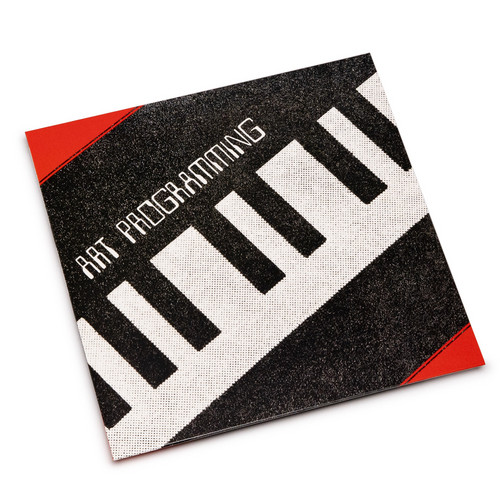
Art Programming
We are excited to continue our work with Art P / Art Programming by finally offering the first full-length work from this Bremen-based electronic group. Originally released only on cassette in 1983, the self-titled album has now been fully restored and remastered, complete with bonus tracks and unreleased mixes unearthed from a rare demo. The LP opens with "Wesen vom anderen Stern" ("Beings from Another Planet"), a downtempo, 808-driven electro synth wave track with German lyrics telling a story…
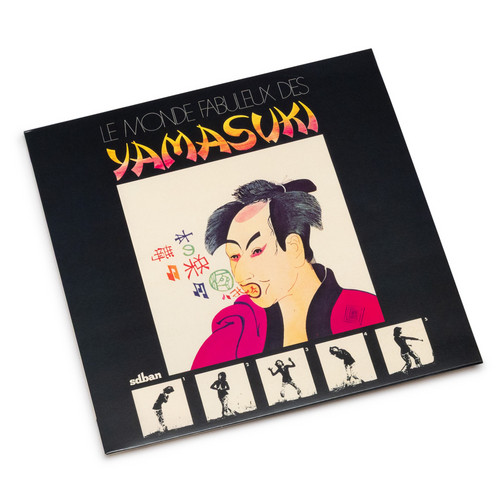
Le Monde Fabuleux Des Yamasuki
A delirious cult concept album disguised as pop, first released in 1971, where psychedelic grooves, funk and global rhythms meet phonetic pseudo-Japanese chants, judo-master ritual cries and a children's choir. Sampled by Erykah Badu, Madlib and DopeLemon, and the unlikely spark behind Bananarama's debut. This can only be the fabulous world of Yamasuki.
In the spring of 1971, somewhere between Brussels, Paris and a collective pop fever dream, Le Monde Fabuleux Des Yamasuki landed on vinyl. It so…