Jazz /
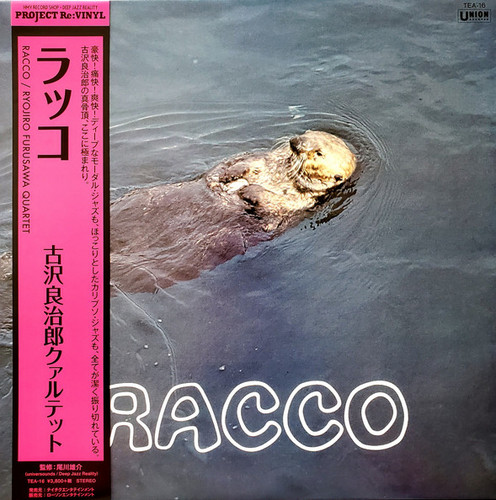
Racco
Few musicians, and few albums, embody such a joyful sense of freedom and vitality. Racco is where the artistry of Ryojiro Furusawa reaches its peak.
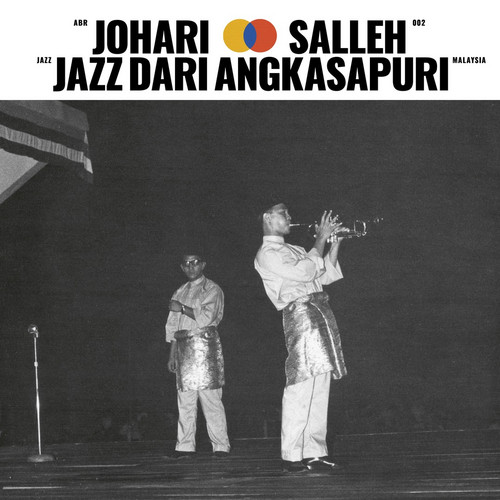
Jazz Dari Angkasapuri
Jazz recordings by the Malaysian trumpeter and composer Johari Salleh from the 1970s: modal grooves and jazz funk with Malay folk themes, until now available only on a few dozen locally pressed copies.
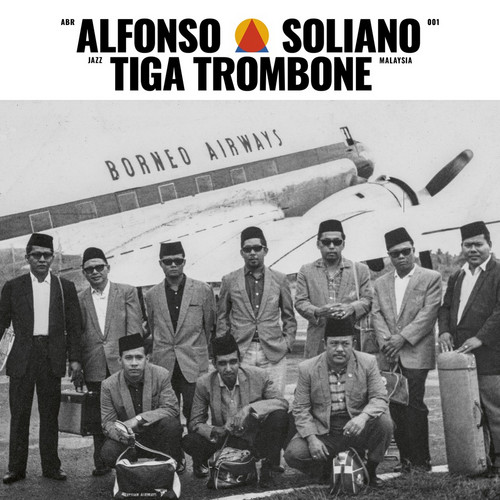
Tiga Trombone
First release on Audible Beauty, Habibi Funk's sister label: eleven jazz pieces by the Malaysian pianist and arranger Alfonso Soliano, recorded for Radio Television Malaysia and pressed in only a few dozen copies.
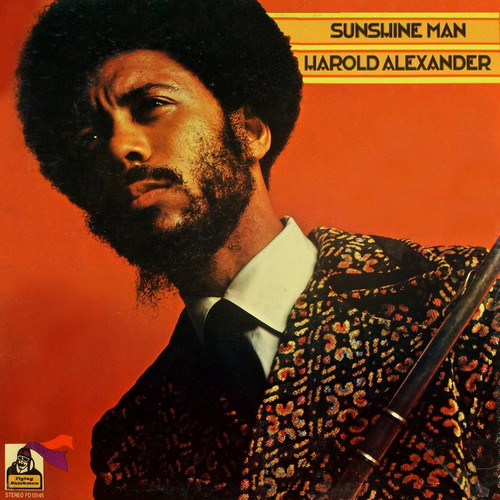
Sunshine Man
Two days in May 1971, produced by Bob Thiele for Flying Dutchman. Harold Alexander on flute and soprano over Neal Creque's electric piano, Richard Davis's bass, Pretty Purdie's drums and Richard Landrum's congas. Contains Mama Soul, the scat-flute track that got him into DJ sets decades later.
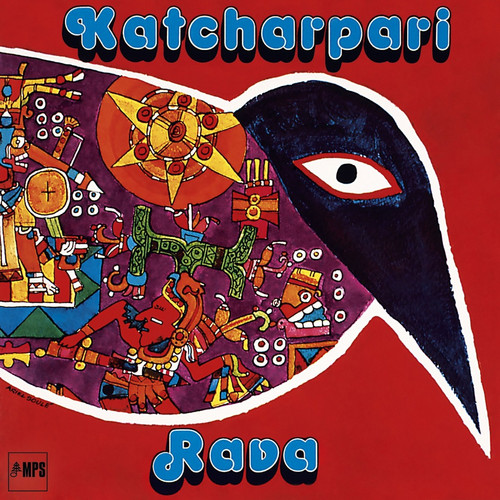
Katcharpari
Milan, January 1973. Enrico Rava's second record as a leader, with John Abercrombie on guitar, Bruce Johnson on bass and Chip White on drums, released by MPS/BASF. Rava has called it his breakthrough: the album that got Manfred Eicher's attention. Seven tracks, from Trial N. 5 to the Don Cherry tribute Cheerin' Cherry.
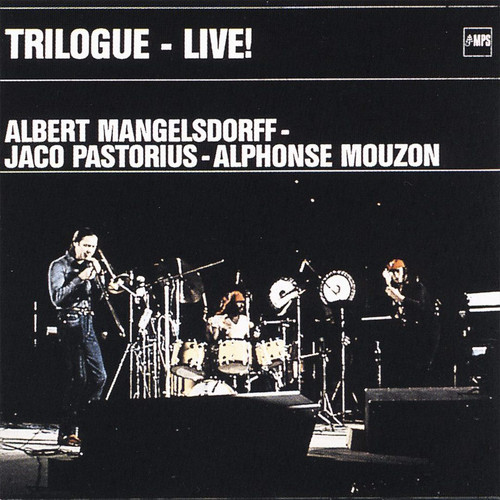
Triloque
Berlin Jazz Days, 6 November 1976. Albert Mangelsdorff's trombone, alone at the front, with Jaco Pastorius on electric bass and Alphonse Mouzon on drums, a year after Pastorius's debut. Five long pieces, recorded live, released by MPS in 1977. The trombone multiphonics against a fusion rhythm section.
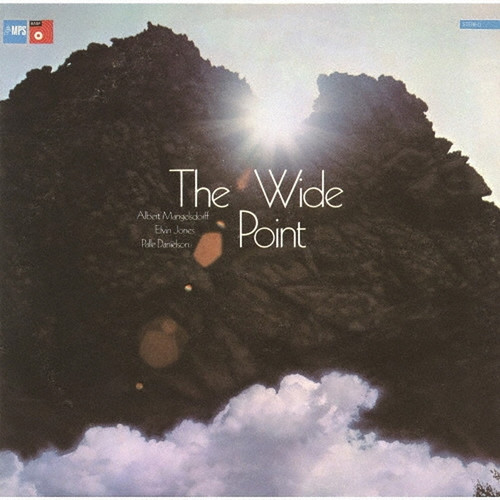
The Wide Point
Walldorf Studio, near Frankfurt, 1 and 2 May 1975. Albert Mangelsdorff on trombone, Palle Danielsson on bass, Elvin Jones on drums. Seven pieces, thirty-nine minutes, released by MPS the same year.
Mangelsdorff had recorded with Jones once before, on the 1968 duet album Albert Mangelsdorff and His Friends. The Wide Point is the first of his trombone-bass-drums trio records, the format that would produce Trilogue with Pastorius and Mouzon the following year and the Montreux album in 1980. The ban…
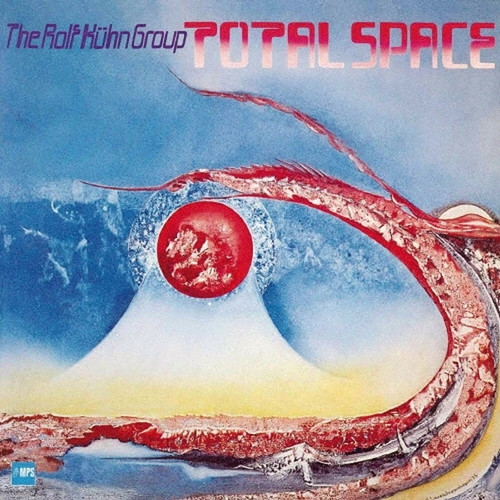
Total Space
Cologne, Cornet Studios, January 1975. Rolf Kühn on clarinet with a band that reads like a German jazz roll call: his brother Joachim Kühn on piano and electric piano, Philip Catherine on guitar, Gerd Dudek on tenor and soprano, Albert Mangelsdorff on trombone, Bo Stief on bass, and two drummers, Daniel Humair and Kasper Winding.
Kühn chose not to record in the MPS studio in the Black Forest and brought in the engineer Wolfgang Hirschmann instead. In his own account, quoted in MPS's reissue note…
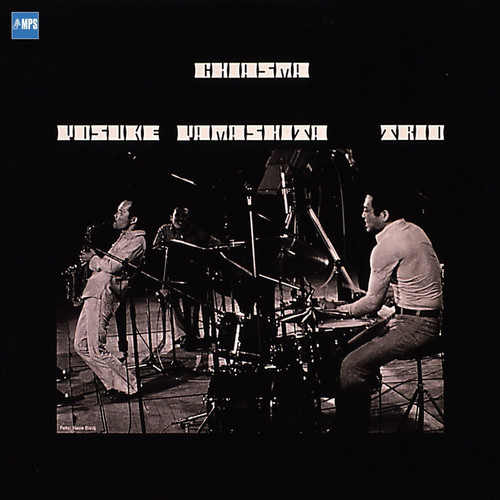
Chiasma
Heidelberg Jazztage, 6 June 1975. The Yosuke Yamashita Trio with Akira Sakata and Takeo Moriyama in its second European season, recorded by Carlos Albrecht for MPS. Piano and drums duets, a Moriyama drum solo, and the fourteen-minute Hachi. Forty minutes of the loudest trio of the decade.
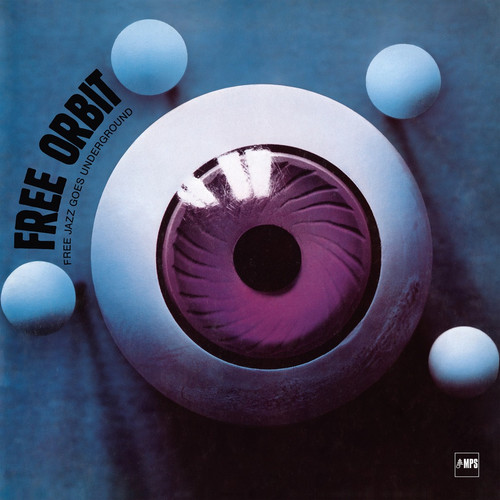
Free Jazz Goes Underground
Hamburg, 1969. A drummer recently arrived from Westphalia, known around the Jazzhouse on Brandstwiete as a capable timekeeper who could swing in 4/4 and play rock beats, which is why Klaus Doldinger had hired him for Passport. His name was Udo Lindenberg. Free Jazz Goes Underground, released by MPS in 1970 under the name Free Orbit, is the first studio album of the band he led, and he sings on it, in English, alongside a second vocalist.
MPS's own note on the reissue admits you need careful list…
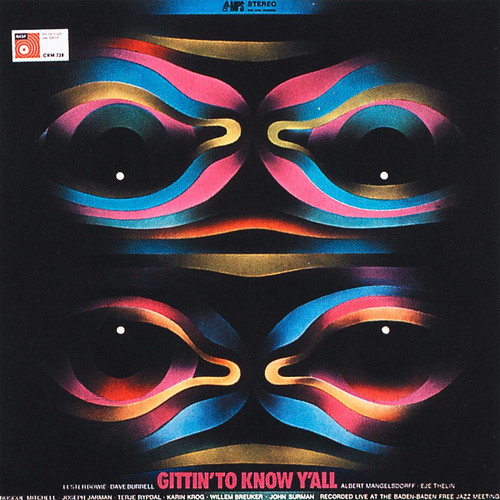
Gittin' To Know Y'All
Baden-Baden, Südwestfunk studio, 12 to 14 December 1969, the annual Free Jazz Meeting. Steve McCall had persuaded the organisers to invite the Chicago musicians living in Paris: Lester Bowie, Joseph Jarman, Roscoe Mitchell, and the pianist Dave Burrell. They met sixteen Europeans: Albert Mangelsdorff, Kenny Wheeler, John Surman, Willem Breuker, Terje Rypdal, Tony Oxley, Alan Skidmore, Heinz Sauer, Gerd Dudek, Eje Thelin, Bernt Rosengren, Hugh Steinmetz, Leo Cuypers, Claude Delcloo and Karin Krog…
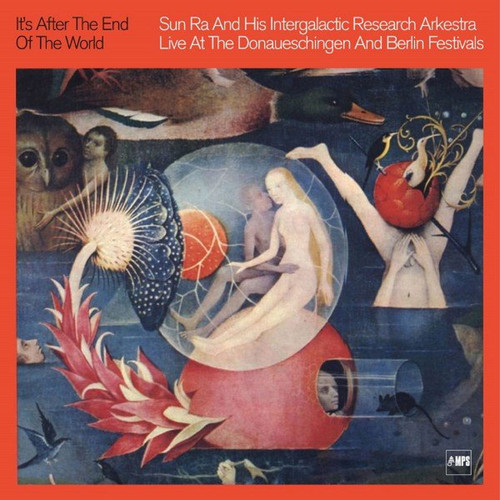
It's After The End Of The World
Donaueschingen, 17 October 1970, and Berlin, 7 November: Sun Ra's first German concerts, commissioned by Joachim-Ernst Berendt, with the Black Forest Myth written for the astrological moment and never played again. Berendt cut five hours of tape into forty minutes. Der Spiegel called it cosmic chaos.
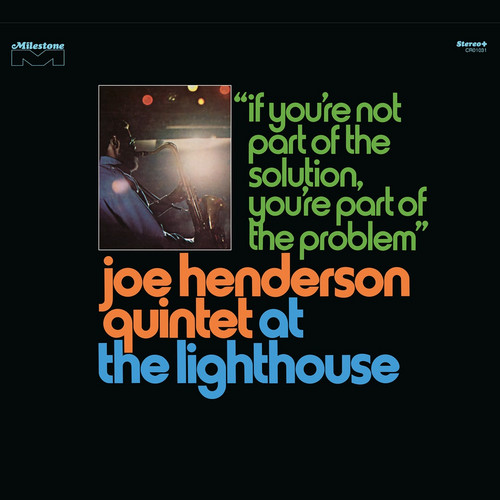
At The Lighthouse: If You're Not Part Of The Solution, You're Part Of The Problem
Joe Henderson's quintet live at the Lighthouse in Hermosa Beach in 1970, with Woody Shaw, George Cables, Ron McClure, Tony Waters and Lenny White. Deluxe 3LP edition with five unreleased tracks and new liner notes.
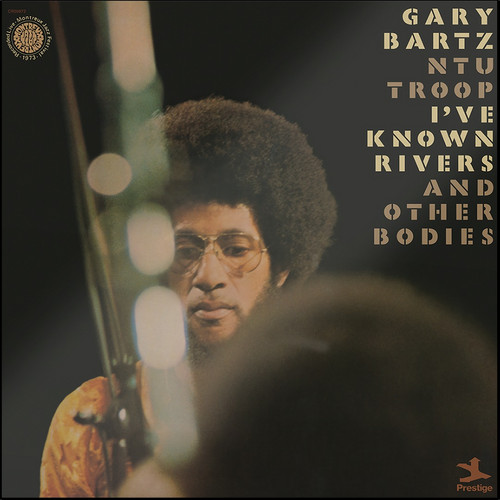
I've Known Rivers And Other Bodies
Montreux, 7 July 1973: Gary Bartz brings the NTU Troop on stage as a quartet and plays the first half of the concert as one unbroken suite. Langston Hughes turned into song, alto and soprano over electric piano and bass. First vinyl edition since 1975, cut AAA from the original tapes by Kevin Gray.
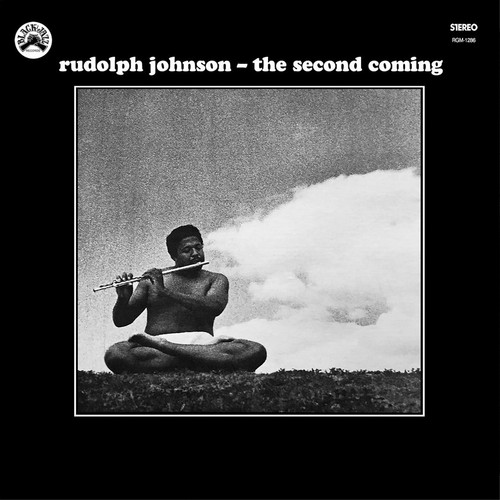
The Second Coming
Rudolph Johnson's second album for Black Jazz, from 1973, with Kirk Lightsey, Kent Brinkley and Doug Sides: free, expressive playing in the wake of Coltrane, with little of the fusion of its time. Real Gone reissue on black vinyl.
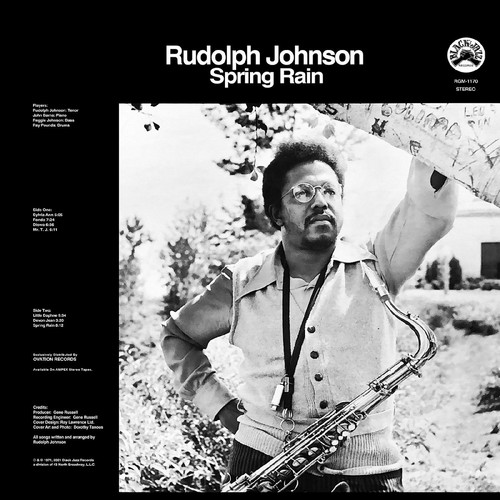
Spring Rain
Rudolph Johnson's 1971 debut for Black Jazz, a quartet date with John Barnes, Reggie Johnson and Raymond Pounds moving between bebop, soul jazz and Coltrane-like tenor. Real Gone reissue on black vinyl, remastered.
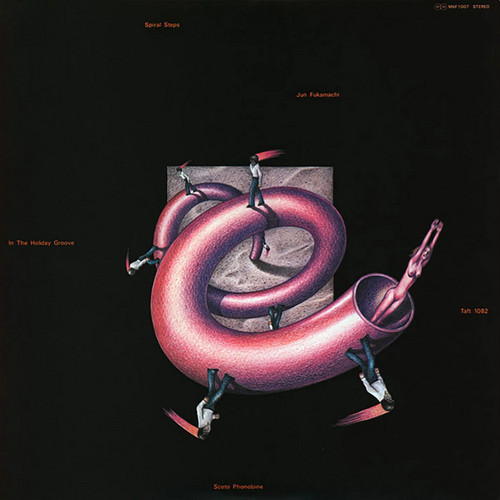
Spiral Steps
A precursor to the New York All Stars project, this album was one of the earliest overseas recording ventures by the then up-and-coming sound creator Jun Fukamachi, and stands as a landmark work that helped define the dawn of J-Fusion.
The New York sessions featured Randy and Michael Brecker, as well as the late Anthony Jackson. Representing Japan were an exceptional lineup of musicians, led by Shuichi "Ponta" Murakami, who plays drums on every track, alongside Kazumi Watanabe, Rei Ohara, Akira …
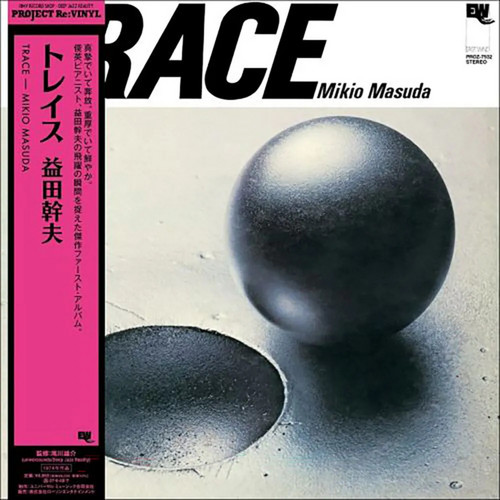
Trace
Powerful trio music by pianist Takehiro Honda, known for his strong touch and bluesy feeling, together with an American rhythm section. The album features a line up of compelling originals, including the overwhelmingly powerful "Minors Only" and the title track "Salaam Salaam," whose title means “peace” in Swahili.
East Wind was a ground-breaking jazz label established in 1974 through the full cooperation of Ai Music, as it was then known, and Nippon Phonogram, as it was then known. Over a per…
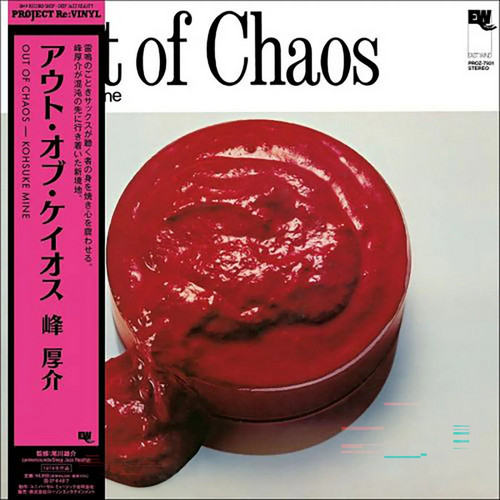
Out Of Chaos
The saxophone, thunderous as a peal of lightning, burns the listener’s body and shakes the soul. Out Of Chaos captures a new frontier reached by Kosuke Mine beyond the depths of chaos. Having attracted widespread attention through his work with the Masafumi Kikuchi Group and the consecutive release of three albums under his own name in 1970, Kosuke Mine was one of the most talked-about figures in Japanese jazz. Following the breakup of the Kikuchi Group, he released the masterpiece Daguri in 197…
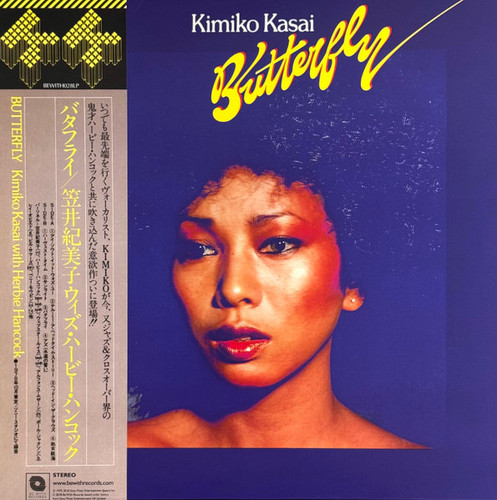
Butterfly
*2026 repress!!!* Oh yes! First ever official reissue of the positively sublime and very rare Butterfly LP, recorded in Tokyo in 1979 by Japanese songstress Kimiko Kasai and jazz legend Herbie Hancock. Due to its super-rare status as a Japan-only release, this exquisite collection of covers never got the recognition it deserved at the time, despite incredibly inspired performances from Kimiko, Herbie and the supremely talented musicians assembled for the project. From heavenly drummer Alphonse M…