Psych /
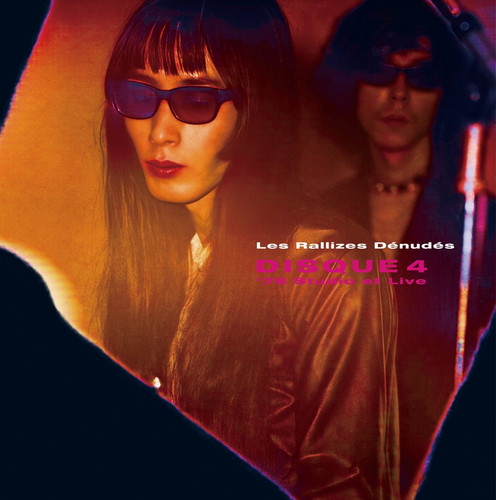
Disque 4 (’76 Studio et Live)
Les Rallizes Dénudés returns with Disque 4 -’76 Studio et Live-, the latest in the ongoing series of official archival releases from the celebrated Japanese underground band.
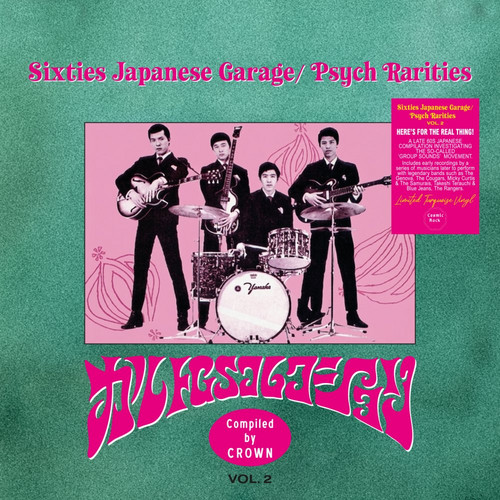
Sixties Japanese Garage/Psych Rarities Vol.2
Here's for the real thing! Sixties Japanese Garage/Psych Rarities Vol. 2 uncovers a lost vein of cosmic rock from late‑1960s Japan, presenting a vivid collection of raw, psychedelic sounds from the heart of the Group Sounds movement. This second volume brings together rare singles, private-press gems and previously uncompiled studio cuts that reveal how Japanese bands absorbed and reimagined Western garage, soul and acid rock into something entirely their own.
Featuring early and hard-to-find re…
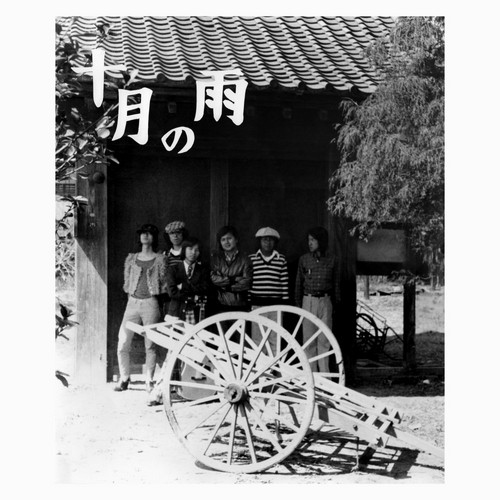
Jugatsu no Ame
*300 copies limited edition* A lost jewel of 1970s Japanese psychedelia. Recorded by high school friends Minoru Sasaki and Masanori Nishigaito who spent their days rehearsing in a decrepit abandoned hospital, supported by their friends’ band Momonga. Self-released in 1974 in only 100 copies on the highly collectible Mountain Fuji Record imprint, most surviving copies have surfaced without jackets, further adding to the record’s mystique. For fans of private press psych and Japanese folk rock act…
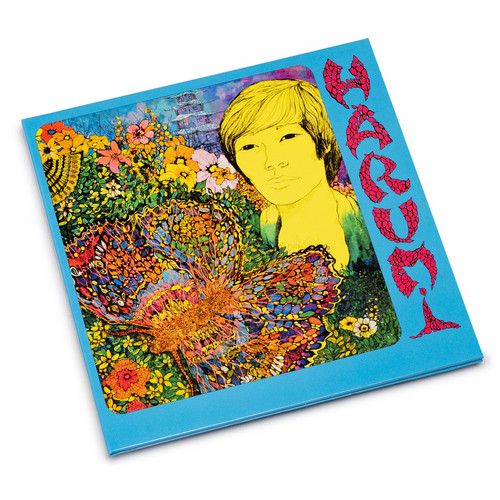
Harumi
Somewhere between 1967 and 1968, at the very nerve of the psychedelic era, Japanese singer and composer Harumi recorded in New York an album that today sounds like a lost manifesto of cosmopolitan psychedelic pop. Harumi is a rare example of delicate, almost fragile psychedelia - where Eastern melodic sensibility meets soft American folk-rock and the studio imagination of the late 1960s. Recorded with New York musicians, the album moves between dream-pop long before the term existed, baroque pop…
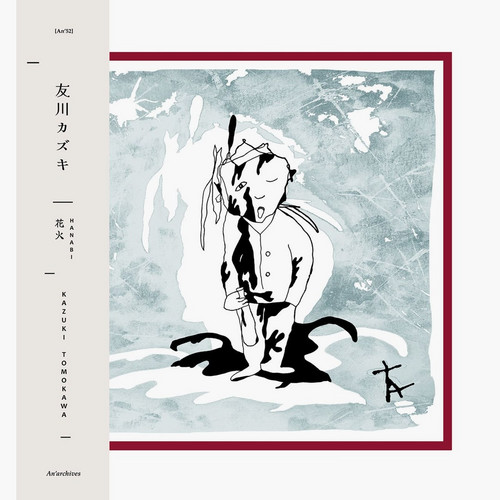
Hanabi
An’archives are thrilled to present the debut album by Tokyo avant-pop duo Jyuriaano, Dreaming Glass.
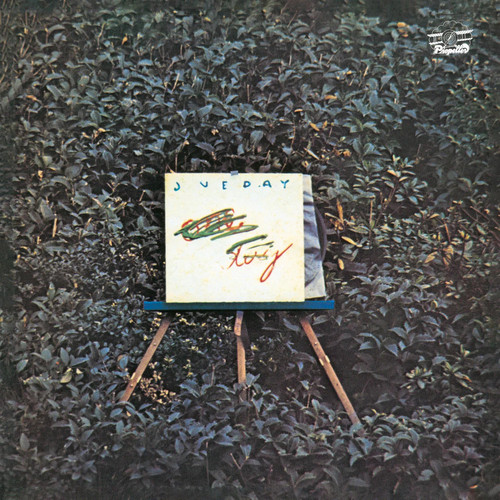
One Day
Shortly after the breakup of Flower Travellin’ Band, guitarist Hideki Ishima released his first and only solo album in 1973—a hauntingly beautiful work that stands apart in the landscape of ’70s Japanese rock. Known for his later work as a sitar player, Ishima showcases a signature floating guitar sound throughout the album, blending psychedelic rock, acid folk, and introspective singer-songwriter elements into a deeply personal and atmospheric record. Contributing to this richly textured sound …
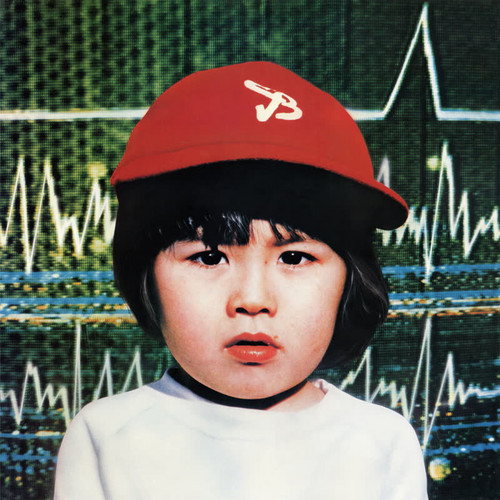
7 O'clock in Tokyo
Wewantsounds is delighted to announce the release of Akiko Yano's cult 1979 album 7 O'Clock in Tokyo, recorded live in September 1978 at a pivotal moment in Japanese music history, just as Yellow Magic Orchestra was about to take the world by storm (Yano would tour the world with the group in 1979). Featuring a very funky Yano performance accompanied by Haruomi Hosono, Ryuichi Sakamoto and Yukihiro Takahashi, plus Tatsuro Yamashita and Minako Yoshida, the album is presented outside Japan for the…
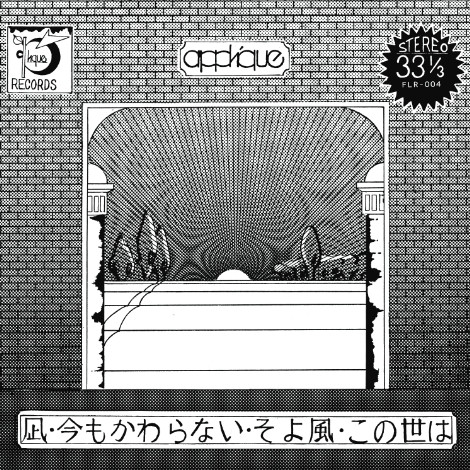
Appliqué
*300 copies limited edition. First ever reissue!!* A sought-after artifact from Japan’s private press underground, Appliqué captures the spirit of early ’70s Tokyo youth—hopeful, melodic, and steeped in harmony. Originally self-released in 1973, this four-track EP evokes the charm and complexity of Off Course’s earliest work, with soft psych textures and intimate songwriting throughout. Archived from the original master tapes by Kamurozaka Studio and remastered by five-time Grammy Award-winning …
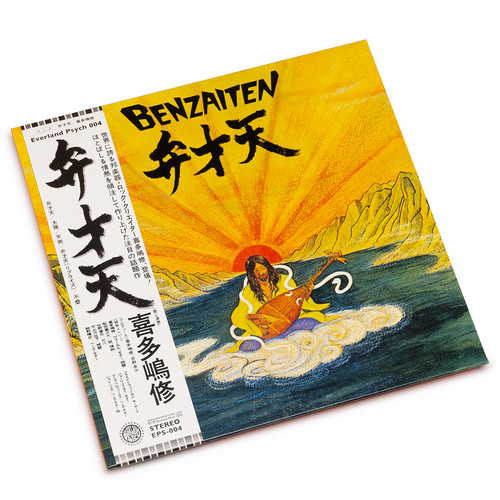
Benzaiten
World music and ethno sounds with an obvious Japanese origin meet progressive rock and psyche. The result is a captivating piece of melodic and deeply atmospheric music that paints pictures of life in ancient Japan into your mind when you lay back, close your eyes and listen closely with your thoughts turned off. If Pink Floyd were Japanese their music might have sounded like that. The frequency of the arrangements on „Benzaiten“ reminds of what our English heroes have created in the early to mi…
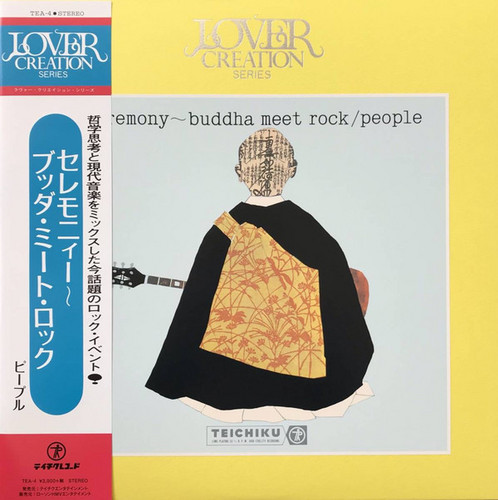
Ceremony Buddha Meet Rock
Ceremony ~ Buddha Meet Rock was originally released in 1971 by Japanese label Teichiku. This trippy album is a true meeting of East and West, combining Buddist chanting with psychedelic/progressive rock. Apparently even this re-issue is fast becoming scarce, get a copy while you can, you will certainly never hear anything like it.
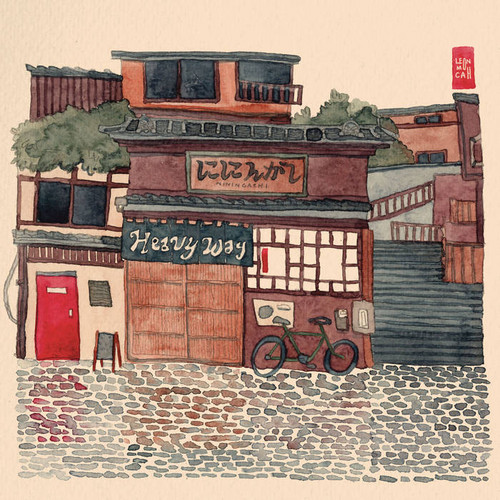
Heavy Way
A long-lost Japanese acid folk gem, Niningashi’s 1974 private press debut Heavy Way shimmers with originality, deft song writing and a dream-like groove.
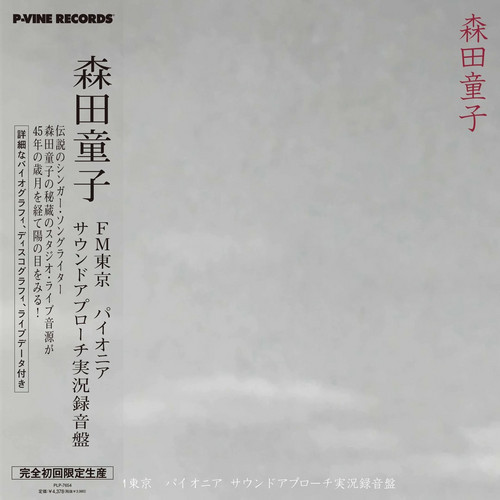
FM Tokyo Pioneer Sound Approach
Doji Morita, who debuted in 1975 with the single 'Sayonara Boku no Tomodachi / Mabushii Natsu,' she was a unique and enigmatic presence in Japanese folk scene with her characteristic sunglasses and curly hair. Starting with 'good bye' in the same year, she went on to release a series of masterpiece albums, including 'Mother Sky: Can You Fly Alone in the Sad Blue Sky?' (1976) and 'a Boy' (1977). This album is a live recording from the spring of 1978, during the peak of Mori's career, when she app…
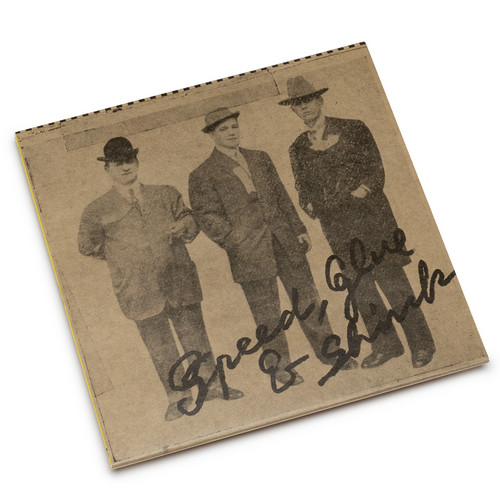
Speed, Glue & Shinki
**Deluxe Japanese edition, analog version using a 96khz24bit sound source. The jacket is a single jacket x two, a full-length Obi, a lyric card, etc** Originally released in 1972 on Atlantic and often referred to as Tiger, Speed, Glue & Shinki's second album featured some tracks not found on Eve in addition to some newly recorded material with a radically different musical approach. Joey Smith purchased a synthesizer because he thought it was time to try a new instrument because he could play t…
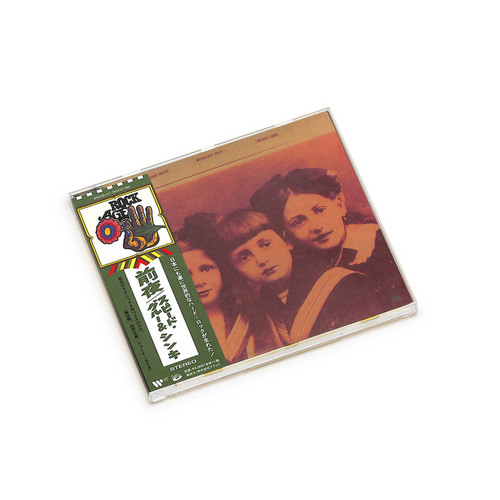
Eve
Speed, Glue & Shinki's 1971 debut album, Eve. Ex-Food Brain guitarist Shinki Chen, bass player Masayoshi Kabe (also known as M Glue) and Filipino Vietnam war veteran Joey "Pepe" Smith, who doubled as both the trio's drummer and vocalist, released two legendary albums in the early '70s. Eve, the earlier of the band's two efforts, was probably the band's only "real" recording, as the self-titled second release in 1972 was put together by Smith from studio outtakes of Chen's guitar playing and trac…
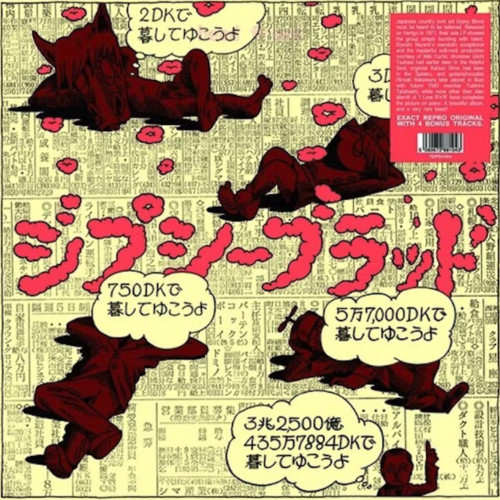
Gipsy Blood
Japanese country rock act Gypsy Blood must be heard to be believed. Released on Vertigo in 1971, their sole LP showed the group simply bursting with talent, Kiyoshi Hayami’s mandolin exceptional and the masterful soft-rock production courtesy of Miki Curtis; drummer Eiichi Tsukasa had earlier been in the Helpful Soul, organist Katsuo Ohno had been in the Spiders, and guitarist/vocalist Hiroaki Nakamura later played in Buzz with future YMO member Yukihiro Takahashi, while none other than Alan Mer…
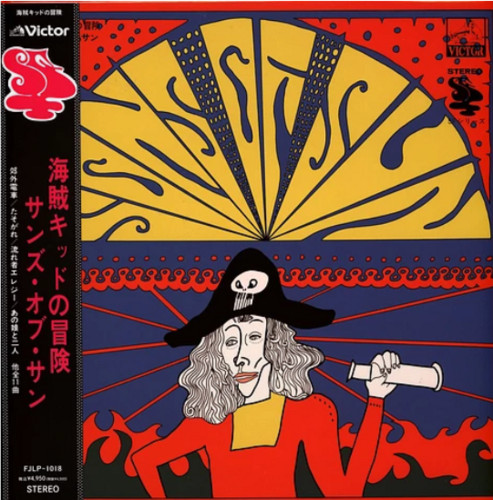
The Adventure Of Pirate Kid
Originally released in 1972, the legendary Soft Rock "Happy End" album is now back on an analog LP!! Written by Hiro Yanagida, Produced by Takashi Matsumoto, Sons Of Sun's first album will be making its return from the label Fuji!! Keyboard Hiro Yanagida Drums Kiyoshi Tanaka E.Guitar Kazuyuki Nagaoka E.Bass Hideaki Takebe Vocal MAO
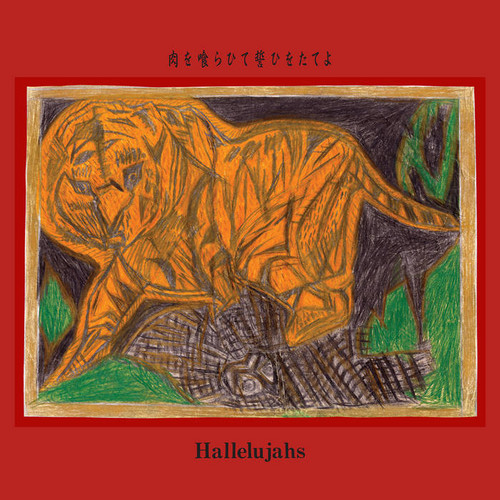
Eat Meat, Swear an Oath
A dreamlike dispatch from mid-80's Japan, the first and only Hallelujahs album is an entrancing and gentle work of psychedelic pop brilliance. In a series of informal studio sessions between 1985 and 1986, Shinji Shibayama (Nagisa Ni Te) gathered a group of friends, emerging luminaries from the burgeoning Kansai underground rock scene including Naoki Zushi (Hijokaidan, Spiral Stairs / 螺旋階段), Ken Ichi "Idiot" Takayama (Idiot O'Clock) and Chie Mukai (Ché-SHIZU) to form what would become known as H…
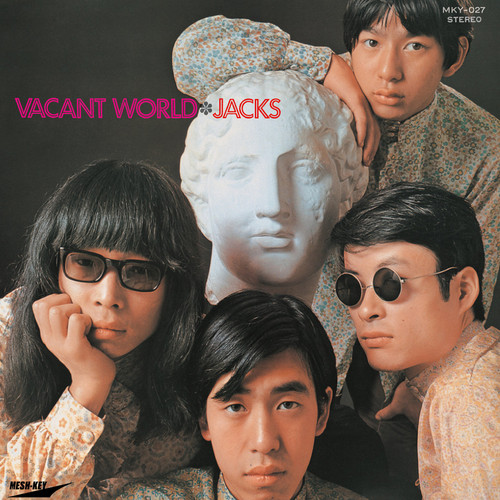
Vacant World
Arriving on the Japanese music scene during the Beatles-inspired cover band boom of the late ’60s, Jacks instantly distinguished themselves from their fluff-peddling, copycat peers with stripped-down, original compositions, nihilistic lyrics and raw performances. Their tenure was short - ’67 to ’69 - but they managed to cut a handful of singles and two albums in that time, the first of which, Vacant World, is now widely considered in Japan to be one of the greatest rock albums the country has ev…
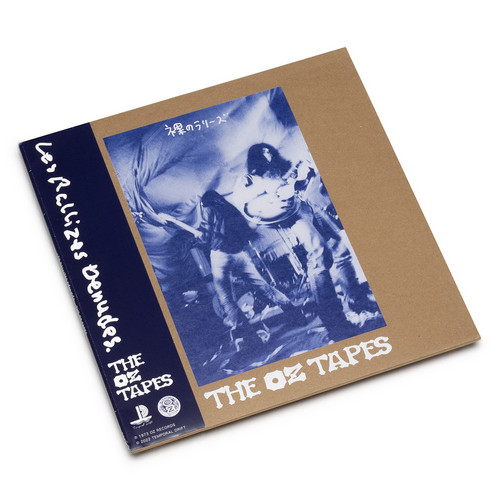
The OZ Tapes
** Black Vinyl edition. Comes in a craft board jacket, including a 12-page liner notes book with archival photos ** Operating out of a small upstairs space just around the corner from the train station in the Kichijoji neighborhood of Tokyo, OZ was a scruffy, DIY affair that lasted not much more than a year. Between June 1972 to September 1973, the café and performance space became the nerve center for the city’s burgeoning underground and counterculture set. Hadaka No Rallizes, aka Les Ralli…
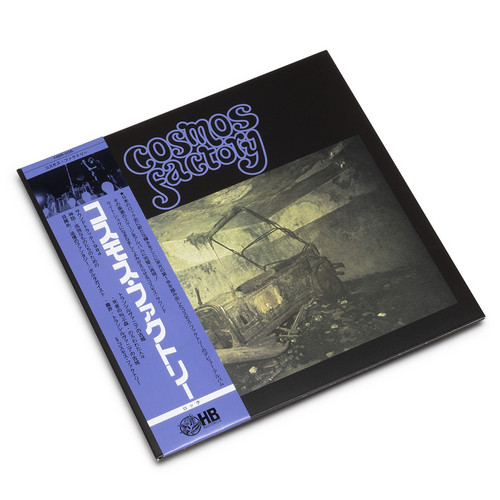
An Old Castle of Transylvania
Originally formed in 1968 under the name The Silencer, Nagoya, Japan progressive rock band Cosmos Factory didn't change their name until their 1983 debut on Nippon Columbia with "An Old Castle Of Transylvania". Loaded with heavy psychedelia and prog rock guitar moments, experimentally blended with the use of Hammond and Mellotron, the band lead by keyboardist / vocalist Tsutomu Izumi takes you on an adventure throughout the dark forests of Transylvania. Throughout the years, the album has become…