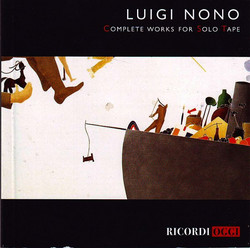
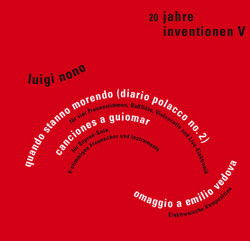
Luigi Nono
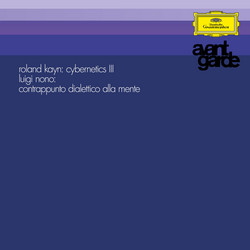
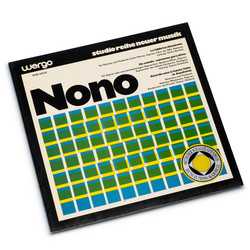
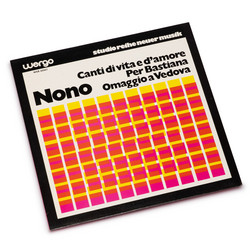
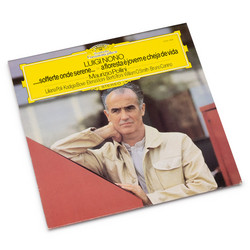
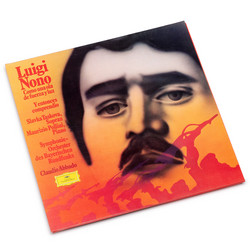
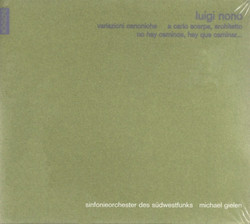
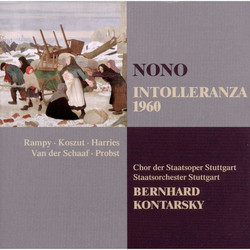
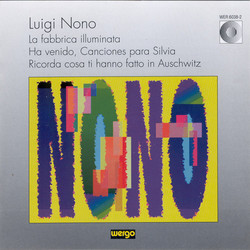
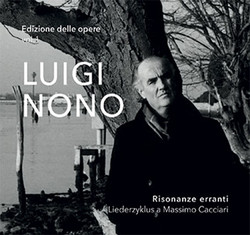
Luigi Nono (1924 to 1990), born in Venice, was one of the leading composers of the postwar avant-garde, and his partisanship for new music was inseparable from a commitment to socialism, twin aspects of a revolt against bourgeois culture. Hence his avoidance of normal concert genres in favour of opera and electronic music, his frequent use of political texts, and his work in bringing music into factories. Il canto sospeso (1956), on letters of resistance fighters, made him known; Intolleranza 1960 and La fabbrica illuminata carried the politics onto the stage and into the studio.
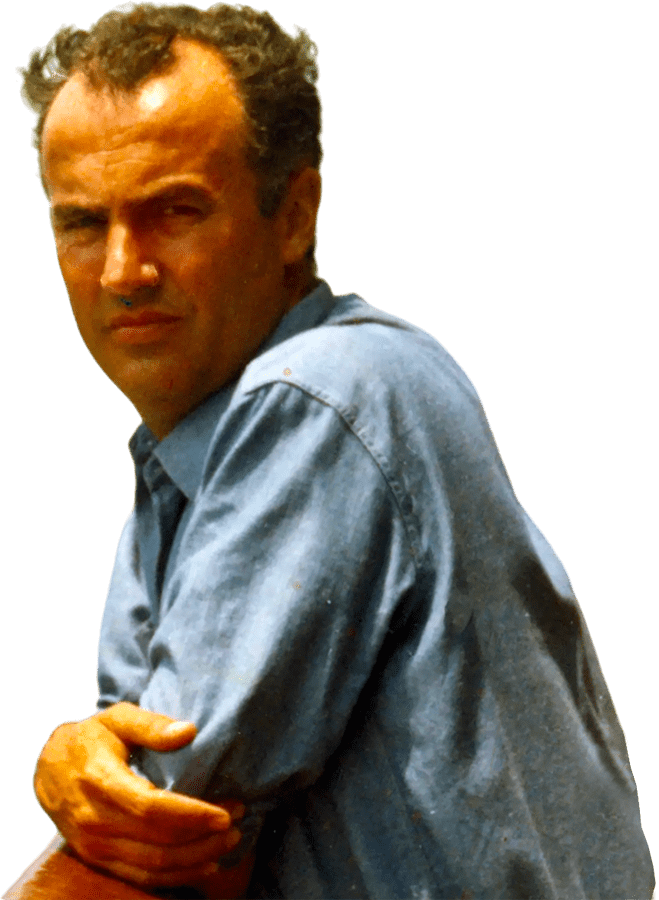
Luigi Nono (1924 to 1990), born in Venice, was one of the leading composers of the postwar avant-garde, and his partisanship for new music was inseparable from a commitment to socialism, twin aspects of a revolt against bourgeois culture. Hence his avoidance of normal concert genres in favour of opera and electronic music, his frequent use of political texts, and his work in bringing music into factories. Il canto sospeso (1956), on letters of resistance fighters, made him known; Intolleranza 1960 and La fabbrica illuminata carried the politics onto the stage and into the studio.