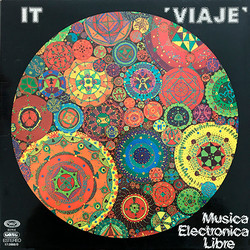
Eduardo Polonio
Born in Madrid in 1941. He dropped out of the Engineering and Telecommunications School to attend the Royal Conservatory of Music in Madrid, where he studied the piano, harmonics, counterpoint and composition. In 1968, he obtained a diploma for teaching composition. Between 1966 and 1970, he studied instrumentation with Günther Becker during the Darmstadt Summer Courses. In 1969, thanks to a scholarship from the Juan March Foundation, he trained at the Psychoacoustics and Electronic Music Institute at the University of Ghent. In 1969, he started to work with the Alea laboratory in Madrid.
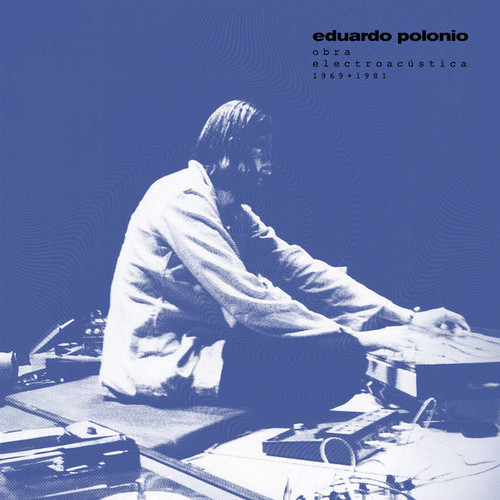
Obras Electroacústicas 1969-1981
Eduardo Polonio (1941–2024) was one of the foundational figures in the emergence and development of electroacoustic music in Spain. The anthology "Eduardo Polonio: Obra electroacústica 1969–1981" revives his legacy with a selection of essential piece…
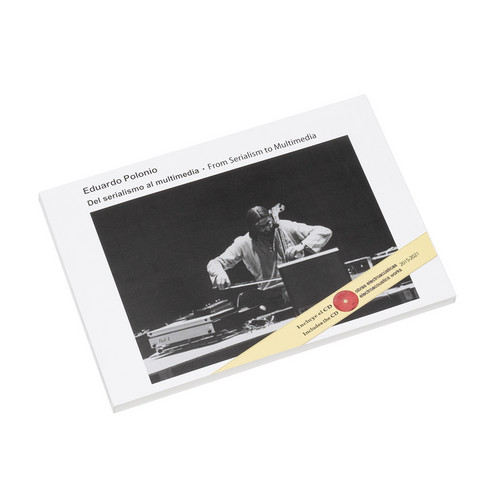
Del serialismo al Multimedia
A tribute to Eduardo Polonio for his eightieth birthday and his nearly sixty years of compositional work. Eduardo Polonio is one of the pioneers of electroacoustic music in Spain. The book, beautifully edited and profusely illustrated, shows in its …
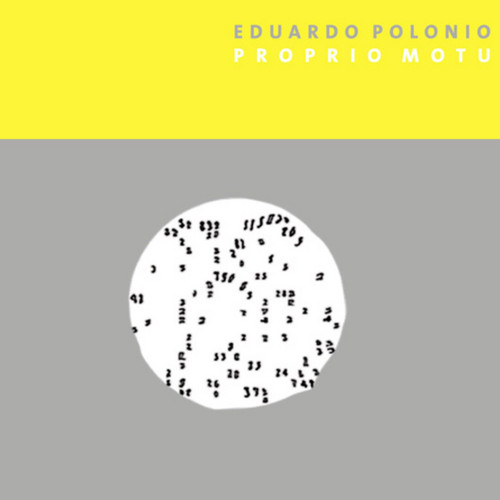
Proprio Motu
* 2021 Stock * The disc summarises a major part of Eduardo Polonio’s work over the last decade and in some way is a complement to his 1969 - 1998 anthology.
There is a deep line, indecipherable for me, that runs through the work of Eduardo Polonio. I…
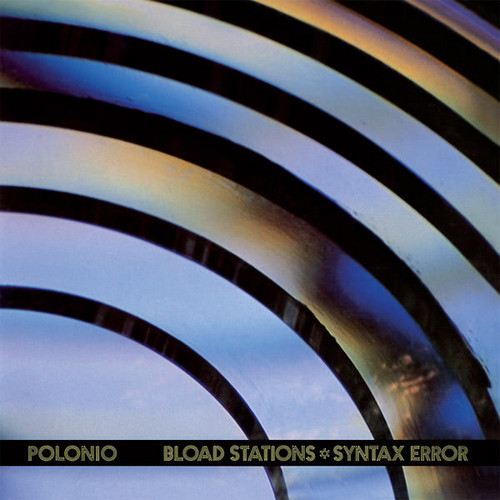
Bload Stations * Syntax Error
Vinilisssimo present a reissue of Polonio's Bload Stations * Syntax Error, originally released in 1987. Eduardo Polonio has been one of the key names of Spanish music since the late 1960s, especially as a pioneer in the field of electroacoustic music…
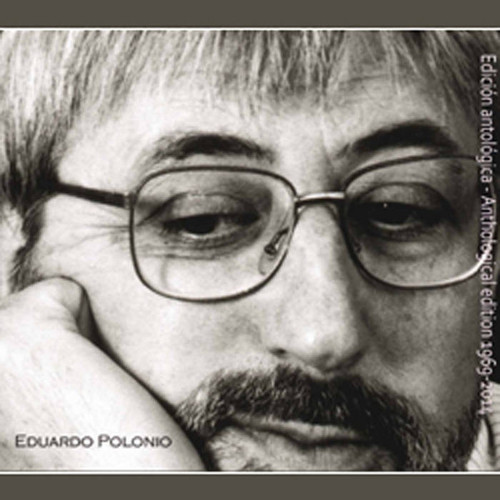
Edicion Antologica 1969-2014
Extensive ovierview on Spanish electronic music pioneer Edoardo Polonioa, containing a biographical account filmed by Javier A. Bedrina (video) and a audio dvd with a selection of 48 electroacoustic works composed between 1969 and 2014. The total len…
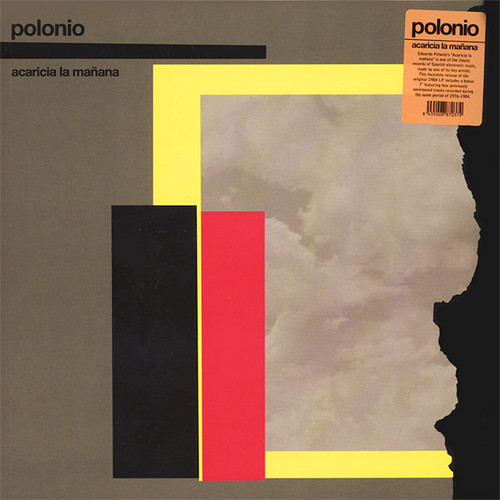
Acaricia La Manana
180-gram LP with bonus 7". Eduardo Polonio has been one of the key figures of Spanish music since the late 1960s, especially as a pioneer in the field of electroacoustic music. He was a member, with Luis de Pablo and Horacio Vaggione, of Grupo Alea E…
La Ciudad Secreta: The Experimental Sounds of Barcelona 1971-199
At the end of the 1960s, perhaps due to its proximity to Paris, Barcelona had become the forefront of the avant-garde and the entryway in Spain of new forms of cultural expression from Europe and the United States. Musically, that characteristic resu…
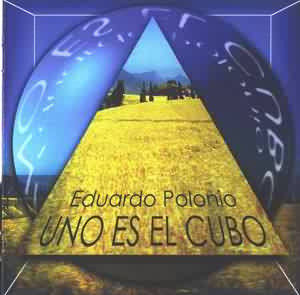
Uno Es El Cubo
With this work Eduardo Polonio has shown us that the electroacoustic music proves to be an excellent base in an opera performance. And more than that: in this way, the possibilities which remain open are relevant.