We use cookies on our website to provide you with the best experience. Most of these are essential and already present.
We do require your explicit consent to save your cart and browsing history between visits. Read about cookies we use here.
Your cart and preferences will not be saved if you leave the site.

John Cage

John Cage (1912 to 1992) was an American composer, writer, philosopher and printmaker, and the figure who did most to widen the idea of what music can be. Educated in California and on a study tour of Europe, he studied with Henry Cowell and Arnold Schoenberg, gave up painting for music in 1934 and in 1940 devised the prepared piano, inserting bolts and rubber between the strings so that one instrument became a percussion orchestra. From Music of Changes (1951) he composed with chance operations drawn from the I Ching, so that his own taste would no longer decide the notes, and with 4'33" (1952) he framed silence and the sounds around it as a piece.
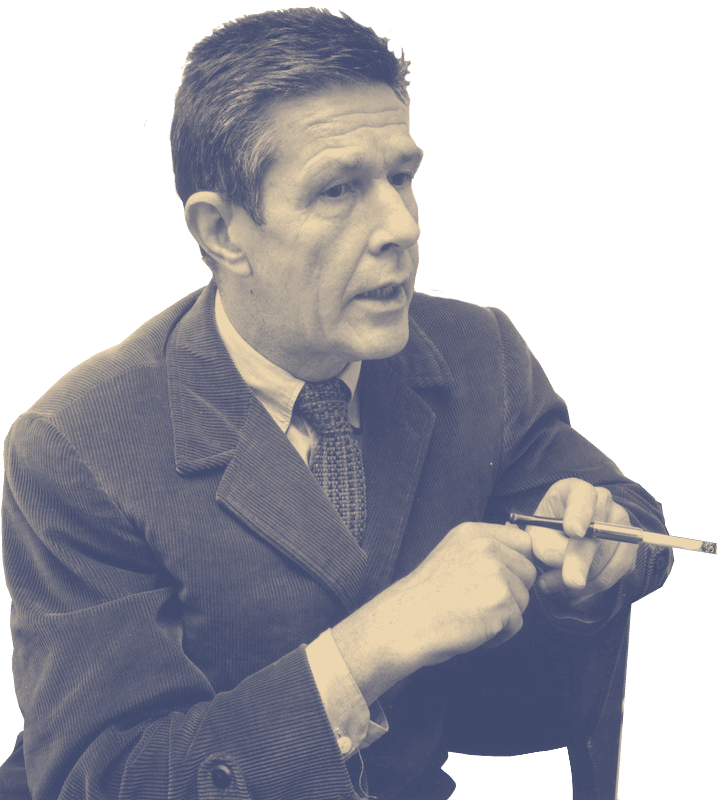
John Cage (1912 to 1992) was an American composer, writer, philosopher and printmaker, and the figure who did most to widen the idea of what music can be. Educated in California and on a study tour of Europe, he studied with Henry Cowell and Arnold Schoenberg, gave up painting for music in 1934 and in 1940 devised the prepared piano, inserting bolts and rubber between the strings so that one instrument became a percussion orchestra. From Music of Changes (1951) he composed with chance operations drawn from the I Ching, so that his own taste would no longer decide the notes, and with 4'33" (1952) he framed silence and the sounds around it as a piece.
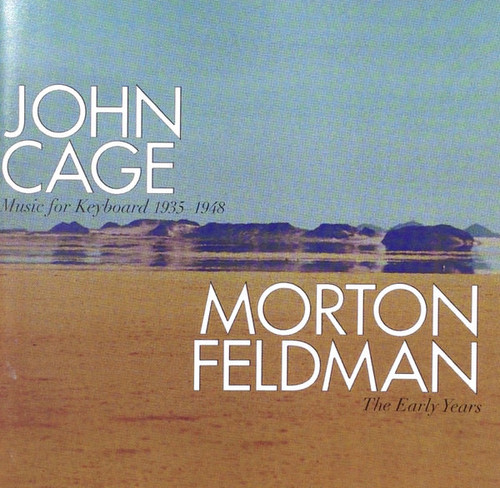
Music For Keyboard 1935-1948 / The Early Years
This double-CD set combines two of the key titles of Columbia Records's legendary "Music of Our Time" series curated by David Behrman. Jeanne Kirstein's recording of Cage's early keyboard works remains a touchstone of Cagean interpretation notwith…
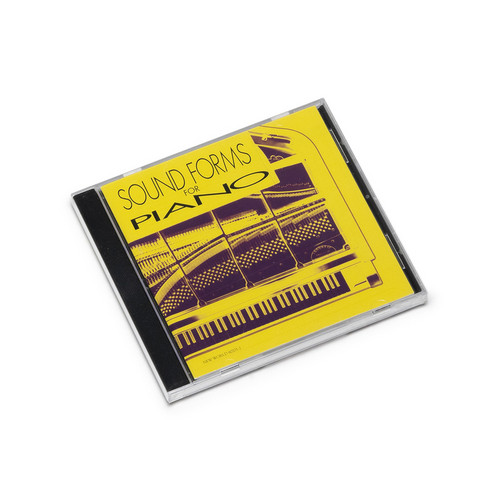
Sound Forms for Piano: Cage/ Cowell/ Johnston/ Nancarrow
“... in the past, the point of disagreement has been between dissonance and consonance, it will be, in the immediate future, between noise and so-called musical sounds.” — John Cage  The most characteristic features of American music are its eclectic…
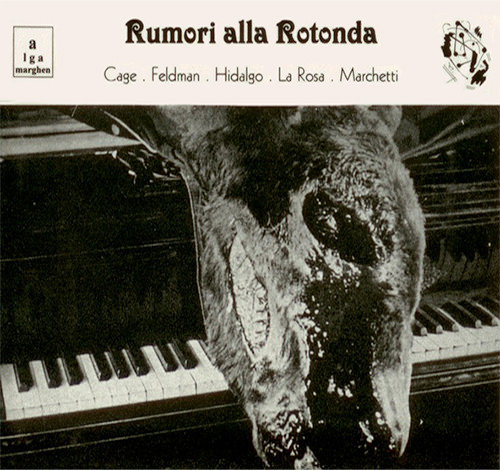
Rumori alla Rotonda
Live recording at the Rotonda del Pellegrini, Milan, January 21st, 1959 featuring John Cage, Morton Feldman, Juan Hidalgo, Leopoldo La Rosa, and Walter Marchetti. Among all the events involving John Cage during the long stay in Europe that followed h…
Silent Pieces - Live At Dacapo II
1995 release ** Special members-only edition for the sponsors' circle of dacapo. Music by: Anton Webern, Morton Feldman, John Cage, Hans Otte, Malcolm Goldstein, Dietrich Eichmann, Yoshikazu Iwamoto.
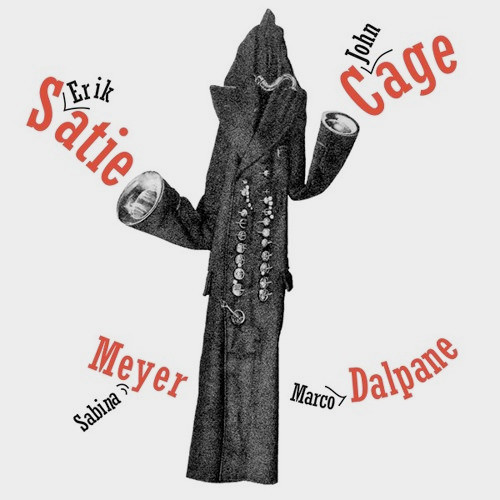
Cabaret per Nulla
This album comes from the love for Music. Contemporary music, but also Songs. From the love for History and People. From the observation of a stage before and after a concert. And from Friendship and Collaboration.Erik Satie and John Cage were two mu…
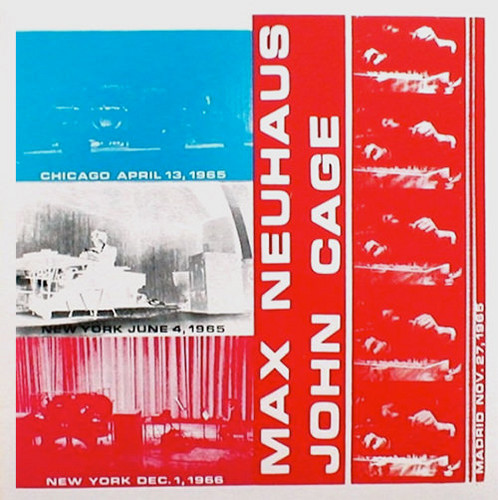
Fontana mix-feed
Rare and now long out of print LP, originally released on Mass Art, performed and realized by Max Neuhaus.  Technically, this LP consists of four realizations of John Cage’s 1958 Fontana Mix, an indeterminate graphic score originally intended to be …
Freeman Etudes, Books One and Two
John Cage's Freeman Etudes, Books 1 and 2 (the first sixteen etudes for solo violin), played by Irvine Arditti at blistering speed under the composer's supervision.
The Piano Works 7 - Chess Serenade
First recording of John Cage's Chess Pieces (1944), rediscovered in a painting and transcribed by Margaret Leng Tan, with her recording of Sonatas and Interludes and the first recording of Vittorio Rieti's Chess Serenade.
Sonatas and Interludes
This landmark recording of John Cage’s prepared piano works performed by Mario Bertoncini was recorded back in December 1991. The sonatas are divided into four groups, each divided by the less overtly structured, rhapsodic interlude pieces. Bertoncin…
The Piano Works 2 - Sonatas And Interludes For Prepared Piano
John Cage's Sonatas and Interludes for prepared piano played by Philipp Vandré, the first recording on a Steinway “O”-type baby grand, the piano Cage composed on, with corrections to discrepancies in the printed score.
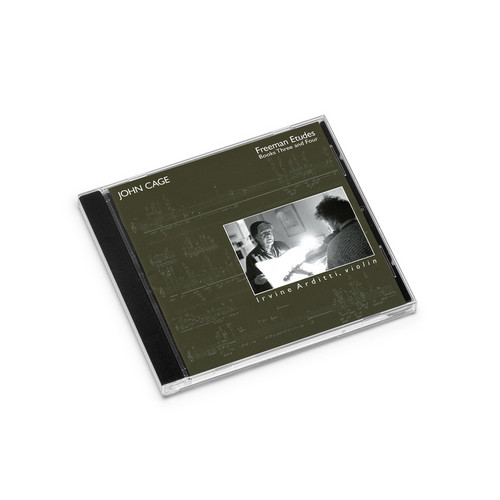
Freeman Etudes, Books Three And Four
First recording of the second half of John Cage's Freeman Etudes for violin, Books Three and Four, played by Irvine Arditti, the second release in his traversal of Cage's complete violin works for Mode. Released 1989.
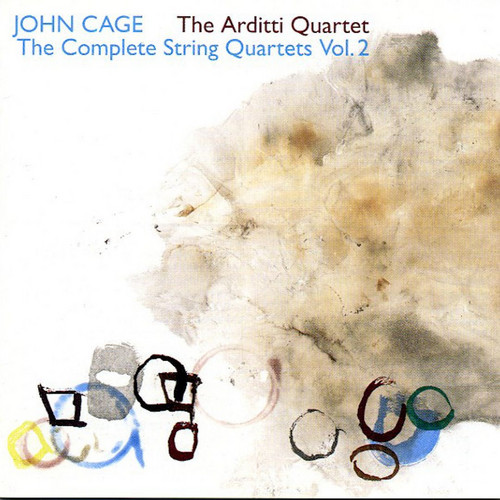
Complete string quartets, volume 2
Two string quartets by John Cage played by the Arditti Quartet: String Quartet in Four Parts (1949-50), in a new recording, and Four (1989), a first recording written for the ensemble. Composer-supervised sessions.
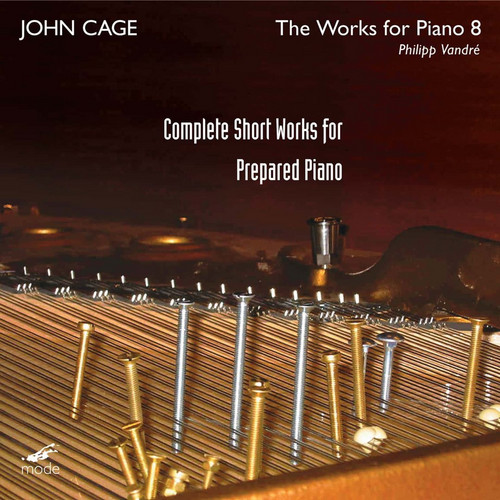
Complete Short Works for Prepared Piano
All of John Cage's short works for prepared piano on two CDs, everything except Sonatas and Interludes, played by Philipp Vandré.
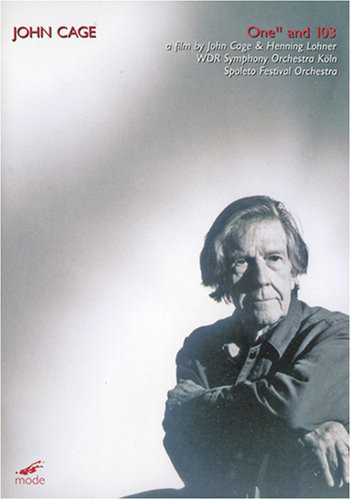
One11 And 103
First commercial release of John Cage's only major film, One11 (1992), directed by Henning Lohner, with the orchestral work 103 as soundtrack in two performances (WDR Sinfonieorchester Köln, Spoleto Festival Orchestra), plus a documentary and an inte…
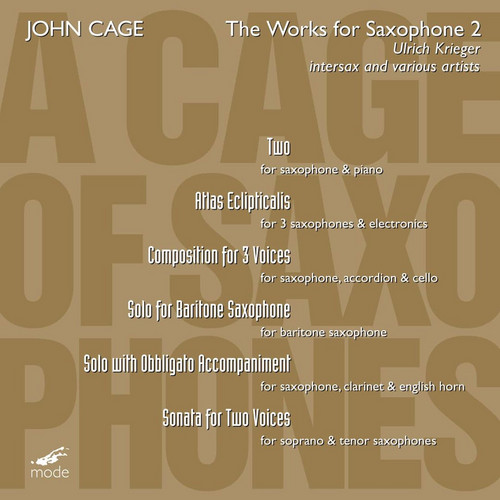
A Cage of Saxophones 2
Second volume of John Cage works for saxophones, played by Ulrich Krieger and his ensemble: early pieces of unspecified instrumentation, saxophone parts drawn from Atlas Eclipticalis and Concert for Piano and Orchestra, and the first saxophone versio…
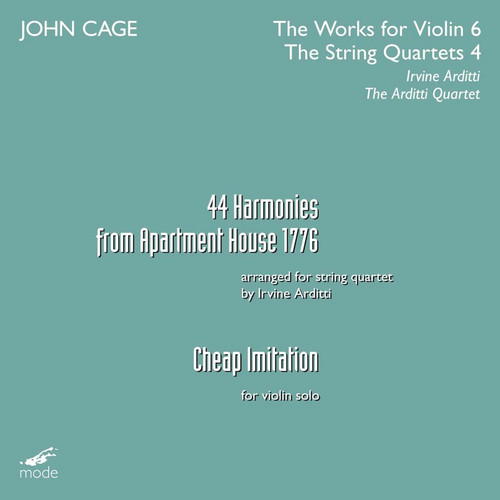
44 Harmonies from Apartment House 1776
First recording of all 44 Harmonies from Cage's Apartment House 1776, arranged for string quartet by Irvine Arditti and played by the Arditti Quartet, with Arditti's solo violin performance of Cheap Imitation.
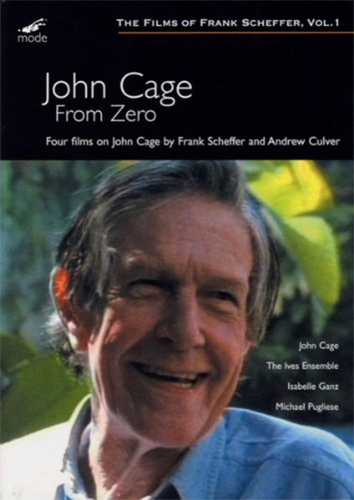
From Zero
Four films on John Cage by Frank Scheffer and Andrew Culver, gathered as From Zero: 19 Questions, Fourteen with the Ives Ensemble, Paying Attention and Overpopulation and Art with Ryoanji, plus extras.
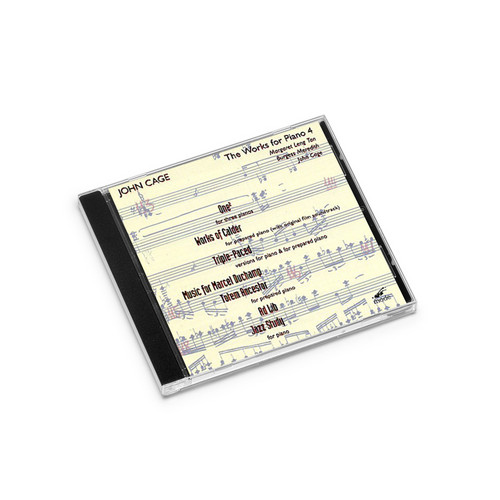
The Works for Piano 4
Piano works by John Cage played by Margaret Leng Tan: 1940s pieces found at his publisher including Triple-Paced, Ad Lib and Jazz Study, the Works of Calder film score, and One2 for three pianos.
Atlas eclipticalis / 103
Two live, unedited performances of Cage's orchestral music: "At last Eclipticalis With Winter Music" (recorded 5/19/93, performed by The Orchestra of the SEM Ensemble, conducted by Petr Kotick, piano by David Tudor) and "103" (recorded 11/21/98, perf…
Empty words (parte III)
John Cage's empty words is something of an epic in reverse: a diminutive vocal exercise divided into four distinct parts that gradually breaks down the writings on sound from Henry David Thoreau's Journal into pure vocalise. Disarticulated, distended…
1 2 7 8 9 10 11 12 13