Klaus Wiese
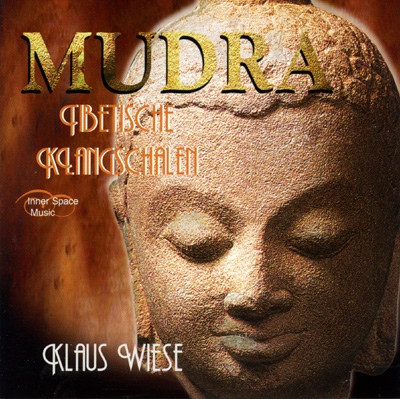
Klaus Wiese (1942 to 2009) was a German musician, minimalist and multi-instrumentalist, and a master of the Tibetan singing bowl, around which he built an extensive series of albums of slowly breathing overtones. He also used the human voice, the zither, Persian stringed instruments, chimes and other instruments from Asia and the Middle East, always in the service of stillness rather than display. In the early 1970s he played tambura on Popol Vuh's Hosianna Mantra and the records that followed, and that devotional strand never left his music.
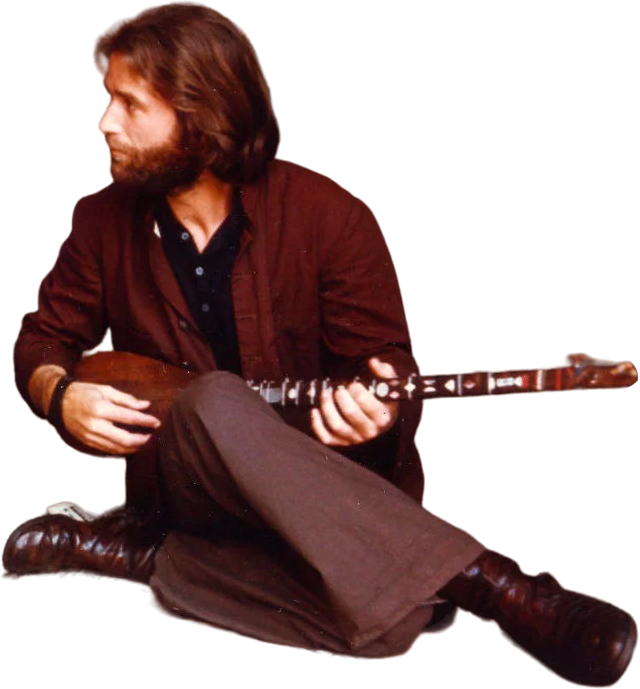
Klaus Wiese (1942 to 2009) was a German musician, minimalist and multi-instrumentalist, and a master of the Tibetan singing bowl, around which he built an extensive series of albums of slowly breathing overtones. He also used the human voice, the zither, Persian stringed instruments, chimes and other instruments from Asia and the Middle East, always in the service of stillness rather than display. In the early 1970s he played tambura on Popol Vuh's Hosianna Mantra and the records that followed, and that devotional strand never left his music.