Back in stock
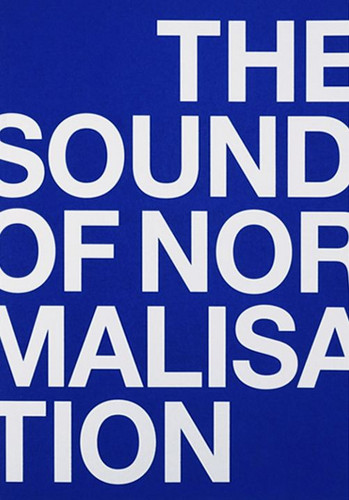
The Sound of Normalisation
**300 copies** The project The Sound of Normalisation is a collection of audio recordings documenting the sound culture of the ultras group Brescia 1911 in relation to modern football and the wave of repressive measures targeted at organised supporters groups. The recordings were made over a period of fifteen years and cover: 1) the creation, uses and meanings of the chants; 2) group principles and collective identity; 3) audience participation and the process of social exclusion from the stadiu…
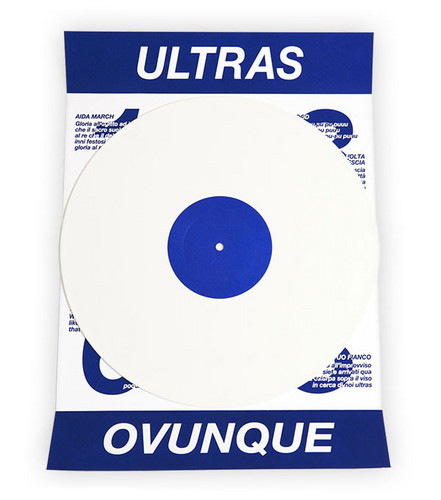
Ultras Mashup
**Edition of 200 copies, on white vinyl** Ultras Mash Up is a series of audio tracks in which recordings of football chants are mixed with the original songs they are based on. The work reflects on the musical aspects of football supporters’ culture and supporters’ practice of creation through appropriation. The work ines football supporters’ repurposed versions of Giuseppe Verdi’s opera theme Aida, Jewish traditional song from Psalm 23 Gam Gam, Marcella Bella’s 1972 Sanremo Festival success Mon…

New Earth
Another energy jump from the iconic noise trio New Monuments. Featuring Borbetomagus's Don Dietrich on saxophone, violinist/vocalist C. Spencer Yeh, and Graveyards drummer Ben Hall. New Earth sounds like someone stepped on a copy of Mahavishnu Orchestra's "Birds of Fire", put it on the turntable, loved what they heard, and pressed it into a CD. Pure spontaneous music from three of the heaviest in contemporary music
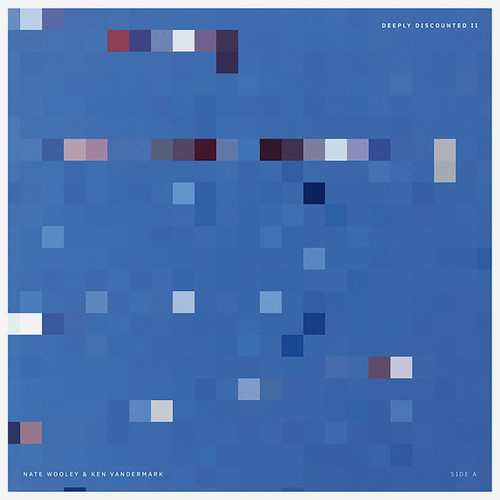
Deeply Discounted II / Sequences of Snow
**500 copies** This latest album is an exciting new statement from the duo, featuring long-form compositions for the first time, written specifically for the LP format and developed while touring in North America during 2017. Nate Wooley's piece, Deeply Discounted II, is inspired by John Cage's Cheap Imitation which, in turn, was inspired by Erik Satie's, Socrate. Ken Vandermark's composition, Sequences of Snow, is dedicated to the visual artist and musician, Michael Snow, and was influenced by …

The Yellow Princess
Re-mastered from the original analogue master tapes, pressed on 180 gram . Remastered edition, ultralimited and, unfortunately, pricey/ originally released in either 1968 or 1969 depending on your sources, The Yellow Princess saw a post-philosophy degree, subculture-aware John Fahey branching out from his earlier, more traditional work. He earned his name back in 1959 at the age of 20, with his Blind Joe Death debut album. Following that album Fahey engaged in a wide stylistic range, from Appala…

Dilijans
**1000 copies** We’re proud to introduce the new Superfly reissue of mind-blowing session of Spiritual Jazz recorded in NYC in 1984 led by Haitian genius Alix Pascal blending traditional Rara elements with modal / spiritual melodies. Fantastic listen all through, stand out for us is Tribilasyon. As usual, beautiful quality repress with paste on covers made in Japan, Obi and 180grs vinyl. "Mystical, otherworldly, Haitian Rrara and Vodun Funk from composer Alix Pascal. Under the group Ayizan, Alix…

A Une Gorge
**300 copies, offset printed covers** First album of the french trio composed of Sourdure, Elg and Clément Vercelletto, as well as a new snapshot of an extended family that is doing so much at the moment to enrich the French musical landscape. A collective of musicians spanning central and southern French regions including Auvergne, Rhône-Alpes and Limousin, with a self-appointed mission to refresh French folk music and the instruments associated with it, irrigating traditional songs via experim…
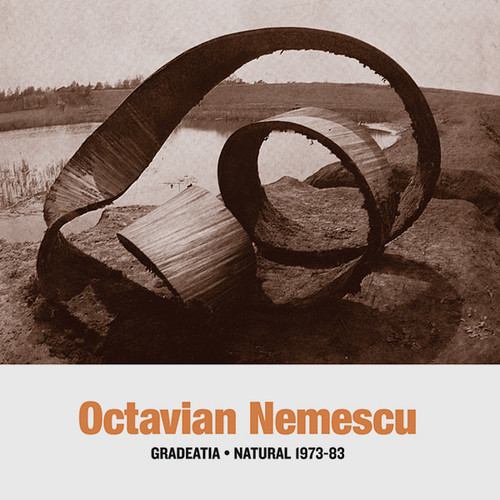
Gradeatia * Natural 1973-83
LP version. Finally available to a wider audience, here we have Octavian Nemescu's incredible music with this genuinely dark, ethereal quality that equally stems from his explorative naivety and a taste for evocative tone and structure, resulting in a phantastic sound which stands out from its era and has since fed forward into contemporary music. On this album we find two of his seminal works, pieces of ultra-vivid, immersive sound: Gradeatia composed in 1982, this piece was commissioned by the…
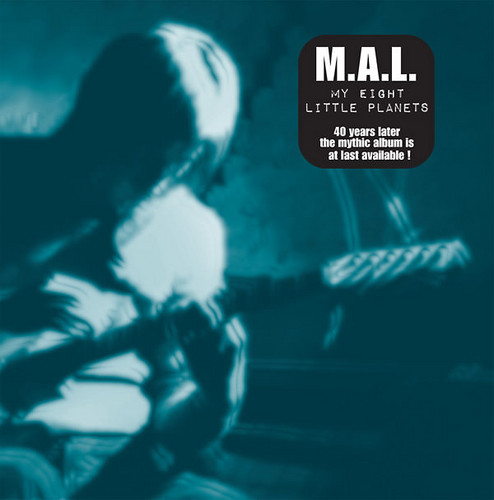
My Eight Little Planets
LP version. 40 years later the mythic album is available!Lies of omission and appropriations. The story of a magneti c tape that contained a trade secret. Four decades after My Sixteen Little Planets's release (on OHR, 1975), Inventions For Electric Guitar, the solo debut by Ash Ra Temple guitarist Manuel Göttsching, is now a classic, an undisputed worldwide reference. Inventions was made using only an electric guitar and a simple four-track tape recorder. Inventions was the challenge, and so wa…
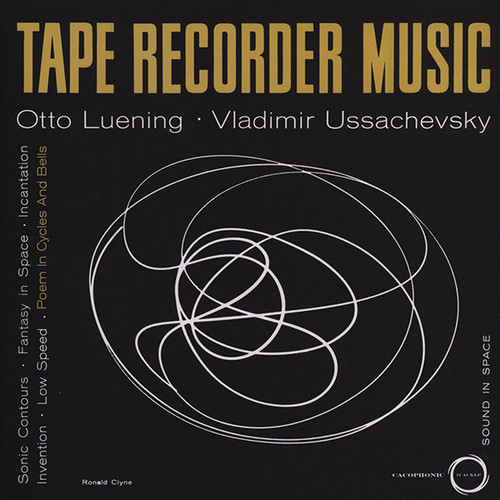
Tape Recorder Music
Originally released in 1955. One of the very earliest and most important examples of electronic tape music to be pressed on vinyl (alongside the Radiodiffusion-Télévision Française musique concrète compilations in France and Jim Fassett's comedic 1953 Strange to Your Ears novelty record), this privately pressed 1955 10" was released on a one-off label owned by businessman Gene Bruck to document a custom-made performance at the Museum of Modern Art in New York in 1952. This facsimile edition of t…
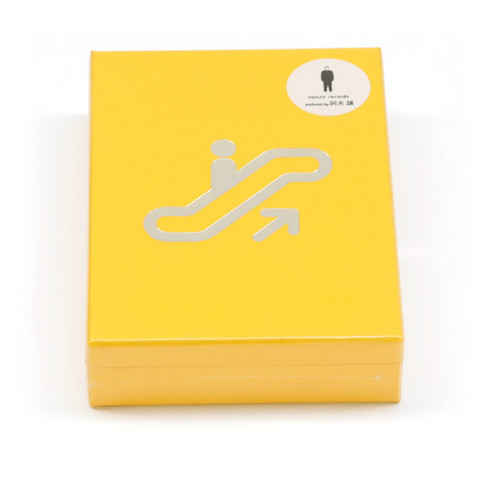
Vanity Box - Music Is Up and Down
**500 copies** The Vanity Records box sets present a comprehensive anthology of releases by legendary Japanese DIY label Vanity, active in the late 70s and early 80s. It was conceived by Studio Warp, in collaboration with Agi Yuzuru and the whole roster of artists involved with Vanity. Eight years in the making, the limited edition project is finally seeing the light of day on October 21st 2019, with distribution duties handled by Kyou Records in Japan and WRWTFWW Records in the rest of the worl…

Realejo
Black Truffle is pleased to present Realejo, the first vinyl release from Brazilian sound artist and composer Manuel Pessôa de Lima. Having composed works for diverse contexts including cinema, contemporary dance, theatre and television, Lima’s live appearances often take the form of self-reflexive lecture performances that combine electro-acoustic sound, red light, video and spoken text, moving unpredictably from the hilarious to the distressing.Realejo consists of two side-long pieces of highl…
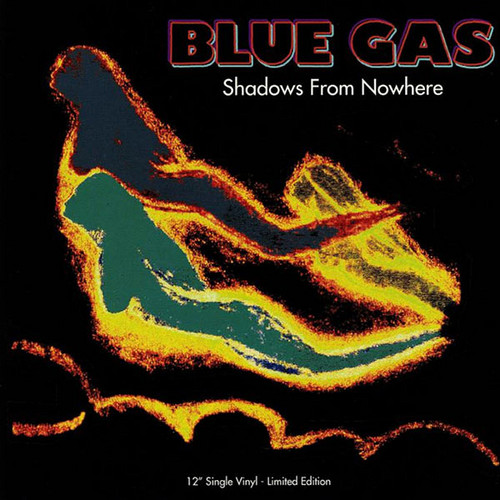
Shadows From Nowhere
Finally back again! This Reissue is dedicated to the 1983 so rare mix of the Balearic / Italo-Disco pure bliss Shadows From Nowhere by Blue Gas / Celso Valli, recorded at the famous Stone Castle Studios (Carimate, Italy). Includes the original 12" 1983 versions (Shadows From Nowhere and Marie) for collectors and aficionados, and an extended edit by Danilo Braca for the Balearic Heads.

Un/finished Musics
Coil’s unearthly garden continues to bloom posthumously with the Astral Disaster Sessions - including a whole bunch of previously unreleased and rare cuts from the Un/finished Musics recordings finally seeing the light of day, transferred from analogue tapes onto Gary Ramon’s Prescription label a year after the remastered original sessions crept out on vinyl reissue. Notoriously recorded in the former debtors prison-turned-Iron Maiden studio beneath the River Thames, on Samhain, 1998, the Astral…
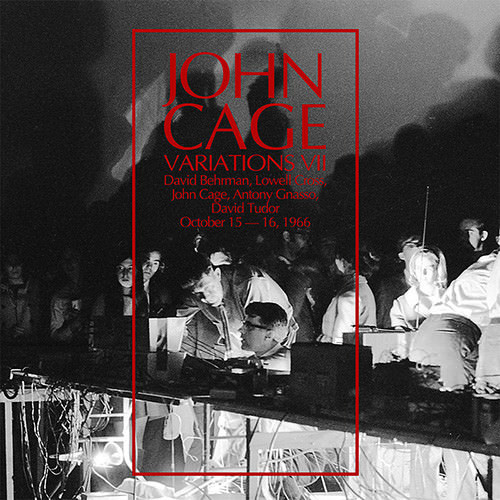
Variations VII - 9 Evenings: Theatre & Engineering
Stunning! In late 1965, Billy Klüver, a research engineer at Bell Telephone Laboratories, arranged for ten New York artists -- John Cage, Lucinda Childs, Öyvind Fahlström, Alex Hay, Deborah Hay, Steve Paxton, Yvonne Rainer, Robert Rauschenberg, David Tudor and Robert Whitman -- to meet with a group of his fellow engineers and scientists from Bell Laboratories to work together to develop technical equipment to be used as an integral part of the artists’ performances. 9 Evenings: Theatre & Enginee…
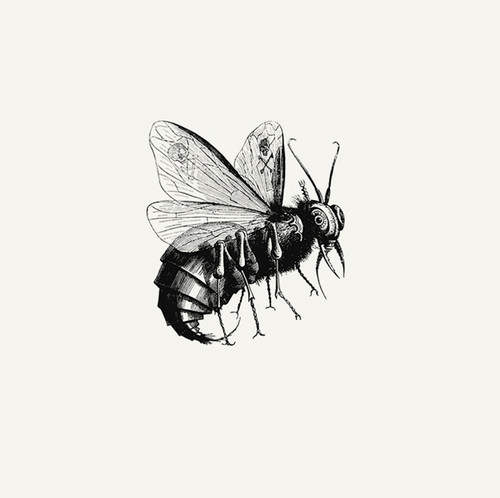
Beelzebub
**Edition of 100 copies** A text and sound work released on 12” vinyl based on near-field recordings of febrile flies combined with texts by both Tobias R. Kirstein and Kasper Opstrup who researches on the occult, magic and radical countercultural movements. Originally a Philistine god, Beelzebub became a major demon in the Abrahamic religions. In Christianity, he is often portrayed as one of the seven princes of Hell, commonly representing Gluttony. Literally, the name translates according to t…
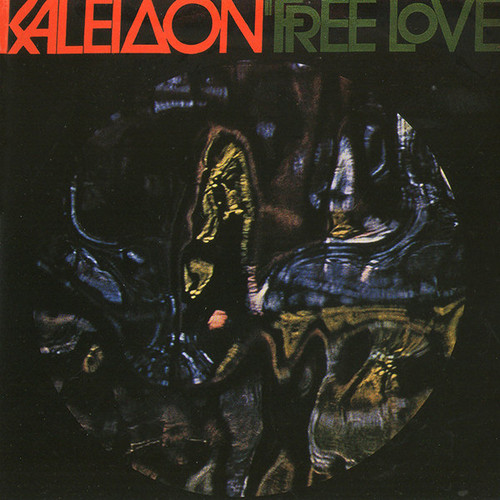
Free Love
"Free Love", the only LP ever released by Kaleidon, is one of the many 'forgotten ones' from the Italian progressive rock era. The title "Free Love" takes its name from the eponymous band, 3/5 of which were North American musicians living in Italy. Free Love released two 45rpm's in 1970; the first one, "Sandy / Temple of Stone", highlights the remarkable ability of each individual component, if we also consider their young age. The second single contains the theme of the movie western "Roy Colt …
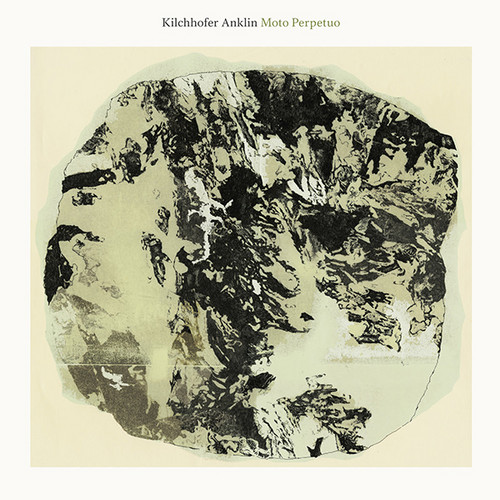
Moto Perpetuo
This is killer. Marionette starts off 2019 with an extremely special collaboration record by Kilchhofer and Anklin, titled Moto Perpetuo. Michael Anklin is a drummer and percussionist based in Switzerland. He’s involved in various bands, collaborations and interdisciplinary projects. Anklin has previously appeared on a few recordings from Kilchhofer's Album The Book Room. Kilchhofer uses his main instrument the modular synth in a more electroacoustic manner, where he derives and processes voltag…
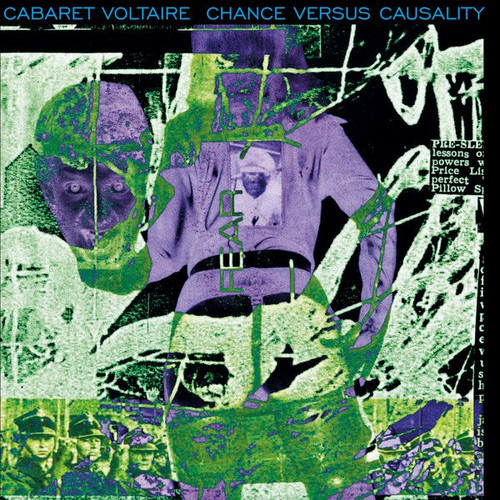
Chance Versus Causality
Back in ’79, when Chris Watson was still a member of Cabaret Voltaire, the industrial pioneers wrote the soundtrack for Babs Mondini’s 16mm flick, ‘Chance Versus Causality’. 40 years later the near-mythical recording finally resurfaces on Mute’s Grey Area, and is certain to send Cabs fans reelingAs the legend goes, Cabaret Voltaire’s Chris Watson, Richard H. Kirk and Stephen Mallinder mets Babs Mondini after their legendary ’79 Brussels Plan K show on a bill with Joy Division and William S. Burr…
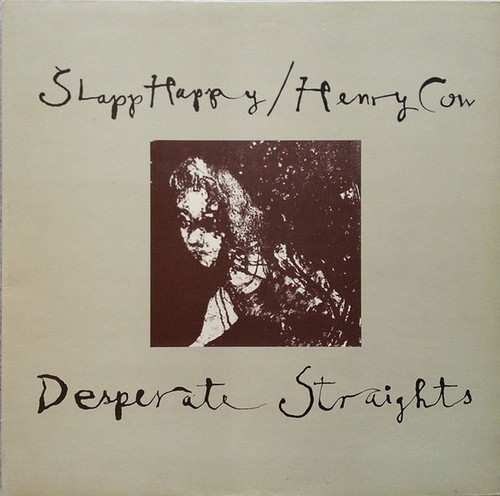
Desperate Straights
Desperate Straights was the first result of the historical meeting between Slapp Happy, the German/English Avant-Pop band and the apparently incompatible Henry Cow. Recorded at Virgin Record's Manor Studios in 1974 and properly re-mastered by Bob Drake, Desperate Straights stands as a real piece of Art from another time. A full set of great songs, including gems like "Bad Alchemy" and "Apes in Capes", arranged and performed by an amazing collective featuring Dagmar Krause's unique voice, Peter B…