Back in stock
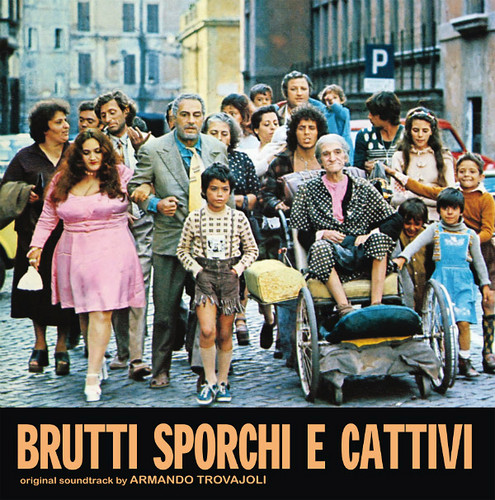
Brutti, Sporchi E Cattivi
Goodfellas present a reissue of Armando Trovajoli's soundtrack for Brutti, Sporchi E Cattivi, originally released in 1976. The soundtrack composed by Trovajoli - famous for standard jazz records, such as Trovajoli Jazz Piano (1959), and soundtracks, including 1973's Sesso Matto (SME 025LP), C'Eravamo Tanto Amati (1974), and The Beat Generation (1960), to name but a few - highlights the composer's skills in this amazing dark humor comedy directed by Ettore Scola. The movie was awarded the Prix de…
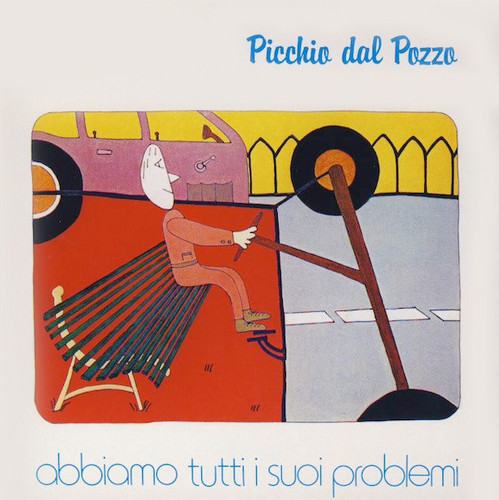
Abbiamo Tutti I Suoi Problemi
Picchio dal Pozzo is regarded as one of the most original, impressive and highly respected of all the experimental groups to have come out of Italy in the 1970s. They share their original label with Henry Cow's Concerts, and were early invitees to the canonical Recommended Sampler. Aldo De Scalzi, Andrea Beccari, Giorgio Karaghiosoff and Paulo Griguolo all met at infant school and began playing Teleman, Corelli, Bach and Mozart together in their school orchestra. In 1969, Aldo's brother, one of …
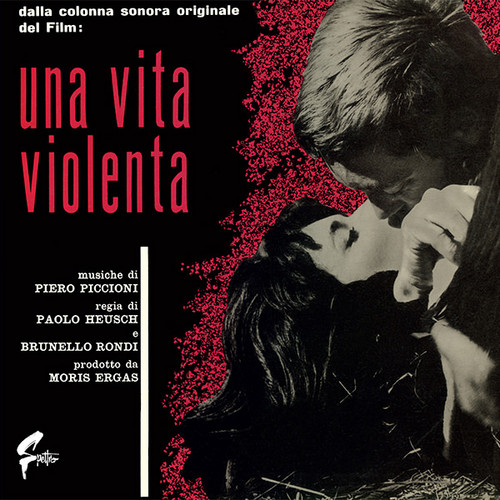
Una Vita Violenta
**First 200 on Red Splatter Vinyl** The dark jazz masterpiece by Piero Piccioni written for the film directed by Paolo Heusch in 1962, played by Franco Citti and taken from the novel under the same title written by Pier Paolo Pasolini. Produced and made by CAM on a rare and sophisticated LP, the music of Piero Piccioni for this film embraces the jazz big band's frantic pulsations, directed by the Master - who sits on the piano - with symphonism and the best popular Italian melodic tradition bras…
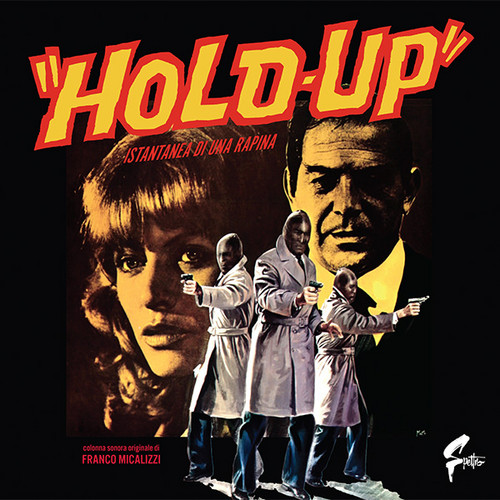
«Hold-Up» Istantanea Di Una Rapina
LP 180 Gram. Black vinyl edition. When you think about italian crime movies, one of the first names to get to your mind is probably Franco Micalizzi, great minds behind terrific and unforgettable works like Napoli violenta and Italia a mano armata. Through all is carrier, nonetheless, there’s room also for some less known, but still mentionable works. One of them is Hold Up, made up of dizzying escapes, funky breakbeat and some less frantic episode.
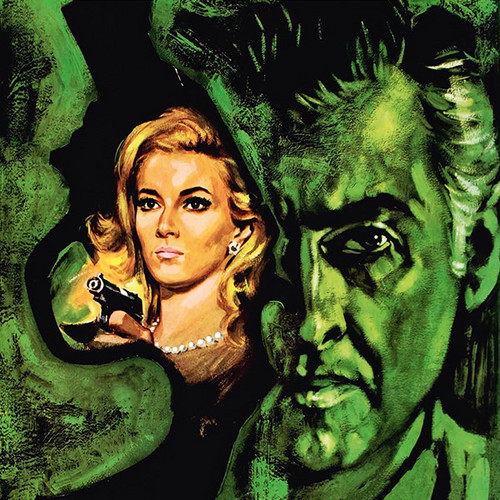
Requiem per un agente segreto
A groovy little soundtrack by the great Piero Umiliani! The score is for a b-grade spy film from the late 60s – starring Stewart Granger as (according to the notes) "a seasoned secret agent, but always ready to kiss and to bang!" A lot to live up to, we know – but Umiliani more than does the job, with a wonderful mix of tunes that run from Barry-esque Bond to swinging Milan, blending electric guitar, bubbling organ, and exotic themes into a 17 track package that sparkles with the best o…
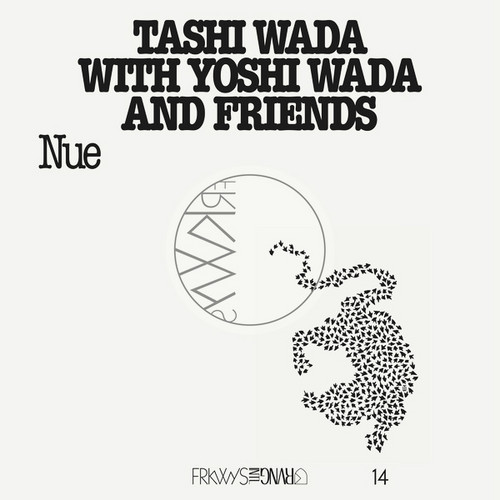
FRKWYS Vol. 14: Nue
Composer Tashi Wada has performed for years with his father Yoshi Wada—artist, composer, and early member of the Fluxus movement. However, they have rarely appeared together in studio settings. Nue, the fourteenth entry in RVNG Intl.’s intergenerational FRKWYS series, finally brings Tashi and Yoshi, along with an eclectic group of close friends and extended family, together on tape. Nue draws on aspects of Tashi’s background for his widest vision to date—among them the minimalist bagpipe music o…
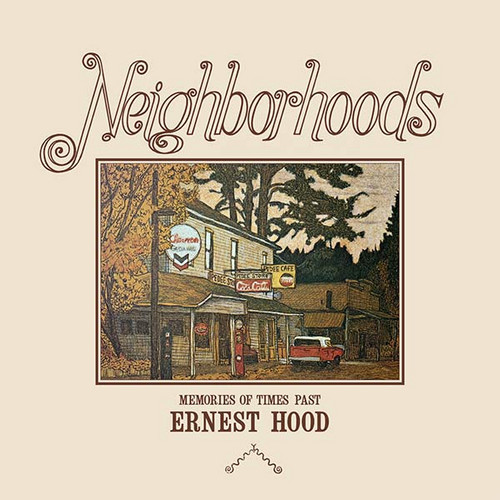
Neighborhoods
Ernest Hood’s Neighborhoods was released some two decades after the Portland, Oregon born and raised musician’s first forays into field recordings. These very recordings, and those captured over intervening years, define the universal sound and aural images of childhood, a theme memorialized by Hood’s privately-pressed opus of 1975.Sprawling through a haze of zither, synthesizer melodies, and foraged pedestrian sound, Neighborhoods is both a score and documentary composed and directed by Hood to…
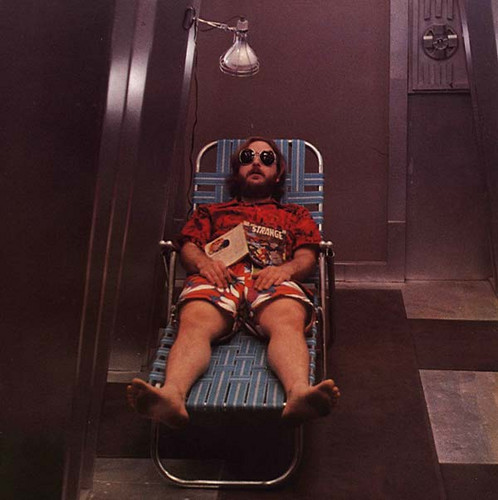
Dark Star (Expanded & Remastered) LP + 7"
An underground classic! Limited edition of 500. The original motion picture soundtrack for John Carpenter's Dark Star (1974), with added bonuses that are sure to satisfy all cult sci-fi soundtrack completists of the galaxy (and beyond). This limited-edition release includes an LP and a 7". The former is a remastered version of the original motion picture soundtrack consisting of incidental music, sound effects, John Carpenter's synth experimentations, dialogue excerpts, and vintage interferences…
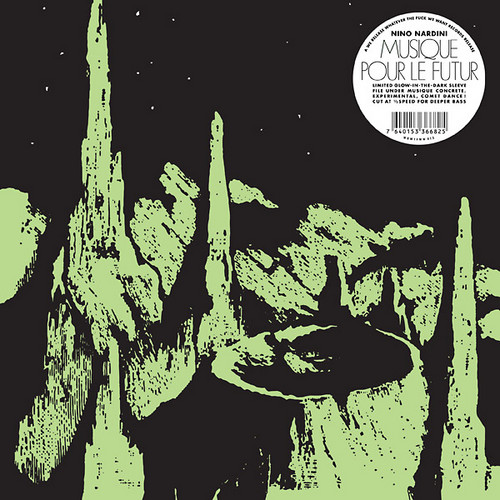
Musique Pour Le Futur
Restocked, reduced price. We Release Whatever The Fuck We Want Records present a reissue of Nino Nardini's e Musique Pour Le Futur, originally released in 1970. An experimental, musique concrete, sci-fi masterpiece, available for the first time since 1970. Originally recorded for Crea Sound Ltd., a sub-label of Louis Delacour's Neuilly imprint, Musique Pour Le Futur finds the French composer, arranger, producer, possible time-traveler, and all around music library legend Nino Nardini experimenti…
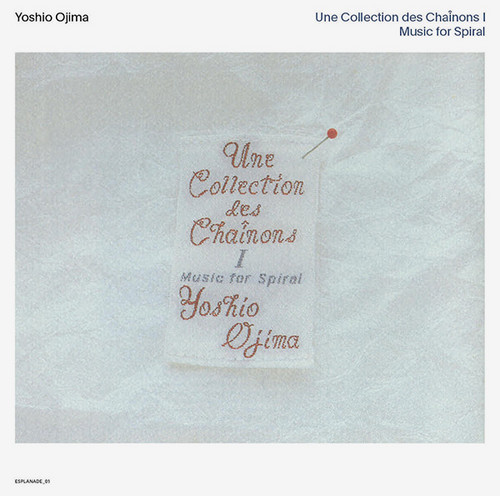
Une Collection des Chainons I: Music for Spiral
Volume One. WRWTFWW Records announce a reissue of both volumes of Yoshio Ojima's superb environmental music project Une Collection Des Chaînons I And II: Music For Spiral, originally released in 1988. The twenty-track opus is sourced from original masters and includes liner notes in English and Japanese. This marks the inaugural release from the Esplanade Series by WRWTFWW Records, which focuses on the works of Ojima and friends. Une Collection? gathers selected music pieces conceptualized and p…

Bells of Kyoto
Mitsuko & Svetlana Records present the first reissue of Bells Of Kyoto's self-titled album, originally released in 1984. Archival reissue of rare 1984 jazz-funk fusion diamond in the rough by German-Australian-British madcap ensemble Bells Of Kyoto, produced by Ollie Marland of De-Lite and Jah Wobble's Invaders Of The Heart fame. Fusions grooves with Orient-funk detours and looking out the window of a Swissair aircraft moments of cool mid 1980s contemplation. Highly recommended to porthole dream…

La Brûlure De Mille Soleils
Very Last Copies. Collector Edition. Silver Procédé Héliophore sleeve, made with the original Prospective 21e Siècle covers (the legendary series devoted to electroacoustic and avant-garde music curated by François Bayle and Pierre Henry begun in 1967). Limited to 100 copies. Previously unavailable and mind-blowing film scores by the late French composer and electronic music pioneer Bernard Parmegiani. Both drawn up for motion pictures by director Pierre Kast, 1965’s La Brûlure De Mille Soleils …

Le Cercle Rouge
We Release Jazz present the official reissue of Eric Demarsan's original soundtrack of Jean-Pierre Melville's 1970 film noir classic Le Cercle Rouge. The film stars Alain Delon, Bourvil, Gian Maria Volontè, and Yves Montand. This reissue includes four bonus tracks, not available on previous pressings of the album, Eric Demarsan's compositions for Le Cercle Rouge draw from the orchestral spirit of the Modern Jazz Quartet (as requested by Melville who loved John Lewis's work), abstraction, and min…
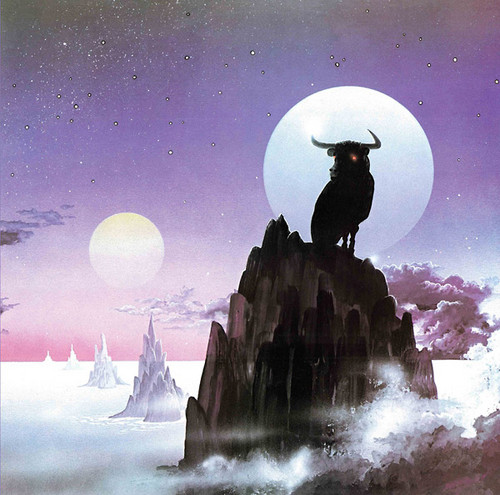
Voice Of Taurus
Restocked, reduced price. We Release Whatever The Fuck We Want Records present a reissue of the highly sought-after electronic/sci-fi disco/proto-techno/ambient masterpiece Voice Of Taurus by Swiss music pioneer and synth super wizard Bruno Spoerri, available on vinyl for the first time since its original release in 1978. Surrounded with a formidable family of legendary synthesizers, primitive modulators, and audio gear -- transformed and customized à la Spoerri --, armed with an extraordinary t…

Lingua Franca-1
LP version; in heavy 350 gram sleeve. WRWTFWW Records present the official reissue of cult album Lingua Franca-1 (originally released in 1983) by groundbreaking Kyoto band EP-4. Straight from the delirious minds of unconventional geniuses Kaoru Sato (who had previously released an album as R.N.A. Organism on legendary Osaka label Vanity Records) and Yuji "Banana" Kawashima, Lingua Franca-1 is a seamless voyage of spellbinding mutant funk grooves, joyful post-punk explorations, synth fantasies, s…
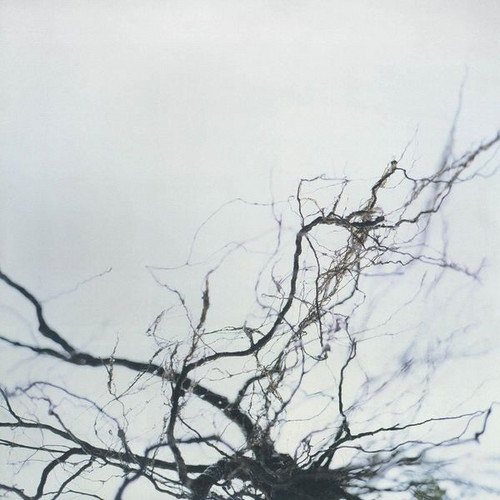
Nova + 4
Restocked, reduced price. WRWTFWW Records present an expanded reissue of one of the most fascinating Japanese ambient / environmental albums ever made, Nova by Yutaka Hirose, originally released in 1986. The expanded reissue includes the album known as Soundscape 2: Nova, sourced from its original masters, as well as four never-released-before recordings over 50 minutes. Initially released in 1986 as part of the Soundscape series. Commissioned by Misawa Home Corporation for use in their prefabri…

Les Soleils De L'Ile De Pâques
Collector Edition. Silver Procédé Héliophore sleeve, made with the original Prospective 21e Siècle covers (the legendary series devoted to electroacoustic and avant-garde music curated by François Bayle and Pierre Henry begun in 1967). Limited to 100 copies. Previously unavailable and mind-blowing film scores by the late French composer and electronic music pioneer Bernard Parmegiani. Both drawn up for motion pictures by director Pierre Kast, 1972’s Les Soleils de L’île de Pâques were far ahead …
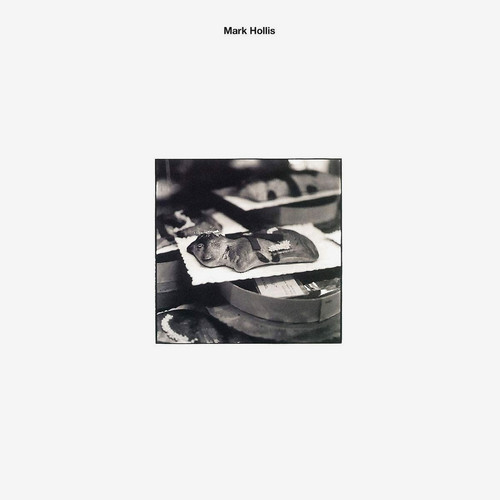
Mark Hollis
**180 gram vinyl** Following the sad passing of Mark Hollis earlier this year we all collectively turned back towards the impressive career arc of his band Talk Talk. Lesser referenced was his self-titled solo album released in 1998, which is now available again on vinyl.Despite being released as a solo album by Hollis, it was originally intended to be credited to Talk Talk, under the name Mountains of the Moon. A beautiful and haunting work, this album picks up where he left off with Talk Talk'…
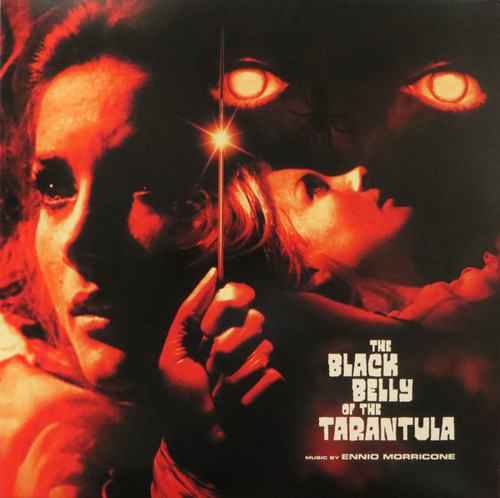
The Black Belly Of The Tarantula
Death Waltz Recording Company is proud to bring soundtrack fans a huge classic of Italian horror. With music by one of cinema’s greatest composers, Ennio Morricone, Paolo Cavara’s The Black Belly Of The Tarantula is considered one of the best gialli ever made. Starring celebrated genre actor Giancarlo Giannini, the terrifying film is about a homicide detective hunting down a psychotic killer who has been paralysing and slaughtering women just as the deadly Pepsis grossa – the Tarantula Hawk wasp…
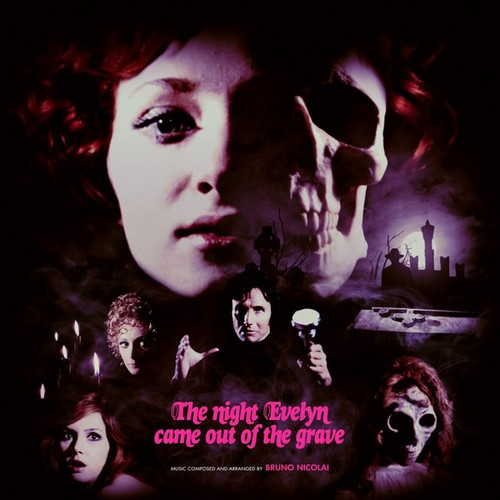
The Night Evelyn Came Out Of The Grave
Death Waltz Recording Company is proud to exhume another classic soundtrack from the world of horror cinema with Bruno Nicolai’s incredible score to the 1981 Emilio Miraglia giallo The Night Evelyn Came Out Of The Grave (aka La Notte Che Evelyn Usci Dalla Tomba). The film is as mad as its title; Evelyn is dead before it starts and her previously institutionalized husband Alan, who has begun to murder strippers as a form of therapy, is duped by his cousin who wants to rid of his heir. Oh, and the…