Back in stock
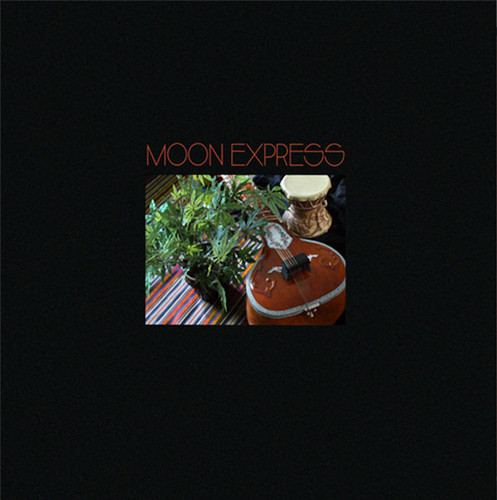
Prophetic Spirit
Blazing sitar and crazed percussion, a 50 year old mystery! Known only in legend from their appearance in 33 1/3 Revolutions Per Monkee, the Moon Express album finally arrives 50 years after its recording! Paul Arnold (mastermind behind The Inner Sounds Of The Id) and Tsvia & the Followers weave peculiar music that ebbs and flows with unusual time signatures, sonic baths of wild, exotic percussion and other fascinating and hypnotic sounds, all under Arnold's booming narratives and Tsvia Abarbane…
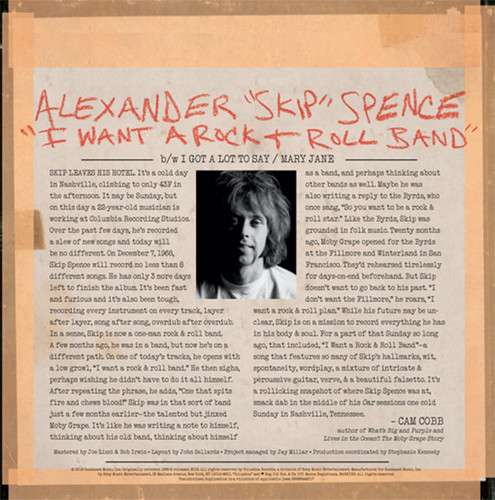
I Want A Rock & Roll Band / I Got A Lot To Say / Mary Jane
Skip Spence leaves his hotel. Its a cold day in Nashville, climbing to only 43 F in the afternoon. It may be Sunday, but on this day a 22-year-old musician is working at Columbia Recording Studios. Over the past few days, hes recorded a slew of new songs and today will be no different. On December 7, 1968, Skip Spence will record no less than 8 different songs. He has only 3 more days left to finish the album. It's been fast and furious and its also been tough, recording every instrument on ever…
Music for Films
Brian Eno's pioneering Ambient album from 1978. Standard 1 LP version. “Arguably the most quietly influential of all his works” according to the BBC, this conceptual record was intended as a soundtrack for imaginary films, with excerpts later featuring in movies by directors including John Woo and Derek Jarman.The album is a loose compilation of material, composed of short tracks ranging from one-and-a-half minutes to just over four, making it the antithesis of the long, ambient pieces he later …

4 Espaces Sonores
Transversales Disques present a reissue of Bernard Baschet and Michel Deneuve's 4 Espaces Sonores, originally released in 1982. Rare 1979 recording of Bernard Baschet performing on his Sound Sculptures. The Baschet brothers are known worldwide as creators of Sound Sculptures, fantastic shapes of molded metal and glass, which combine the visual arts with music. François Baschet had always been fascinated by acoustics, by the relationships between the shape and material of an instrument and the be…
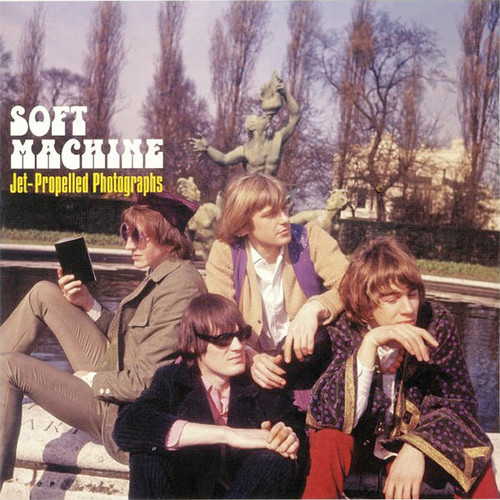
Jet-Propelled Photographs
Soft Machine formed in August 1966, although gigs under the name of Mister Head had been underway since May of that year. The band split up in December 1968, re-formed again in February 1969 and continued to perform throughout the 70’s. The original line-up (1966) consisted of Robert Wyatt on drums and vocals, Mike Ratledge on keyboards, Daevid Allen on guitar and Kevin Ayers on bass and vocals. For a brief time, American guitarist Larry Knowlin was also a member, but left after only a handful o…
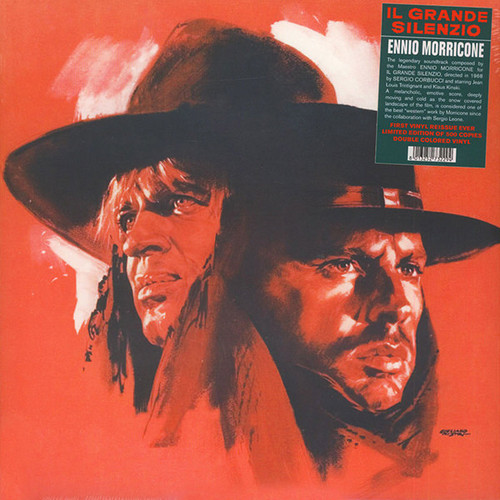
Il Grande Silenzio
2019 Repress. Ennio Morricone's legendary soundtrack for the 1968 film Il grande silenzio (The Great Silence), directed by Sergio Corbucci and starring Jean-Louis Trintignant and Klaus Kinski. This melancholic, emotive score, deeply moving and as cold as the snow-covered landscape of the film (an unusual stylistic choice for a Western), is considered one of the best Western works by Morricone since his collaborations with Sergio Leone for the classic Dollars Trilogy and Once Upon a Time in the W…
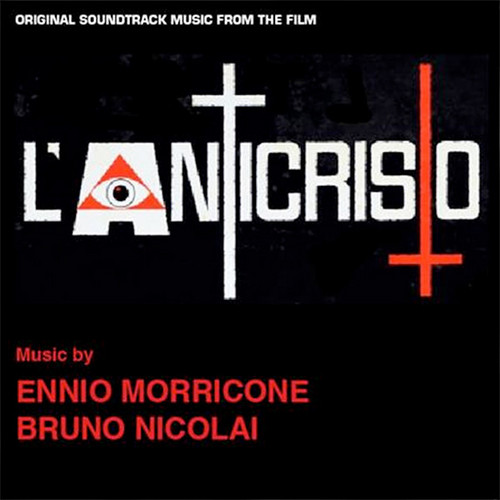
L'Anticristo
Original 7" replica. Limited edition of 500 (numbered). First vinyl reissue ever of this legendary soundtrack composed for the Alberto De Martino cult thriller by maestro Ennio Morricone and his longtime collaborator Bruno Nicolai. A rare chance to own one of the most obscure Exorcist rip-off's from the late 70's, totally immerse in the madness & horror of the leading female who is possessed by a demon.
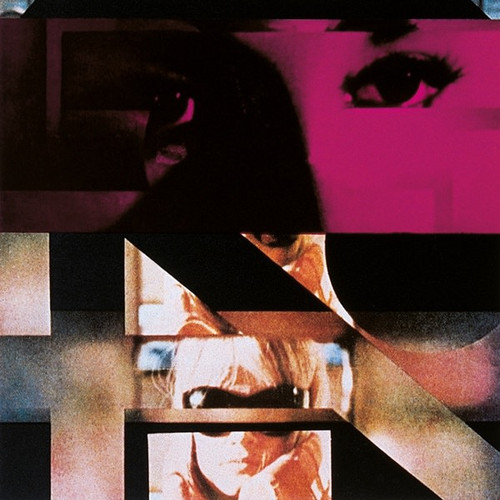
Perversion Story (Una Sull'altra)
The original soundtrack recording for this 1969 Italian thriller filmed in San Francisco by cult director Lucio Fulci. The movie has one of the best and most well-known scores written by the mighty Riz Ortolani. Groovy and jazzy and unlike many other Italian soundtracks. Limited edition pink vinyl; Special deluxe gatefold sleeve; Edition of 500.
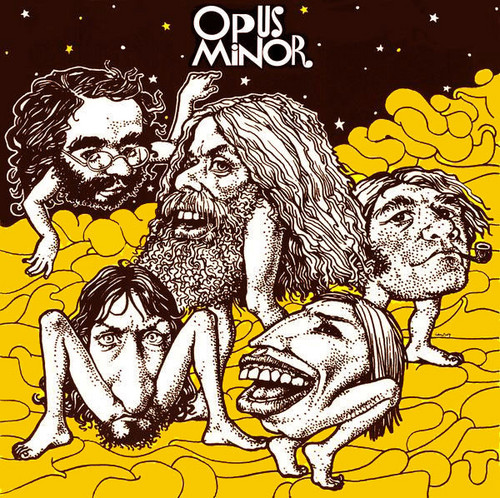
Opus Minor
Monster Mélodies presents an unpublished recording of Opus Minor, an underground Parisian group with undeniable musical qualities, who gave numerous concerts during its brief existence from 1970 to 1973 but never had the opportunity to publish its recordings. The record consists of an instrumental track, seven songs sung in French and three more songs in English, in which the band, beyond its influences, creates its own musical universe. In September 69, at the École Normale Supérieure of Cachan…
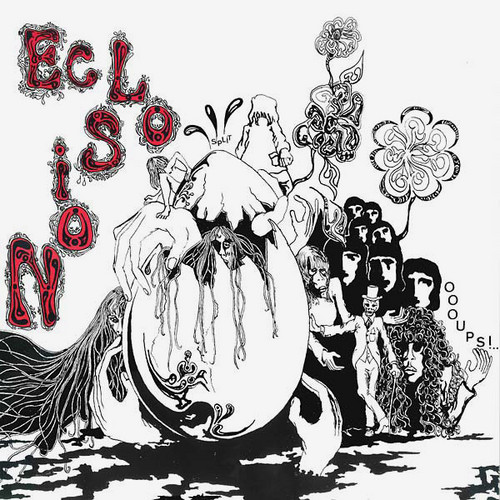
Eclosion
Never released side-project by Ame Son leader Marc Blanc. An intriguing, marvellous mixture of acid folk, electronic experiments, provocative lyrics & slam poetries and almost post rock stridence. As usual, Monster Melodies was not cheap on the bonuses: a beautiful fanzine is included, as well as a postcard insert (see the additional pictures). Strictly limited to 1000 numbered copies with transparent blue wax.Edited for the first time, the record (1000 copies only) is a blue vinyl presented in …
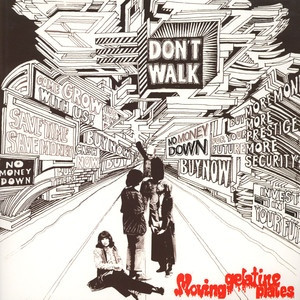
Movin Gelatine Plates
2015 release. This album contains previously unreleased versions recorded between 1970 and 1978 by the legendary (slightly experimental) psych/prog unit Moving Gelatine Plates. Edition of 1.000 copies on clear pink vinyl (gelatine colour) in a deluxe gatefold sleeve with flyer, family tree and postcard. This album includes a 7-inch record facsimile of the original acetate made in December 1970 (one copy) only with unreleased versions of 'X25' and 'London Cab'. These first recordings of the band …
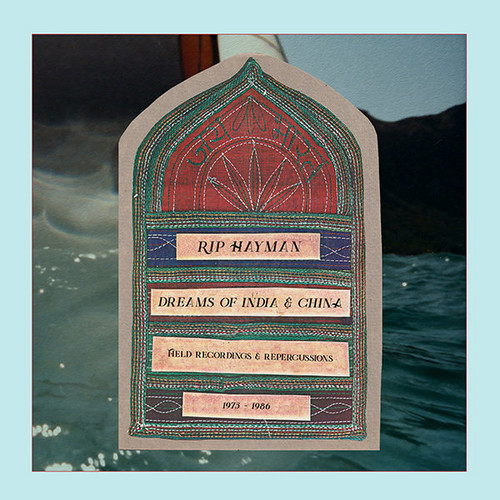
Dreams of India & China
**Edition of 500 copies, incl. 12 page booklet** Over the last few years, with its stream of stunning releases, delving into the outer reaches of sound art, poetry, and experimentalism, from seminal figures like Dick Higgins, Daniel Schmidt, Loren Connors, Sarah Davachi, Jackson Mac Low, Roger Eno, Annea Lockwood, François Dufrêne, and a great many more, the Los Angeles based imprint, Recital, has been hard to miss - a true force, shining light into the shadows of the past and present alike, sav…
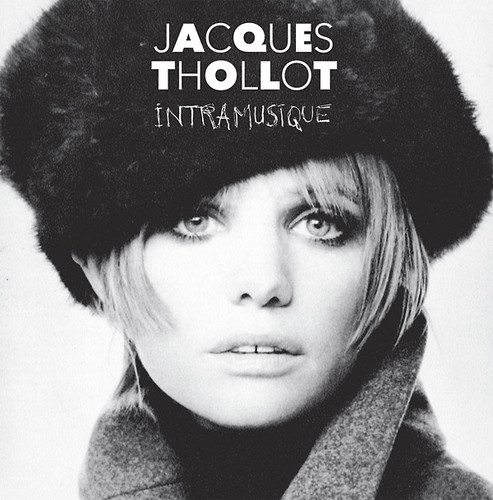
Intra Musique
Some of the earliest music from groundbreaking French drummer Jacques Thollot – and proof that right at the start, he was already in a unique space that was all his own! His first release, released on the Futura Records in 1971, is called "Quand Le Son Devient Aigu, Jeter La Giraffe A La Mer"; it is a splendid example of spacey-like, fragile and imaginative compositional style fusing jazz, electronic experiments, culminating in a blissful listening experience and it has earned Thollot the place …
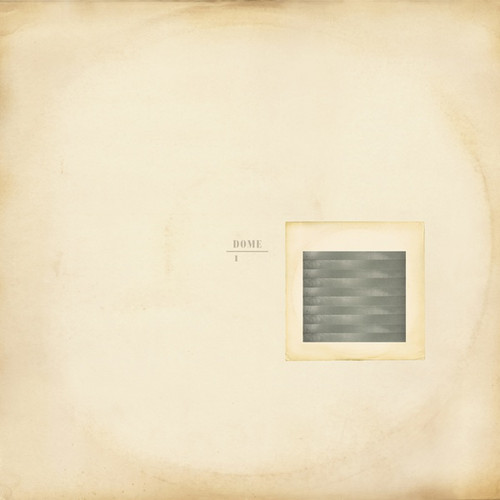
Dome 1
With the demise of the group Wire in 1980, founder members Bruce Gilbert and Graham Lewis joined forces to create Dome. With the assistance of engineer Eric Radcliffe and his Blackwing Studio Dome took the ethic of "using the studio as a compositional tool" and recorded and released three Dome albums on their own label in the space of 12 months: Dome (July 1980), Dome 2 (October 1980), and Dome 3 (October 1981). A final fourth album, Will You Speak This Word: Dome IV was released on the Norwegia…
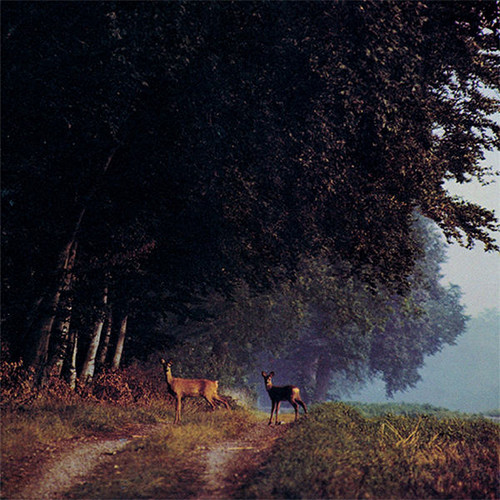
Svensk sommar i stilla frid
**Edition of 300 Copies **The 7 compositions on 'Svensk Sommar I Stilla Frid' further explores the home-brewed, on-thin-ice ambient hinted at on a few recent Arv & Miljö recordings. Mainly inspired by Anna Själv Tredje and perhaps the lesser sides of Ralph Lundsten and such, this is the Gothenburgian outsider synth album no one certainly ever asked for. While at this time around being somewhat fully rooted in a proposed tradition of Swedish new age electronics, an ongoing heavy obsession with Ne…
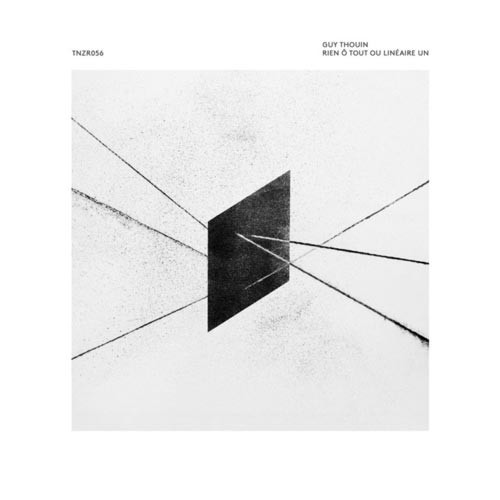
Rien ô tout ou linéaire un
Born in Montreal in 1940, Guy Thouin is a true original. He played drums in a variety of small bands prior to enrolling at Montreal’s School of Fine Arts where he studied sculpture and refined his understanding of the contemporary art world. By 1965, he had acquired a taste for all things experimental. Around then, he turned to collective improvisation – an experience that led him to explore free jazz and other forms of experimental music. He helped cofound Quatuor de jazz libre du Québec (1967)…
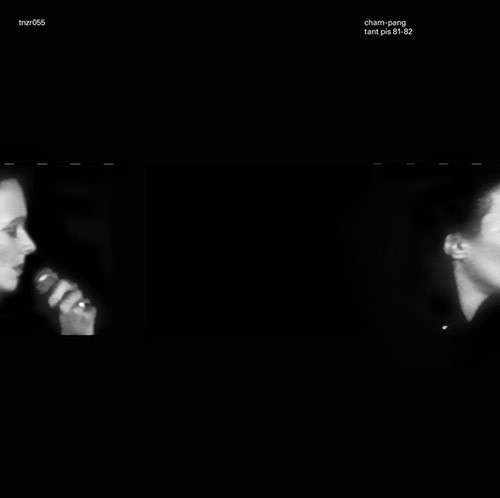
Tant pis 81-82
Best known as an electronic duo, Cham-pang became a fixture of the Montreal new wave scene in 1981 with the release of a two-song EP on YUL Records (“Tantum Ergo” b/w “Ne mourrez pas”). The session featured Men without Hats’ Allan McCarthy on electronics and Yvel Champagne on vocals, although the group also depended on contributions from Mario Spezza of Rational Youth and Pyer Desrochers. A multidisciplinary artist with a singular voice and an arresting presence, Champagne then joined force with…
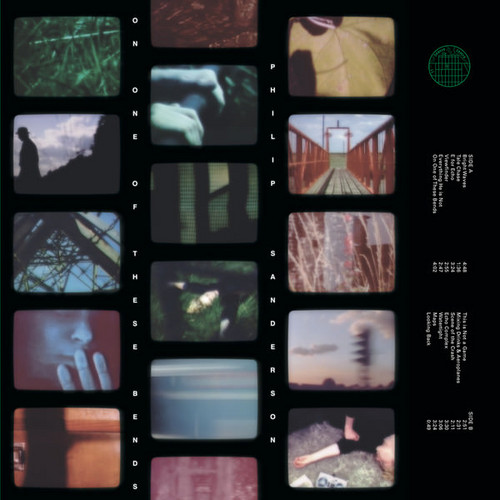
On One Of These Bends
By 1981, after four years of DIY electronics, it was time for a change. For Philip Sanderson that change came in the form of film. At first, requests came from friends for soundtrack work, and by the end of the decade he was making short experimental 8mm films himself. On One Of These Bends is a collection of unreleased songs, soundtrack work and obscure cassette-only pieces from the 80’s which reflect Philip’s shift in focus. It was a departure from the industrial music he had been making with …
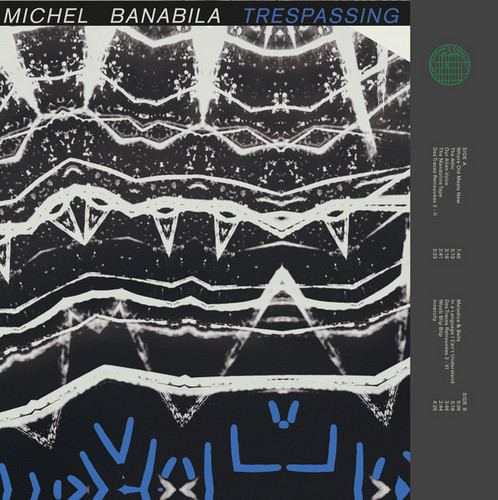
Trespassing / Marilli
The latest release on Canada's Seance Centre label focuses on the work of long-serving Dutch experimentalist Michel Banabila, gathering together examples of his "excursions into otherworldly and imagined realms". The first record boasts tracks recorded between 1987 and 2017, shuffling between humid, percussion-led workouts, exotic ambience, dark and creepy soundscapes and sticky electronic/acoustic fusion. The second record (clips of which are not featured here) replicates the track list of the …
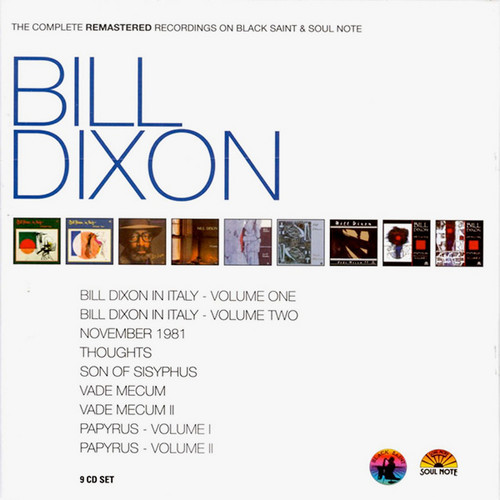
The Complete Remastered Recordings on Black Saint
A monographic box-set collection aimed at recounting the most beautiful chapters that revolutionised the history of jazz. This new series was launched in March 2010 with the simultaneous release of four box-sets, including albums by some of the artists who participated in the success of the outstanding labels. A philological work, beginning with the original recordings on multi-track master tapes, patiently integrally remastered paying strict attention to the sound quality. Bill Dixon organized …