Back in stock
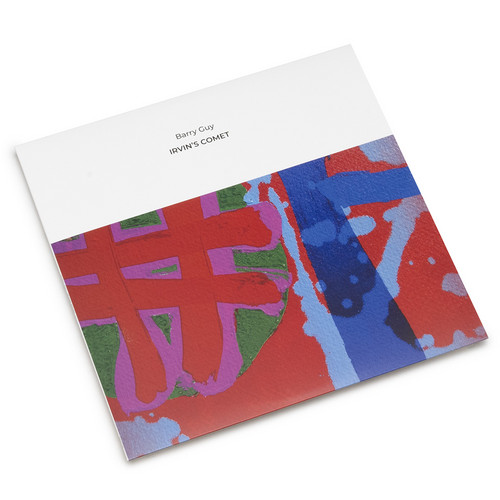
Irvin's Comet
300 copies. NoBusiness presents Irvin's Comet, a new set of solo bass recordings by Barry Guy, recorded 29th October, 2019 during Improdimensija (Improdimension) concert series dedicated to improvised music, located at MAMAstudios, Vilnius, Lithuania. Sound Engineer - Arūnas Zujus. Mixed and mastered by Arūnas Zujus at MAMAstudios. Original artwork - Albert Irvin, Comet, 1988 / Screenprint with woodblock, edition of 75, Advanced Graphics, London. Design by Oskaras Anosovas.
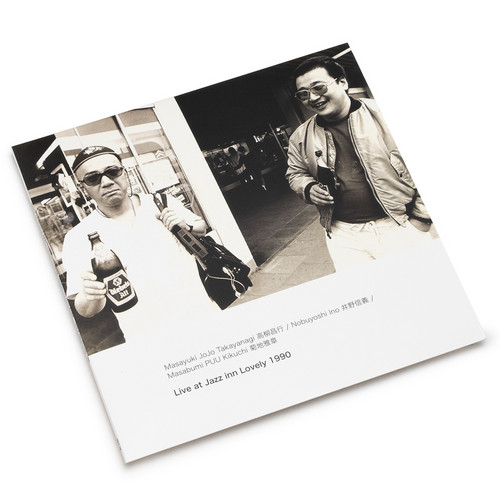
Live at Jazz Inn Lovely 1990
* 300 copies only * NoBusiness presents Live at Jazz inn Lovely 1990, a new set of recordings by Masayuki JoJo Takayanagi, Nobuyoshi Ino and Masabumi PUU Kikuchi Recorded live by Sony TC-DM at jazz inn Lovely, Nagoya, Japan, October 9th, 1990.
Track 1,4 & 5 improvised and composed by Masayuki JoJo Takayanagi, Nobuyoshi Ino and Masabumi PUU Kikuchi. Track 2 & 3 improvised and composed by Masayuki JoJo Takayanagi and Nobuyoshi Ino. Gigs produced by Katsuhiko Kawai 河合勝彦. Tapes provided by Koujiro T…
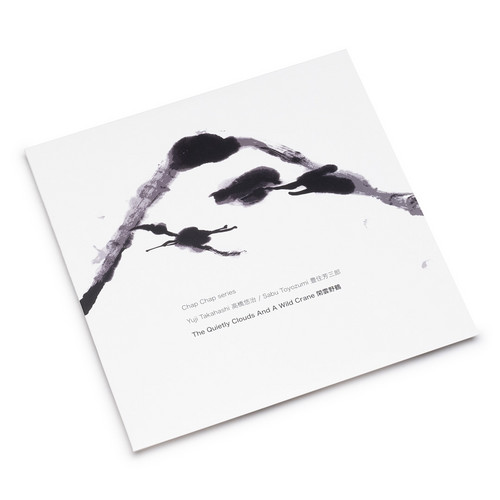
The Quietly Clouds And A Wild Crane
* Edition of 300 copies * This latest instalment from NoBusiness Records collaboration with the Japanese Chap Chap label under the name of Yuji Takahashi with Sabu Toyozumi constitutes a real find. A wonderfully mystic vernal episode of free improv music recorded in Tokyo, 1998. Piano and percussion album of the highest beauty, interactive on a telepathic level and execution. Yuji Takahashi is a Japanese avant-garde composer and pianist. In Japan he was by then already well established as leadin…
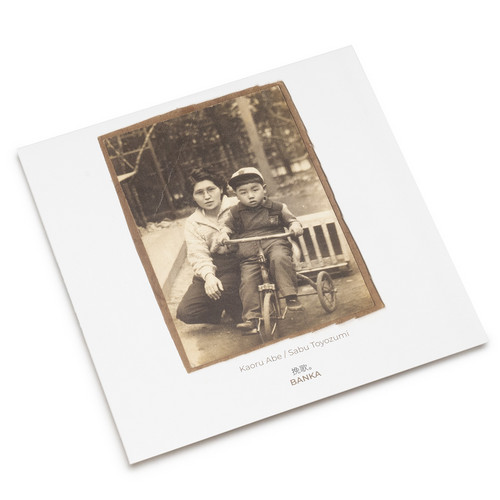
Banka
Japanese free/jazz sax legend, Kaoru Abe, dies at the age of only 29 in 1978, living a fast and crazy life and dieing of a drug overdose. His entire music career was only 10 years, from 1968 to 1978. In that short period, he was well recorded with around 30 releases, ten of which are solo sax efforts, duos with guitarist Masayuki Takayanagi, bassist Motoharu Yoshizawa and drummer Sabu Toyozumi. Mr. Abe also toured and recorded with Milford Graves, Derek Bailey and Toshinori Konda in 1977 & 1978.…
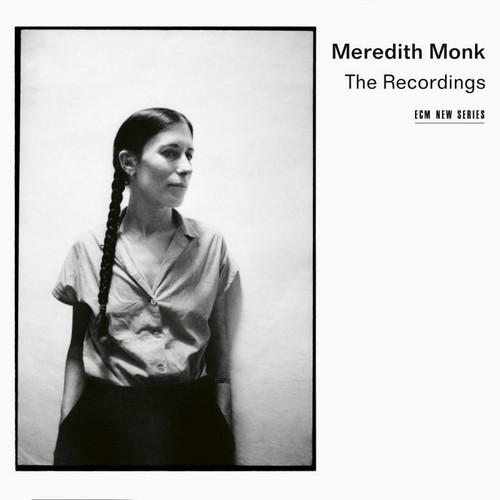
The Recordings (13 CD Box)
Restocked, reduced price * 13-CD limited edition box set with 300 page booklet * The Recordings, a box set edition compiling all Meredith Monk ECM New Series discs to date, is issued on the occasion of the composer and singer’s 80th birthday. With Dolmen Music in 1981 Meredith became the first singer to be the front person on an ECM recording. Included here are the albums Dolmen Music, Turtle Dreams, Do You Be, Book of Days, Facing North, ATLAS, Volcano Songs, mercy, impermanence, Songs of Ascen…
Alina
*2024 stock. Deluxe packaging* There have been other recordings of "Für Alina" and "Spiegel im Spiegel" but none like those on this disc, realized with the participation of the composer. Here Pärt, aided by exceptional interpreters, revisits those seminally important compositions which marked the birth of a new, "prismatic" period in his work, establishing a link between compositions embodying the fundamental traits of the "tintinnabuli style." Three interpretations of the duet ‘Spiegel im Spieg…
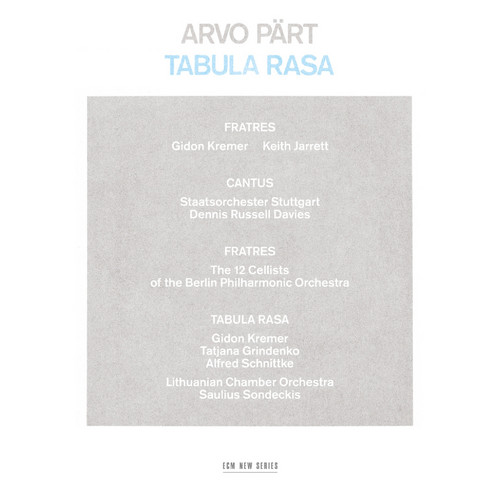
Tabula Rasa
The 1984 ECM album Tabula Rasa was the vehicle that introduced the revolutionary music of Arvo Pärt to audiences outside Eastern Europe and initiated what was to become one of the most extraordinary musical careers of the late 20th century. Like many of the first generation American minimalists, he limited himself to diatonic harmonies and generated pieces by setting processes in motion, but the radical simplicity he achieved was the result of religious contemplation that was at least as, if not…
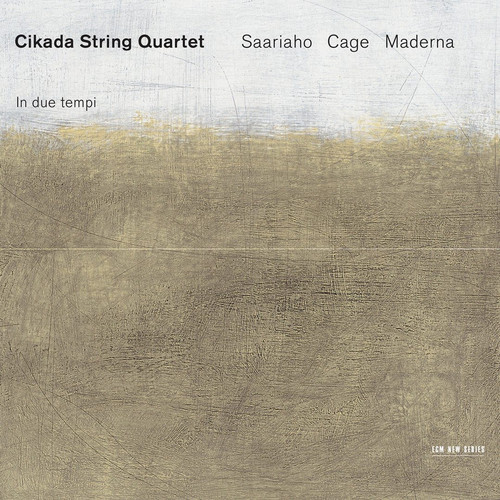
Saariaho, Cage, Maderna
String quartets by Kaija Saariaho (Nymphéa, with live electronics), John Cage and Bruno Maderna played by the Cikada String Quartet, recorded in August 2001 at Sofienberg Church, Oslo, and released by ECM New Series in 2005.
Kanon Pokajanen
Arvo Pärt's Kanon Pokajanen, a complete a cappella setting of the Orthodox Canon of Repentance in Church Slavonic, sung by the Estonian Philharmonic Chamber Choir under Tõnu Kaljuste. Recorded June 1997, Niguliste Church, Tallinn. Two CDs.
Odyssey - In Studio & In Concert
3-CD box: Terje Rypdal's complete double album Odyssey (Oslo, August 1975) with Brynjulf Blix, Torbjørn Sunde, Sveinung Hovensjø and Svein Christiansen, plus Unfinished Highballs, recorded live by Swedish Radio with the Radiojazzgruppen in Södertälje, June 1976.
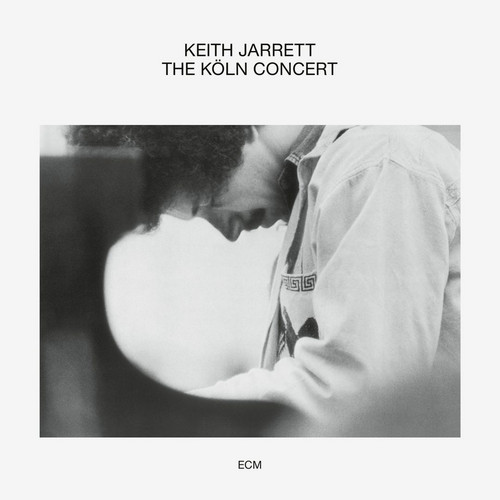
The Köln Concert
Keith Jarrett's improvised solo piano concert recorded live at the Cologne Opera House on 24 January 1975, produced by Manfred Eicher and first released by ECM in November 1975. CD edition with the complete concert.
Ballads
Paul Bley's 1971 ECM album of three Annette Peacock compositions, recorded by two piano trios in New York in March and July 1967, with Barry Altschul on drums and Gary Peacock or Mark Levinson on bass.
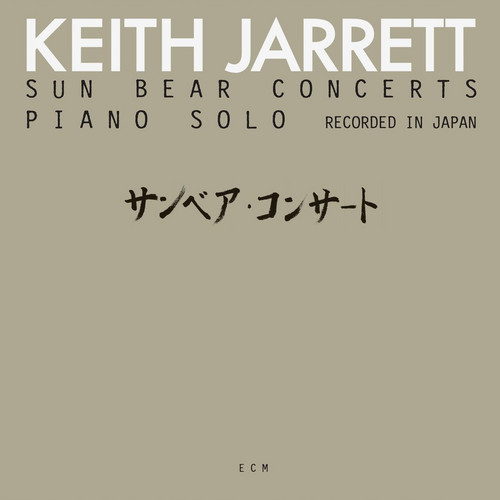
Sun Bear Concerts
Six-CD box of five complete solo piano concerts by Keith Jarrett, recorded in Kyoto, Osaka, Nagoya, Tokyo and Sapporo in November 1976, plus a disc of encores. Produced by Manfred Eicher; first issued on ten LPs in 1978.
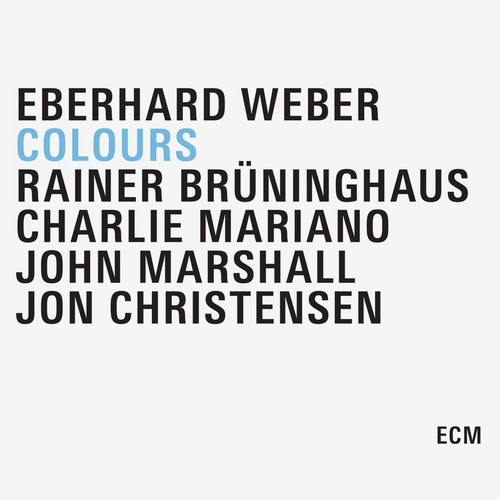
Colours
3-CD box collecting Eberhard Weber's Colours albums Yellow Fields (1975), Silent Feet (1977) and Little Movements (1980), with Charlie Mariano, Rainer Brüninghaus, Jon Christensen and John Marshall, recorded at Tonstudio Bauer, Ludwigsburg.
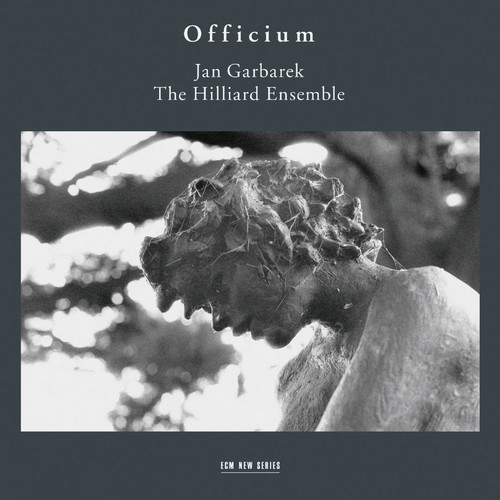
Officium
Jan Garbarek (soprano and tenor saxophones) improvising with the Hilliard Ensemble on sacred vocal music from Gregorian chant to Morales, Dufay and Pérotin, recorded in September 1993 at the Propstei St. Gerold, Austria.
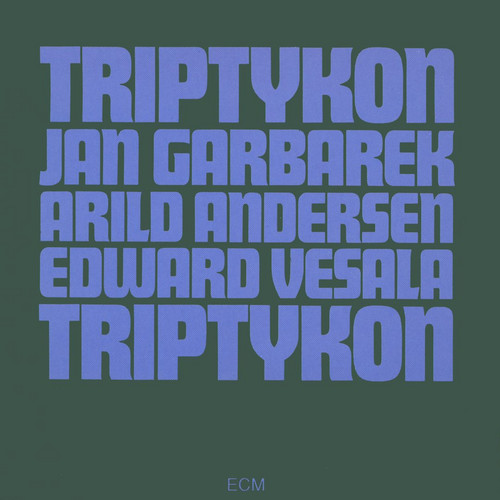
Triptykon
Free improvisation trio of Jan Garbarek (saxophones, flute), Arild Andersen (bass) and Edward Vesala (percussion), recorded 8 November 1972 at Arne Bendiksen Studio, Oslo, produced by Manfred Eicher. Released April 1973. CD edition.
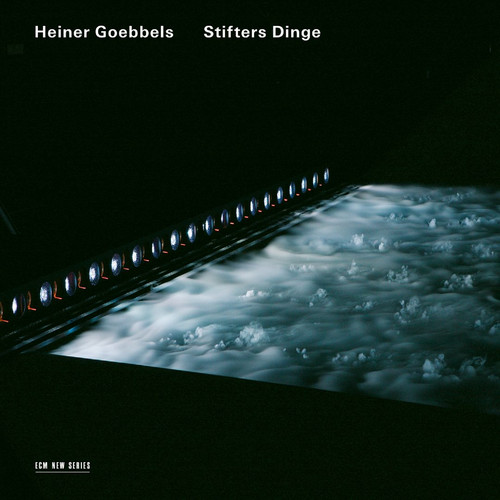
Stifters Dinge
Audio edition of Heiner Goebbels' music-theatre installation for five mechanised pianos, archival voices and texts after Adalbert Stifter, recorded 20-21 October 2007 at the Grand Théâtre de la Ville de Luxembourg.
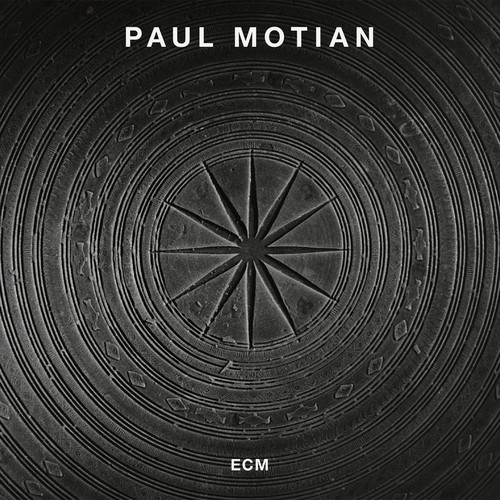
Paul Motian
Six-CD box of Paul Motian's first six ECM albums as leader, recorded 1972-1984 in New York and Ludwigsburg, with Keith Jarrett, Charlie Haden, Charles Brackeen, Bill Frisell, Joe Lovano and others. Old & New Masters series, 2013, notes by Ethan Iverson.
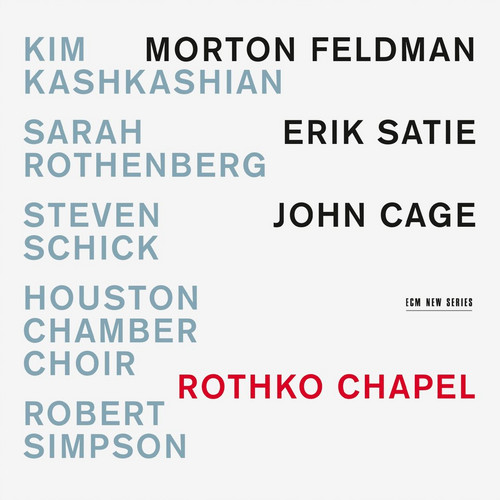
Erik Satie, John Cage, Morton Feldman, Kim Kashkashian, Sarah Rothenberg, Steven Schick, Houston Chamber Choir, Robert Simpson
Rothko ChapelMorton Feldman's Rothko Chapel with music by Satie and Cage, played by Kim Kashkashian (viola), Sarah Rothenberg (piano, celesta), Steven Schick (percussion) and the Houston Chamber Choir under Robert Simpson, recorded in Houston in May 2012 and February 2013.
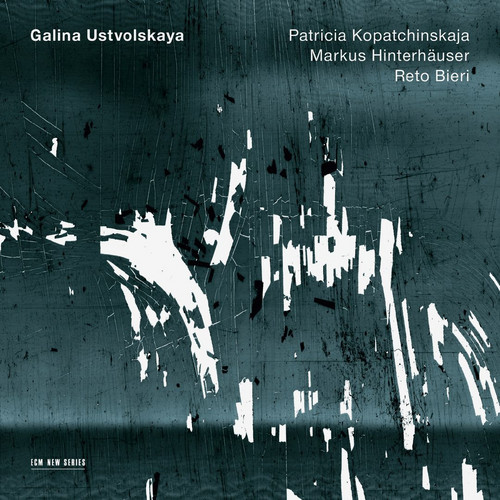
Galina Ustvolskaya
Galina Ustvolskaya's Trio (1949), Violin Sonata (1952) and Duet (1964), played by violinist Patricia Kopatchinskaja, pianist Markus Hinterhäuser and clarinettist Reto Bieri, recorded in March 2013 at the RSI Auditorio in Lugano.