
Best sellers
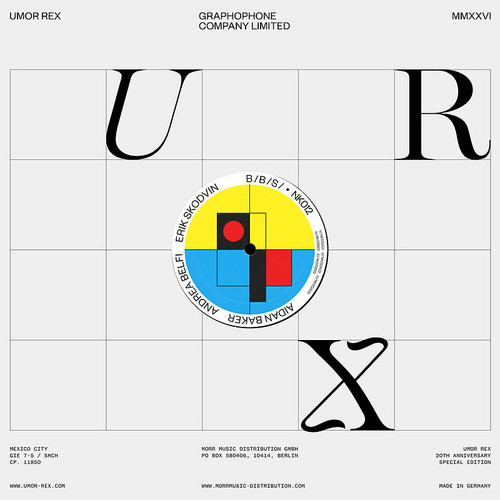
NK012
*150 copies limitede edition* Originally released by Umor Rex on cassette in 2015, NK012 documents the first-ever musical meeting of Berlin-based musicians Aidan Baker (Nadja, Canada), Andrea Belfi (Italy), and Erik Skodvin (Svarte Greiner / Deaf Center, Norway). Now, more than a decade later, the album is available on vinyl for the first time, newly remastered for the format by Rafael Anton Irisarri. This marks the third release in a series of four special, limited reissues to be released in 20…
Quiet Panic
*Edition of 100* On Quiet Panic, Mark Schaub sculpts a slow‑burn tension where stillness never quite settles, his compositions hovering between ambience and unease, finely honed and given extra dimensional depth by Andrea Marutti’s mastering.
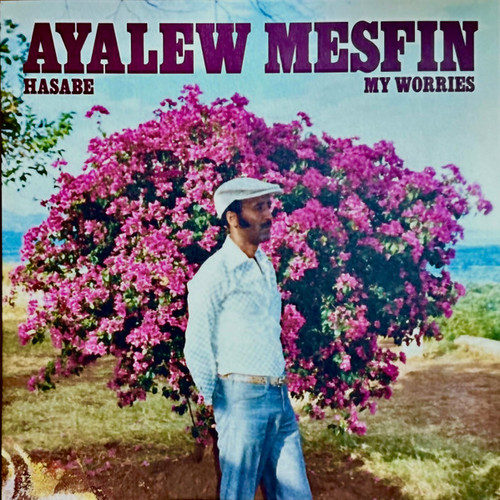
Hasabe - My Worries
“Hasabe” is a thoughtfully curated collection of Ethio-groove recordings from one of the overlooked pioneers of 1970s Addis Ababa’s vibrant music scene—Ayalew Mesfin and his Black Lion Band.
Expect trap drum kits, jazz big-band styled horn sections, funky guitars played through wah wah and fuzz pedals— all seasoned with a unique Ethiopian touch…
Reissued once again thanks to our collaboration with Now Again. Pressed on 180g vinyl.
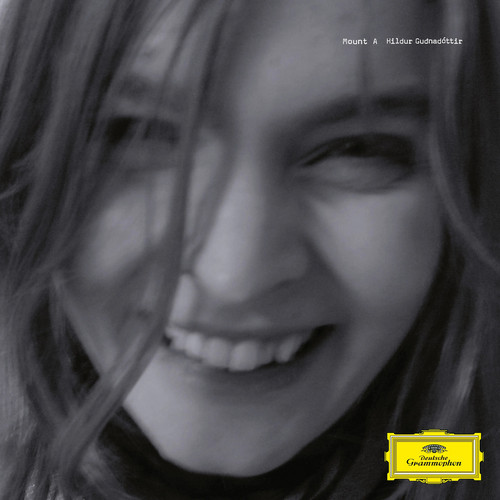
Mount A
Originally released in 2006, Mount A is Hildur Guðnadóttir’s debut solo album. Recorded alone with her cello and released under the pseudonym “Lost in Hildurness”, it marked the beginning of a deeply personal body of work created as a space to “hear my own thoughts”. Twenty years later, its music continues to resonate, inspiring new orchestral reinterpretations on This Will Be Us. This edition also marks the album’s first-ever release on vinyl.
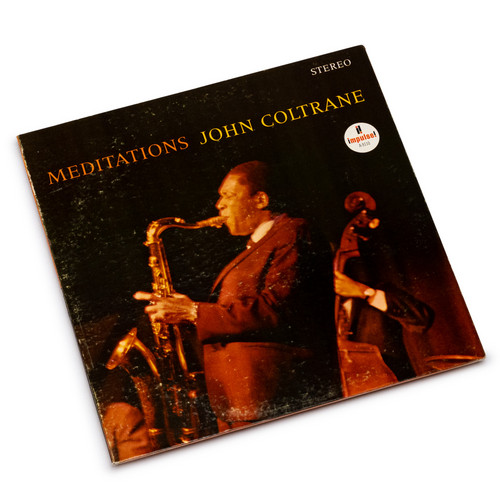
Meditations
Following the genre-redefining revelations of A Love Supreme in 1965, John Coltrane began a dramatic shift toward spiritual free jazz, abandoning familiar forms in favor of a more abstract sonic palette and bold questions he'd spend the rest of his life and career pursuing. Meditations, released by Impulse! in 1966, continues that emotional throughline while retaining, for the last time in full, the classic quartet that propelled Trane to greatness: pianist McCoy Tyner, bassist Jimmy Garrison an…
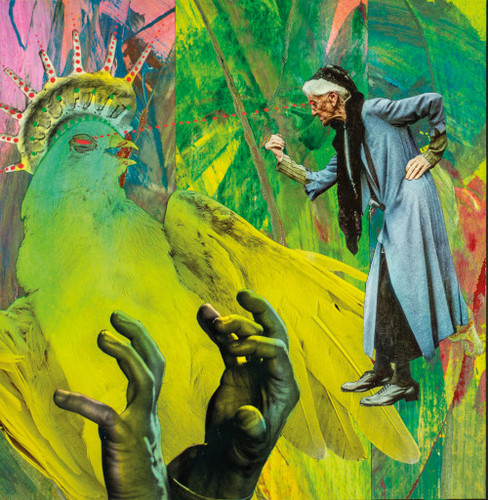
Frightened Birds Head House
“Frightened Birds Head House” is a compilation. It is not a “sampler,” a term that implies the practical function of serving as a label’s calling card. (…) Toward the end of the 1970s, records and cassettes made by independent record shops and individuals rather than large corporations—ones that required little more than a name, a logo, and something they wanted to release—were also playing that role, whether or not their creators intended them to. In Manchester, there was Factory. In Brussels, …
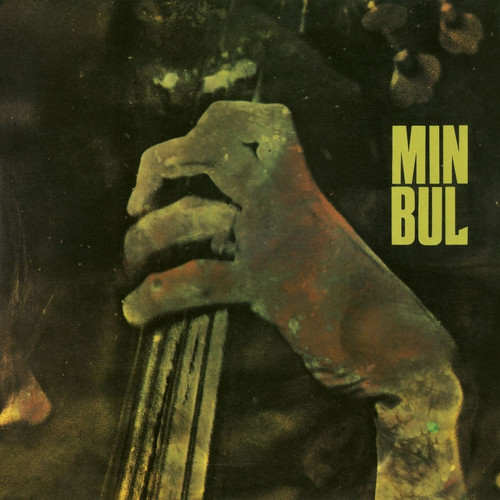
Min Bul
We are pleased to announce the upcoming reissue of “Min Bul”, a milestone of Norwegian rock and jazz, included in the renowned Nurse With Wound list, from the band whose leader was a young Terje Rypdal. Recorded in the Rosenborg studio in September 1970, with Egil Eide as engineer, “Min Bul” is a highly experimental work for its time that grew out of the Samklang projects at the Henie-Onstad Art Center, where director Ole Henrik Moe encouraged adventurous composers and improvising musicians to j…
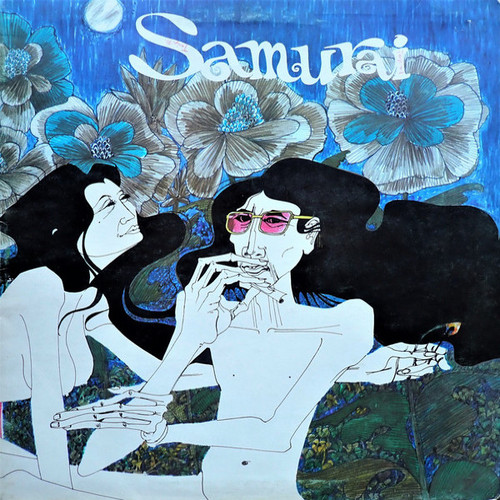
Samurai
*Limited edition - from original master. Luxurious gatefold thick cardboard tip-on sleeve* Cinedelic Records is excited to announce the definitive official reissue of "Samurai," the iconic and great lost gems of British progressive jazz-rock, originally released in 1971.
"Samurai" is a masterclass in early 70s rock genre-blending, intricately weaving elements of avant-garde progressive rock, psychedelic influences, and jazz-rock innovation into a cohesive and captivating listening experience. Th…
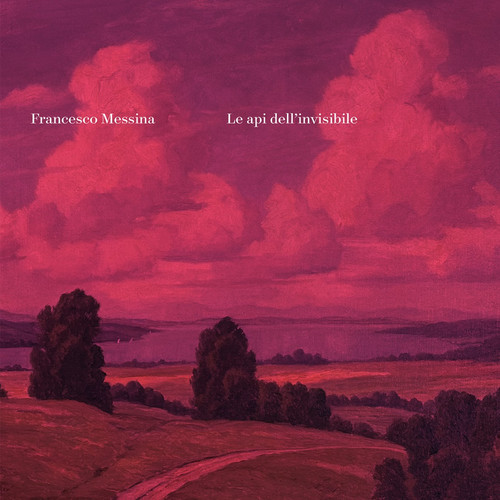
Le Api dell’Invisibile
Four decades after Prati Bagnati del Monte Analogo, Francesco Messina returns to his hundred-year-old Schimmel piano for seven pieces of hazy drone and ambient minimalism, written with no deadlines after playing that 1979 album live in Milan.
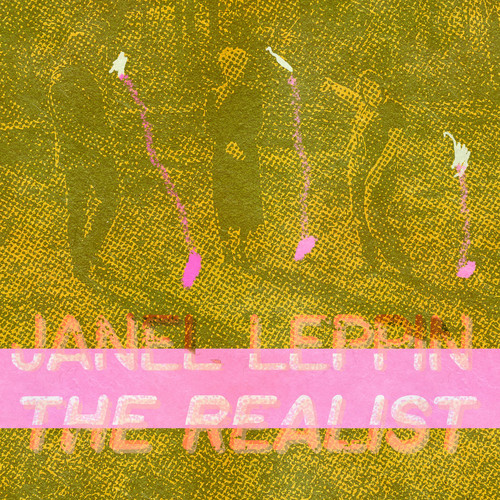
The Realist
Janel Leppin - The Realist (OOYH 048), featuring the incredible new trio of Janel with Devra Hoff (Sharon Van Etten, Nels Cline, Xiu Xiu) on bass, and Chad Taylor (Chicago Underground Duo, Marc Ribot, jaimie Branch) on drums, which Phil Overeem called "the freshest sounds from one of the most fascinating artists in creative improvisation."

Meliponica
Experimental electronic music made entirely from processed recordings of Brazilian stingless bees, by the artist and researcher João Machado, whose bee recordings are held by the British Library.

Live At The Donaueschingen Music Festival
Donaueschingen, 21 October 1967. Archie Shepp with Roswell Rudd and Grachan Moncur III on trombones, Jimmy Garrison on bass, Beaver Harris on drums. One piece, One for the Trane, forty-three minutes, three months after Coltrane's death, opening with a seven-minute Garrison solo and ending in The Shadow of Your Smile.
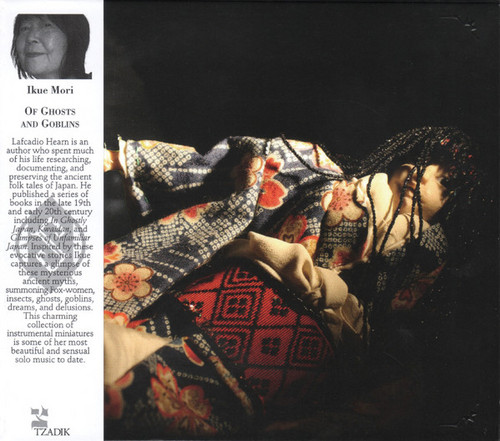
Of Ghosts And Goblins
Ikue Mori's album "Of Ghosts and Goblins" is a collection of instrumental miniatures inspired by Lafcadio Hearn's Japanese folk tales, featuring themes of ghosts, goblins, and the supernatural, with tracks like "Fragment," "A Passional Karma," and "Lafcadio's Garden". Lafcadio Hearn is an author who spent much of his life researching, documenting, and preserving the ancient folk tales of Japan. He published a series of books in the late 19th and early 20th century including In Ghostly Japan, Kwa…
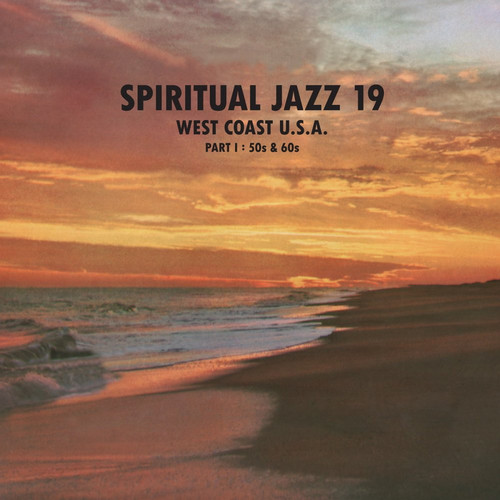
Spiritual Jazz 19 - West Coast USA Part 1: 50s & 60s
Two x 2LP sets that examine the influence and expression of the underground jazz that evolved in California and surrounding states during the latter part of the 20th century.
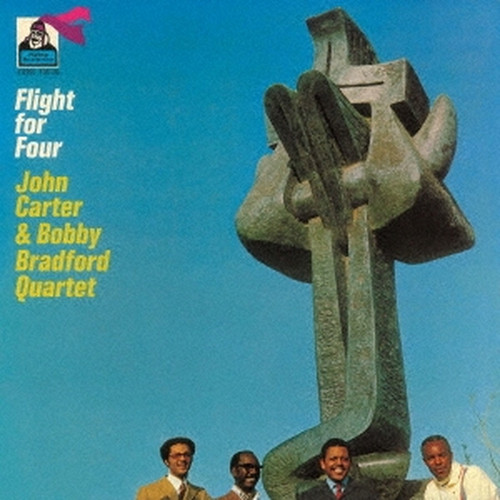
Flight For Four
Los Angeles, 1969. The first record of the John Carter - Bobby Bradford Quartet, the West Coast free jazz band Ornette Coleman had brought together in 1965, with Tom Williamson on bass and Bruz Freeman on drums. Five Carter pieces for Bob Thiele's new Flying Dutchman, from Call to the Festival to Domino.
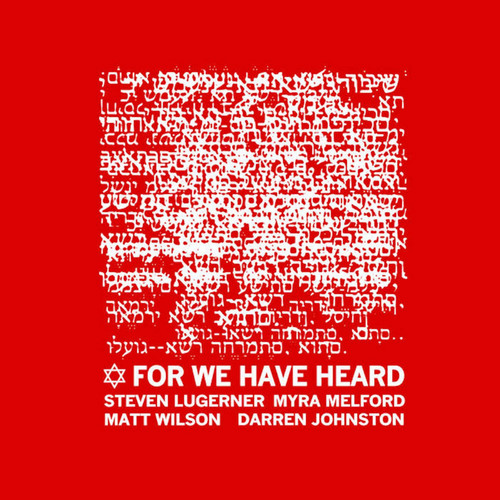
For We Have Heard
"As a band leader, Lugerner has released multiple albums to critical acclaim - Narratives (2010) These Are The Words (2010) & Live at The Bunker (2012). His compositions have been described as "a textured, nearly seamless blend of composition and improvisation" by Francis Davis of The Village Voice - while the New York Times calls him "an impeccably trained multi-reedist, with an emphasis on 'multi' - he plays clarinet, bass clarinet, oboe, English horn and flutes, along with saxophones...…
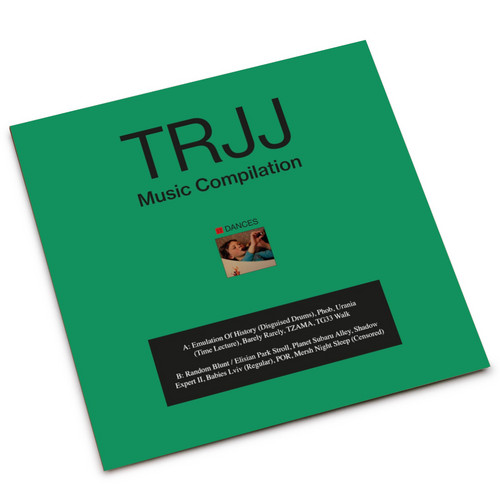
Music Compilation: 12 Dances
On Music Compilation: 12 Dances, TRJJ turn disguised authorship into groove: twelve slow, zoned, sample‑rich “dances” that treat anonymity as a filter, stitching African and American folk, free improv and loner ambient into one beautifully crooked continuum.
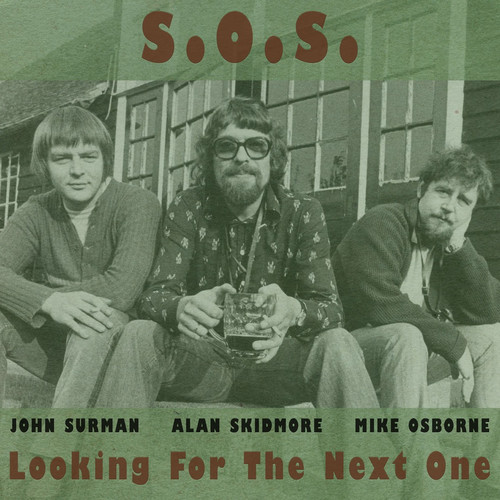
Looking For The Next One
The group toured widely and had a large body of work to draw from, but only released one, self-titled album on the Ogun label during their lifetime. Looking For The Next One, a compilation of rare and unissued studio sessions and live recordings, will not only rekindle discussions about S.O.S.’s innovative music among connoisseurs, but introduce their exciting, virtuosic music to a new generation of listeners. While the entire set is filled with striking music, the inclusion of the entirety of t…

The Physicians
Behind this incredibly rare 1973 album lurks Campo Di Marte (the highly regarded Italian progressive rock band) in their second incarnation. After the release of their debut album the group performed at numerous concerts but only released this one album under the pseudonym of THE PHYSICIANS. They were called by the producer Giuseppe Cassia in Rome to record this album, which was produced in a day, and it's amazing to feel the harmony between the band members, all from Livorno and led by t…
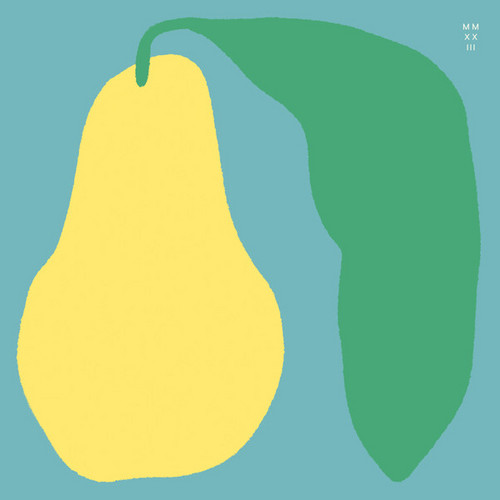
Golden Pear
Moon Glyph Records head Steve Rosborough returns as Omni Gardens with a brand new album entitled “Golden Pear”. The fuzzy, warm and buoyant moog timbres of “Moss King” return but “Golden Pear” is a dreamier and more lush affair; incorporating a wider palette including mellotron flutes, vibraphones, marimbas and self-captured field recordings. A tranquil, pop atmosphere permeates the album as the songs flutter between bleary, unhurried tunes, warbly soundscapes and odes to lazy afternoons. Create…