Music from United States
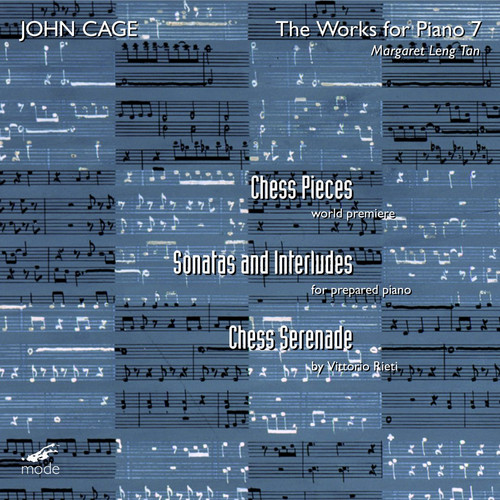
The Piano Works 7 - Chess Serenade
First recording of John Cage's Chess Pieces (1944), rediscovered in a painting and transcribed by Margaret Leng Tan, with her recording of Sonatas and Interludes and the first recording of Vittorio Rieti's Chess Serenade.
Sonatas and Interludes
This landmark recording of John Cage’s prepared piano works performed by Mario Bertoncini was recorded back in December 1991. The sonatas are divided into four groups, each divided by the less overtly structured, rhapsodic interlude pieces. Bertoncini sensitivity to the displaced sonic characteristics of the piano is remarkable and suggests a rigorous dedication to Cage’s work.
The Piano Works 2 - Sonatas And Interludes For Prepared Piano
John Cage's Sonatas and Interludes for prepared piano played by Philipp Vandré, the first recording on a Steinway “O”-type baby grand, the piano Cage composed on, with corrections to discrepancies in the printed score.
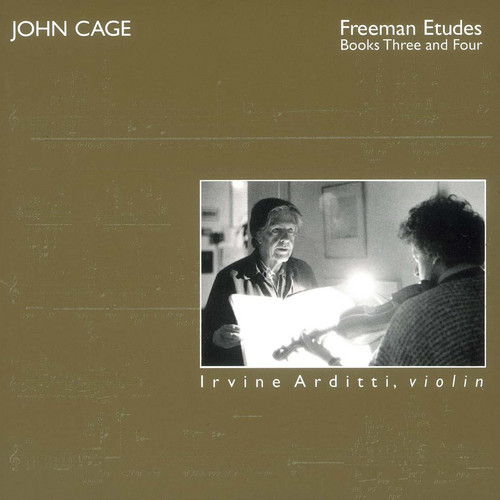
Freeman Etudes, Books Three And Four
First recording of the second half of John Cage's Freeman Etudes for violin, Books Three and Four, played by Irvine Arditti, the second release in his traversal of Cage's complete violin works for Mode. Released 1989.
Atlas Eclipticalis With Winter Music
Two live 1983 performances of John Cage conducting Atlas Eclipticalis with Winter Music at Seattle's Cornish Institute, first issued on LP in 1986, with a bonus disc of the 86-part Atlas Eclipticalis and Winter Music for 20 pianos.
Complete string quartets, volume 2
Two string quartets by John Cage played by the Arditti Quartet: String Quartet in Four Parts (1949-50), in a new recording, and Four (1989), a first recording written for the ensemble. Composer-supervised sessions.
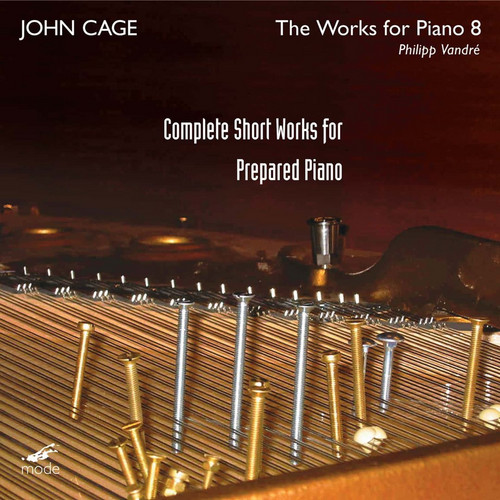
Complete Short Works for Prepared Piano
All of John Cage's short works for prepared piano on two CDs, everything except Sonatas and Interludes, played by Philipp Vandré.
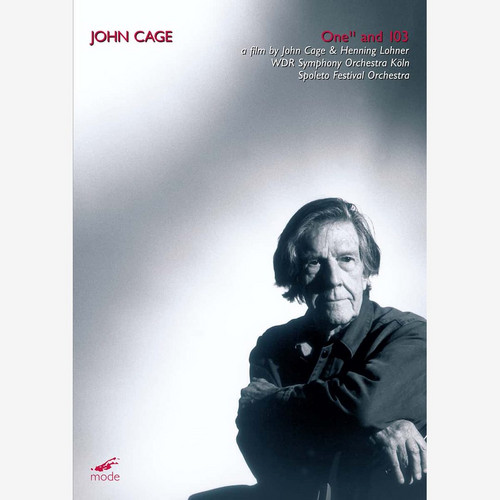
One11 And 103
First commercial release of John Cage's only major film, One11 (1992), directed by Henning Lohner, with the orchestral work 103 as soundtrack in two performances (WDR Sinfonieorchester Köln, Spoleto Festival Orchestra), plus a documentary and an interview.
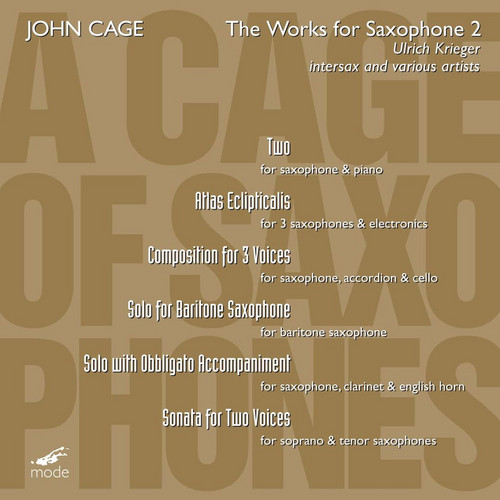
A Cage of Saxophones 2
Second volume of John Cage works for saxophones, played by Ulrich Krieger and his ensemble: early pieces of unspecified instrumentation, saxophone parts drawn from Atlas Eclipticalis and Concert for Piano and Orchestra, and the first saxophone version of Two.
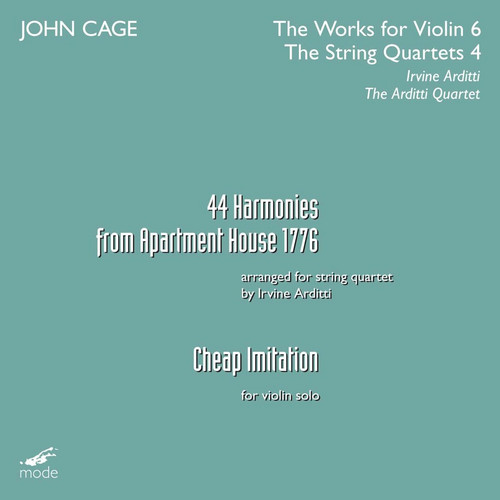
44 Harmonies from Apartment House 1776
First recording of all 44 Harmonies from Cage's Apartment House 1776, arranged for string quartet by Irvine Arditti and played by the Arditti Quartet, with Arditti's solo violin performance of Cheap Imitation.
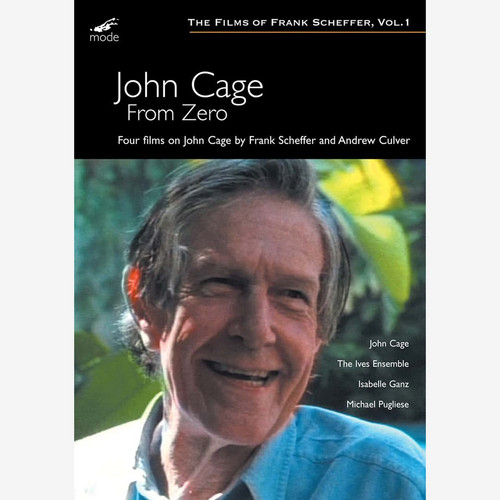
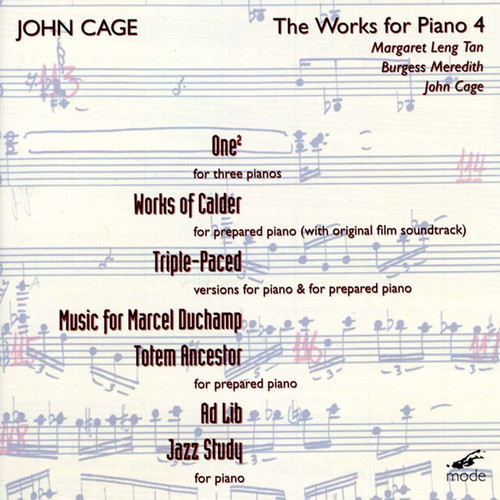
The Works for Piano 4
Piano works by John Cage played by Margaret Leng Tan: 1940s pieces found at his publisher including Triple-Paced, Ad Lib and Jazz Study, the Works of Calder film score, and One2 for three pianos.
Atlas eclipticalis / 103
Two live, unedited performances of Cage's orchestral music: "At last Eclipticalis With Winter Music" (recorded 5/19/93, performed by The Orchestra of the SEM Ensemble, conducted by Petr Kotick, piano by David Tudor) and "103" (recorded 11/21/98, performed by the Janacek Philharmonic Orchestra, conducted by Petr Kotik)." Kotik and Cage met for the first time in May, 1964, performing a 3-hour, six percussion version of Atlas Eclipticalis. Kotik's association with Cage continued until the composer'…
Empty words (parte III)
John Cage's empty words is something of an epic in reverse: a diminutive vocal exercise divided into four distinct parts that gradually breaks down the writings on sound from Henry David Thoreau's Journal into pure vocalise. Disarticulated, distended and utterly transformed, Cage's recitation utterly abandons all connection to linguistic meaning and becomes pure aesthetic glossolalia. The nearly three hour performance documents Cage reading from the third part of empty words at Teatro Lirico in …
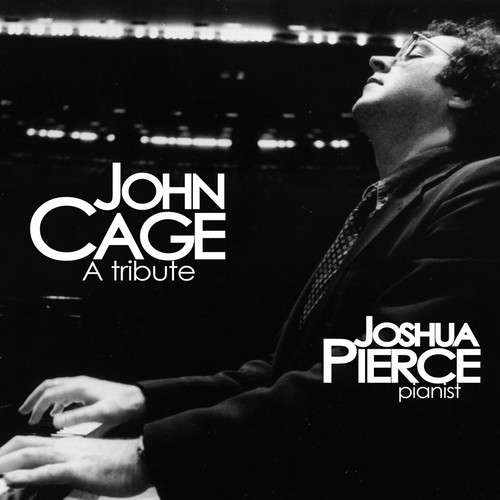
A tribute
From the liner notes of Eric Salzman: “John Cage wrote for keyboards throughout most of his life. Most famously, he invented the so-called "prepared piano" but he also wrote for unprepared piano in both traditional and untraditional ways. His later piano works employ an almost ferocious complication and virtuosity at the outer limits of performer possibility. Earlier he used electronic extensions, chance and performer collaboration in complex ways. His early keyboard music was written for himsel…
Selected Recordings
ECM :rarum I: two CDs compiled by Keith Jarrett from his ECM recordings of 1974-1994, solo piano, clavichord, pipe organ, the overdubbed Spirits, the European Quartet and the Standards trio. Released 2002.
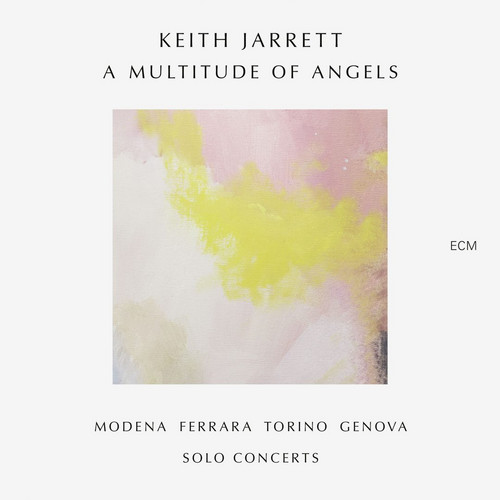
A Multitude Of Angels
Four complete solo piano concerts by Keith Jarrett, recorded by the pianist himself in October 1996 in Modena, Ferrara, Turin and Genoa, released in 2016 as a 4-CD box on ECM.
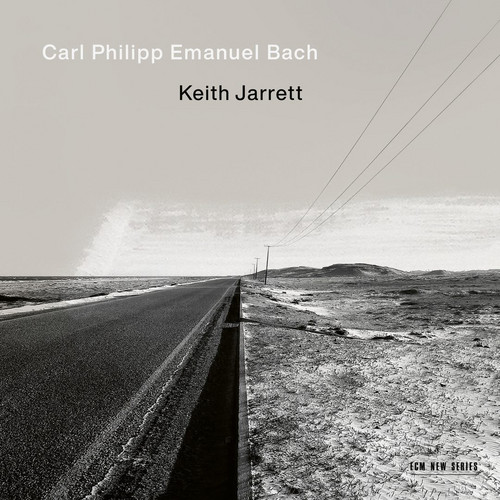
Carl Philipp Emanuel Bach
Keith Jarrett plays C.P.E. Bach's six Württemberg Sonatas Wq 49 on piano, recorded in May 1994 at his Cavelight Studio, New Jersey, and first released on two CDs by ECM New Series in 2023.
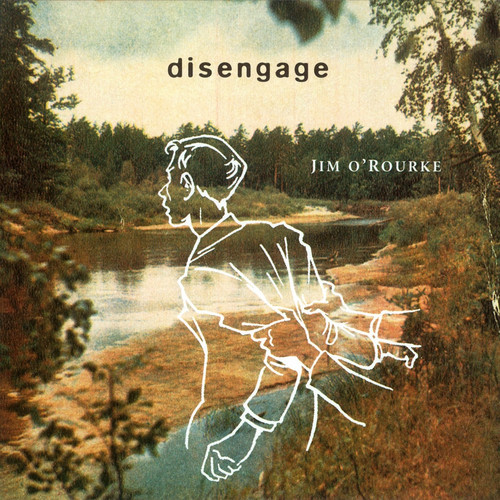
Disengage
Original first pressing (1992), recorded with a firm eye on the experimental end of the spectrum, this 2CD set will delight anyone with even a solitary Hafler Trio/Tod Dockstader/Luc Ferrari/Morton Feldman etc. release embedded in their collection, unfurling as it does with the grace of a stretching cat, whilst examining themes which could readily have become overly claustrophobic. An ebbing crucible of electro-acoustic fragments (all obscured through skilful treatments), AM radio, field recordi…
Happy days
Back in stock. Released: 1997.Jim O'Rourke is a rarity: a genuine bridge between the avant-garde and the underground. From his production work (Smog, Wilco, Faust) to his own freewheeling excursions as a solo performer and member of outfits like Gastr del Sol and Sonic Youth, his work continues to bring the out there in here. Happy Days pits a lone guitar against a phalanx of hurdy-gurdies, a decided shift away from the composer's electronic-based work. A roiling hornet's next of activity that F…