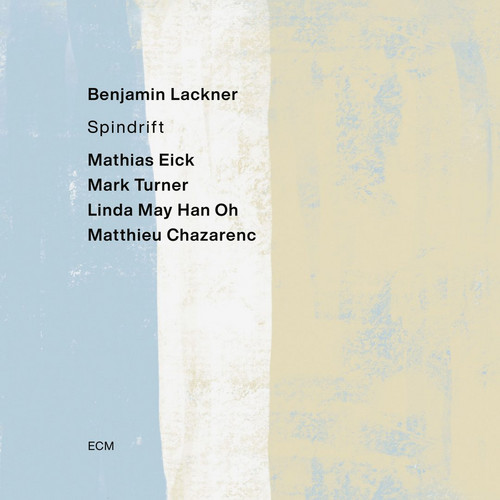
Spindrift
Spindrift is the second ECM album by German-American pianist Benjamin Lackner, with Mathias Eick (trumpet), Mark Turner (tenor saxophone), Linda May Han Oh (bass) and Matthieu Chazarenc (drums), recorded in March 2024 at Studios La Buissonne and produced by Manfred Eicher.
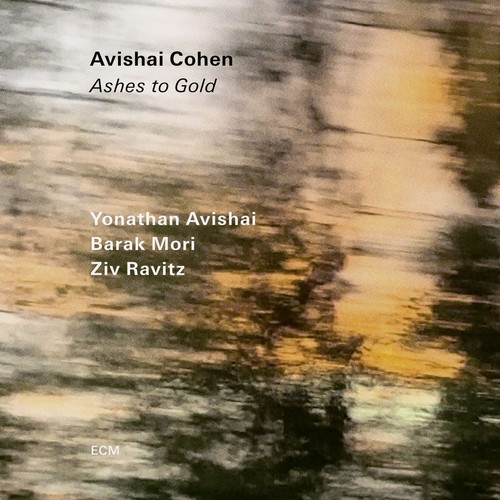
Ashes to Gold
Ashes to Gold is a 2024 ECM album by Israeli trumpeter Avishai Cohen with Yonathan Avishai, Barak Mori and Ziv Ravitz: a five-part suite, Ravel's Adagio assai and a piece by his daughter, recorded in November 2023 at Studios La Buissonne.
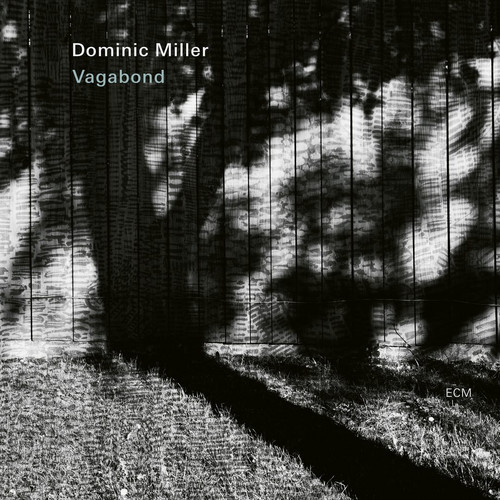
Vagabond
Vagabond is Dominic Miller's third ECM album, eight originals for a quartet with pianist Jacob Karlzon, bassist Nicolas Fiszman and drummer Ziv Ravitz, recorded in April 2021 at Studios La Buissonne, Pernes-les-Fontaines, and produced by Manfred Eicher.
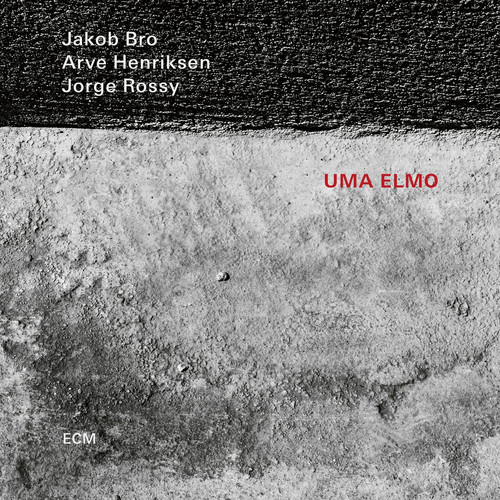
Uma Elmo
Uma Elmo is a 2021 ECM album by Danish guitarist Jakob Bro in a bassless trio with trumpeter Arve Henriksen and drummer Jorge Rossy, recorded in August-September 2020 at the Auditorio Stelio Molo RSI, Lugano, and produced by Manfred Eicher.
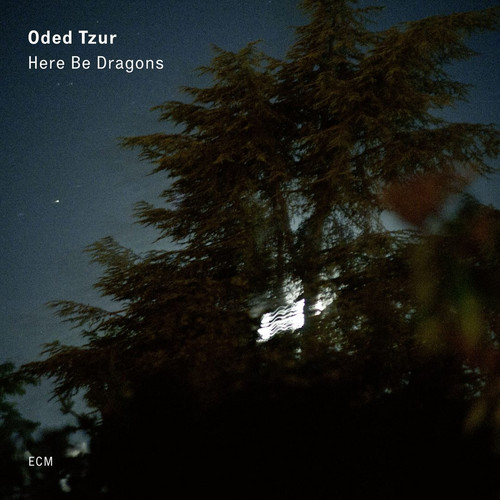
Here Be Dragons
Oded Tzur's ECM debut, with Nitai Hershkovits (piano), Petros Klampanis (double bass) and Johnathan Blake (drums): raga-based originals and a cover of Can't Help Falling In Love, recorded in Lugano in June 2019 and produced by Manfred Eicher. LP edition.
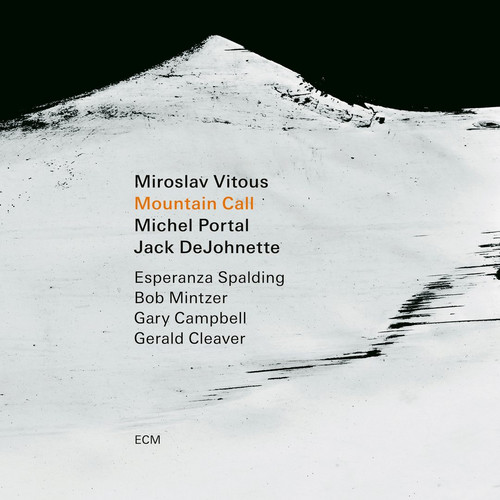
Mountain Call
Miroslav Vitous's first ECM album as leader in ten years: duets with Michel Portal, pieces with Jack DeJohnette and two suites with Esperanza Spalding, Bob Mintzer and orchestra, recorded 2003-2010 at his Universal Syncopations studio and produced with Manfred Eicher. LP edition.
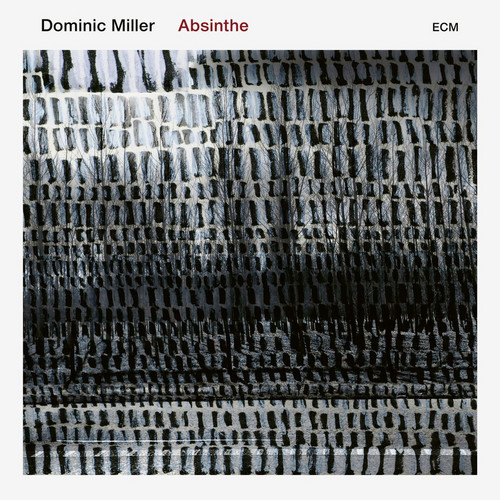
Absinthe
Dominic Miller's second ECM album, ten originals for a quintet with Santiago Arias (bandoneon), Mike Lindup (keyboards), Nicolas Fiszman (bass) and Manu Katché (drums), recorded at Studios La Buissonne in February 2018 and produced by Manfred Eicher. LP edition.
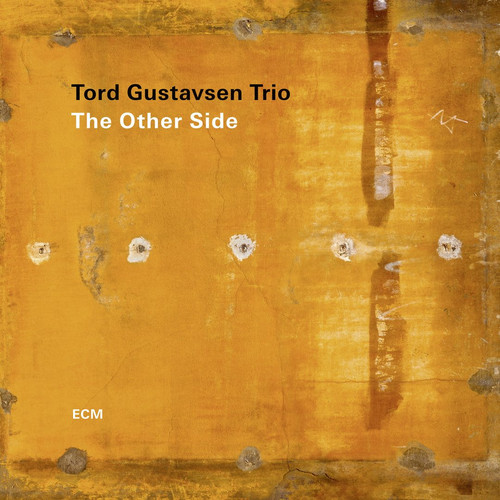
The Other Side
Tord Gustavsen's first trio album in over a decade, with Sigurd Hole on double bass and Jarle Vespestad on drums: originals, Bach chorales and Scandinavian hymns, recorded at Rainbow Studio, Oslo, in January 2018 and produced by Manfred Eicher. LP edition.
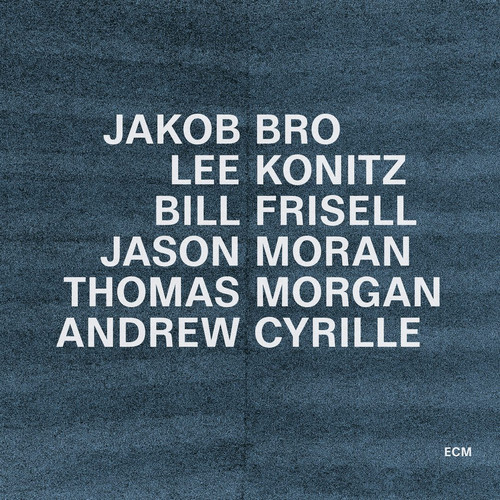
Taking Turns
Jakob Bro's sextet session with Lee Konitz, Bill Frisell, Jason Moran, Thomas Morgan and Andrew Cyrille, recorded at Avatar Studios, New York, in March 2014, produced by Manfred Eicher and first released by ECM in November 2024. LP edition.
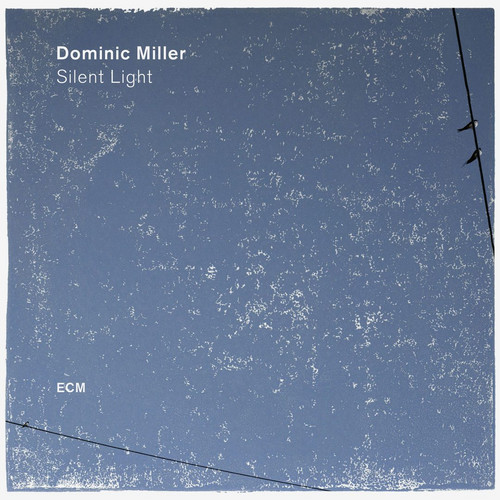
Silent Light
Guitarist Dominic Miller's first ECM album, eleven pieces for acoustic guitar, mostly solo, with percussionist Miles Bould on some tracks. Recorded March 2016 at Rainbow Studio, Oslo, produced by Manfred Eicher, released 2017.
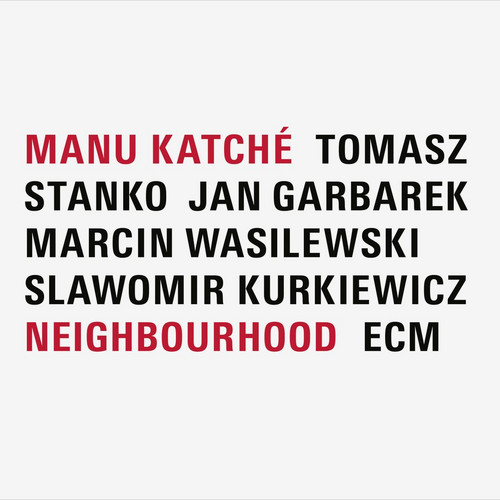
Neighbourhood
Manu Katché's first ECM album as leader, ten of his compositions played with Jan Garbarek, Tomasz Stanko, Marcin Wasilewski and Slawomir Kurkiewicz. Recorded March and November 2004 at Rainbow Studio, Oslo, produced by Manfred Eicher, first released in 2005.
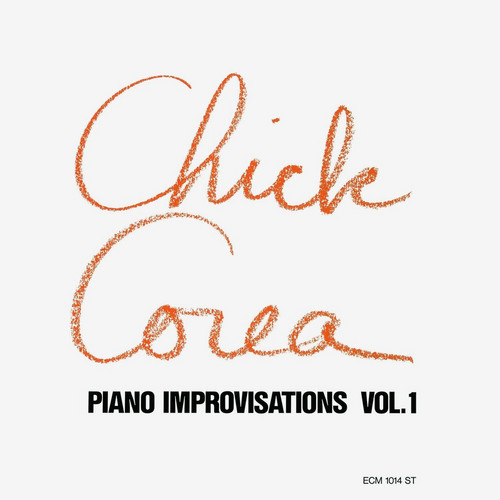
Piano Improvisations Vol. 1
Chick Corea's first solo piano album, improvised at the Arne Bendiksen Studio in Oslo on 21 and 22 April 1971, produced by Manfred Eicher and first released by ECM in 1971. Luminessence LP reissue in gatefold sleeve.

Shadow company
Anthony Braxton invited Milo Fine to travel half way across the USA so they could make some music together for the very first time. The result was the extended free improvisation (with gaps) which is heard complete on this CD. Braxton used four saxophones, and Fine two clarinets, piano and drums. Recorded 2/25/04.

Alphea
Alphea was formed in Hamburg 1991. The duo has performed in jazz clubs, art galleries and on jazz and contemporary music festivals, playing music structured exclusively by their own concepts.Hannes Wienert (alto and soprano saxophones, trumpet) studied visual arts. Peter Niklas Wilson (double bass) has performed and recorded with John Tchicai, Marion Brown, Derek Bailey and Anthony Braxton.

The Inexhaustible Document
Recorded live in London's beautiful Union Chapel in 1987. The organic control of sound on this is spectacular - pretty much a must for serious listeners worldwide.. Free imrovisation in the hands of Amm valorises the unknown, combining unpredictabiity with contexual coherence and the implicit drama of emotion and meaning in play. By opening out the moment it reveals the inherent wilderness of living processes that we lose sight of in an environment of over-determination, where the planned and th…
Sold Out

AMMMusic
A testament to the interaction between the experimental avant-garde and the countercultural underground, the album was originally released on Elektra, recorded by Jac Holzman (the label's founder, responsible for signing The Doors, Love, and The Stooges) and produced by DNA, a group that included Pink Floyd's first manager, Peter Jenner (the title of Pink Floyd's 'Flaming' is a tribute to AMM's 'Later During a Flaming Riviera Sunset'). Formed in 1965 by three players from the emerging British ja…
Sold Out
Aso
Ami Yoshida and Christof Kurzmann are both well-respected artists within the international community, each performing in a wide range of contexts from abstract to pure pop. Both are best known for their long-running duos, Yoshida for Cosmos (with Sachiko M) and Kurzmann for schnee (with Burkhard Stangl). This project finds them in far less comfortable territory, and a s o is the outcome of two years of hard work.Ami Yoshida strives to create a pure sound, abstracting her voice until it becomes a…
Spiritual voice
'Amazing improvisation joining jazz tones with electronic sounds, embellished with Tamaru's production'.
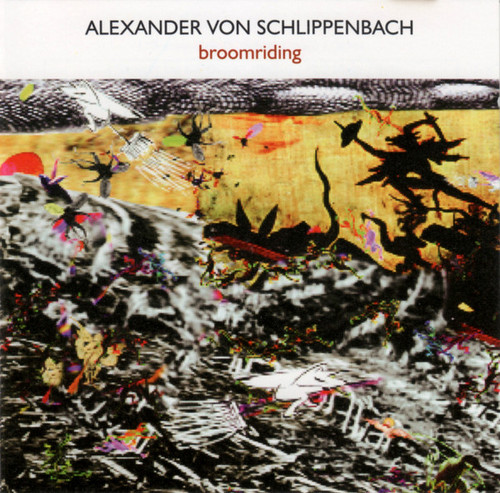
Broomriding
Alexander von Schlippenbach: piano. Rudi Mahall: bass clarinet. Tristan Honsinger: cello. Paul Lovens: percussions. recorded in Berlin, september 2002.

Placés dans l’air
Carried like a feather by the wind, crushed by the pressure unmistakably present, this soprano saxophone trio, sculptors of air columns, explorers of fullness, tamers of emptyness, plunges us in the complex relationship of three poets of the breath. It is recorded with a great attention by POB in a warehouse in Toulouse.

Breath on the floor
Alessandro Bosetti, soprano saxophone; Michel Doneda, soprano saxophone. Recorded in Castelmaurou on the floor of Adre L vocobs studio, nd. Cover drawing (reproduced above) by Alessandro Bosetti; design by Marcus Liebig.
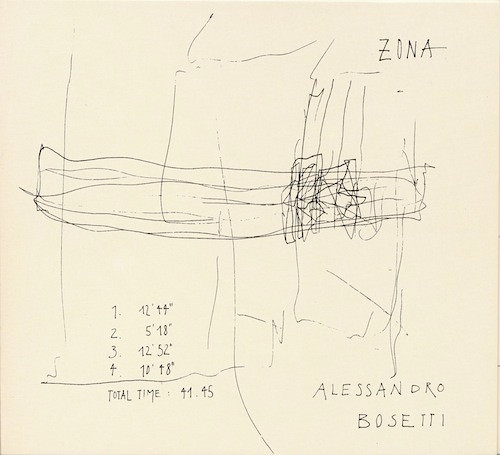
Zona
Since the work of Anthony Braxton, Sonny Rollins, Steve Lacy or Evan Parker, solo saxophone recordings are no longer a 'problem'. And especially recordings of solo soprano saxophone ö Parker and Lacy (and Lol Coxhill) have more than just rehabilitated this instrument, long neglected by jazz and improvised music. Solo recording has become so canonized that an improvising saxophone player is expected, at some time, to make a solo album.
Alessandro Bosetti, from Milan, Italy, but who has been livin…

Urueña
'Sillón is proud to present what has to be Italy's best kept secret on the improvised music scene. Based in Madrid, Spain, Alessandra Rombolá works in the field of contemporary music and improvisation. Her stunning debut-cd, Urueña, shows her great musicality and sense of form. Her sound is so rich that it fills the whole space of the beautiful Church in the tiny village in central Spain, Urueña. The music is captured in detail by sound-wizard, Pierre-Olivier Boulant. A must for all fans of crea…

Holy ghost
By 1958, Albert Ayler and his horn had made some rounds: from boy prodigy to teenage member of Little Walter's Blues Band, from "Little Bird" of Cleveland to featured US Army Band soloist. Then he resolutely set out to forget everything he'd ever learned about how to properly play the sax so that he could really PLAY it -- unhinged, free from strictures of pitch and form, drawing on spirituals, folksong, marches, and other big whopping chunks of collective musical memory -- to channel symphonies…
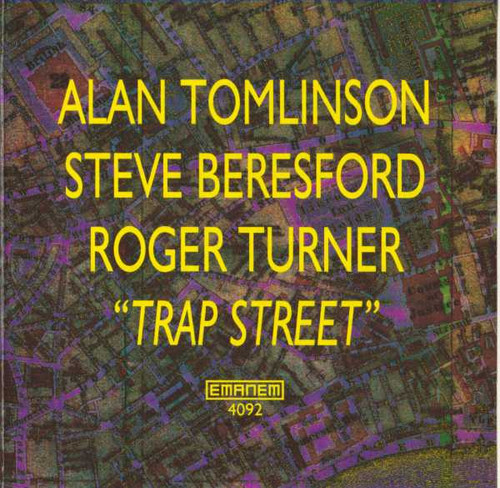
Trap street
ALAN TOMLINSON alto & tenor trombones. STEVE BERESFORD electronics & objects. ROGER TURNER drum set & percussion. Digital studio recording made in London by Mike Dailey - 2002 July 24.Excerpts from sleeve notes: “Is this a record? As the first full-length documentation of Alan Tomlinson since his 1980 solo LP issued by Bead and the 1986 FERALS (with Hugh Davies, Phil Minton & Roger Turner) on Leo, it must be. Most of you will know about Roger Turner, who has appeared on several recordings, and a…
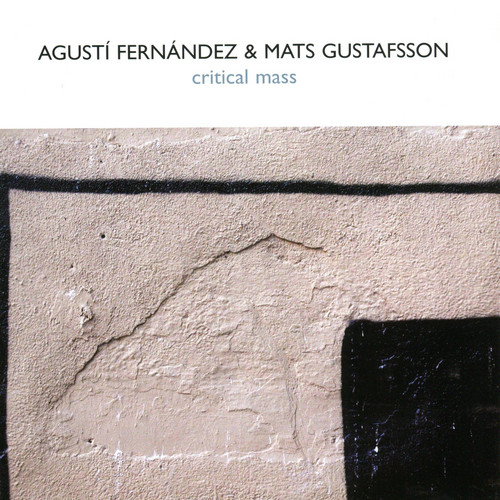
Critical Mass
A sequence of piano (and prepared piano) and saxophone (tenor & baritone) free improvisations recorded in Barcelona -- 8 duets and 2 solos. Recorded 7/30/04.
March 1970
The earliest live recording of this Japanese free jazz saxophonist/loner catches him at an incendiary peak across two long, fully-gospelised/heavy tremolo wall-destroyers. Abe at his most Ayler/Wright-inspired. Liners list the backing as bass and drums, but it's actually piano and drums. Keiichi Chida on piano has a weird watery/cluster sound that's a little like Burton Greene's 60s recordings, while Kazunori Nitta's drumming is all splats and weights of blurry punctuation. Sounds fucking great.…

Winter 1972
Alongside noise guitarist Masayuki Takayanagi, the late saxophonist Kaoru Abe was in the vanguard of Japan's new music, articulating an approach to the saxophone that matched extreme velocity with an elastic facility with the instrument's most phantom registers and a sculptural approach to instant composition that saw him carve poignant shapes from massive blocks of silence. Abe died of a heroin overdose on September 9th, 1978 at the age of 29, making 2004 the 27th anniversary of his passing, on…

Solo thursday evening 1972
This is another beautiful live document from the late starcrossed free saxophonist Kaoru Abe's peak period, three solo alto improvisations from '72 that work echoes of weird popular song and folk ghosts into some torrential throat action. Abe was always at his most exploratory when he was all alone in space and this is a thrilling document of a man liberated from any interactive concerns and free to follow the gush of his own muse. Highly recommended.

Solo 1972
Beautiful collection of early solo work from this amazing Japanese saxophonist who can burn personal co-ordinates into cold, black space with alla the harrowing force of Ayler, Haino, Brotz et al. Performances on alto and bass clarinet that combine an intimate, lyrical style with ferocious phantom register evisceration. Highly recommended.
Absence
Then onto the trios, of which the first one has the well-known Axel Dörner (trumpet), Leonel Kaplan (trumpet) and Diego Chamy (percussion). As this was recorded (in 2003) in Buenos Aires, Argentinia, I have reasons to believe that Kaplan and Chamy are from Argentina. This is top of new improvisation. Dörner continues to explore his techniques of trumpet playing, which has nothing to do with the trumpet as such, but everything with the instrument as an object and Leonel Kaplan proofs to be a good…