Bass
All records with bass · Solo bass only
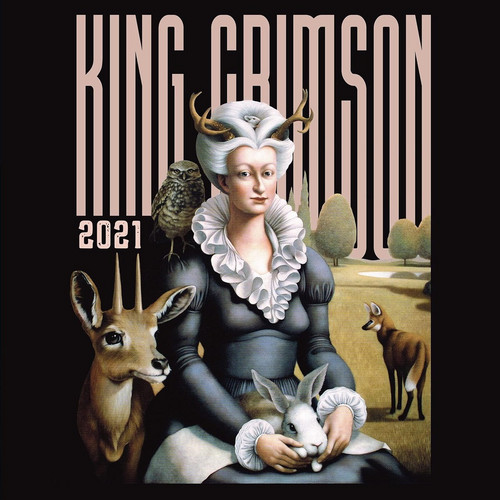
Music Is Our Friend: Live in Washington and Albany 2021
King Crimson's final US concert, Washington DC September 2021, with four tracks from Albany: a tour that crossed the pandemic and a band in ferocious form.
Earthbound
The 1972 official bootleg of the Islands line-up on tour in the USA, the last of the original King Crimson vinyl series, cut on 200g from masters approved by Robert Fripp.
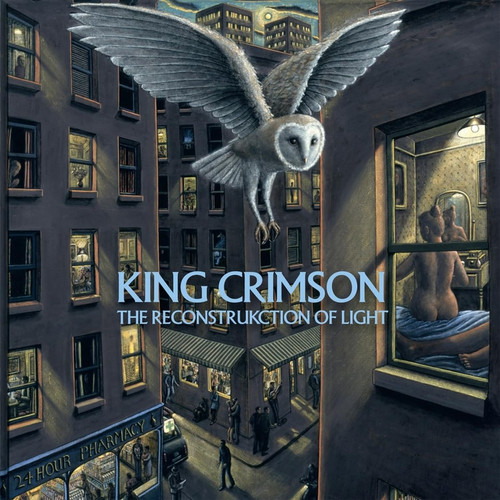
The ConstruKction of Light
The ConstruKction of Light, released in 2000, was the first studio album by the four-piece King Crimson of Robert Fripp, Adrian Belew, Trey Gunn and Pat Mastelotto, the so-called Double Duo that emerged after the ProjeKcts had broken the Double Trio into smaller research units.Without Bill Bruford and Tony Levin, the band turned towards a harder, denser sound: Mastelotto's electronic percussion, Gunn's Warr guitar covering the bass register, and Fripp and Belew locking into the interlocking guit…

The Elements Tour Box 2021
The Elements tour boxes were King Crimson's companion to each tour from 2014 onwards: two discs sold at the shows and later through DGM, gathering studio fragments, rehearsals, alternate takes, demos and live recordings from across the band's whole history, sequenced as a journey rather than a chronology.The 2021 edition accompanied what turned out to be the final tours of the seven-piece line-up with Robert Fripp, Jakko Jakszyk, Mel Collins, Tony Levin, Pat Mastelotto, Gavin Harrison and Jeremy…
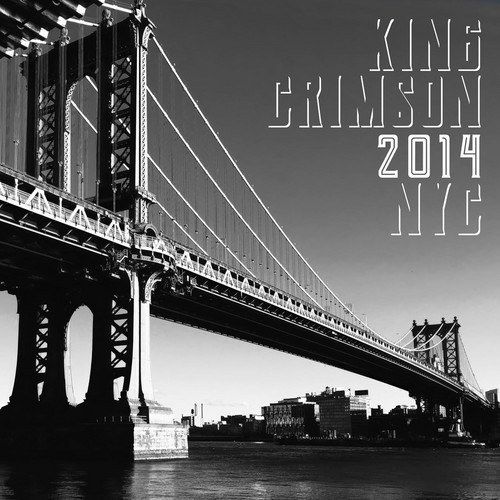
2014 NYC
The four September 2014 nights in New York on two CDs, original live mixes enhanced from the multitracks: the seven-piece Crimson with three drummers across the front.
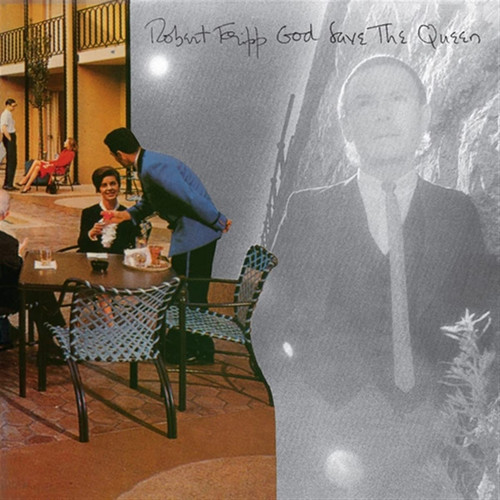
God Save The Queen / Under Heavy Manners (LP)
The 2021 remaster of Fripp's 1980 album, one side of Frippertronics and one of Discotronics with David Byrne, Busta Jones and Paul Duskin, with almost half an hour of extra material.
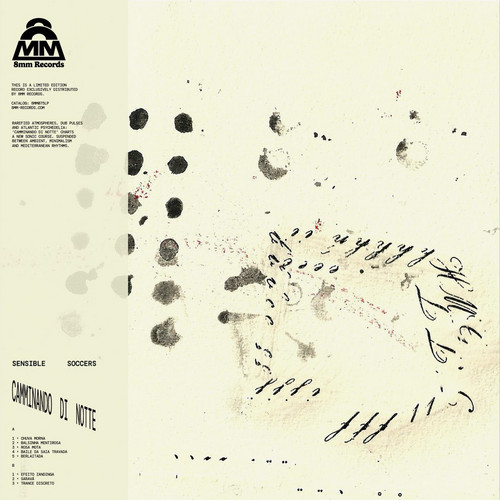
Camminando di Notte
Following two remix EPs featuring reworks by Mad Professor, Peaking Lights and Danilo Plessow, Sensible Soccers return with Camminando di Notte, an album exploring the space where instrumental electronics, organic rhythms and dub-inflected textures converge into a sound of warm, hypnotic and subtly disorienting beauty.The album opens with “Chuva Morna” and "Balsinha Mentirosa", setting the tone with softly played guitars, hazy electronics and rarefied percussion. Rather than moving towards a con…
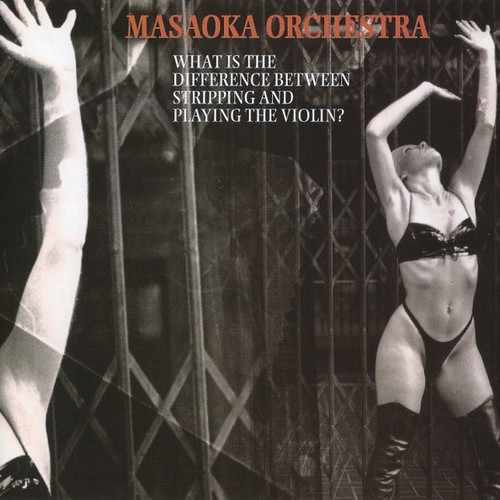
What Is the Difference Between Stripping & Playing the Violin?
Miya Masaoka's orchestra, recorded live in San Francisco in 1995 and 1997 with George Lewis, Vijay Iyer, Trevor Dunn and others: strings, Asian winds, shamisen, electronics and turntables under her whole-body conduction.
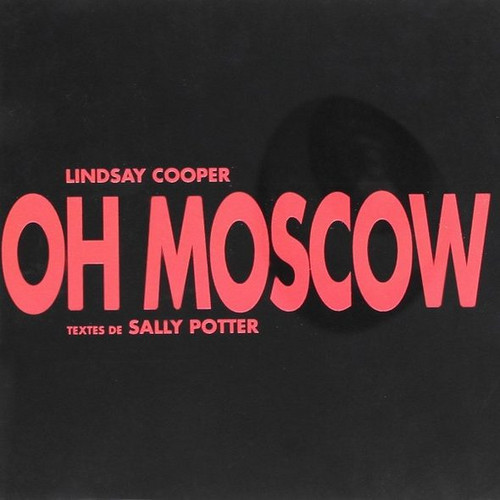
Oh Moscow
Lindsay Cooper's song cycle on texts by Sally Potter, about the divided Europe of the Cold War, live at Victoriaville in October 1989 with Phil Minton, Hugh Hopper, Marilyn Mazur, Alfred Harth and Elvira Plenar.
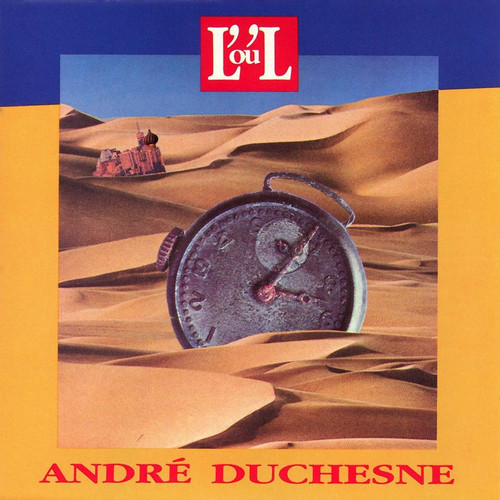
L'Ou'L
André Duchesne's large ensemble live at the 1989 Victoriaville festival: three electric guitars, saxophones, cello, piano and drums, with Yannick Rieu and Claude Lamothe, in composed Montreal musique actuelle.
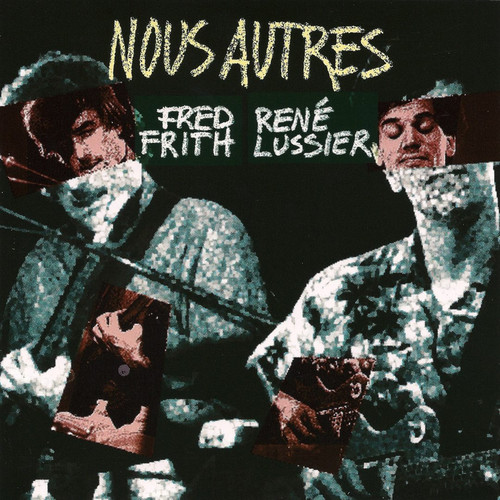
Nous Autres
Fred Frith and René Lussier's duo, recorded at the 1986 Victoriaville festival and finished at Studio Victor: guitars, bass, violin, voices and tape in short, playful pieces. The CD adds four tracks recorded in New York in 1992.
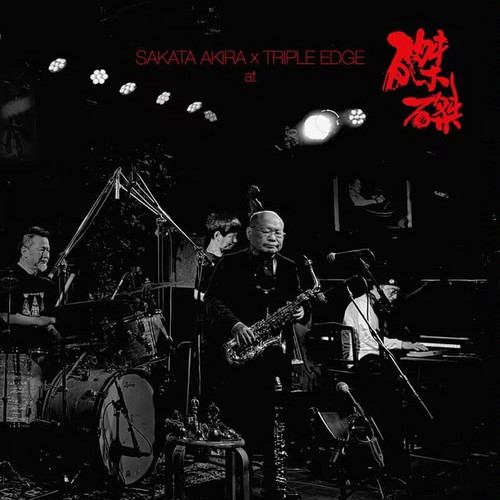
At Takutaku
Akira Sakata x Triple Edge live at Takutaku, Kyoto, February 2024: 65 minutes with Tsuboguchi, Hayakawa and Fujikake, plus Takayuki Kato on guitar and Hiroshi Funato on contrabass, built around the two-part Takutaku Suite.
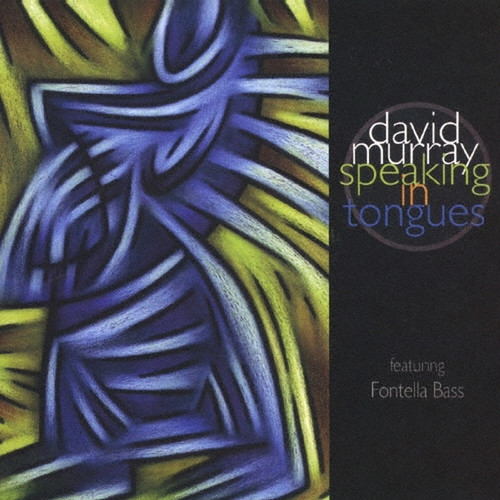
Speaking In Tongues
One day in a Paris studio, December 1997. David Murray goes back to the gospel church of his Berkeley childhood with Fontella Bass, the voice of Rescue Me and the Art Ensemble's Theme de Yoyo, over Hammond B3, electric bass and guitar. Amazing Grace, How I Got Over, and Murray's own twelve-minute Missionary.
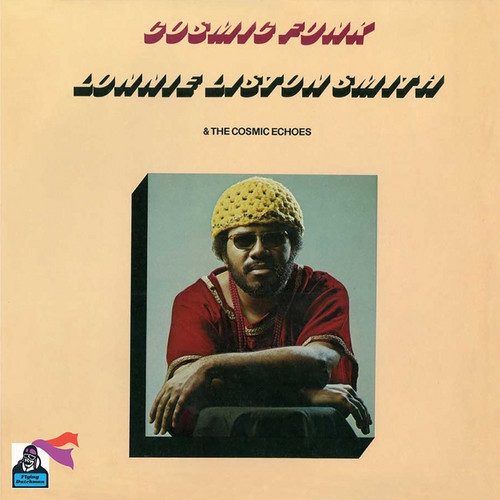
Cosmic Funk
Lonnie Liston Smith's second Flying Dutchman album, April 1974, and the first with the Cosmic Echoes and his brother Donald's voice. Produced by Bob Thiele. Electric piano funk on the title track, Shorter's Footprints, Mtume's Sais, and a sung version of Coltrane's Naima to close.
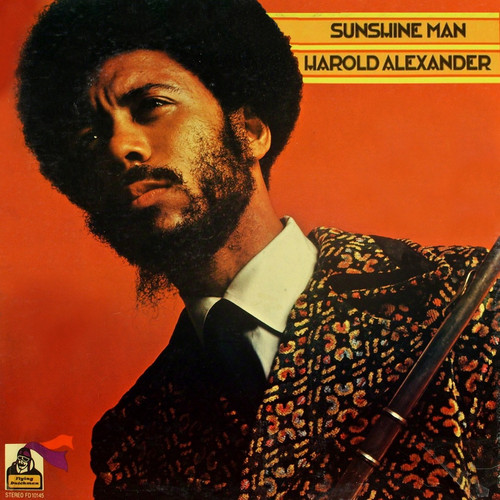
Sunshine Man
Two days in May 1971, produced by Bob Thiele for Flying Dutchman. Harold Alexander on flute and soprano over Neal Creque's electric piano, Richard Davis's bass, Pretty Purdie's drums and Richard Landrum's congas. Contains Mama Soul, the scat-flute track that got him into DJ sets decades later.
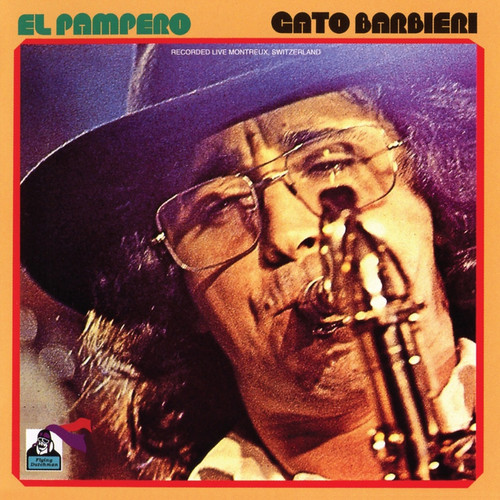
El Pampero
Montreux, 18 June 1971. Gato Barbieri on tenor, Lonnie Liston Smith on piano, Chuck Rainey on electric bass, Bernard Purdie on drums, Sonny Morgan on congas and Naná Vasconcelos on berimbau and percussion. Bob Thiele produced, and Flying Dutchman issued it the same year.
Four pieces and forty-one minutes. The title track, Barbieri's own, runs almost fourteen. Then a Carlos Gardel tango, Mi Buenos Aires Querido, a Brazilian standard, Brasil, and twelve minutes on Atahualpa Yupanqui's El Arriero, …
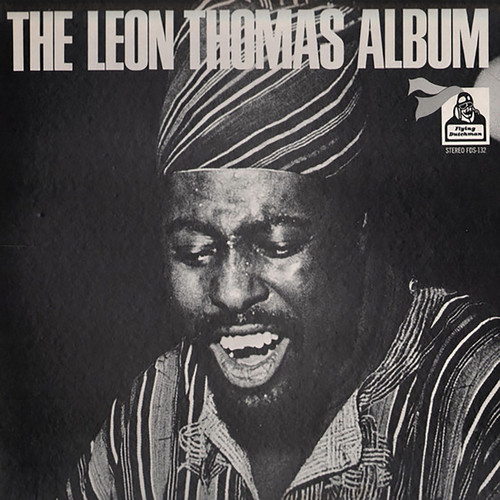
The Leon Thomas Album
Leon Thomas's second album for Bob Thiele's Flying Dutchman, 1970: a horn section arranged by Oliver Nelson, Billy Harper, Howard Johnson, Billy Cobham and Roy Haynes, and two live spiritual jazz pieces, the eleven-minute Um, Um, Um and the side-long Pharoah's Tune (The Journey).
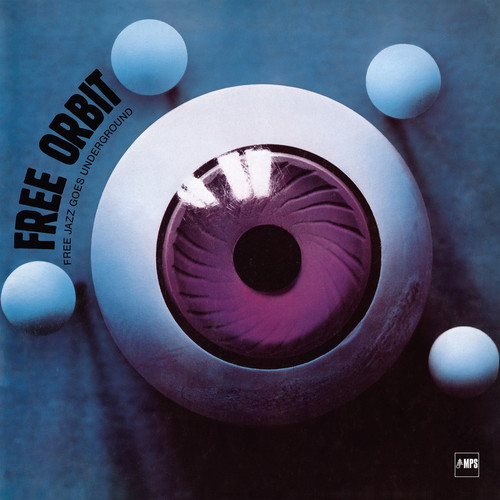
Free Jazz Goes Underground
Hamburg, 1969. A drummer recently arrived from Westphalia, known around the Jazzhouse on Brandstwiete as a capable timekeeper who could swing in 4/4 and play rock beats, which is why Klaus Doldinger had hired him for Passport. His name was Udo Lindenberg. Free Jazz Goes Underground, released by MPS in 1970 under the name Free Orbit, is the first studio album of the band he led, and he sings on it, in English, alongside a second vocalist.
MPS's own note on the reissue admits you need careful list…
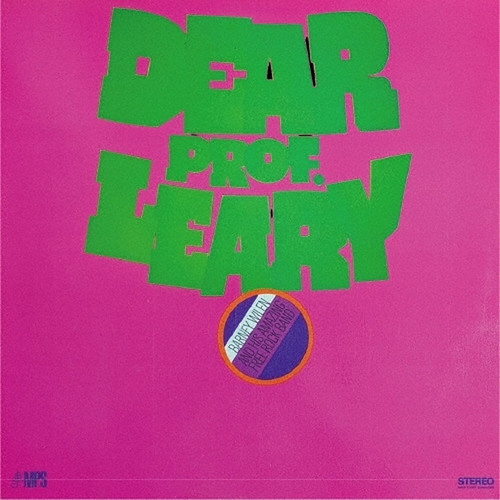
Dear Prof. Leary
Villingen, 27 and 28 June 1968. Barney Wilen, the tenor of Ascenseur pour l'échafaud, with a young Joachim Kühn on organ and piano, Aldo Romano and Wolfgang Paap on two drum kits, Mimi Lorenzini's guitar and Günter Lenz's bass. Ode to Billie Joe, Respect, Lonely Woman and the Supremes, dedicated to Timothy Leary.
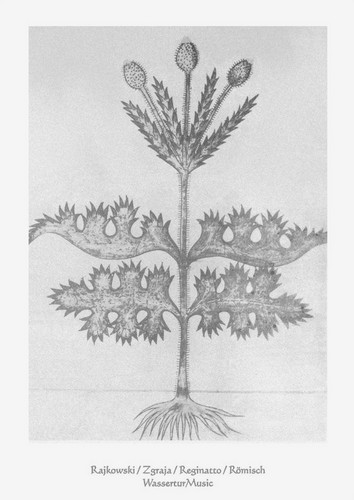
WasserturMusic
Four improvisers in a historic water tower in Braunschweig: overtone singing, Tibetan bells, trumpet, pipe organ, alto sax and double bass stretched into seven long, reverberant, meditative pieces. Limited to 350 copies.