★Bureau B
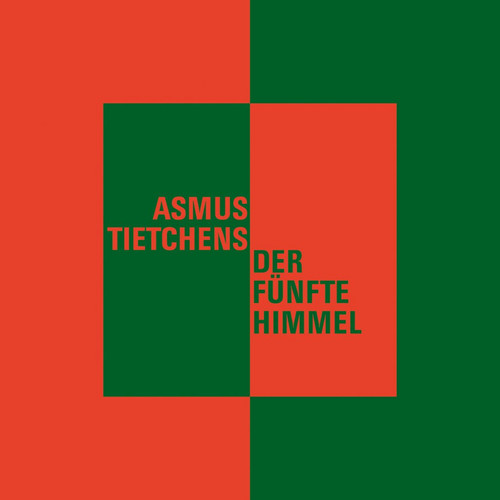
Der Funfte Himmel
Tietchens at his most seductive. 'The fifth heaven' pairs the Hamburg sound-chemist's rigorous electronics with an unexpected melodic sweetness. Shifting synthetic textures, precise and strange: abstract music that still charms.
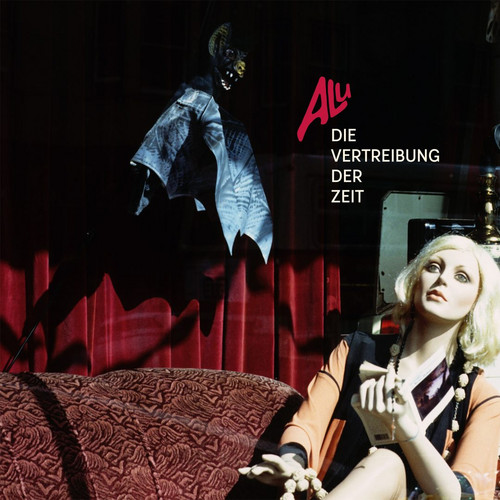
Die Vertreibung Der Zeit (1980-1986)
Home-taped minimal synthesis from the German cassette underground, 1980-86. Alu's austere drum machines, cheap keyboards and deadpan Deutsch build a private, hypnotic little world. A lost minimal-wave gem exhumed by Bureau B.
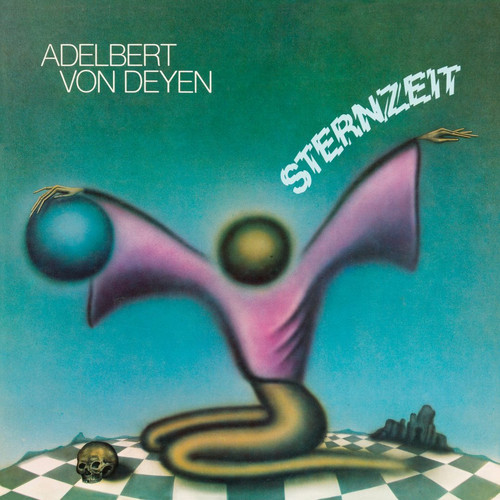
Sternzeit
Von Deyen's debut, an interstellar synthesizer suite of vast pads and slow sequencer pulse. Sternzeit (star time) is pure late-'70s German cosmic music, equal parts Tangerine Dream grandeur and lonely, meditative space.

Nordborg
More deep-space synthesis from the reclusive cosmic voyager. Nordborg unfolds in patient, glacial layers of Moog and Mellotron: Berlin-school drift at its most oceanic and serene. A cult private-press artefact returned to CD.
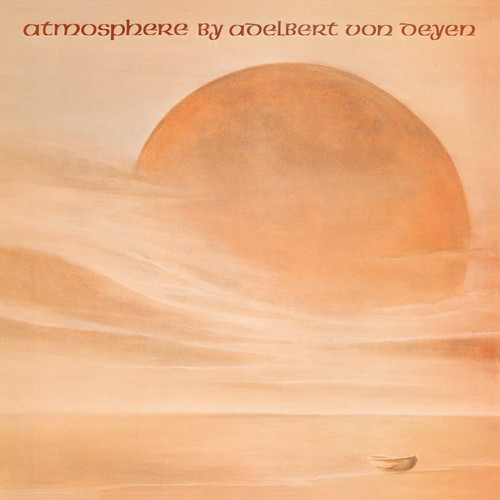
Atmosphere
Vast, weightless synthesizer vistas from the German cosmic underground. Von Deyen layers Moog and Mellotron into slow-drifting cloudscapes, poised between Berlin-school sequencing and pure ambience. A private-press reverie, on CD for the first time.
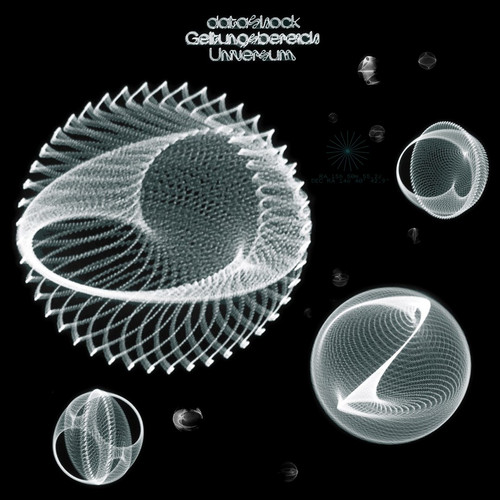
Geltungsbereich Universum
LP version. All the herbs have been smoked. Datashock deliver a new album: Geltungsbereich Universum. Their second for Bureau B and the eighth in a career as an internationally active collective of musicians which has spanned two decades (so far). Space is the place, as the moonstruck sparrows sing from the rooftops, or is the Earth the most beautiful place in the universe? Some say yes, others no. Datashock say nothing at all."Twenty years and counting, and yet here they are, as shoulder-shrugg…
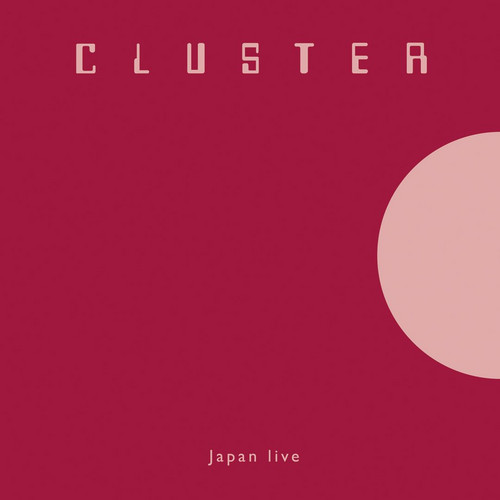
Japan Live
After Curiosum (BB 038CD/LP, 1981), the last Cluster album to be released on Sky, Roedelius and Moebius turned their attention to solo work. It was not until the early 1990s that Cluster returned to the electronic music stage with Apropos Cluster (BB 171CD/LP, 1990) and One Hour (BB 172CD/LP, 1994). The duo also took to the road for live shows in Germany and Europe, followed by tours across the USA and Japan. Some of these concerts were recorded in digital quality and offer compelling evidence o…
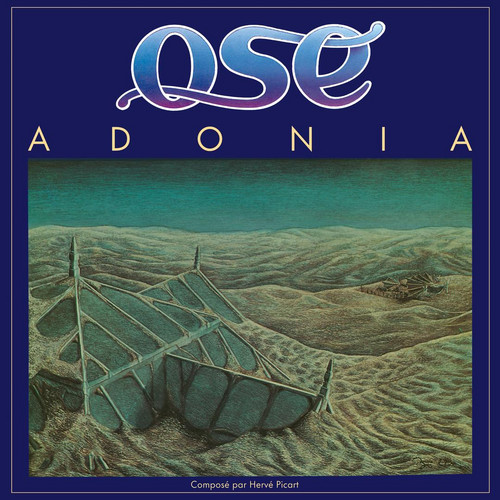
Adonia
Recorded across a single sweltering Paris summer in June 1978, Adonia - the lone album credited to Ose - captures a rare alignment of intellect, imagination, and emerging technology. For decades it has lingered as one of the great half-secrets of French electronic music's most fertile decade, traded between collectors who understood exactly what they were holding.
At just twenty-six, Hervé Picart was living three parallel lives: scholar of rhetoric and ancient languages, journalist for the Frenc…

Conal
Conal arrived in 1981 on the Norwegian independent Uniton Records, in a run of 4,000 copies, at a point when Conrad Schnitzler was long past being a German secret. The founding member of Kluster and a brief early presence in Tangerine Dream had spent the 1970s building a body of work largely outside the record industry, issuing a torrent of self-released cassettes and LPs whose titles almost all open with the syllable Con, completed by a second that points somewhere. By the start of the 1980s th…
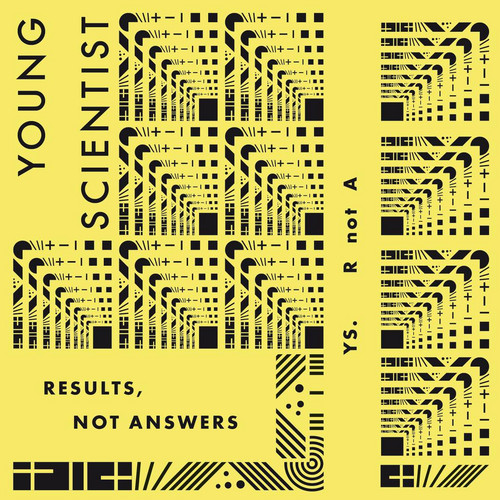
Results, Not Answers
Bureau B present a reissue of Young Scientist's debut album Results, Not Answers,
originally released in 1979. When you think of the music to have
emerged from Seattle, grunge and Sub Pop are probably the first things
that come to mind. But Seattle was already home to a vibrant alternative
music scene back in the 1970s. One of the most prominent synthesizer
acts of the period was the trio Young Scientist. Influenced by the likes
of Cluster, Harmonia, and Tangerine Dream, they released thei…

The Faust Tapes
There’s something perversely fabulous about the thought of this warped masterwork wandering into 60,000 unsuspecting British homes in 1973. Faust’s second-and-a-half album hit the shops to celebrate their signing to the nascent Virgin Records, who were looking to take advantage of the zeitgeist for German music at that time. Undeterred by the fact the band’s unwillingness to engage with the commercial landscape had seen them dropped from Polydor, Branson and co cooked up a suitably spectacular m…
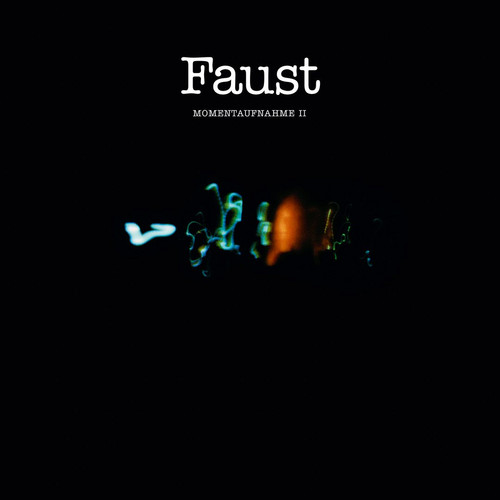
Momentaufnahme II
Momentaufnahme II extends Faust’s recent excavation of their 1971–1974 archive, presenting a second volume of unheard and under‑heard material from the Wümme years. Compiled from recordings that didn’t make it onto the mammoth 1971–1974 (50 Years of Faust) eight‑LP box, this collection functions not as an outtakes bin but as a parallel narrative: how Faust sounded when the tape kept rolling between “official” takes, and how their anarchic, avant‑rock mission permeated even the most fragmentary e…
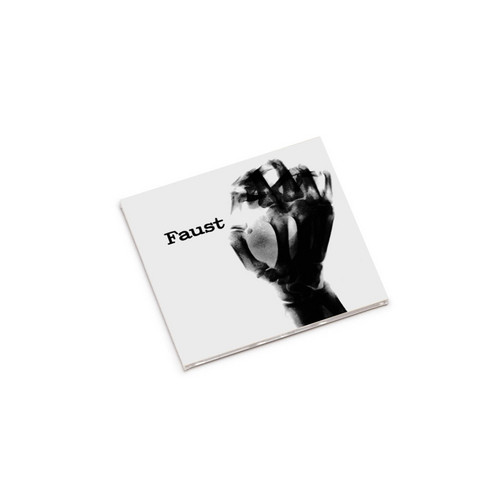
Faust
Few debut albums arrive with the kind of self-contained logic and radical spirit found on Faust's self-titled 1971 statement. Released at the height of rock music's imperial phase, it marked the beginning of a project that would sidestep genre and expectation entirely, offering instead a fractured, exploratory take on what popular music could become. This Bureau B reissue offers a fresh opportunity to engage with one of the most curious and uncompromising records of its time. Faust emerged from …
Release the Beast
Release the Beast marks CV Vision’s sixth studio album and his most gleefully hybrid statement to date, a follow‑up to Im Tal der Stutzer that turns genre fusion into its main organising principle. Rooted in an adventurous krautrock spirit, Berlin‑based Denis Schulze (CV Vision) treats psych rock, Detroit techno, distorted synthesizers, black metal and library music not as separate territories but as colours on the same palette. The record unfolds as a wild, cross‑style trip where meandering gui…
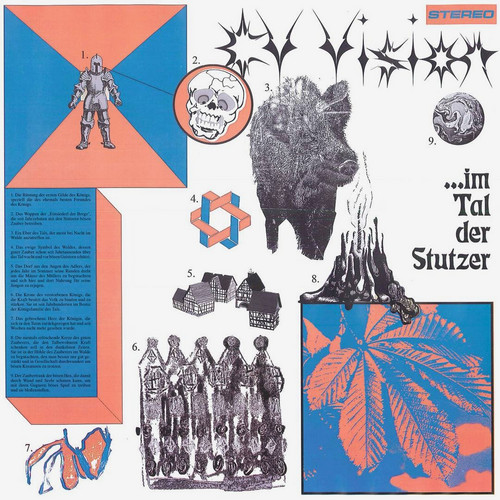
Im Tal der Stutzer
You might've caught CV Vision in Berlin, either on stage or behind the mixer at some of his favourite clubs like Arkaoda, Heiners or O Tannenbaum. He could be accompanied by synths, or drum kit, or even full band – channelling his love of Bo Hansson and Claude Larson, or Soft Machine and Picchio dal Pozzo. Always heavy on the backbeat, the songs awash with heady synths and expansive psych inversions. Taking inspiration from deep in the mediaeval mists of times long past, CV Vision comes riding o…

Consequenz III
On Consequenz III, Conrad Schnitzler and Wolf Sequenza (Wolfgang Seidel) drive their most “pop‑adjacent” collaboration to a razor’s edge. Eleven short rhythmic études balance strict, serial electronics against near‑song structures, turning drum‑tight patterns and sequenced pulses into miniature, dance‑optional experiments in post‑Berlin‑school repetition.
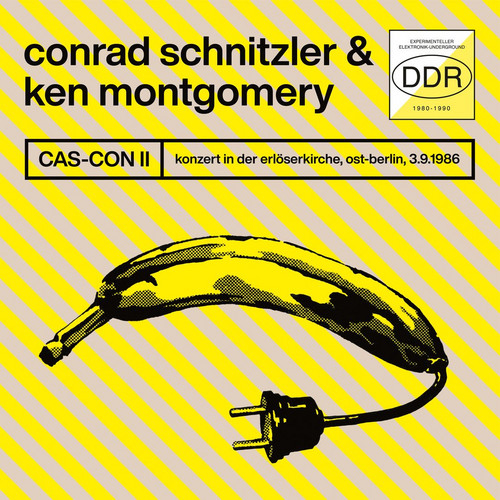
Cas-Con II
As part of our series "Experimental Electronic Underground GDR", we are very pleased to be able to make a very special recording available again. On the evening of 3.9.1986, the privately announced and illegal concert took place in the Erlöserkirche in East Berlin/GDR. Montgomery mixed Schnitzler's music live from the tapes. Jörg Thomasius recorded the performance and released the recording in 1987 on his own underground cassette label Krötenkassetten. The elaborately restored original recording…

Con-Struct
The German pioneer of electronic music Conrad Schnitzler (1937-2011) amassed a vast archive of sounds for use in combination with each other in live performances. In 2011 the idea came up of con-structing new compositions, not remixes, from this material. The Con-Struct series was born. This release features con-structions by Baal & Mortimer who writes about it in the linernotes: It was exciting to break open existing material, peeling something out of the past and thus transgressing it and open…

Agneta Nilsson (Heldon IV)
Bureau B present a reissue of Heldon's fourth album Agneta Nilsson, originally released on Urus Records in 1976. Agneta Nilsson opens with a mind-paralyzing track that proves stillness can have a pulse. "Perspective I" spends ten minutes poring through tectonic layers of heavy sound, piling everything so thick that the song becomes like quicksand for your brain. It's one of the most daunting works in the Heldon catalog, made all the more impressive by how simple it is. It's just sounds put toget…
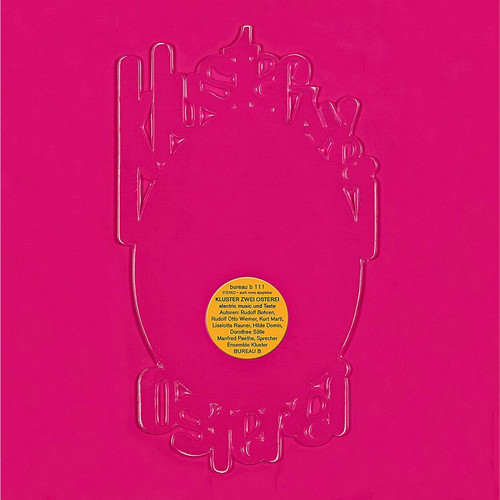
Zwei-Osterei
CD version. Zwei Osterei is the second half of a recording session which took place on a single day in November 1970. Klopfzeichen is the first part. Yet the uncompromising Zwei Osterei surpasses the earlier Klopfzeichen album by some distance in terms of its harsh noisiness and near brutal sonic attacks. Everything that was left of the revolutionary verve of the late 1960s seems to have been distilled into this music with a burning glass: aesthetic destruction to liberate the mind and ears for …