★Nessa Records
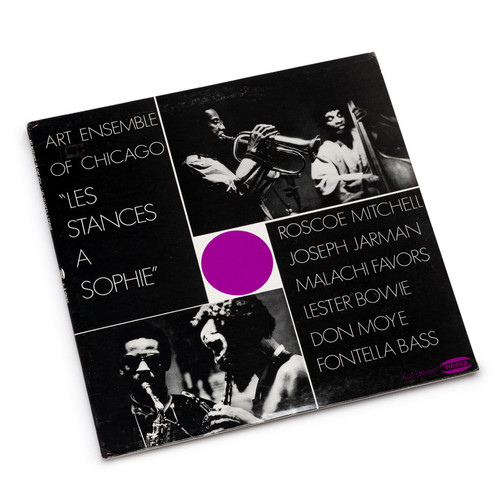
Les Stances A Sophie (LP)
Rare 1970's re-press on Nessa of the 1970 album with the soundtrack to the Moshé Mizrahi film.
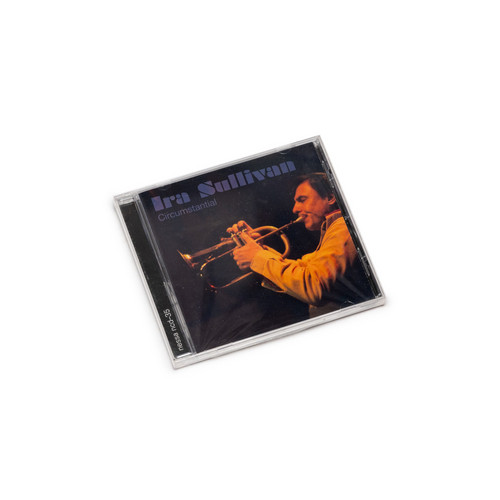
Circumstantial
On Circumstantial, Ira Sullivan returns to Chicago after fourteen years away, sounding both relaxed and razor‑sharp as he trades easy, hard‑won wisdom with a seasoned hometown rhythm section and a fiery young guitarist at his side.
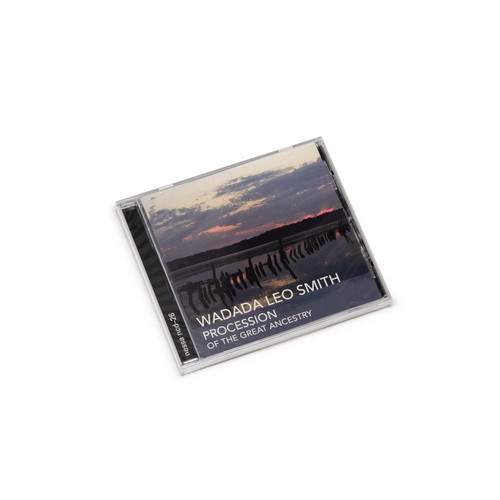
Procession of the Great Ancestry
On Procession of the Great Ancestry, Wadada Leo Smith threads trumpet history and civil rights struggle into a lean, glowing suite where dedications to Davis, Gillespie, Little and Eldridge sit alongside blues testifying and a closing hymn for Martin Luther King Jr.
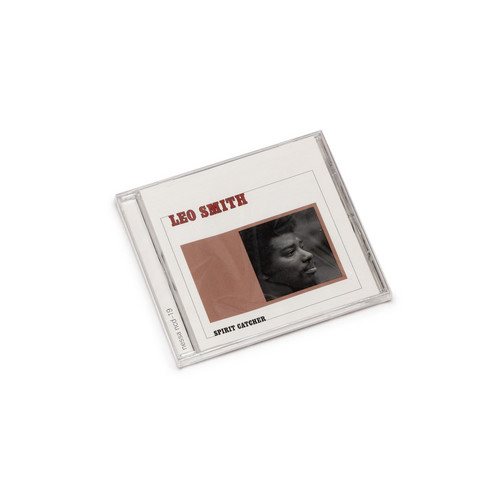
Spirit Catcher
On Spirit Catcher, Wadada Leo Smith moves between luminous small‑group ritual and radical chamber experiment, setting airy trumpet-and-vibes lyricism against the austere blaze of a muted horn surrounded by three harps.
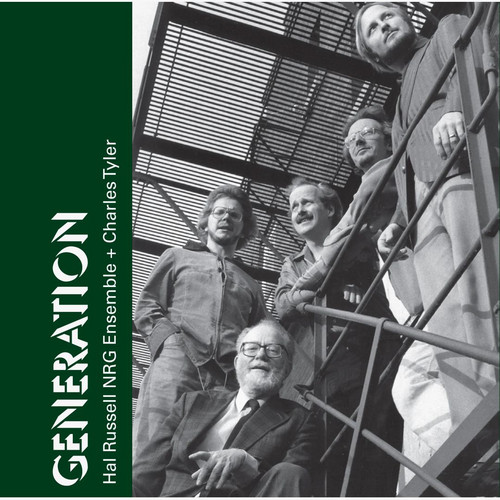
Generation
On Generation, Hal Russell’s NRG Ensemble collides with Charles Tyler to turbo‑charge its already volatile chemistry, turning multi‑author charts into a raucous, shape‑shifting suite of free‑jazz blowouts, sly grooves and side‑eyed melody.
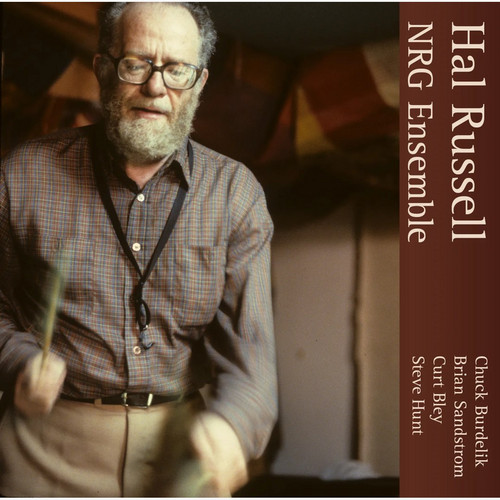
Hal Russell NRG Ensemble
On their 1981 debut, NRG Ensemble, Hal Russell and his much younger bandmates detonate a joyous, combustible mix of free jazz, skewed swing and dada humour, turning multi-instrumental chaos into a sharply etched group identity.
Ride The Wind
On Ride The Wind, Roscoe Mitchell scales up the chamber‑like intensity of his Conversations work, setting it inside a 20‑piece Montreal–Toronto ensemble that treats his textures as weather systems to move through, reshape and suddenly ignite.
Four Ways
On Four Ways, Roscoe Mitchell joins Stephen Rush’s shape-shifting Yuganaut trio for an electrically unstable encounter, where reeds, synths and oddball acoustics melt into one long, multi-hued improvising organism.
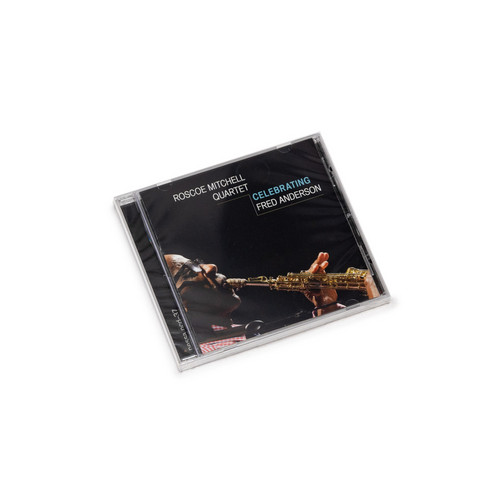
Celebrating Fred Anderson
On Celebrating Fred Anderson, Roscoe Mitchell honors a fellow Chicago giant with a live quartet that turns remembrance into motion, weaving Fred’s themes and Mitchell’s originals into long, tensile arcs of chant, swing and open-form ritual.
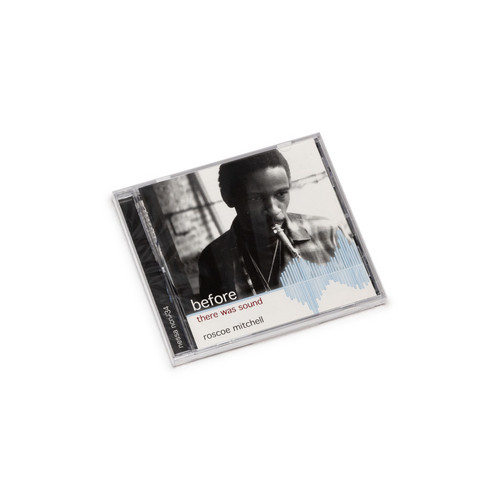
Before There Was Sound
On Before There Was Sound, Roscoe Mitchell’s 1965 quartet with Fred Berry, Malachi Favors and Alvin Fielder captures the AACM language in embryo: sharp themes, free rhythm and a restless sense of form already pushing past hard‑bop borders.
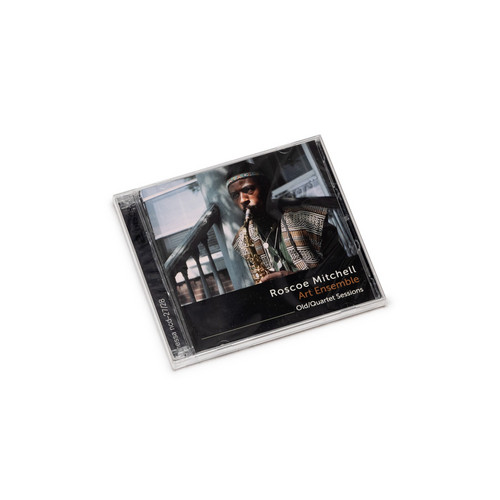
Old / Quartet Sessions
On Old/Quartet Sessions, Roscoe Mitchell’s 1967 Art Ensemble - with Lester Bowie, Malachi Favors and Phillip Wilson - appears in raw formation, sketching the grammar that would soon detonate as one of free music’s most inventive bands.
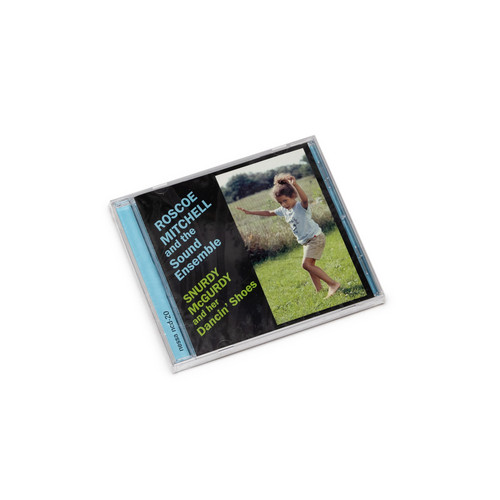
Snurdy McGurdy And Her Dancin' Shoes
On Snurdy McGur dy and Her Dancin’ Shoes, Roscoe Mitchell launches the Sound Ensemble with a volatile mix of abstraction and groove, folding AACM rigor into slyly funky frameworks that keep tilting from tight forms into open risk.
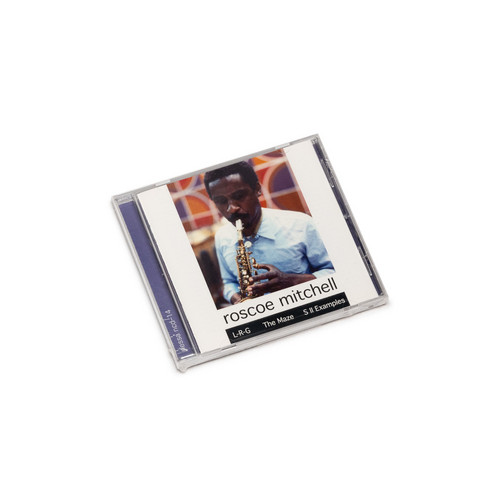
L-R-G / The Maze / S II Examples
On LRG/The Maze/S II Examples, Roscoe Mitchell frames three radically different constructions - a lucid brass-and-reeds trio, a labyrinthine percussion octet and a stark soprano solo - as parallel studies in space, timbre and compositional intelligence.
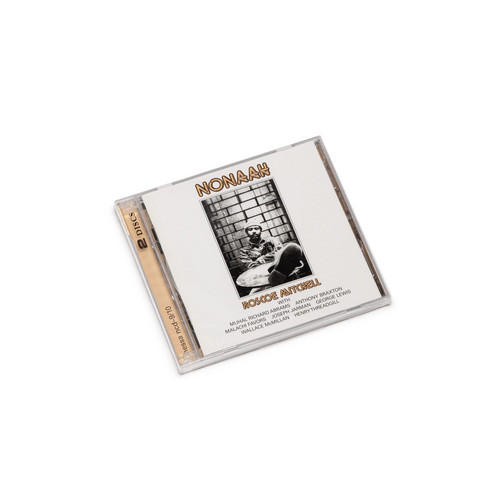
Nonaah
On Nonaah, Roscoe Mitchell turns the alto saxophone into a fault line, setting stark solos, prickly duets and dense small‑group pieces against one another to test how far a single composition and a single sound can be stretched.
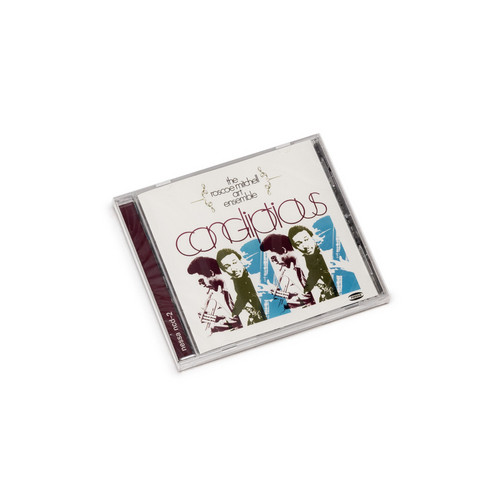
Congliptious
On Congliptious, Roscoe Mitchell strips the Art Ensemble idea to its bones, pairing stark solo showcases with a fierce quartet blowout that makes freedom feel both methodical and combustible.
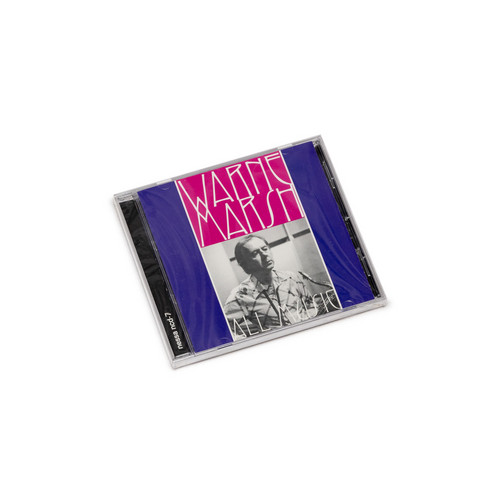
All Music
Recorded in Chicago in 1976, All Music catches Warne Marsh in lucid, late-middle form: a cool-toned tenor moving with dry wit and quiet daring through Tristano-school material, buoyed by Lou Levy, Fred Atwood and Jake Hanna’s alert swing.
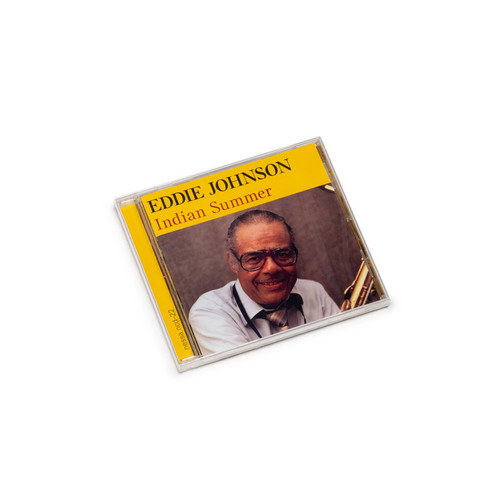
Indian Summer
On Indian Summer, Eddie Johnson lets his late‑era Chicago tenor glow with undimmed warmth, spinning swing‑era lyricism and speech‑like nuance over a veteran quartet that treats time as something to lean into, not chase.
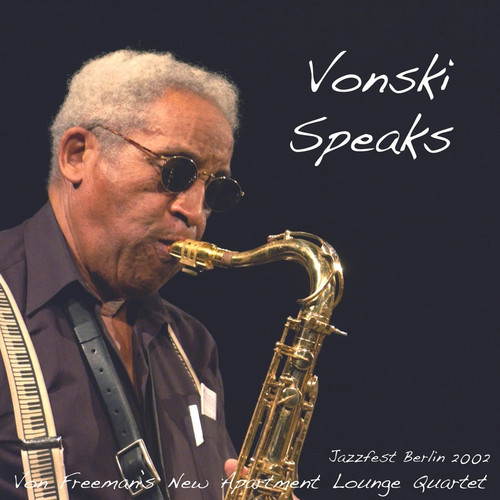
Vonski Speaks
On Vonski Speaks, Von Freeman stretches out with his New Apartment Lounge Quartet at Jazzfest Berlin 2002, turning four long pieces into a swaggering, late‑career testimony to Chicago grit, club intimacy and unforced authority.
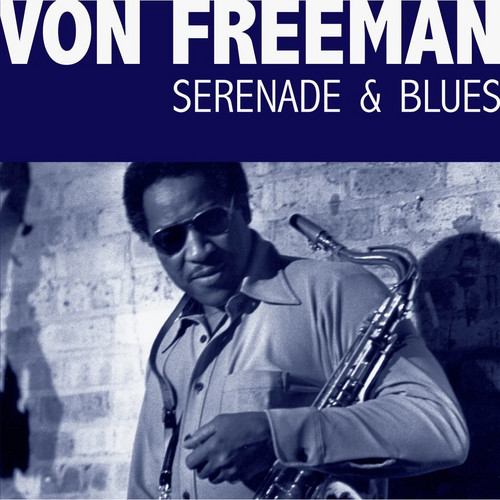
Serenade & Blues
On Serenade & Blues, Von Freeman eases his Chicago tenor into an after‑hours glow, trading the swagger of Have No Fear for late‑night ballads and slow blues that stretch time without ever losing their bite.
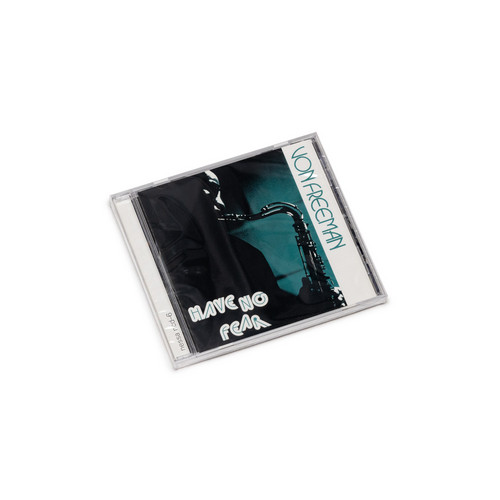
Have No Fear
On Have No Fear, Von Freeman turns a 1975 marathon session into a fiercely personal manifesto, his elastic Chicago tenor pouring blues, bravado and vulnerability into performances that sound both off‑the‑cuff and obsessively shaped.