★Three Blind Mice
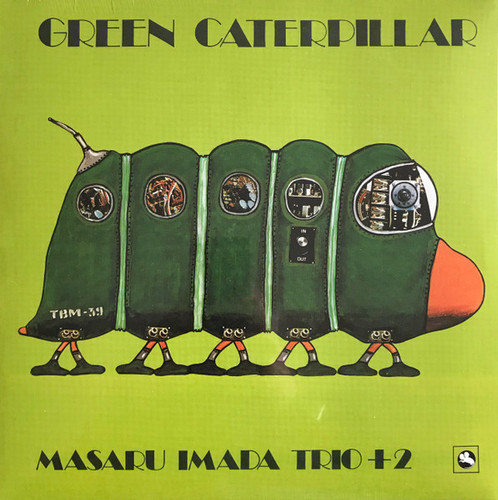
Green Caterpillar
Previous album, "Brow Up," which made it known to the jazz world, this is Isao Suzuki's second album. You can enjoy the interplay with the Watanabe Kazumi, ...etc. This is a masterpiece of one creature.
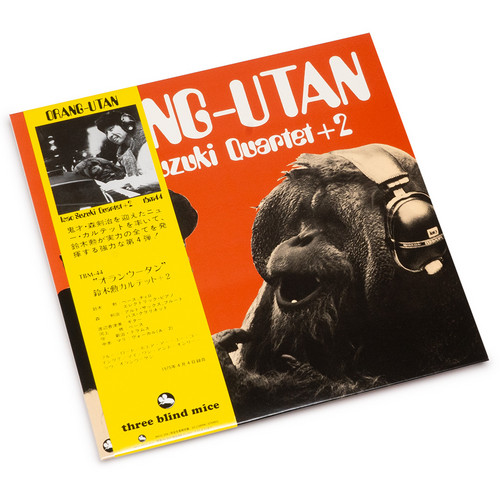
Orang-Utan
Following his success with “Blow Up,” the once-weekly favorite bassist Isao Suzuki returns with his fourth release under the Three Blind Mice label. The heavy, groovy sound he crafts alongside the eccentric talent Kenji Mori remains timeless and undiminished by the years.
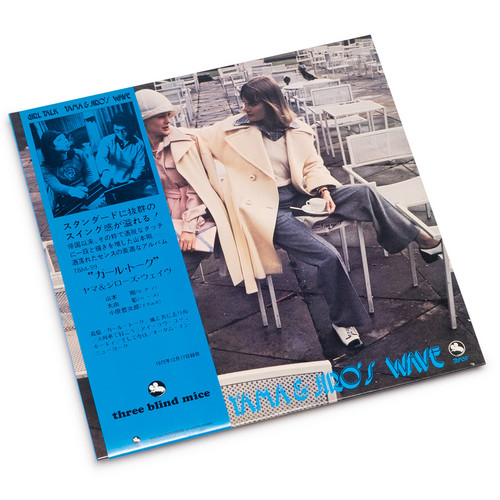
Girl Talk
Girl Talk completes the "trilogy" of great records that started with Midnight Sugar and Misty, Girl Talk solidified Tsuyoshi Yamamoto's reputation as Japan's premier jazz pianist. Though he would continue to tour and record for Takeshi "Tee" Fujii more than a decade, Girl Talk became the pinnacle of his career. This trio of classic LPs together are a benchmark in Japanese jazz records in particular and recording engineering in general. As usual, master recordist Yoshihiko Kannari worked with Yam…

Mr. Wonderful
At the age of 14, Ayako Hosokawa was already performing in the American military clubs in Japan, picking up the English language by singing international pop songs of that time. Now, she represents feeling and soul within her songs, no matter whether she sings in English or Japanese. After her marriage, she moved to the United States and was discovered and sponsored by Earl "Fatha" Hines. She found enthusiastic fans touring San Francisco, Las Vegas, Montreal and lots of places in California, per…
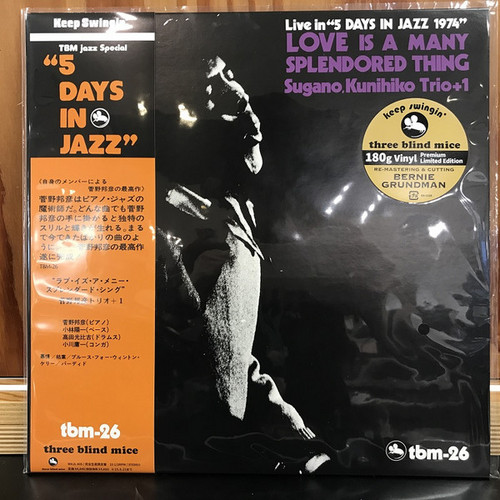
Love Is A Many Splendored Thing
Originally released in 1974, this album features Kunihiko Sugano, often referred to as a piano magician, who is the sole leader remaining in TBM following the 5 Days in Jazz concert recordings sponsored by TBM. Echoes of Erroll Garner's "Genius Kuni" can be felt throughout the music.
Now reissued by the legendary "Wa-Jazz" label, TBM (Three Blind Mice), this iconic label has gained popularity in Europe, the U.S., and beyond. The long-awaited reissue of the original titles on vinyl has been exper…
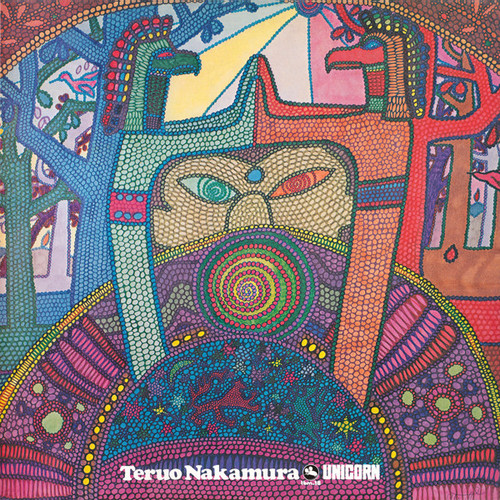
Unicorn
Originally released in 1973, this jazz funk album features Steve Grossman and a lineup of exceptional musicians, appealing not only to jazz fans but also gaining significant support from the Rare Groove and DJ generation worldwide.
Now reissued by the legendary "Wa-Jazz" label, TBM (Three Blind Mice), this iconic label has gained popularity in Europe, the U.S., and beyond. The long-awaited reissue of the original titles on vinyl has been expertly remastered and cut by the renowned Bernie Grundma…
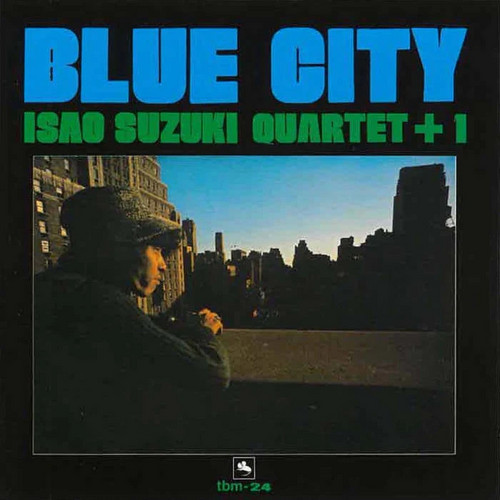
Blue City
Originally released in 1974, this is Isao Suzuki's second album, following his acclaimed debut, "Brow Up," which introduced him to the jazz world. The album features exquisite interplay with Kazumi Wataabe, showcasing a unique musical synergy that makes it a true masterpiece.
Now reissued by the legendary "Wa-Jazz" label, TBM (Three Blind Mice), this iconic label has gained popularity in Europe, the U.S., and beyond. The long-awaited reissue of the original titles on vinyl has been expertly rema…
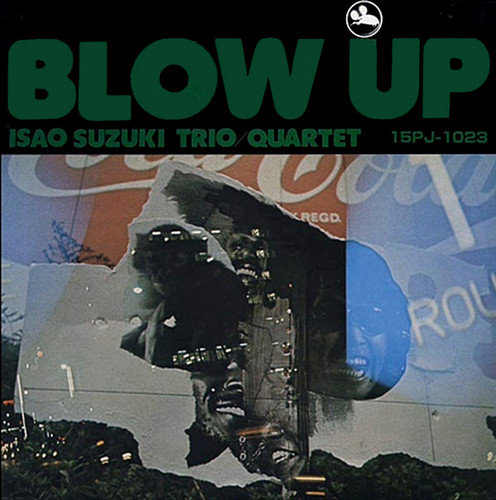
Blow Up
Japanese edition. 180 gram vinyl, comes with Ob A fantastic electric album from one of the most unique bassists of the 70s – Blow Up is one of the most sough-after titles from the acclaimed Three Blind Mice catalog. Isao Suzuki's Blow-Up is virtuosity and class all rolled up into one. A great combination of upbeat blues and mellow grooves! The album was awarded "Jazz of Japan" Award and the Jazz Disc Award of "Swing Journal" in 1973."This adventurous set finds Suzuki and his band mates (drumme…
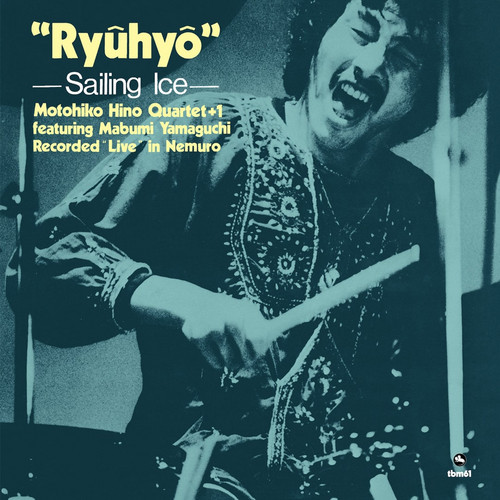
"Ryuhyo" – Sailing Ice
Original release completely reproduced as faithfully as possible. Pressed and printed in Japan. A recording of a passionate live performance held in the northern land of Nemuro, which continues to be loved along with the first album "Tact." The title song is literally epic, like ice floes colliding in the ocean. Played by a group under the direction of the legendary Japanese drummer Motohiko Hino, the music is firmly in the finest modal way. The reed players, Mabumi Yamaguchi on tenor and Yasuak…
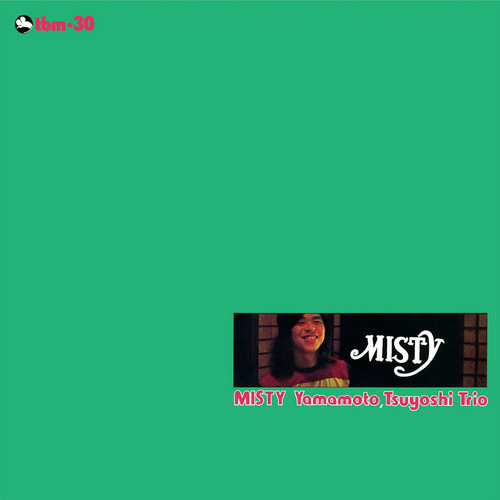
Misty
Big Tip! Original release completely reproduced as faithfully as possible. Misty is one of the most sought-after titles from the acclaimed Three Blind Mice catalog. Few, if any, international audiophile jazz recordings have maintained the kind of deep and profound influence over techniques and even entire label repretoire as Three Blind Mice's Blow Up, Midnight Sugar and Misty. Originally recorded in Tokyo in 1974, this Piano Trio release from TBM features Tsuyoshi Yamamoto on piano, Isoo Fukui …
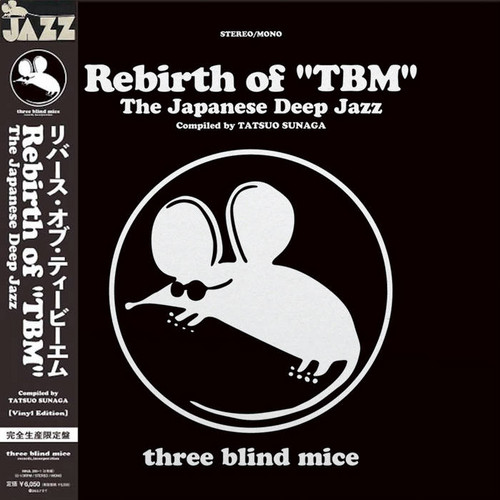
Rebirth of "TBM" - The Japanese Deep Jazz (Compiled by Tatsuo Sunaga)
Tip! Three Blind Mice revitalized the Japanese jazz scene during the 1970s and 1980s. Its initial mission was to proactively produce albums of new musicians. Another goal was to expand its fan base, which was done by releasing albums of famous musicians. Through these efforts, TBM has greatly contributed to enriching the Japanese jazz scene. Tsuyoshi Yamamoto and Isao Suzuki were two of the leading figures who gained prominence by their works on TBM. Yamamoto quickly became a star in the Japanes…
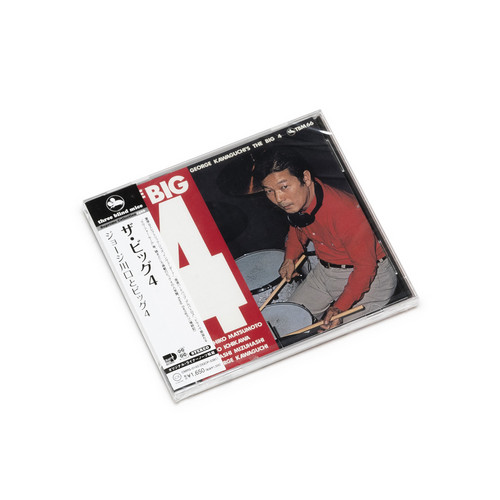
The Big 4
*2023 stock* Japan's legendary drummer steps out here with a killer combo – definitely a "big 4", given that the group features excellent tenor work from Hidehiko "Sleepy" Matsumoto, plus Fender Rhodes and acoustic piano from Hideo Ichikawa! George Kawaguchi's famous sense of swing really gets the whole thing going – that big, round approach to the drums that was somewhere in a space between Art Blakey and Buddy Rich – and which was definitely hitting some of its hipper tones by the time of this…
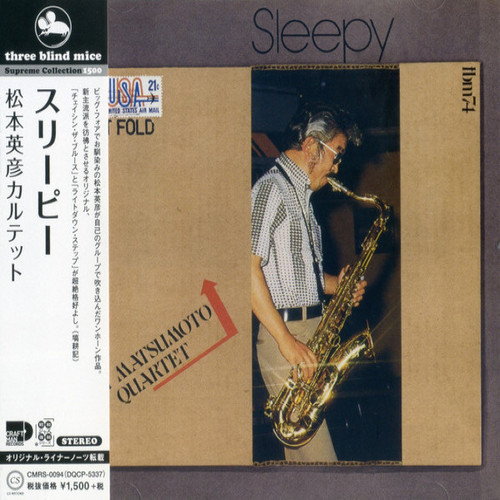
Sleepy
*2022 stock* "Hidehiko Matsumoto Quartet – Sleepy released by Three Blind Mice. Album recorded in 1976 and it was DSD mastering from the original analogue master tapes. This record, made in 1976 in a one-horn quartet setting, showcases Matsumoto’s brilliant playing on both tenor saxophone and flute. He is a true master of both instruments and it is a great pleasure to hear him beautifully recorded by the people of Three Blind Mice. A masterpiece, with great sound." - Audiophile Music
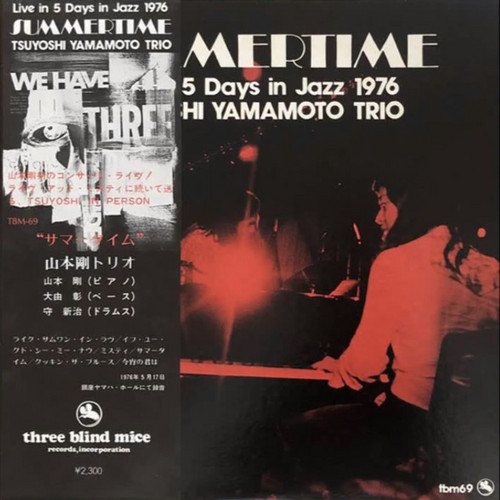
Summertime
*2022 stock* "This is a live recording of "5 Days in Jazz 1976". The album features the seventh release of TBM's "5 Days in Jazz 1976," which concentrates the charm of Tsuyoshi Yamamoto, including his signature tune "Misty," "Summertime," featuring Oyui, and "Cookin' the Blues", which shows off his signature blues feeling to the fullest." - Koki Hanawa

Black Orpheus
*2022 stock* "A beautifully spare session from the mid 70s – one that features bass and cello from Isao Suzuki – stretching out here in a sound that's totally unique! The trio's a great one – with Donald Bailey on drums and Tsuyoshi Yamamoto on both acoustic piano and Fender Rhodes – the latter of which sounds amazing next to Suzuki mellow-stepping lines. If you've heard any of Suzuki's other albums from the period, the style is somewhat similar – quite soulful throughout, but with an easygoing,…
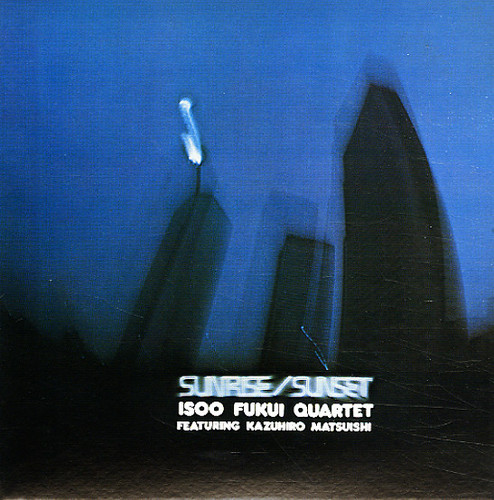
Sunrise/Sunset
*2022 stock* "Mindblowing sounds from Japanese bassist Isoo Fukui – one of a handful of 70s players on that scene who really helped reinvent the sound of his instrument in jazz! Isoo really drives the group here up from the bottom – by playing both bass and cello with these well-inflected notes that are heavy on soul and rhythm, and which often enforce a modal sensibility that's carried out perfectly by the vibes of Kazuhiro Matsuishi and piano of Hideo Ichikawa! A few numbers feature guitar fro…
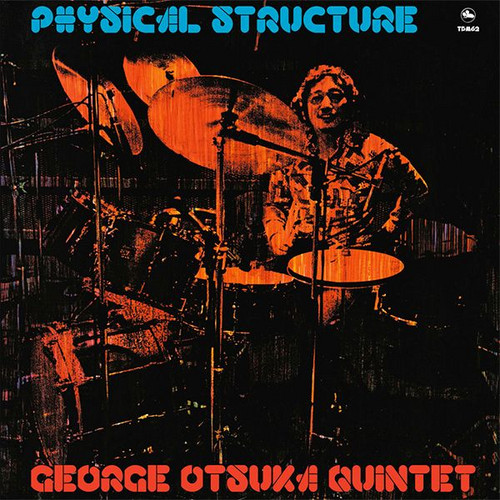
Physical Structure
*2022 stock* Amazing 1976 record by drummer George Otsuka, Physical Structure is an amazing jazz-fusion record featuring Fumio Karashima on piano and Fender Rhodes and Shozo Sasaki on tenor sax. Check the surprising and sublime cover of Naima which alone justifies to get this record! Personell list: George Ostuka (drums), Shozo Sasaki (tenor and soprano sax), Fumio Karashima (piano, electric piano and synthesizer), Mitsuako Furuno (bass), Norio Ohno (percussion).
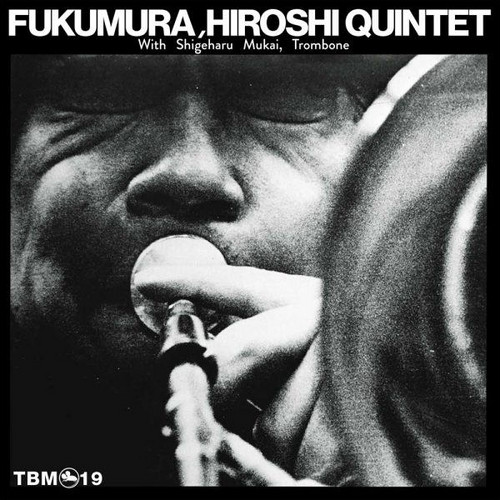
Morning Flight
*2022 stock* Recorded in 1973, “Morning Flight” by trombonist Hiroshi Fukumura is a stunning modal and spiritual jazz album! Genius work from Japanese trombonist Hiroshi Fukumura – working here at the helm of a twin-trombone group that also features the talents of Shigeharu Mukai – in a style that's filled with soul and free-thinking imagination! The two players work together beautifully here – avoiding any of the cliches of trombone-heavy groups from the past – and instead, using the open-ended…
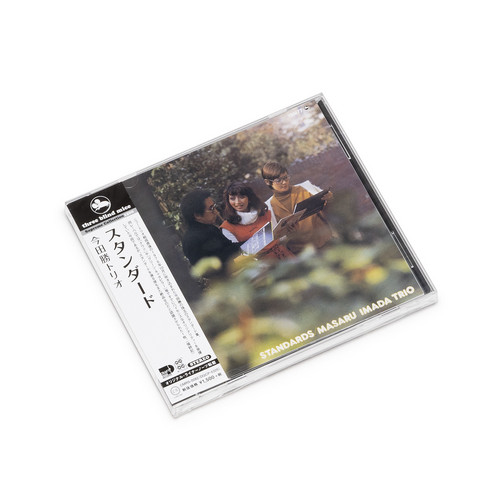
Standards
2026 Repress. Sublime release from Masaru Imada Trio. Imada's got a way of letting a tune really find its way organically – almost as if the songs here are little flowers opening up in his fingers on the keyboard of the piano – although never in a style that's "flowery" at all, because Imada's a master of finding just the right notes at the right moment – never embellishing things just to show off. Instead, his imagination finds all the best paths forwards, especially on his original tunes on th…
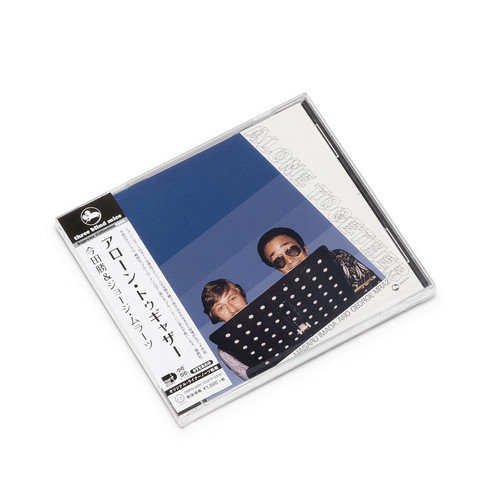
Alone Together
A piano-bass duo session cut in a single day at Tokyo's Onkio Haus on 24 October 1977, during one of the bassist George Mraz's rare passages through Japan. The format leaves nowhere to hide and the two players treat that exposure as the point of the exercise: Masaru Imada's voicings opened up to admit Mraz's lines as full equal voices, the Czech-American bassist drawing on the resonant, singing tone he had developed through his work with Tommy Flanagan and Stan Getz.
The programme alternates two…