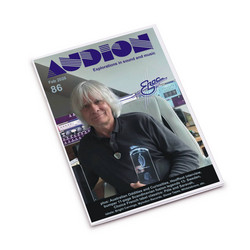
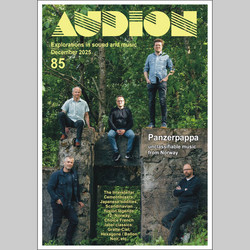
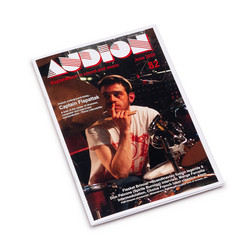
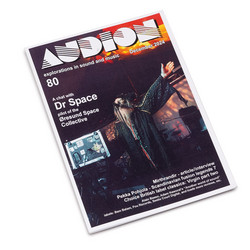
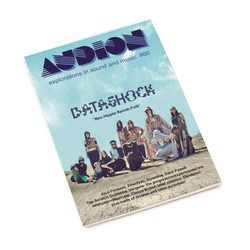
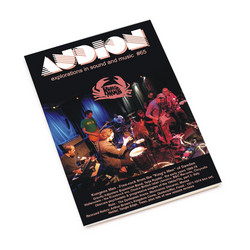
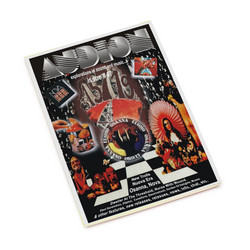
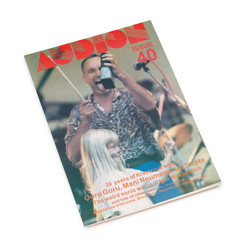
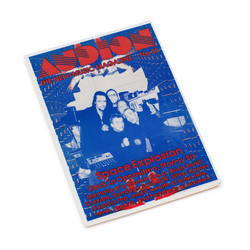
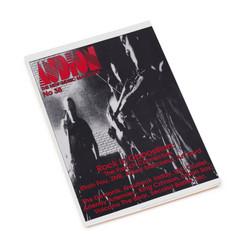
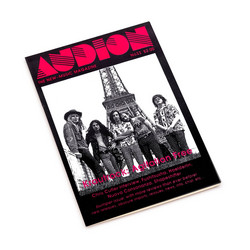
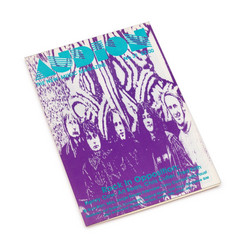
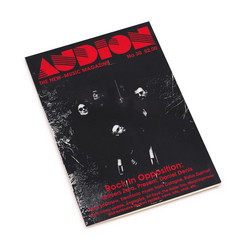
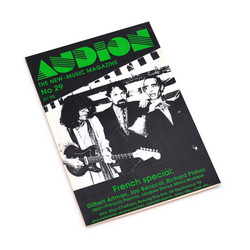
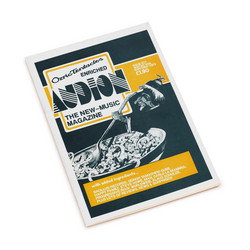
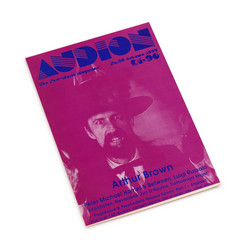
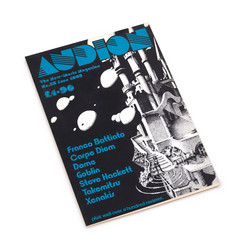
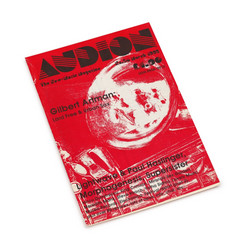
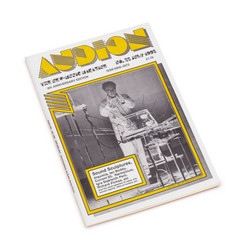
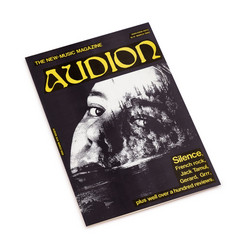
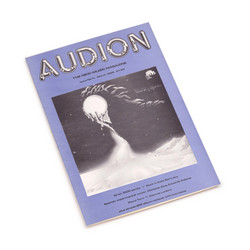
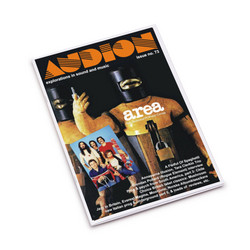
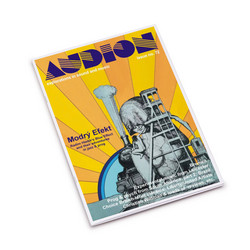
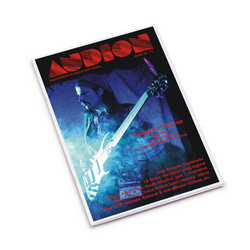
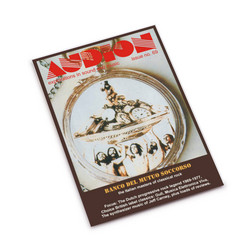
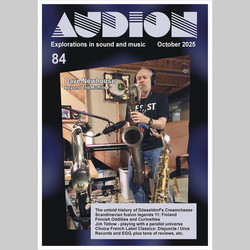
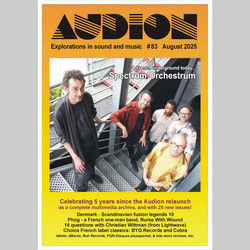
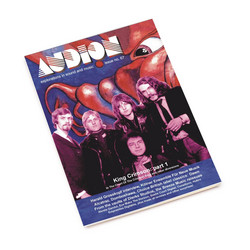
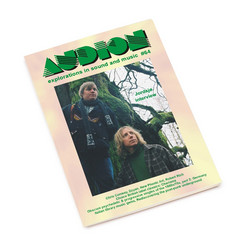
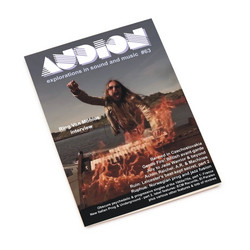
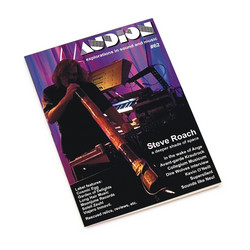
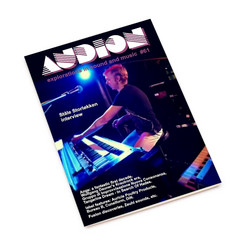
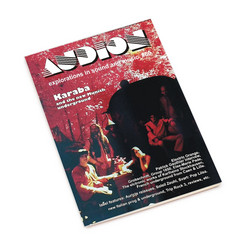
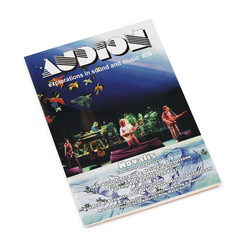
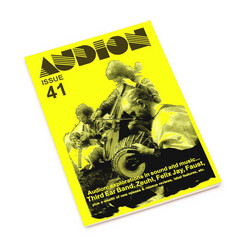
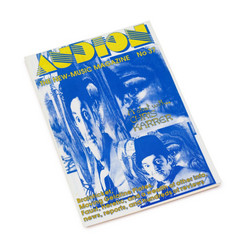
Audion 70 catches Audion Magazine in full investigative mode, tracing unlikely connections between avant-garde improvisers, 1970s label culture and the latest mutations of progressive rock. At its core is a substantial feature on AMM / AMMMusic, treating the ensemble not as a distant academic reference but as a living fault-line in post‑war sound. The article unpacks how AMM’s radical non-idiomatic improvisation, tape abuse and volume-as-material approach rewired the language of collective playing, and why their work still feels confrontational in an era saturated with “experimental” tags. Rather than freezing them in legend, the piece tracks personnel shifts, key recordings and parallel activities, showing how this loose grouping influenced everyone from free jazz outsiders to noise and minimalism.
From there, Audion 70 swings to the other side of the Atlantic with a profile of Birth, marking the San Diego band out as one of the most compelling contemporary carriers of the prog torch. Their “new prog sounds” are examined in terms of composition, tone and live energy, situating them not as retro-prog revivalists but as players folding psych, jazz and knotty rock structures into something nervier and more present-tense. A richly detailed survey of favourites from the MPS label – the storied Black Forest imprint – offers another anchor: here the focus is on albums that define the label’s particular mix of audiophile warmth and exploratory jazz, from small‑group sessions to lavish big‑band and electric projects, mapping how MPS became a haven for musicians pushing at genre edges.
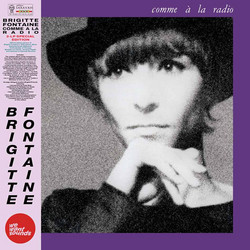
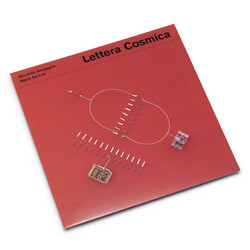
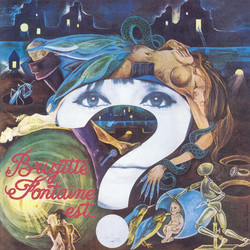
Italian currents course through the issue as well. A major piece on Perigeo and other Italian prog‑fusion acts of the 1970s charts a scene where conservatory‑level chops, Mediterranean melody and electric jazz all converge, revealing how these groups forged their own path parallel to better‑known British and American fusion. “New Italian Prog & Underground – Part 4” brings that story up to the present, scanning recent bands and micro‑labels that keep the peninsula’s exploratory streak alive in more DIY conditions. Complementing this is a dig through French independent & underground obscurities, pulling out albums that never fit neatly into chanson, prog or jazz-rock, and giving them the same close attention usually reserved for canonical releases.
Elsewhere, Audion 70 presents “Paul Nagle – 20 questions with”, a sharp, informal interview with the electronic musician that probes process, influences, studio habits and the peculiar economics of small‑scale synth art. A report on Weird Garden at De Montfort University documents a live/curatorial node where experimental performance, installation and improvised sound collide, giving a sense of how this music lives in real spaces rather than just on archival formats. The long‑running “Choice British Label Classics” series turns its spotlight on Harvest, revisiting the label’s run of progressive, psych and art‑rock releases and digging beyond the obvious to highlight misfit gems and forgotten one‑offs that still sound startling.
All of this is framed by “assorted review features” that range widely across new releases, reissues and archival excavations, written with Audion’s characteristic mix of collector detail and plainspoken enthusiasm. First published as a pdf-only A4 edition on 30 July 2022 and running to 44 pages, Audion 70 is edited by Steve Freeman, with writing, research and layout by Alan Freeman, plus additional contributions from Andy Garibaldi. The result is a dense, navigable issue that feels less like a simple magazine and more like a portable research file – the kind you keep within arm’s reach of your turntable or laptop, ready to spark the next listening detour.