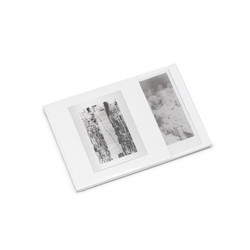
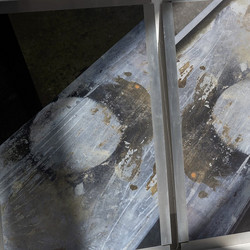
Textures of belonging, relentlessly woven into the epigenetics, layer upon layer, building palimpsests of human existence that are both fragile and resilient, with nothing but a wobbly strand of DNA. The way our grandparents' experiences spill across our systems, the way their grandparents’ experiences formed them in the first place, like a busy cityscape humming in the background, keeping the flow, making things operate, and despite their physical peril, hearts still flicker and divulge poetry in aqueous vellums.
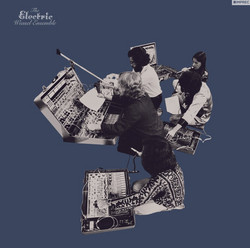
Between these textures, there and everywhere, these murmurs, cellular glitches open like an uninvited threshold. The body becomes an instrument, the sound becomes the language: the tremor, the echo, the fear or devotion, the quiet refusal. We lean our hearts toward ancestral static, its emotional sediment, yearning in stillness to sense the flow of these secret rivers. And as the past rises in its glory and resonance, the poem is born, waking up the burgeons once pressed into the tissue.
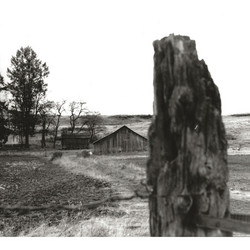
In the dead of night, she wandered through the mountain forest, far from home, where the shadows danced, and lights shimmered like whispers in the depths of the trees. She stumbled through the spiral, away from the trenches dug day after day, with comrades beside her, building railways to nowhere. They couldn’t have known, those who toiled in the dust, that no trains would ever pass. Forgotten by time, the tracks were broken, sold, discarded. Yet the forest, it remembered, her light steps and the luminous tears mothering the crevices of night. She found solace on the thick green bed of a land that bore its wounds in silence. For my grandma Negosava Ristić, born Stefanović, and the youth of post—WW2 Yugoslavia, who built the country with their bare hands.