Reissues
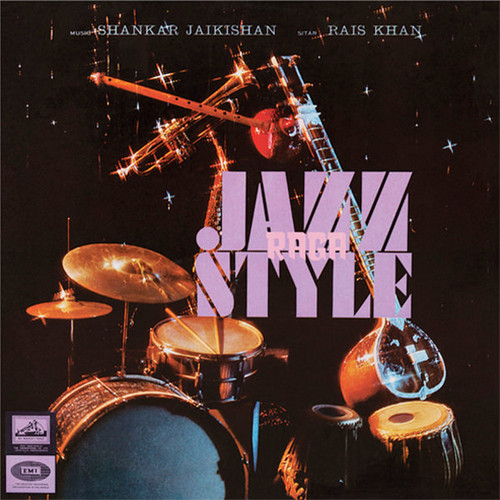
Raga-Jazz Style
*2026 repress!!* Amazing re-issue on Outernational Sounds of the Indio Jazz Fusion rarity from 1968! Never before reissued, this legendary 1968 EMI recording is a revered Indian jazz rarity; a collectors’ holy grail. Raga Jazz Style is an original Indian excursion into Indo-jazz fusion. A one-away recording from the almost unknown Bombay jazz scene, it is among the few jazz LPs to hail from the subcontinent. Closely contemporary with the UK-based explorations of Amancio D’Silva, John Mayer and J…
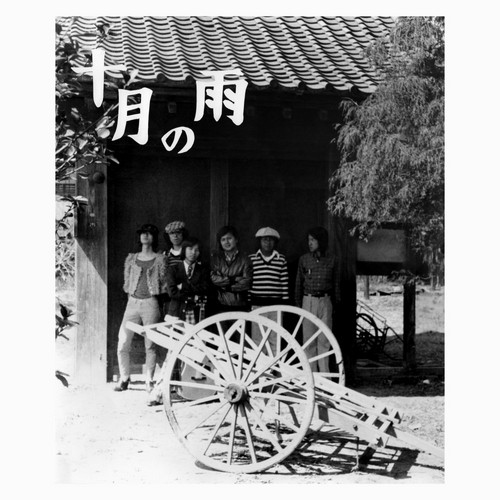
Jugatsu no Ame
*300 copies limited edition* A lost jewel of 1970s Japanese psychedelia. Recorded by high school friends Minoru Sasaki and Masanori Nishigaito who spent their days rehearsing in a decrepit abandoned hospital, supported by their friends’ band Momonga. Self-released in 1974 in only 100 copies on the highly collectible Mountain Fuji Record imprint, most surviving copies have surfaced without jackets, further adding to the record’s mystique. For fans of private press psych and Japanese folk rock act…

Electronic Touches Belly Dance
Wewantsounds continues its Middle East reissue series with Assa'd Khoury's 1978 rarity, Electronic Touches Belly Dance. Reissued for the first time in nearly 50 years in partnership with Byblos Records founder Mozart Chahine, the album features Oriental classics reimagined through Khoury's pioneering electronic keyboards. This definitive edition includes original artwork, remastered audio, a new introduction by Ahmed Khalil (Dikraphone), and an exclusive interview with Chahine, the album's produ…
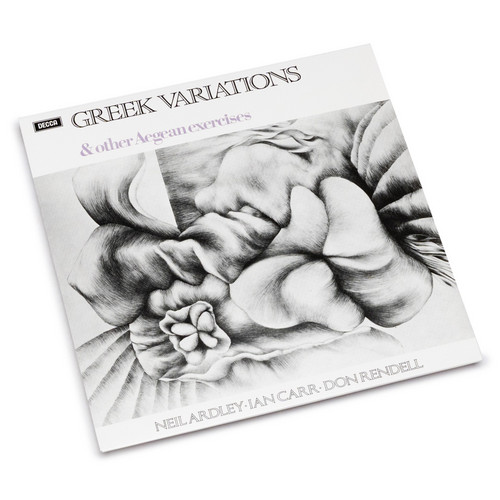
Greek Variations & Other Aegean Exercises
British Jazz Explosion Series! Recorded in '69, Greek Variations & Other Aegean Exercises is irresistible on two counts. First, for its daringly conceived and brilliantly performed music, inspired by Greek folk songs and instrumental textures and deep enough to reveal all its treasures only after many repeated listenings. Second, for being recorded at the moment when the Don Rendell/Ian Carr Quintet, a major force in British straight-ahead jazz since '62, had broken up and Carr's equally influen…
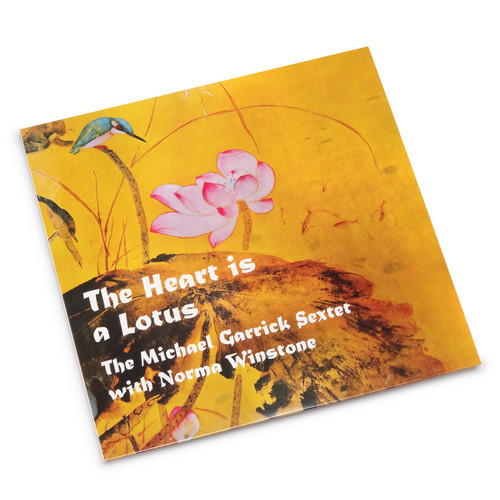
The Heart Is a Lotus
On The Heart Is A Lotus, The Michael Garrick Sextet with Norma Winstone trace a quietly radical path through British jazz: modal, spiritual and poetically inclined, with Winstone’s voice drifting inside the ensemble like vapor rather than standing in front of it.
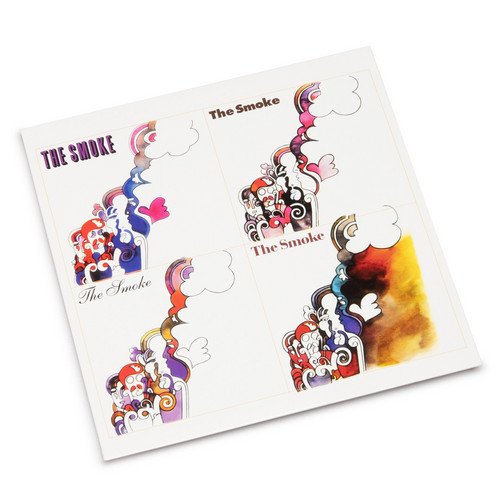
The Smoke
On The Smoke, The Smoke condense 1968’s lysergic optimism into a single, ornate LP, fusing sunshine pop hooks, baroque arrangements and studio playfulness into a seamless, dream‑like suite rather than a conventional rock album.

Trust The Guide And Glide
*100 copies limited edition* "It’s Now! Eternally! Easy, Tender, Loving Sound. The Guide is You. The Glide is Life. Be Yourself, Live Fully – That’s what the Vibrations are Encouraging, Echoing, Waving, Glowing, Singing, Rippling, Radiating.
Matthewdavid’s Mindflight is Heart Music. It’s a record of beauty that has evolved from explorations into his deepest emotions, visions and imagination. The Flights were most directly inspired by his profound connection with Michael Stearns’ Planetary Unfold…
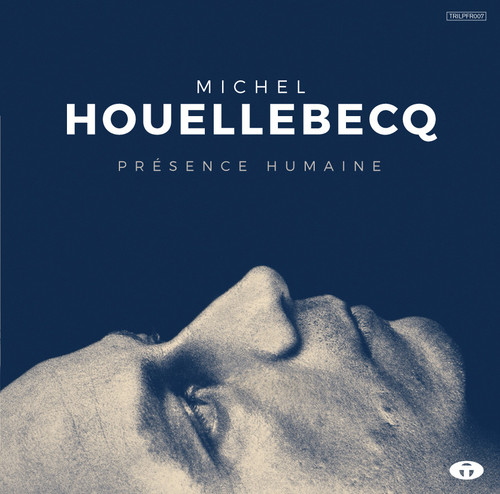
Présence Humaine
On the occasion of famous French writer Michel Houellebecq's new album release, Tricatel reveals a special edition of his cult first album Présence Humaine, in a blue vinyl limited edition. The album has been arranged and produced by Bertrand Burgalat, who is also the music composer of the album.
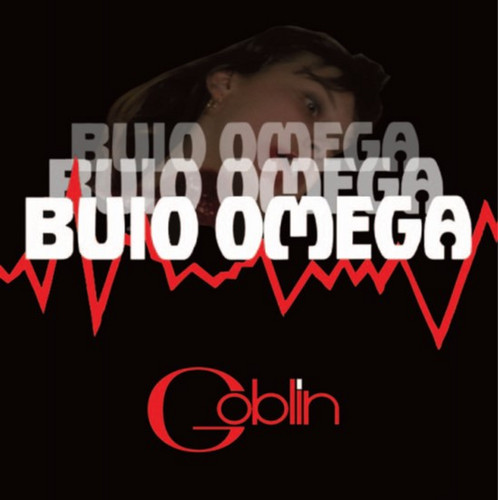
Buio Omega
Cinevox Record is pleased to reissue on CD the iconic music by Goblin for the film “Buio Omega” directed in 1979 by Aristide Massaccesi (also known as Joe D'Amato) and scored by Goblin. This new CD reissue contains material from two previous Cinevox CD editions: CD MDF 304 with selected and titled tracks, suites and alternative versions, and CD MDF 631 with every “M” take recorded at the time for the film. Fans will thus have in their hands a truly precious disc, taken from a cult horror film, i…
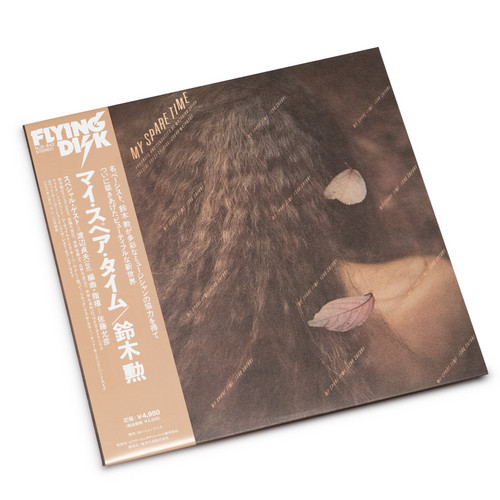
My Spare Time
On My Spare Time, Isao Suzuki steps out front on piccolo bass in a luminous set of standards and ballads, wrapping bossa, Ellington and songbook classics in a warm, conversational post‑bop glow with some of Japan’s finest players.
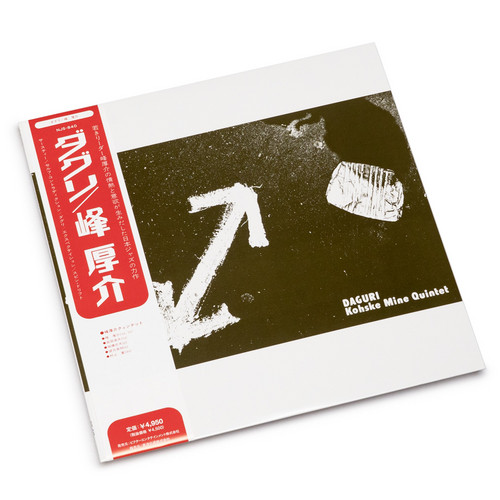
Daguri
On Daguri, Kosuke Mine Quintet channel early‑70s Coltrane fire into a distinctly Japanese voice, fusing spiritual intensity, modal lyricism and subtle exotic color into a taut, forward‑rushing statement that stands among Mine’s finest recordings.
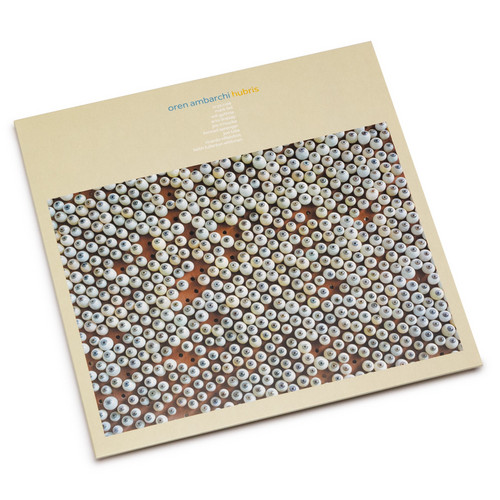
Hubris
** 2026 Repress ** First released in 2016 and long out of print, Hubris has come to feel like a pivot in Oren Ambarchi’s catalogue - the moment when his fascination with groove, repetition and ensemble friction finally detonated into something both overwhelming and weirdly precise. This new edition gives that record the sonic treatment it always deserved. Working from the original mixes, mastering engineer Joe Talia revisits the album with what can only be called forensic care, teasing out layer…
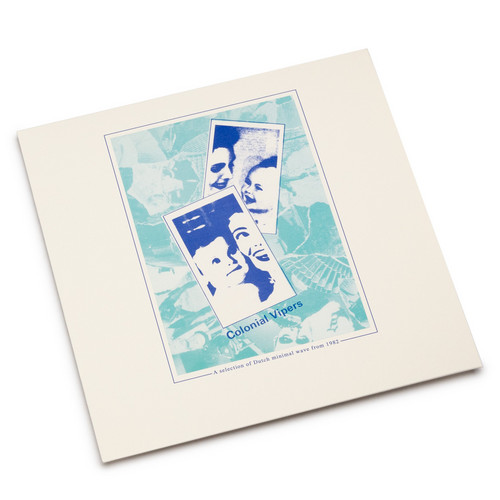
Colonial Vipers
On Colonial Vipers, various artists from the Dutch Trumpett orbit condense the 1982 home‑taping surge into 13 rare tracks of minimal synth, DIY cold wave and concrete industrial atmospherics, finally transferred from cassette obscurity to heavyweight vinyl.
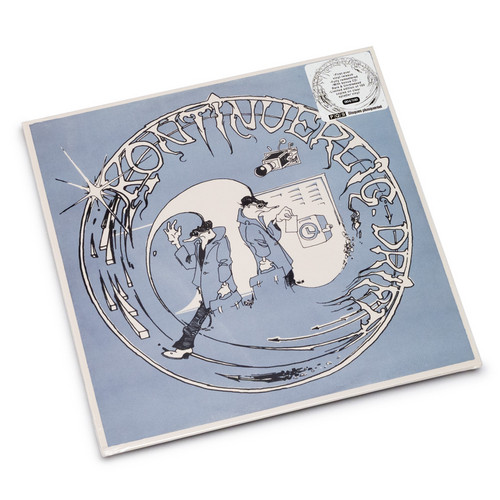
Kontinuerlig Drift
*100 copies limited edition* Pursuant to PQR’s reissue of San Michael’s and Gandalf’s albums (both sold out in a flash), and more recently of Midsommar’s debut, we continue digging into the gold reserves of the Swedish 70s underground to unearth the highly collectable album by Kontinuerlig Drift (meaning ‘continuous operation’ in Swedish). Just like Gandalf, this is a versatile album, equally split into ethnoprog, psychedelic and bluesy moments, all of which were indispensable facets of the band…
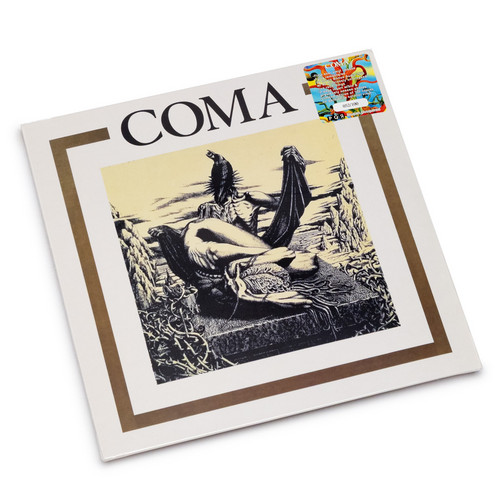
Financial Tycoon
*100 copies limited edition* First ever reissue, remastered by the band. Long recognized as a one-off gem among Europrog collectors, Coma’s debut Financial Tycoon reflects the proclivity of Danish peers such as Secret Oyster and Burnin’ Red Ivanhoe for producing outstanding jazz-fusion, albeit uniquely blended with prog textures, and a sardonic sensitivity that was engraved across Europe in the releases of the likes of Kandahar, Supersister, Banzai, Brainstorm, Plastic People of the Universe, Pa…
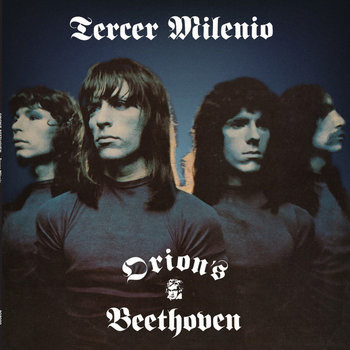
Tercer Milenio
*100 copies limited edition* We are repentlessly thrilled to bring you the first reissue of Tercer Milenio, probably the best hard rock/heavy prog album released in the prolific Argentina 70’s scene. This is a more mature and tighter effort compared to Orion’s Beethoven’s debut Superangel that places them in the spotlight of heavy prog/proto metal. The album’s opening blaster Amistades Desparejas establishes very clear expectations about what is to follow: a tapestry of scorching riffs and acid-…

Otoko Onna Kokoro No Aika
Wewantsounds is delighted to continue its extensive reissue program of Meiko Kaji's early discography, originally released by Teichiku Records in Japan between 1972 and 1974. The Quentin Tarantino muse—famous for her starring roles in Lady Snowblood and Stray Cat Rock—was also a gifted singer. Otoko Onna Kokoro No Aika is another collection of superb cinematic songs featuring Kaji's signature mix of Japanese Pop and Groove, backed by lush, atmospheric orchestrations. This includes her rendition …
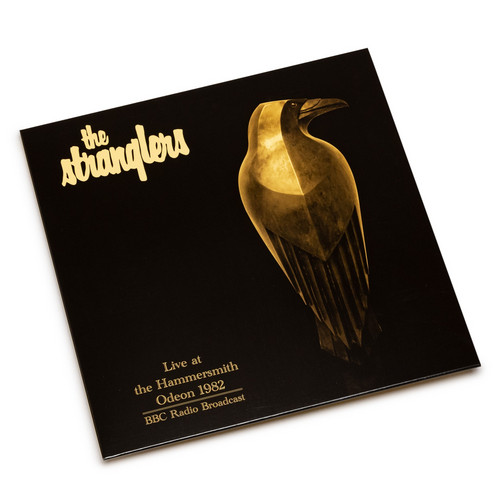
Live At The Hammersmith Odeon 1982
"Live At The Hammersmith Odeon 1982." is an electrifying concert, recorded on February 8, 1982, captures the raw energy and dynamic performance of the band during the second leg of their acclaimed La Folie British tour.
Originally recorded for the BBC radio series 'In Concert,' this performance remained in the vaults for nearly 16 years before seeing its first official release on CD. Fans can finally experience the unfiltered excitement and passion of The Stranglers, as they take the stage at on…
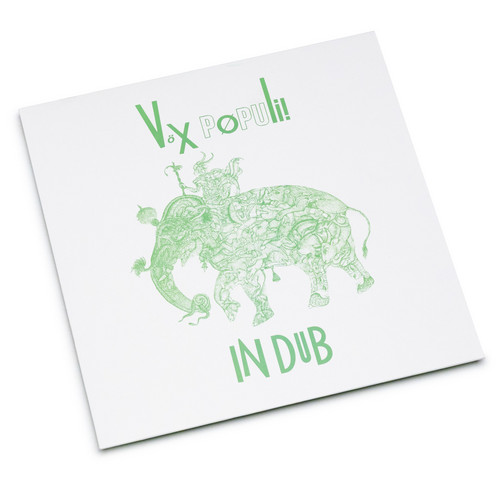
In Dub
Emotional Rescue returns after a much-needed year hiatus, refreshed and ready, as it moves into its 15th year, to further explore the environs of oft-forgotten musical secrets and present them to new heads and minds. To celebrate, the label looks back to one of its favourite collaborations, the music of French ‘Ethno-Industrialists’ Vox Populi! in presenting a truly unique EP of “In Dub”, inspired remixes by 4 fellow Paris based artists of today in Full Circle, Froid Dub, Krikor and Shelter.
“In…

Radio-Activity
Radioactivity was Kraftwerk's fifth full-lenght release and their first fully electronic album. It is a concept album centered around radioactive decay and radio communications. As such it boasts a few big theme anthems surrounded by shorter variations of those themes with interconnecting shorter pieces of electronic music, sounds, and digitized voices."Kraftwerk built upon the international success of Autobahn by expanding their conceptual concepts to an album-length exploration of radio waves …