Reissues
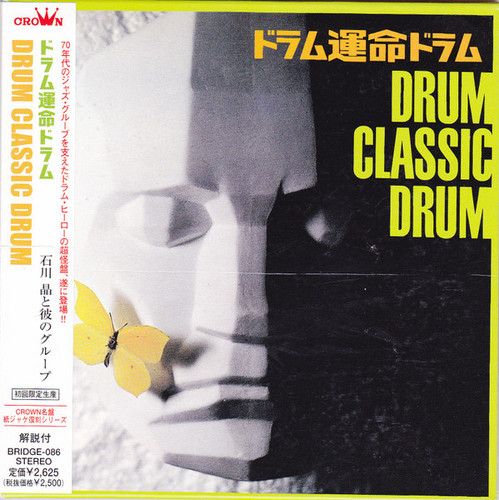
Drum Classic Drum
Akira Ishikawa, the drummer behind Electrum and African Rock, recasts ten classical warhorses from Beethoven to Sarasate around the drum kit. Crown, 1971; limited remastered CD reissue on Bridge, 2007.
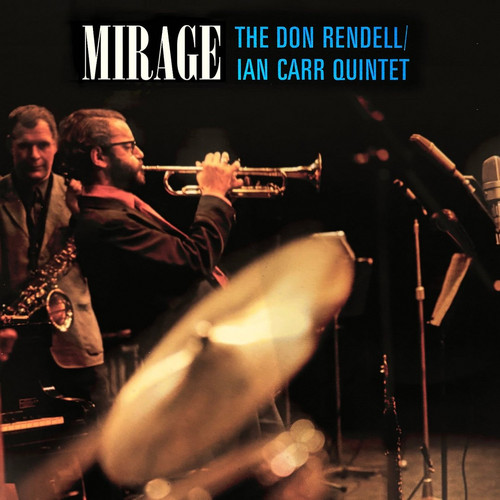
Mirage
Seven unreleased BBC radio performances from 1969, the last year of the Don Rendell / Ian Carr Quintet with Michael Garrick, Dave Green and Trevor Tomkins, saved on the drummer's own tapes and issued on CD with notes by Richard Morton Jack.
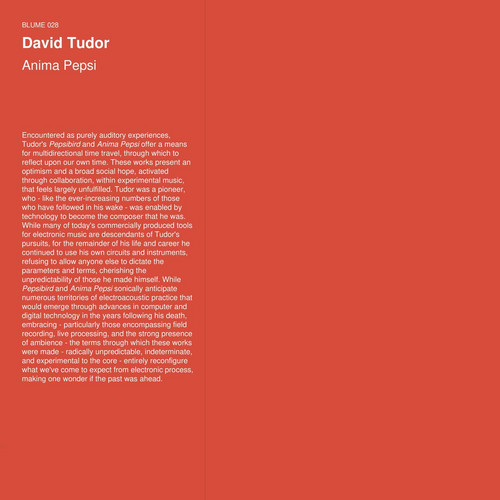
Anima Pepsi
Two pieces David Tudor composed in 1970 for the Pepsi-Cola Pavilion at Expo '70 in Osaka, built by E.A.T.: Pepsibird, from tapes of human and animal brain waves, and Anima Pepsi, from insect and animal field recordings.
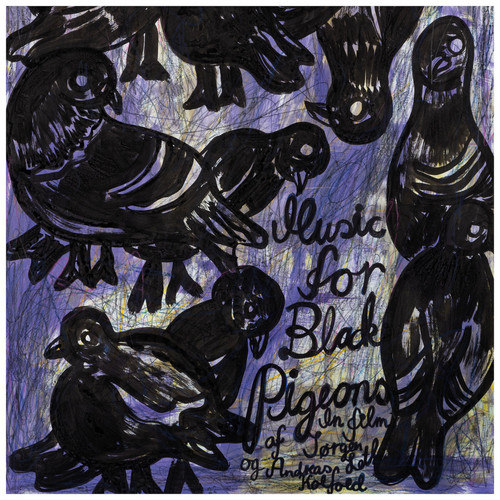
Music For Black Pigeons
** 2026 limited edition double vinyl with the original cover by Tal R. ** After 14 years of filming/recording some of today’s most influential musicians, the music from Andreas Koefoed’s and Jørgen Leth’s celebrated film “Music For Black Pigeons” is now available for the first time (vinyl only). The soundtrack is based on compositions by Jakob Bro, performed by Bill Frisell, Lee Konitz, Craig Taborn, Paul Motian, Andrew Cyrille, Arve Henriksen, Midori Takada and many others.
Venice Film Festival…
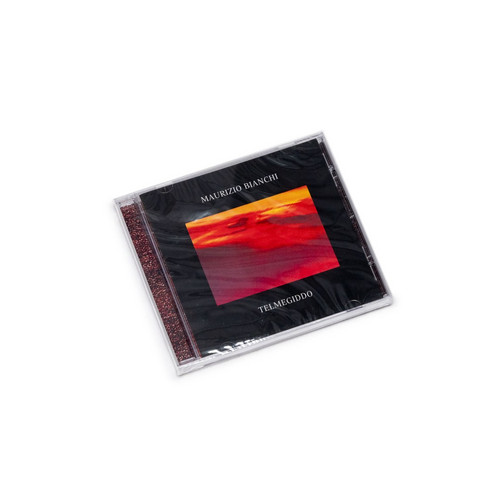
Telmegiddo
Telmegiddo, recorded in February 1983 at the Mectpyo Studio, was Maurizio Bianchi's last tape decomposition before his long hiatus. Mercium reissues it on CD, remastered: two parts of about 25 minutes.
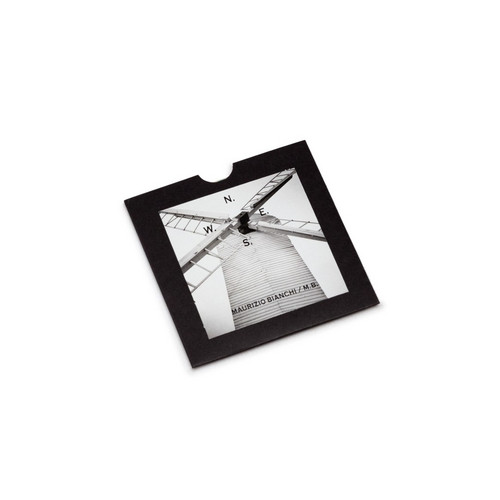
N.E.S.W.
Maurizio Bianchi's N.E.S.W. (Negativity-Enmity-Spurn-Worse), first issued by Lona Records in 2014, back on CDr: four long tracks that rotate the points of the compass, almost seventy minutes. 30 copies.
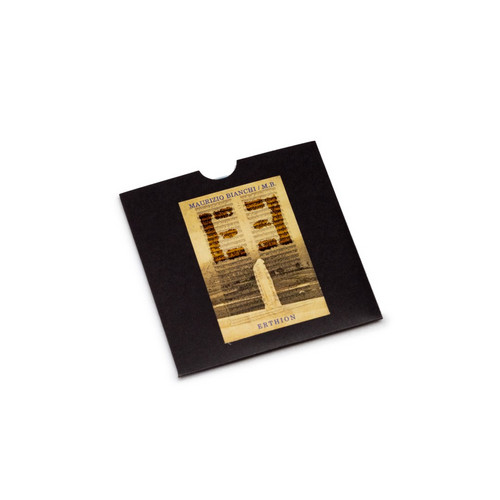
Erthion
Maurizio Bianchi's Erthion, first issued by Young Girls Records in 2010, back on CDr: eight tracks titled after verses of the biblical Lamentations, about an hour, mastered by Pharmakustik. 30 copies with mini poster.
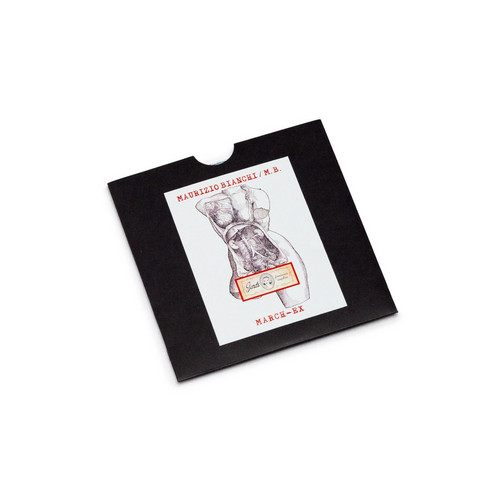
March-Ex
Maurizio Bianchi's March-Ex, first issued by Lona Records in 2009, back on CDr from BeTon Raw: five tracks, about an hour, with the voice of Yoko Ishimoto Kamimura and mastering by Siegmar Fricke. 30 copies.
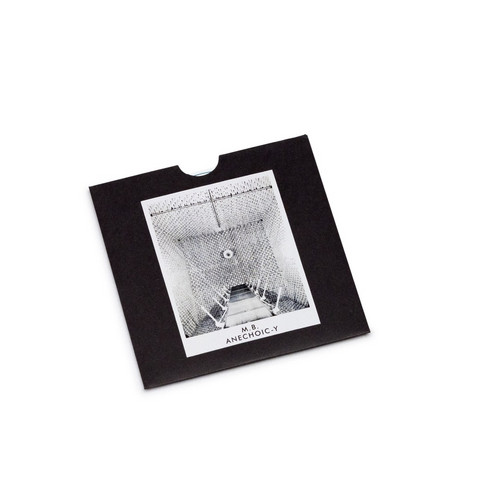
Anechoic-Y
Two sixteen-minute pieces of anenoises and choictronics recorded by Maurizio Bianchi as M.B. in 2017 at the Emoptyc studio in Opera, with artwork built on photos of anechoic chambers. 30 copies on BeTon Raw.
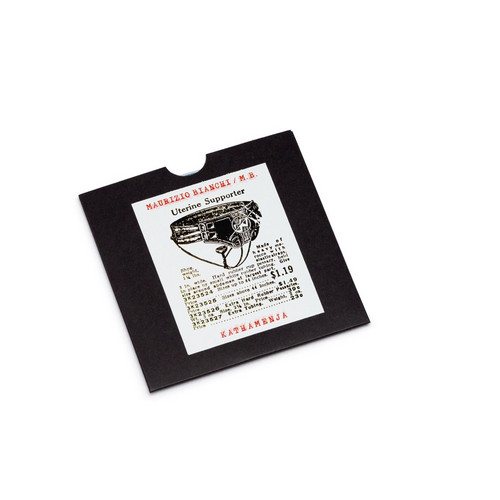
Kathamenja
Maurizio Bianchi's Kathamenja, first issued by Lona Records in 2011, back on CDr from BeTon Raw: five tracks, close to seventy minutes, with the original preface printed in the package. 30 copies.
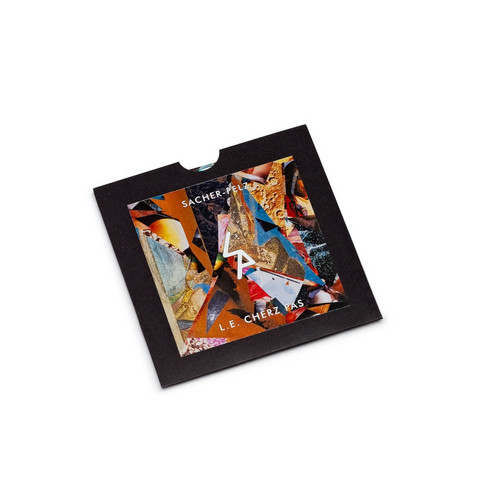
L.E. Cherz Pas
Sacher-Pelz, the 1979 solo project that preceded M.B., in a CDr reissue of L.E. Cherz Pas, first out on TIBProd. in 2010: four long pieces, about an hour of music. 30 copies in a black envelope.
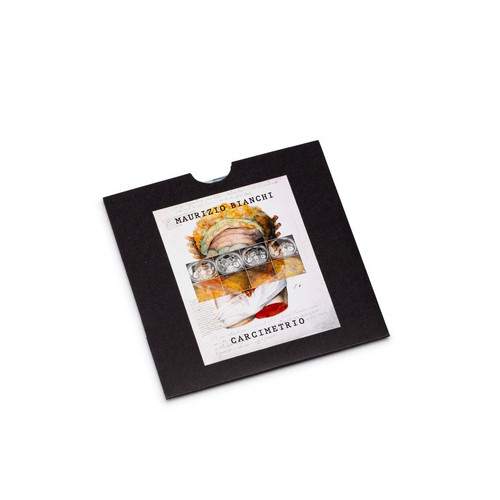
Carcimetrio
Maurizio Bianchi's Carcimetrio, first issued by Simple Logic in 2006, back on CDr: four long pieces named after tumours and growths, over seventy minutes, mastered by Siegmar Fricke. 30 copies.
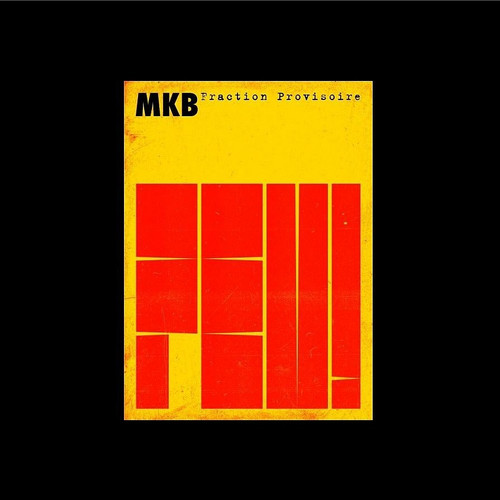
Feu !
F.J. Ossang's MKB Fraction Provisoire, recorded in ten days in 1993 with Jac Berrocal: machine loops, typewriter-speed poetry and noise'n'roll. Remastered 2023, deluxe CD with lyrics booklet.
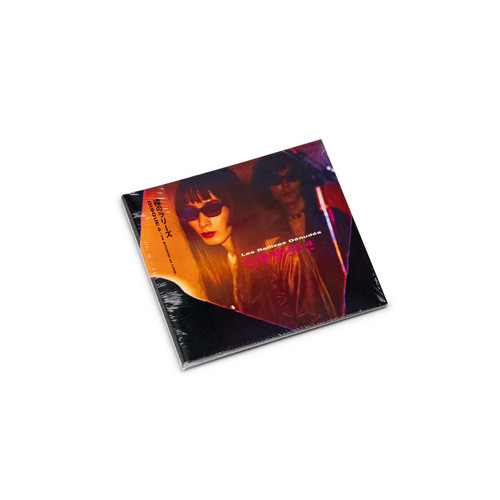
Disque 4 (’76 Studio et Live)
Les Rallizes Dénudés returns with Disque 4 -’76 Studio et Live-, the latest in the ongoing series of official archival releases from the celebrated Japanese underground band.
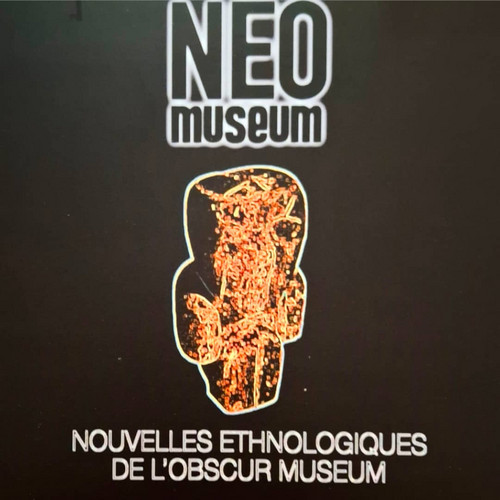
Nouvelles Ethnologiques de l’Obscur Museum
On Nouvelles Ethnologiques de l’Obscur Museum, NEO Museum forge a fierce, finely cut collision of free jazz, radical rock and European avant-garde composition. Born in mid-80s Vandœuvre-lès-Nancy, the trio turns saxophone, guitar and drums into a compact laboratory of fractured forms, bristling improvisation and volatile collective invention.
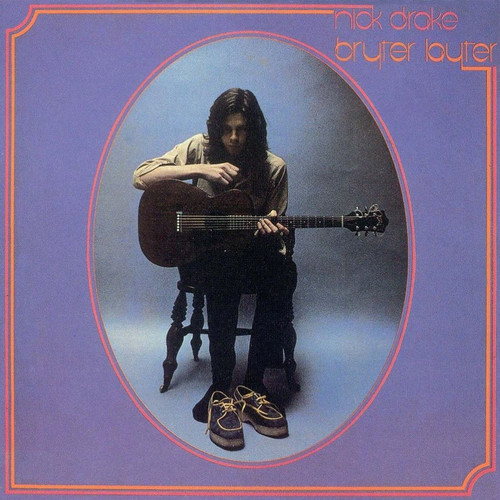
Bryter Layter
Nick Drake's second album, 1970, with members of Fairport Convention, John Cale and arrangements by Robert Kirby. CD edition.
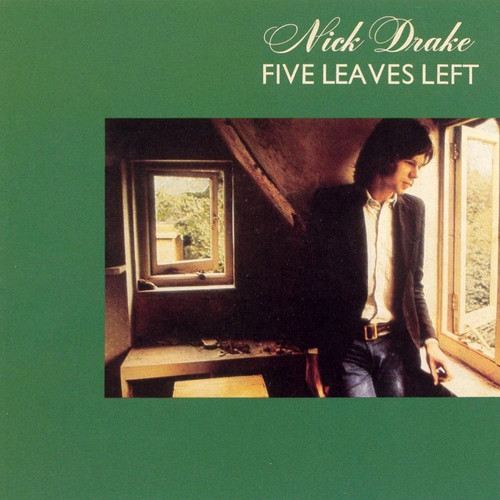
Five Leaves Left
Nick Drake's 1969 debut on Island, the quiet autumnal songs that became a lasting reference for English folk.
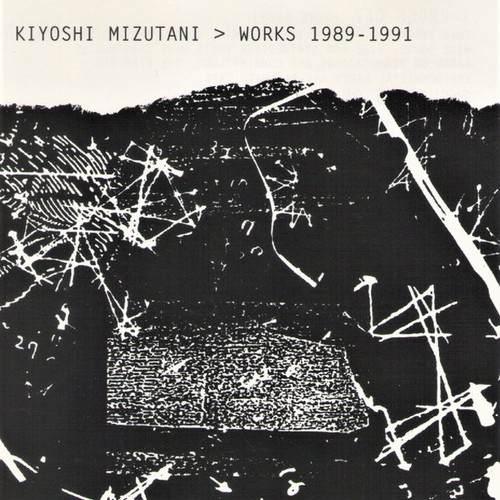
Works 1989-1991
Six pieces by Kiyoshi Mizutani from 1989 to 1991, made with environmental sound, synthesizer, wire, guitars and backward tape. Povertech Industries, 1999.
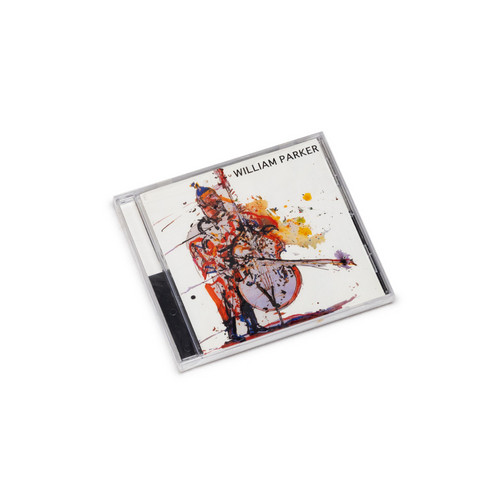
Lifting The Sanctions
Solo acoustic bass by William Parker, recorded at Studio Spirale on November 29, 1997 with no overdubs; cover by Jeff Schlanger, painted live during the session. No More Records, 1998.
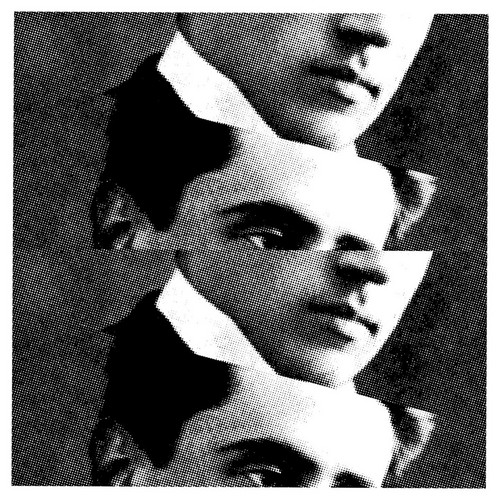
Let Me Perish Without Return: Lament and Longing from the Fading Russian Empire, 1889-1917
Twenty sides cut in the Russian Empire between 1889 and 1917, dug up by Gary Sullivan in the Russian shops of Brighton Beach and Forest Hills: music hall satire, drawing-room ballads and convicts' laments from the years before everything changed.