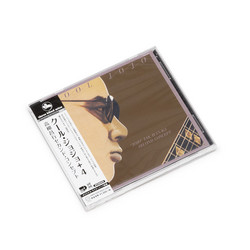
10" coloured vinyl edition. Ten tracks drawn from the 1954-56 Pacific Jazz sessions. Chet Baker Sings is a record that arrived too early for its own audience. In 1954 a twenty-four-year-old trumpet player set down his horn, leaned close to the microphone, and sang as if confiding something he wasn't sure he wanted overheard. What the era received as a flaw - a voice too soft, too high, too undefended for a man - is exactly what now sounds like the future turning up ahead of schedule.
There is almost nothing of the performer in it. Chet Baker does not project or persuade; he barely lifts the melody above his own breath, phrasing each line the way he fingers it on the trumpet - unhurried, undecorated, holding back as much as it offers. The sexiness, when it surfaces, stays buried under layers of romanticism and self-protection. On My Funny Valentine the horn states the theme and the voice takes it back almost privately, the two so close in colour they seem to issue from a single throat. He is not singing to a room. He is singing to one person, and letting the rest of us listen in.
In 1954 this undid people. Critics called the voice fey, effete, girlish; many who heard it cold assumed it belonged to a woman, and in an era of rigid codes that ambiguity was taken as a confession. But what Baker had done, almost without intending to, was open a space in male singing the culture had no language for yet - a tenderness with no apology in it, an emotional register until then left to female voices. The hush travelled before the world was ready: João Gilberto studied that phrasing note for note and folded it into the founding grammar of bossa nova, while the soft, androgynous intimacy Baker risked here would take the better part of two decades to become permissible. Chet Baker Sings didn't catch its moment. It waited, quietly, for its moment to catch up. Lean in close, and hear how far ahead it already was.