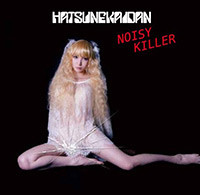
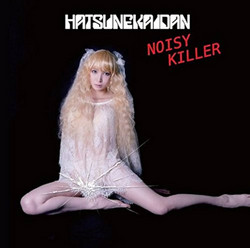
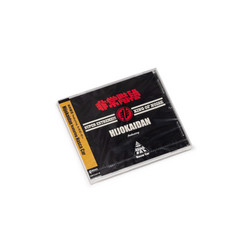
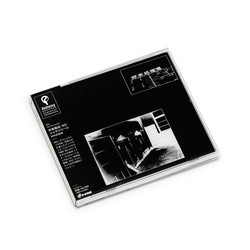
An FM dial tuned to Japan, 1985 - then fed through the loudest band the country has ever produced. Kyonetsu No Hatsune Kaidan, issued by Alchemy Records in 2018, was the first new studio album in three and a half years from Hatsune Kaidan - the union of noise legends Hijokaidan and the Vocaloid singing synthesizer Hatsune Miku - and it aims its feedback at a very specific target: the golden age of Japanese pop, from anime themes to the classic kayokyoku songbook.
By 2018 the project had settled into its strange maturity. Formed in 2013 as the latest of Jojo Hiroshige's "Kaidan collaborations" - the series that had already thrown Hijokaidan against The Stalin, S.O.B., Jun Togawa, and the idol group BiS - Hatsune Kaidan had toured internationally and built a devoted following, its impossible frontwoman embodied onstage since 2014 by the singer LeChat, who lends this album its living voice alongside the machine's. Where earlier records raided Western songbooks and Vocaloid anthems, this one turns homeward, toward the radio pop that soundtracked Japan's bubble years.
The tracklist is a séance of 1980s hits. Princess Princess' Diamonds and Rebecca's Friends - stadium anthems of the era - are dragged into the storm; Yellow Magic Orchestra's Kimi Ni, Mune Kyun. returns as a duet between one synthetic pop icon and another, thirty-five years apart; Yosui Inoue's Yume No Naka E and Eiichi Ohtaki's Saraba Siberia Tetsudo surface from deeper in the songbook, while Delicate Ni Suki Shite, the theme from the magical-girl anime Creamy Mami, completes the picture. The method is consistent and perverse: each melody is delivered straight, sweet and synthetic, while Hiroshige's guitar rises around it in sheets - the song and its destruction proceeding in parallel, neither ever quite winning. What emerges is oddly moving - nostalgia and violence fused, the sound of collective memory played back through a broken amplifier.
Of all the Hatsune Kaidan records, this may be the most conceptually complete - a noise band interrogating the pop unconscious of its own country, with a virtual idol as the medium. Issued only on CD in Japan and never widely distributed abroad, it has become genuinely difficult to find. For anyone drawn to the point where Japanese noise touches Japanese pop - and reveals them to be the same nervous system - this is the one.