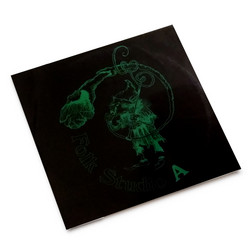
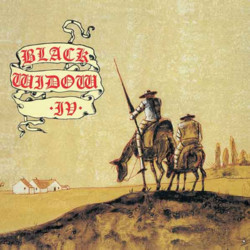
A road that waited fifty-two years to be walked. Recorded in Trieste in 1973 and never released, Dove Va La Tua Strada? is the lone document of Exit - a band that vanished without leaving an official trace, now resurfacing through Black Widow Records in a highly limited edition of 400 copies. This is Italian prog archaeology of the purest kind: not a reissue, but a first appearance, half a century late.
The story of its recovery has something novelistic about it. In the summer of 2021, at the Trieste Prog Festival, the sound restorer Mauro Degrassi mentioned having tracked down a tape of a local rock band from 1973. The name Exit rang a distant bell; a search through the archives of Trieste's beat and rock memory confirmed the hunch. The quartet - Ilario Sfecci on voice, Goran Tavčar on guitar, Paolo Bassi on bass, and Euro Cristiani on drums - had operated at the fringes of the early Italian rock scene, in a border city looking as much toward Mitteleuropa as toward Milan and Rome. Cristiani alone went on to a substantial career, cutting his teeth in the 1960s with Patrick Samson's group and later working as a session drummer for Numero Uno, playing behind Adriano Pappalardo, Umberto Tozzi, and Ivano Fossati. The rest is silence - until now.
The music explains why the tape was worth saving. Across six tracks, Exit move through the heavier, bluesier end of early Italian prog - the territory of Spettri, Il Rovescio della Medaglia, and Garybaldi, with occasional choral openings that recall the New Trolls. Tavčar's guitar carries the weight, raw and instinctive, locked against Bassi and Cristiani in an interplay that feels lived-in rather than studied, while Sfecci's voice cuts through in Italian, urgent and unpolished. The first side works in compact form; the second stretches out, with Ti Risvegli unwinding across more than twelve minutes of shifting dynamics - abrasive one moment, suspended and calm the next - before Grandi Regni closes the album in expansive territory. Restored with painstaking care from the original 1973 tapes by Degrassi, the sound retains the grain of its source: an honest, unmediated snapshot of a band caught in the act, decades before anyone was listening.