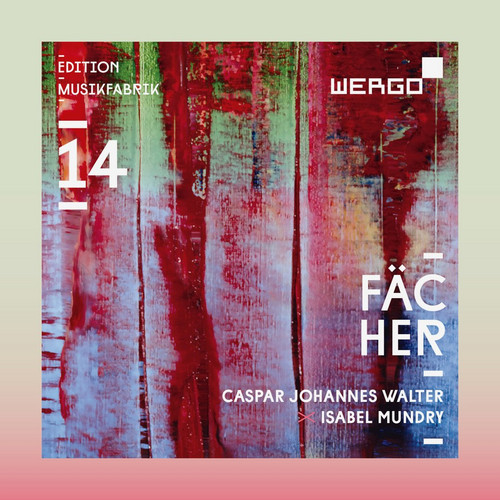
Fächer
Edition Musikfabrik: Caspar Johannes Walter's Metrische Dissonanzen (2009) for percussion and large ensemble with Dirk Rothbrust, and Isabel Mundry's five-part cycle Schwankende Zeit (2006-09) after Louis Couperin, played by Ensemble Musikfabrik under Peter Rundel and Emilio Pomàrico.
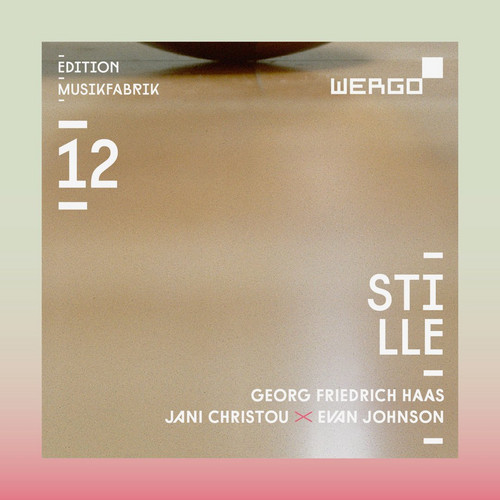
Stille
Edition Musikfabrik: Georg Friedrich Haas's "Ich suchte, aber ich fand ihn nicht." and ... wie stille brannte das Licht (with Sarah Wegener), Evan Johnson's Die Bewegung der Augen and Jani Christou's Anaparastasis III, recorded live in Cologne 2009-2014 by Ensemble Musikfabrik.
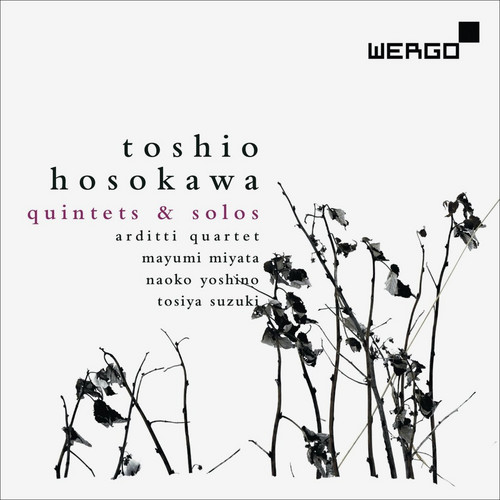
Quintets & Solos
Toshio Hosokawa's Landscape V, Landscape II and Fragmente II for string quartet with shō, harp and recorder, and the solos Elegy, Threnody and Small Chant, played by the Arditti Quartet with Mayumi Miyata, Naoko Yoshino and Tosiya Suzuki.
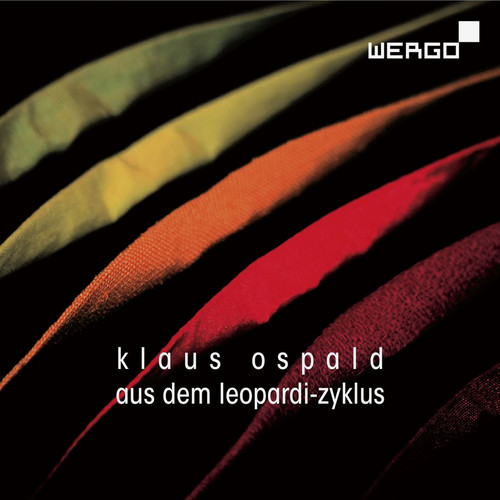
Aus dem Leopardi-Zyklus
Three works from Klaus Ospald's Leopardi cycle: Così, dell'uomo ignara ..., Sovente in queste rive ... and Sopra un basso rilievo antico sepolcrale ..., with Collegium Novum Zürich, the WDR Sinfonieorchester and WDR Rundfunkchor Köln, Schlagquartett Köln and Hans Nickel.
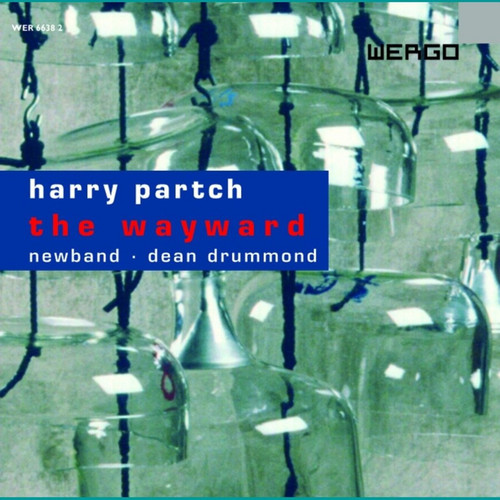
The Wayward
Harry Partch's The Wayward (Barstow, San Francisco, The Letter, U.S. Highball), hobo texts set for voices and Partch's own instruments, played by Newband under Dean Drummond, recorded in New York in December 1999.
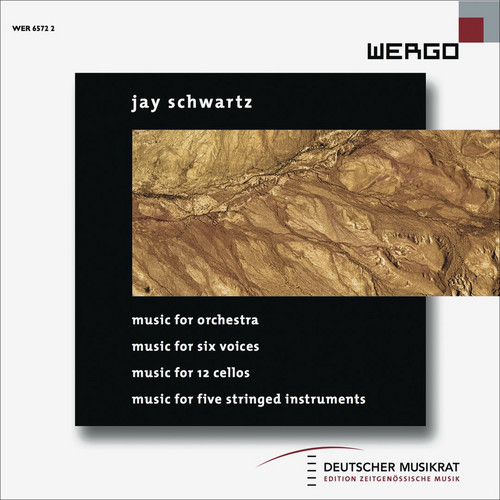
Music for Orchestra / Music for Six Voices / Music for 12 Cellos / Music for Five Stringed Instruments
Four works by Jay Schwartz for string orchestra, six voices, twelve cellos and string quintet, recorded live 2005-2008 by the hr-Sinfonieorchester under Diego Masson, Neue Vocalsolisten Stuttgart, SWR Stuttgart cellists under Erik Nielsen and the Kairos Quartett.
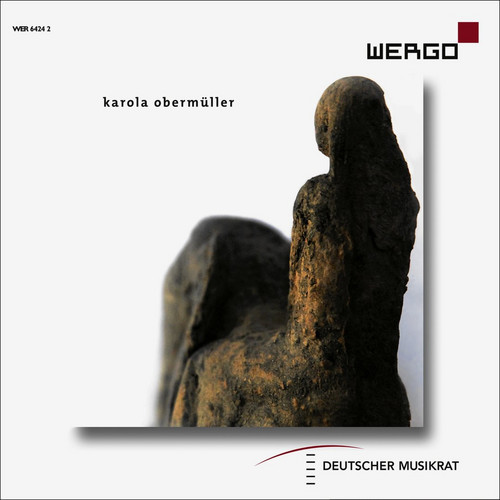
Untergegangen der Mond
Portrait of Karola Obermüller with ten works from 2006-2018, several on Sappho, played by Ensemble Musikfabrik with Kai Wessel, Emanuele Arciuli, Neue Vocalsolisten Stuttgart, Camilla Hoitenga, Ensemble Phorminx and Ensemble Modern.
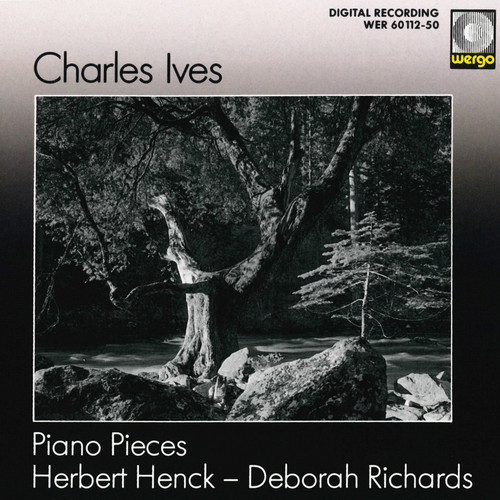
Piano Pieces
Charles Ives's shorter piano pieces, from Study No. 20 to the Three Quarter-tone Pieces for Two Pianos, played by Herbert Henck with Deborah Richards. Recorded July 1984 at the Bayerischer Rundfunk, Munich.
Giacinto Scelsi
**Comes in glossy gatefold sleeve with 20-page booklet ** Features 6 works by the influential Italian avant-gardist of the 20th century, dating from 1961-1990. Pranam I (for voice, 12 instruments and tape, 1972); Anagamin. Celui qui choisit de revenir ou pas (for 12 strings, 1965); Quattro pezzi su una nota sola (for chamber orchestra, 1959); Quartetto n. 4, (1964); Okanagon (Tam Tam and double bass, 1968); Quartetto n. 2 (1961). "For Giacinto Scelsi, music was above all a manifestation of the e…
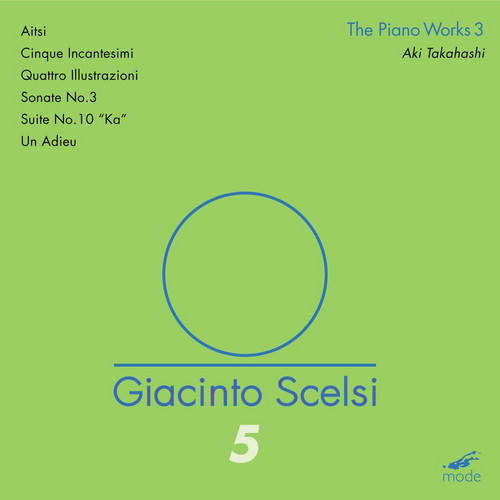
The piano works 3
Aki Takahashi plays Giacinto Scelsi's piano works in 2005 recordings, mostly pieces she prepared with the composer, including the Quattro Illustrazioni depicting the incarnations of Vishnu.
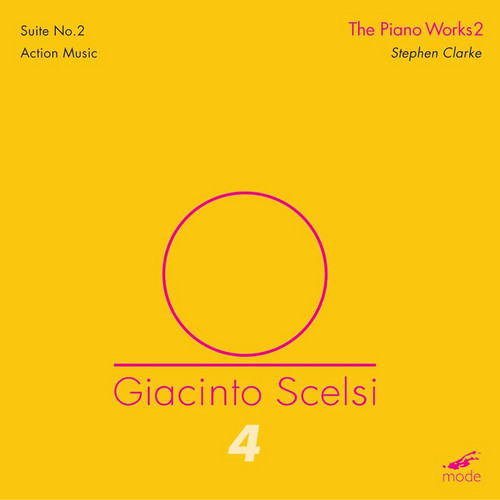
The piano works 2
Two Scelsi piano works played by Stephen Clarke: the first recording of the 1930 Suite No. 2 and Action Music (1955), in the second volume of Mode's Scelsi Edition devoted to the piano.
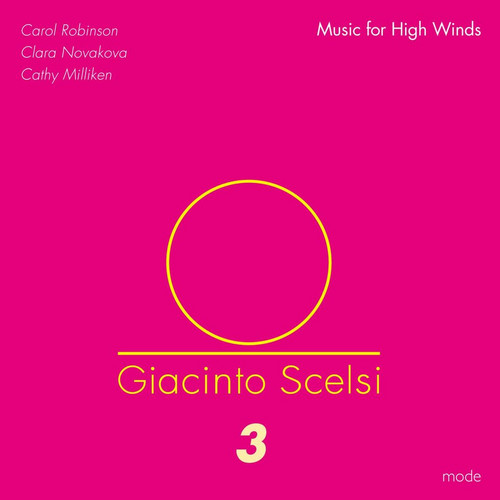
Music For High Winds
Giacinto Scelsi's music for woodwinds, mostly from the 1950s, for solo clarinet, flute and duos with oboe and piccolo, played by Carol Robinson, who worked with the composer, with Clara Novakova and Cathy Milliken.
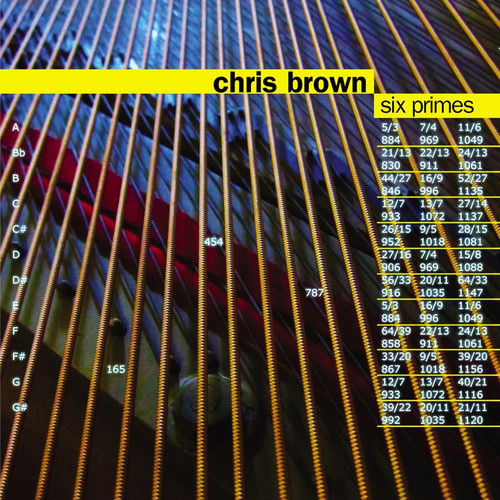
Six Primes
Thirteen-limit just intonation, with the primes 2, 3, 5, 7, 11 and 13 governing the tuning, the harmony, the rhythm and the form all at once. The twelve retuned notes yield seventy-five different intervals where equal temperament gives twelve. Brown was a piano tuner for fifteen years and tuned it himself.
ChamberEvents
2005 release **
The works on this CD represent three different series of compositions, which I have been working on simultaneously in the last few years. Structurally, their individual parts resemble each other: all instruments play (rather) long sounds, each one followed by a pause.55 similar events plus two drummers drumming (1999) consists of two layers of events. On the one hand, seven instruments are organized ‘isophonically’ and with regular durations. Their sounds, each comprising the sam…