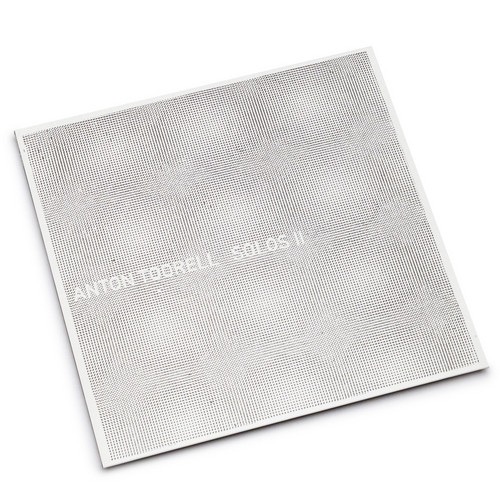
Solos II
On Solos II, Anton Toorell turns two simultaneously played guitars into a shimmering architecture of tone, tension and air. Recorded in an Italian wine cellar, its three extended pieces use altered tunings, open strings and resonant decay to create lucid, microtonal currents - rigorous in design, but touched with the ease of unhurried improvisation.
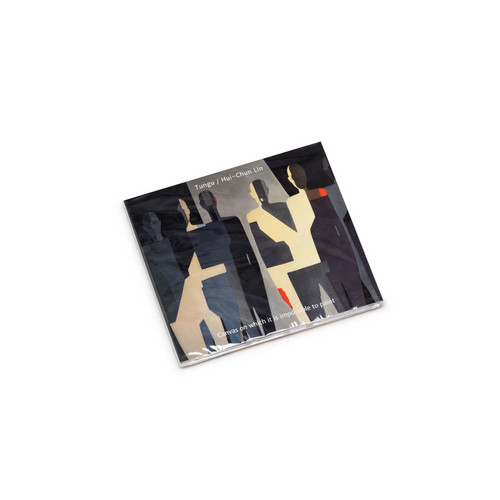
Canvas on Which It Is Impossible to Paint
On Canvas on Which It Is Impossible to Paint, Tungu and Hui-Chun Lin stretch improvisation to the brink of impossibility. Lin’s fiercely physical cello dialogues with Senchuk’s cut‑tape, bass and environmental ghosts, while Makigami Koichi’s voice skews the frame further, turning the duo’s third chapter into a volatile, detail‑rich sonic palimpsest.
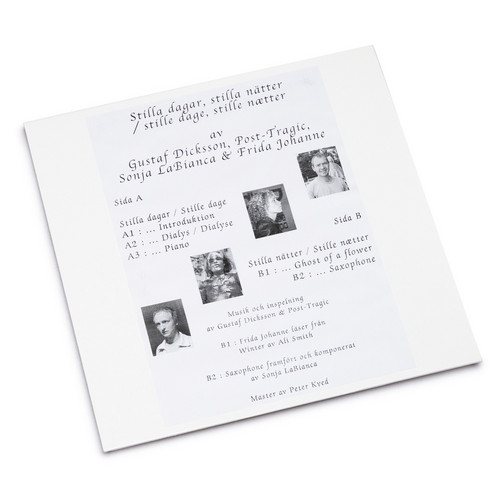
Stilla Dagar, Stilla Nätter/Stille Dage, Stille Naetter
*200 copies limited edition* Swedish-Danish collab album of lush, low key new age/ambient DIY gold, based mainly on synth, piano, saxophone, spoken word and field recordings. Marvelous peak summer music. A private press style/no label release distributed by Discreet Music.
With the released LP “Stilla Dagar, Stilla Nätter / Stille Dage, Stille Naetter Limited Edition,” the split release by Gustaf Dicksson, Post‑Tragic, Sonja Labianca, and Frida Johanne takes the next step in their creativit…
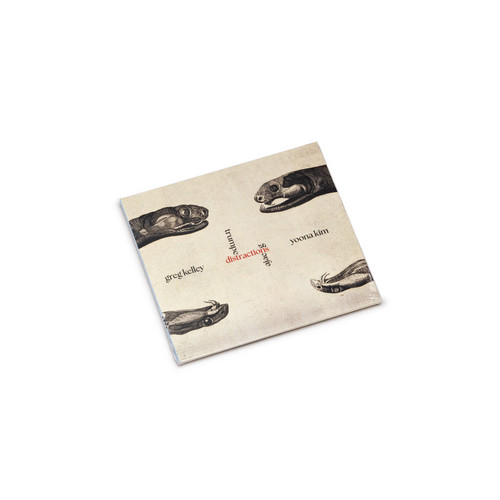
Distractions for Trumpet & Ajaeng
On Distractions for Trumpet & Ajaeng two radically distinct instrumental traditions converge in a study of texture, fragility, and focus. Kelley’s whisper-quiet trumpet tones and microscopic bursts of air intertwine with Kim’s bowed ajaeng, its coarse, resonant grain stretching and splintering in real time. The result is a taut, immersive dialogue that transforms subtle gestures into seismic events and invites listeners into a heightened space of deep listening and unpredictable detail.
Gwethilu: Songs For The Dark Lake
On Gwethilu: Songs For The Dark Lake, Timoteo Carbone Hansson builds an otherworldly song‑cycle where experimental timbres, early‑medieval polyphony and Nordic folk roots swirl together into slow, haunted rituals of rhythm and drone.
Above The Street
Jordan Smart is internationally recognised as active member of Mammal Hands (recent UK Jazz Charts No.1, ACT Records), Sunda Arc and Vega Trails (Gondwana Records). This LP showcases a different side to Jordan’s playing and composing, marketable to fans of ambient, experimental, electronic music and jazz. Accompanying videos and poems will be released via YouTube and socials to create a more immersive experience for fans and listeners.
Elyria Sound
On Elyria Sound, Michael A. Muller reduces his language to one guitar, one room, one storm‑lit reel of tape, turning newly invented tunings into a hushed cycle of lullabies and laments that hold both the comfort of home and the certainty of its passing.
Concealed Under a Strange Tongue
Tip. After fifteen years of silence, the legendary but rarely heard project Mana ERG returns with their latest album, Concealed Under a Strange Tongue. Written entirely by founder and composer Bruno De Angelis, this twelve-track collection is not to be considered a comeback, but rather a belated farewell to the band's devoted fans and supporters and a thank you to all those musicians who, over the years, added their touch to the project.
Dedicated to the memory of Deborah Roberts, a distinguishe…
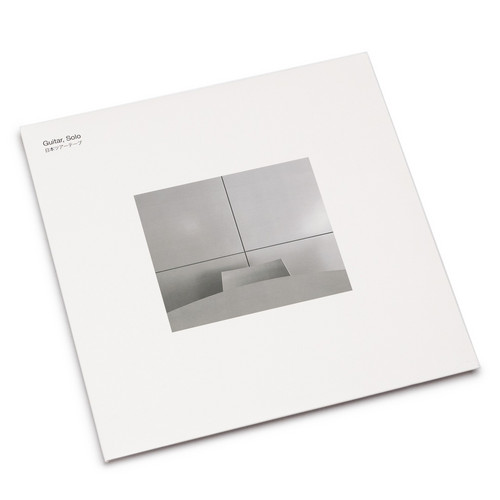
Guitar, Solo
On Guitar, Solo, Michael Scott Dawson distills his tender ambient language to its essence: frayed guitar melodies, soft tape ghosts and pastoral field recordings breathing in unison on a Japan‑toured sister album to Music For Listening.
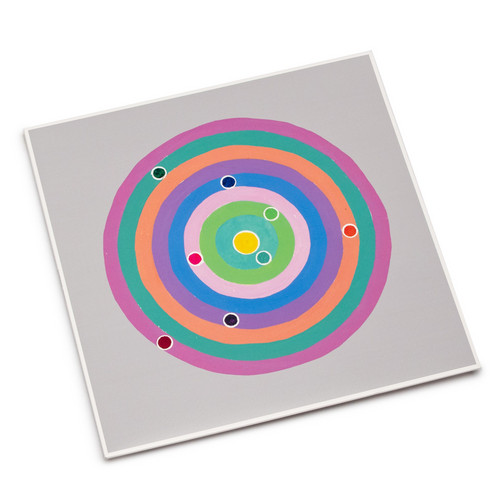
Uchuu
On Uchuu, Oowets drifts into their most abstract work yet, blending tapped cloth boxes, reed organ warmth and bedside field recordings into a gentle, cosmic meditation where minimal rhythms and environmental sounds merge science and nature into a single, weightless drift.
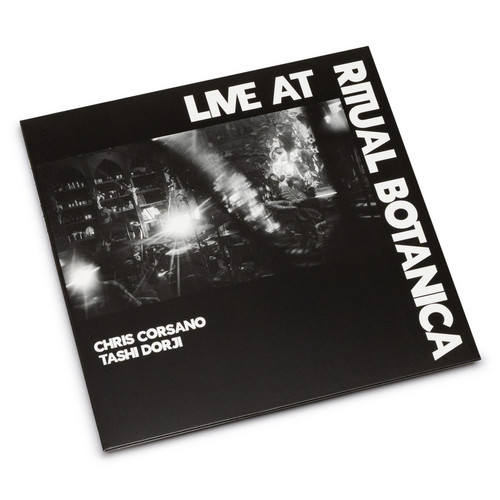
Live at Ritual Botanica
"Messrs. Corsano and Dorji are both familiar names in the Feeding Tube discography. Chris has played drums on eight FTR LPs (and recorded two other), and Tashi has played guitar on six (details upon request if you are lazy.) But this is the first time they have appeared on vinyl as a duo, and we are damn proud to have them. Over the past years Chris has recorded with a lot of the era's best guitarists -- Bill Nace, Ben Chasny, Thurston Moore, Nels Cline, David Vanzan, Bill Orcutt, Rick Bishop, G…
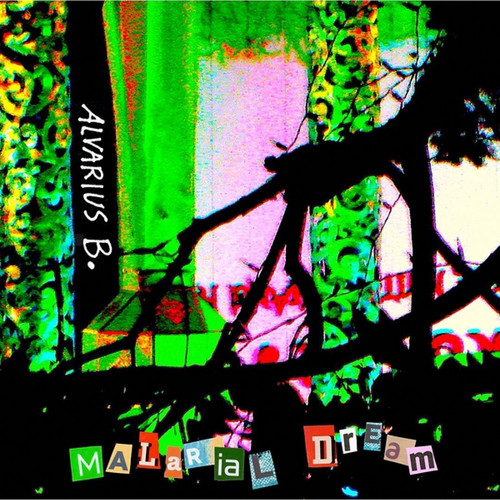
Malarial Dream
On Malarial Dream, Alvarius B. drifts out of Cairo with a fevered, mostly instrumental songbook that bends late‑period Sun City Girls melancholy through Middle Eastern modes, psych‑warped folk and the quiet volatility of a hand‑picked Cairo/avant‑jazz ensemble.

Fathom Tides
The collaborative project of Lawrence English and Werner Dafeldecker has consistently been concerned with processes of transformation. This is all the more true for »Fathom Tides,« the duo’s second album for Hallow Ground following up on »Tropic of Capricorn« from 2023. Using field recordings collected from diverse coastal environments made by English and later treated extensively by Dafeldecker, the two sound artists explore cyclical changes in nature across these seven pieces. Through its abst…
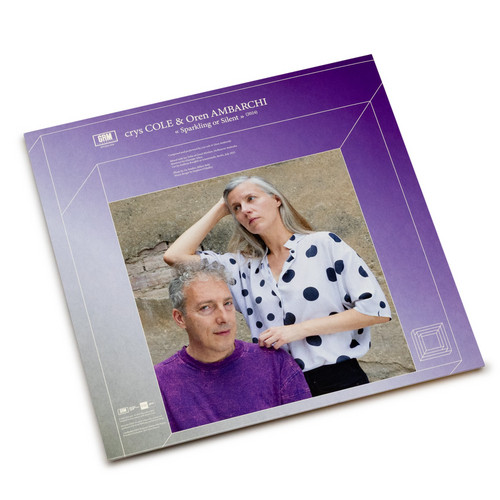
Unfamiliar Music (Paris)
Sold out at the label. Sparkling or Silent finds crys cole and Oren Ambarchi pausing their restless, always‑on‑the-move discographies at a curious angle, as if turning the light slightly to see what has been glinting at the edges all along. Both artists have long carried an electroacoustic sensibility in their work - in cole’s hyper‑attentive treatment of small sounds and negative space, in Ambarchi’s use of guitar and electronics as malleable matter rather than fixed instruments - but here that…
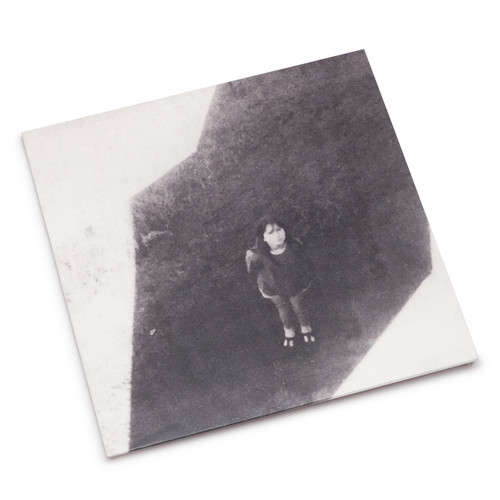
The Next From Field Commander
Recorded in a bedroom with classical guitar and 4-track tape, The Next From Field Commander is Australian folk of rare emotional density. Layered vocals, inhabited silences, a voice that lingers.
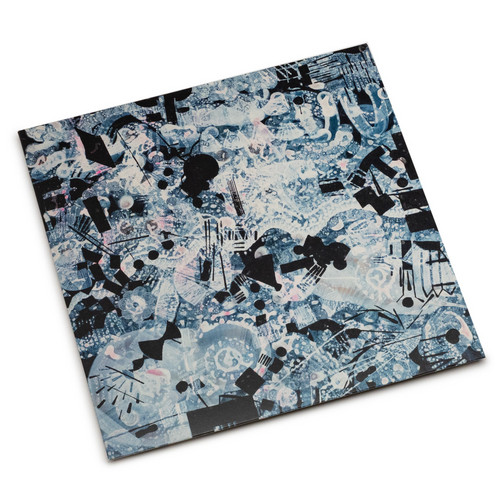
Lagoon
New album by FLOCKS, the duo of drone specialist Werner Durand and percussionist Uli Hohmann. Musical landscapes that move between traditional as well as experimental sounds with influences from Krautrock and Jon Hassell's "fourth world" aesthetics.
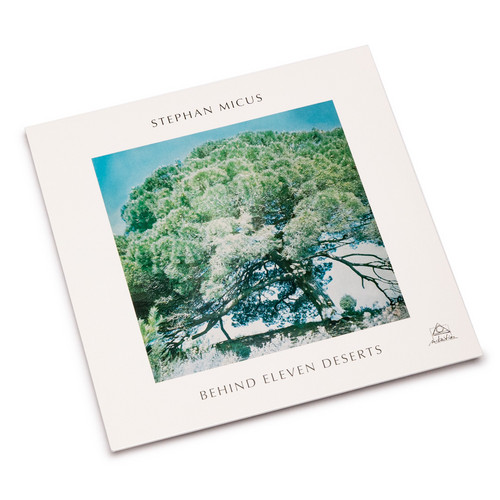
Behind Eleven Deserts
In Behind Eleven Deserts, Stephan Micus braids suling, sarangi, sitar and bodhrán into a quietly radiant ritual, a 1978 desert mirage where distant traditions dissolve into one slow, breathing, unmistakably Micusian song.
Health & Safety
On Health & Safety, Johan Surrballe Wieth drags his post‑hardcore sensibility into a hushed, modern‑classical fever dream: 25 minutes of grief‑stricken keys, corroded drones and ghost‑violin traces that move like medicated insomnia.
I Don't Know
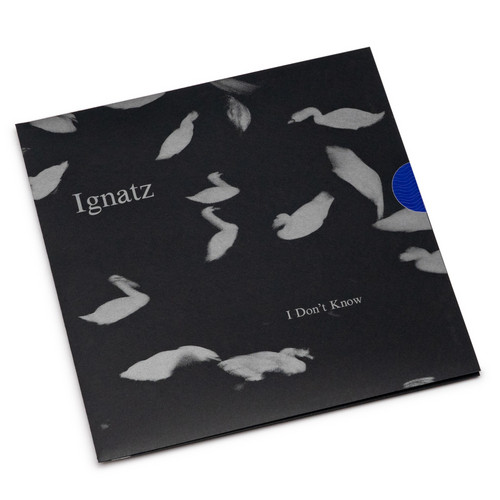
After more or less 20 albums on guitar released since 2005 on LPs, cassettes and CDs, the first real album on piano by Belgian singer-songwriter Bram Devens aka. Ignatz. In 1910, the illustrator George Herriman created the Krazy Kat comic strip. Ignatz, a vicious mouse, was Krazy Kat’s arch enemy, and his favourite pastime was to throw bricks at Krazy Kat’s head (who misinterpreted the mouse’s actions as declarations of love). Ignatz is the alter-ego of Belgian musician Bram Devens. Since 2005, …
Pequeño clima doméstico
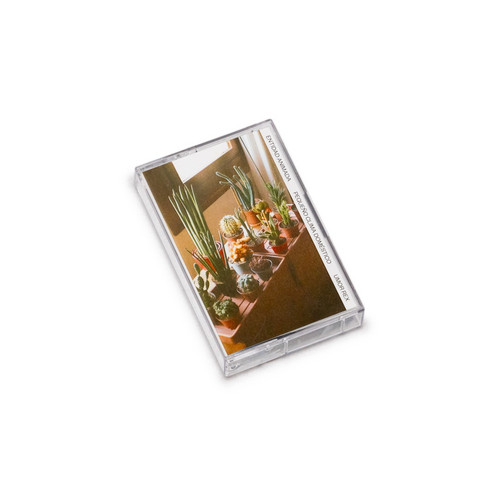
*100 copies limited edition* The Buenos Aires–based producer’s second album on Umor Rex can be read on at least two levels. The most direct traces its origin to the influence of environmental music, as well as to some pioneers of electronic music. The album was recorded in a single session, making extensive use of loops that were later edited and condensed into the six pieces that make up Pequeño clima doméstico. This working method responds to a playful approach that runs through Entidad Animad…