Jazz /
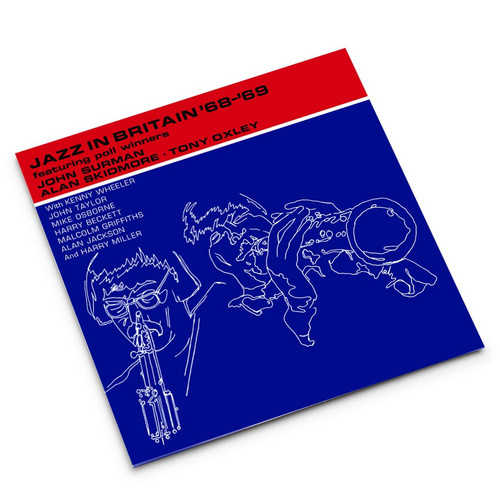
Jazz In Britain '68-'69
*2026 repress* John Surman's Jazz in Britain '68-'69 is an overview disc of his '60s band and one of the more enjoyable vintage British jazz records. These tunes come from several different sessions recorded in the late sixties, as evidenced by the alternate drummers - Alan Jackson and Tony Oxley - and the use of different instrumentation, like the three-horn modal piece "Bouquet Garni," from 1968 that places Surman in the company of only two other horn players - Alan Skidmore and Mike Osborne -…
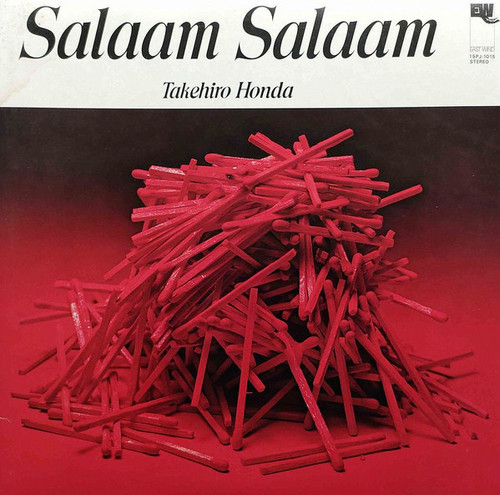
Salaam Salaam
Powerful trio music by pianist Takehiro Honda, known for his strong touch and bluesy feeling, together with an American rhythm section. The album features a line up of compelling originals, including the overwhelmingly powerful "Minors Only" and the title track "Salaam Salaam," whose title means “peace” in Swahili.
East Wind was a ground-breaking jazz label established in 1974 through the full cooperation of Ai Music, as it was then known, and Nippon Phonogram, as it was then known. Over a per…
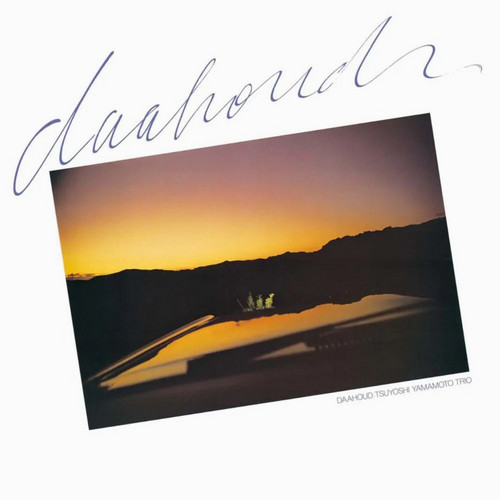
Daahoud
A representative work by popular pianist Tsuyoshi Yamamoto, known for his swinging and bluesy feeling. Backed by Tsutomu Okada and Hiroshi Murakami, Yamamoto gives elegant performances of famous standards such as "Stella by Starlight" and "Alone Together" in a relaxed atmosphere.
East Wind was a groundbreaking jazz label established in 1974 through the full cooperation of Ai Music, as it was then known, and Nippon Phonogram, as it was then known. Over a period of about five years, the label prod…
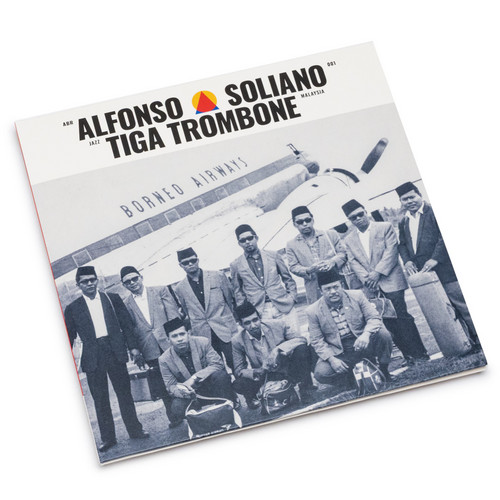
Tiga Trombone
Habibi Funk’s new sister label Audible Beauty Records debut release: A landmark collection retelling the untold story of Malaysian jazz featuring 11 songs from the legendary composer, arranger and pianist Alfonso Soliano, originally recorded for Radio Television Malaysia (RTM) and only released in a run of a few dozen copies for radio broadcast. Widely regarded as one of the foundational figures of Malaysian music, Soliano blended jazz, Latin influences and traditional Malay musical forms into a…
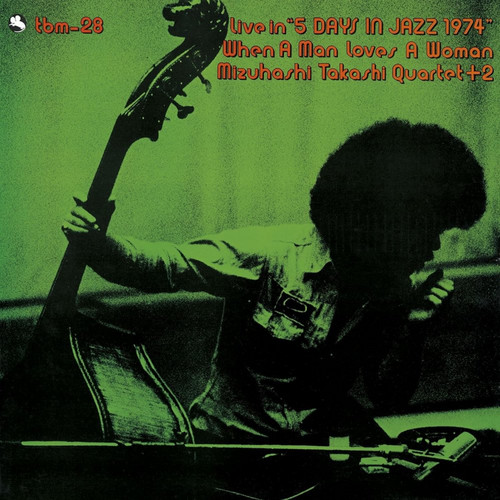
Live In "5 Days In Jazz 1974" - When A Man Loves A Woman
A mighty soulful set—where love songs, modal fire, and freer moments collide. Celebrated bassist Takahashi Mizuhashi delivers a deeply expressive performance captured live at Jazz 1974, released as Live In 5 Days In Jazz 1974 – When A Man Loves A Woman. This remarkable record is driven by the kind of playing that moves with conviction: long-form tracks that unfold like stories, shifting from heartfelt warmth to daring experimentation with effortless momentum.
The album opens with a soulful readi…
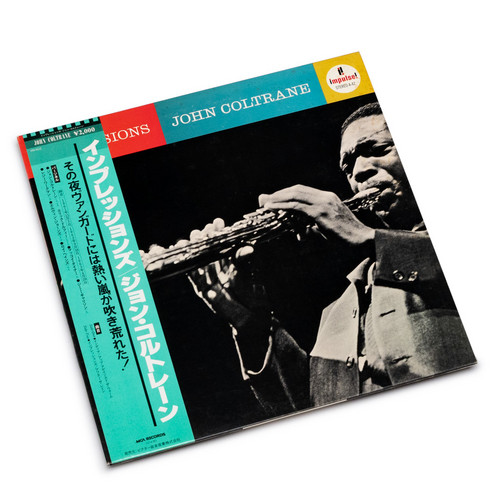
Impressions (LP)
1980 Japanese edition on MCA of the 1963 live album featuring Eric Dolphy, Reggie Workman, Jimmy Garrison, Elvin Jones and McCoy Tyner. With insert and obi.
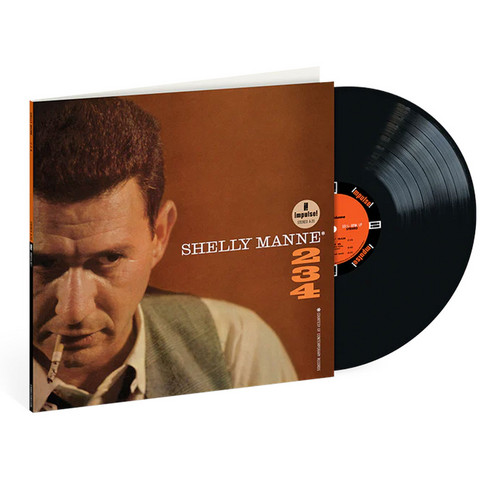
2-3-4
One of the great small-group dates in the Impulse! book, and a quietly perfect one. Cut February 5 and 8, 1962, produced by Bob Thiele, with an across-the-generations cast: drummer Manne steering with the lightest touch, the mighty Coleman Hawkins in a late-career surge that reminds you exactly why he invented the tenor saxophone as we know it, Eddie Costa and Hank Jones trading the piano chair, George Duvivier anchoring the bass. The whole thing breathes - duet, trio, quartet, the group shrinki…
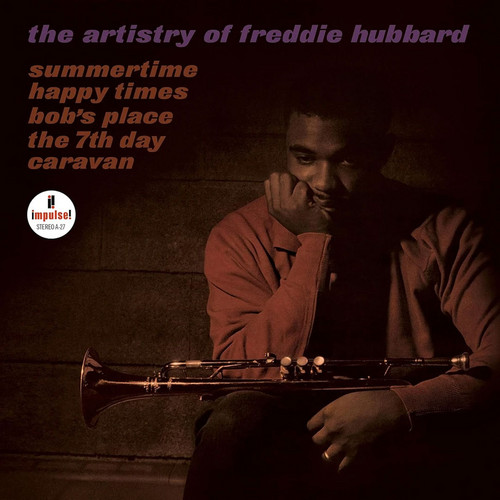
The Artistry of Freddie Hubbard
Caught at the exact moment the young trumpeter steps fully into his own. Recorded July 2, 1962, at Rudy Van Gelder's studio, released in 1963 on Impulse!, this is Hubbard with technique to burn but warmth to match - every line sculpted, every phrase rhythmically alive. Around him a ridiculous cast: John Gilmore (yes, the Sun Ra tenor man) shadowing Hubbard's lines with that crooked, unmistakable tone, Curtis Fuller and Tommy Flanagan filling out the harmony, Art Davis and Louis Hayes locking dow…
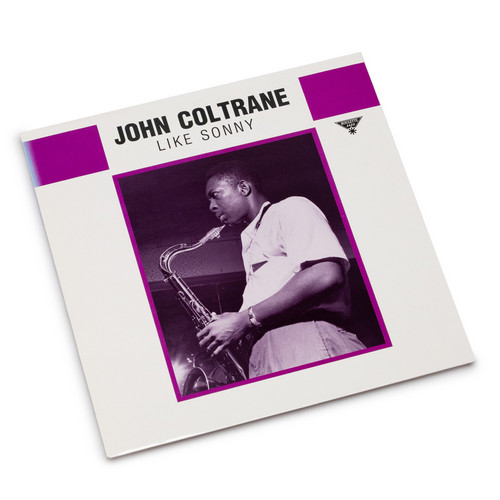
Like Sonny (LP)
1990 UK-only compilation on Roulette Jazz with 1958/1960 tracks from The Best Of Birdland Volume 1 and A Tuba Jazz LP's plus a previously unreleased track.
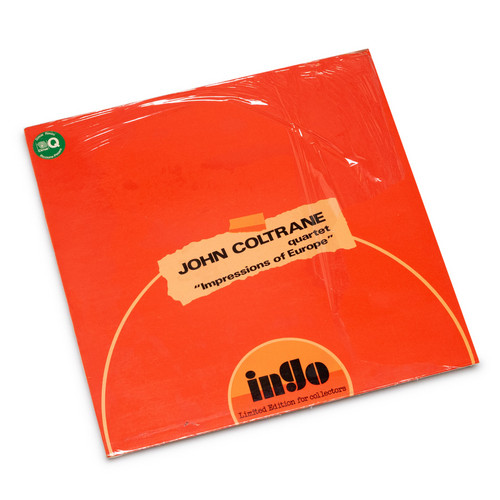
Impressions Of Europe (LP)
Grey area Italian LP on Ingo with live recordings made in Denmark and Austria in 1962 featuring Jimmy Garrison, Elvin Jones and McCoy Tyner.
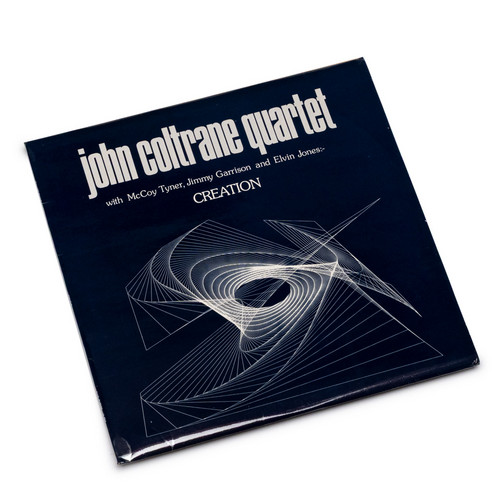
Creation (LP)
Grey area UK LP on Blue Parrot Records with live recordings made in the USA in 1964 and 1965 featuring Jimmy Garrison, Elvin Jones and McCoy Tyner.
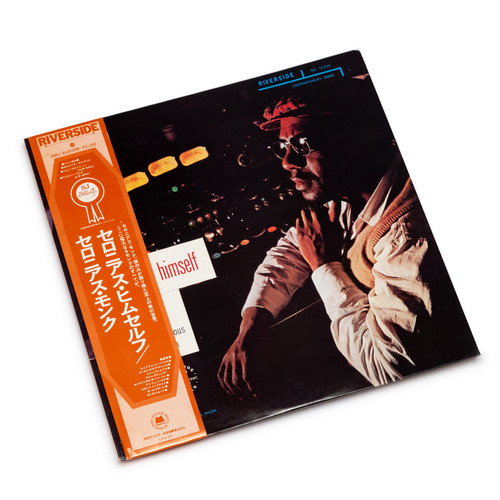
Thelonious Himself (LP)
1974 Japanese re-issue on Milestone's "Riverside Original Recording Series" of the 1957 album featuring John Coltrane. With insert and obi.
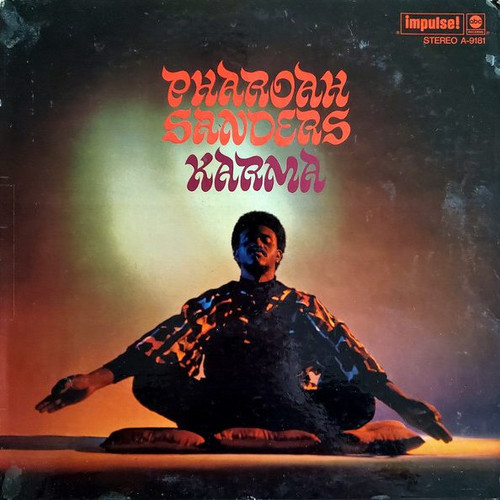
Karma (LP)
Rare original US edition on Impulse!/ABC of the 1969 album. With original innersleeve.
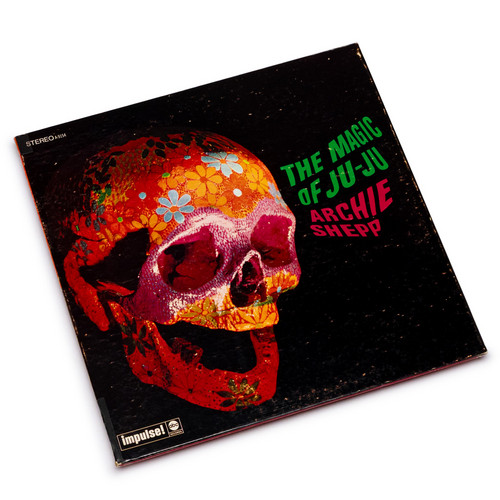
The Magic Of Ju-Ju (LP)
1973 US re-issue on Impulse!/ABC of the 1967 album.
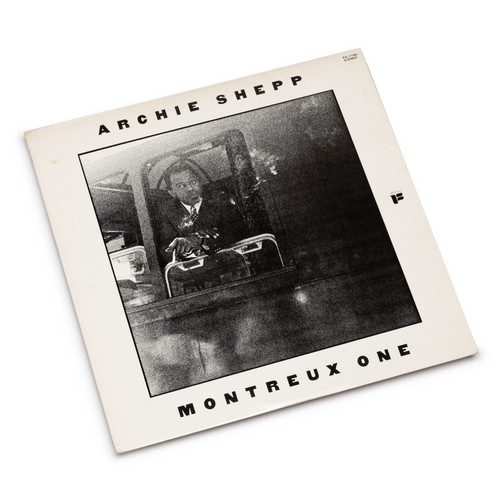
Montreux One (LP)
1978 original Japanese edition on Freedom/Trio of the 1976 album with a live recording from 1975 featuring Dave Burrell. With insert.
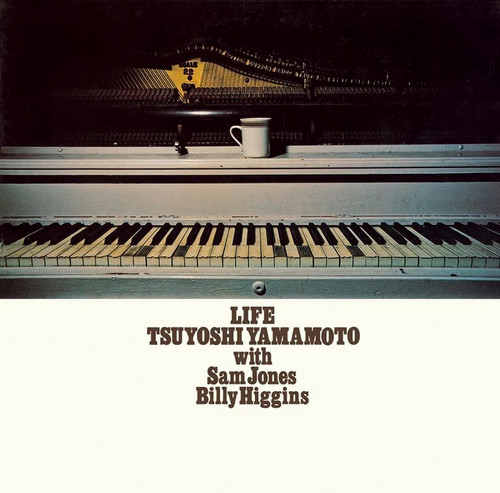
Life
World-famous pianist Tsuyoshi Yamamoto’s second East Wind release, "Life," appears in the lineup for "Spin This Now!" Vol. 9. Backed by a golden rhythm section with Sam Jones on bass and Billy Higgins on drums, Yamamoto delivers a supremely swinging performance. His delicate ballad playing on "If You Could See Me Now" is also essential listening.
Label Introduction: East Wind was a groundbreaking jazz label established in 1974 through the full cooperation of Ai Music, as it was then known, and N…
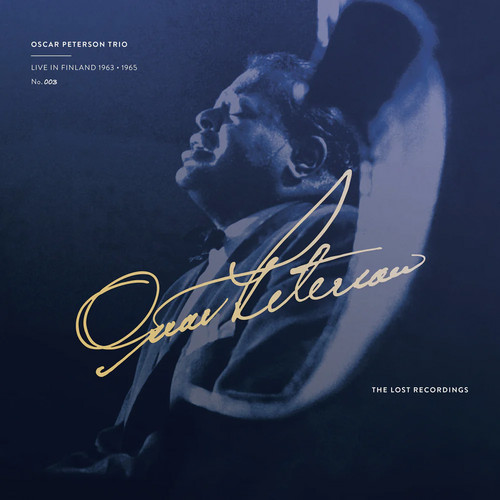
Live In Finland 1963 - 1965
In 1963 and 1965 Oscar Peterson performed at the Kulttuuritalo in Helsinki. He was the leader of what was then considered one of the most closely-knit bands in the history of jazz, made up of Oscar himself and two other fabulous jazzmen, Ray Brown on bass and Ed Thigpen on drums. For the 1965 concert, trumpeter Clark Terry was invited to join the legendary trio.The Helsinki concerts were both part of whirlwind European tours that included performances all over the continent, from France and Germ…
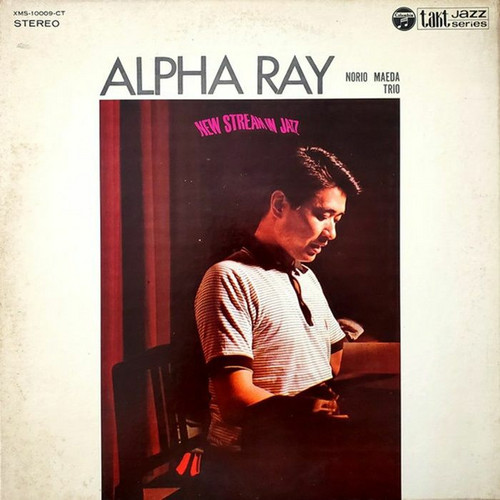
Alpha Ray
Norio Maeda ignites this trio date with raw, thrilling momentum — one of his most electrifying records. Stripped-down and urgent, the music bursts with kinetic energy: tight, swinging interplay that sparks like vintage 60s bossa bands yet barrels in its own direction. Maeda’s piano cuts through with bold, adventurous lines; Tatsuro Takimoto’s bass is muscular and melodic; Takeshi Inomata’s drumming is sharp, driving, relentless. Standout tracks include "Alpha Ray," "Fifth Column," "Slobber," "St…
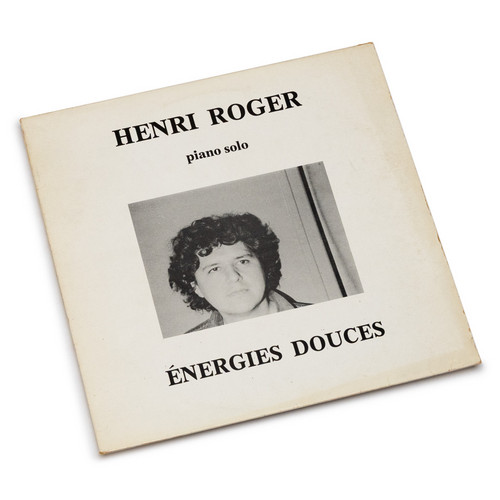
Energies Douces (LP)
Privately released 1982 album of lovely free-flowing piano music by the French musician who had previously released the fantastic electronic Images LP on Pôle and on the NWW list.
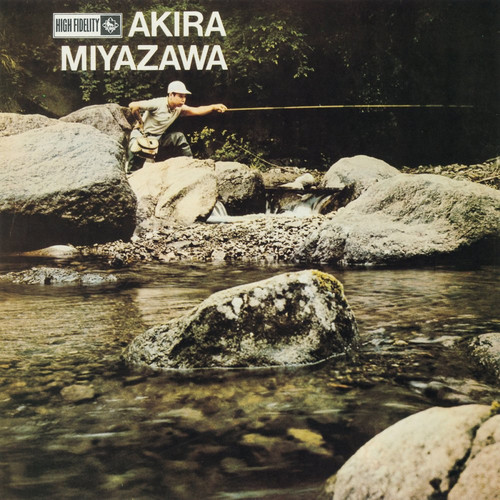
Yamame
Jazz saxophonist Akira Miyazawa was known for his unparalleled love of fishing, and here he gives a masterful performance that conjures the image of silvery fish scales reflecting light through the cold and clear water of a small mountain stream. “Yamame” (the Japanese name for a kind of freshwater salmon) was recorded in 1962 and was Miyazawa’s first album, but the sharpness and avant-garde modernity of the music creates a completely timeless quality. Miyazawa is one of a group of musicians who…