Maribor
Members: Giuseppe Verticchio, Andrea Marutti, Stefano Gentile, Maurizio Bianchi, Pierpaolo Zoppo, Gianluca Favaron
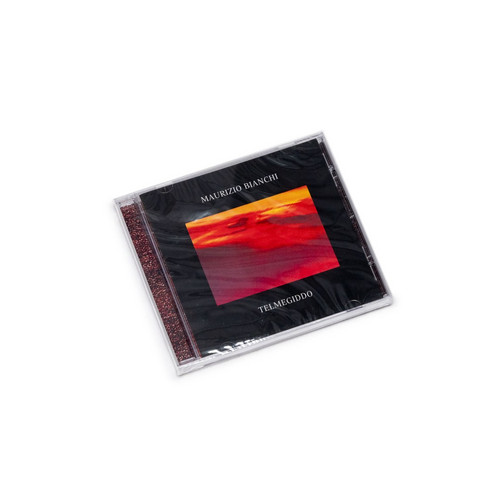
Telmegiddo
Telmegiddo, recorded in February 1983 at the Mectpyo Studio, was Maurizio Bianchi's last tape decomposition before his long hiatus. Mercium reissues it on CD, remastered: two parts of about 25 minutes.
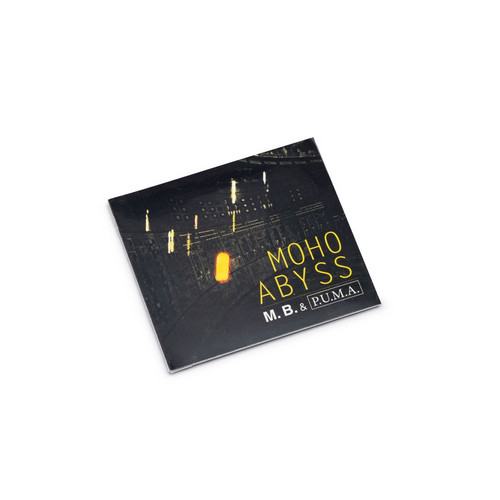
Moho Abyss
Maurizio Bianchi with P.U.M.A. (Luca Valisi and Monica Calanni Rindina): ten pieces of drones, synths, field recordings and voice titled after THX 1138, Eraserhead, Stalker and other dystopian films. CDr, 100 copies.
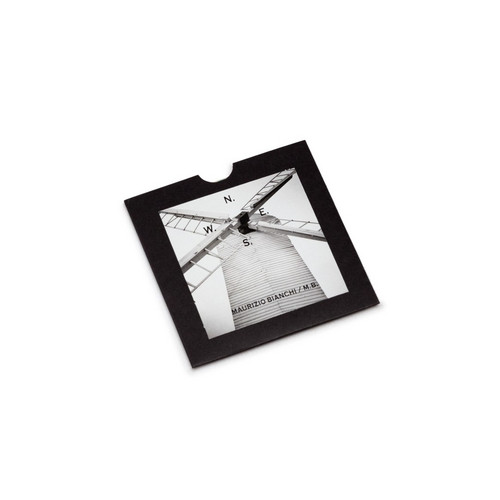
N.E.S.W.
Maurizio Bianchi's N.E.S.W. (Negativity-Enmity-Spurn-Worse), first issued by Lona Records in 2014, back on CDr: four long tracks that rotate the points of the compass, almost seventy minutes. 30 copies.
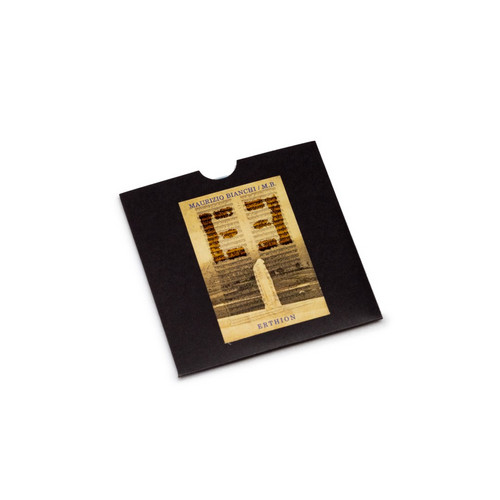
Erthion
Maurizio Bianchi's Erthion, first issued by Young Girls Records in 2010, back on CDr: eight tracks titled after verses of the biblical Lamentations, about an hour, mastered by Pharmakustik. 30 copies with mini poster.
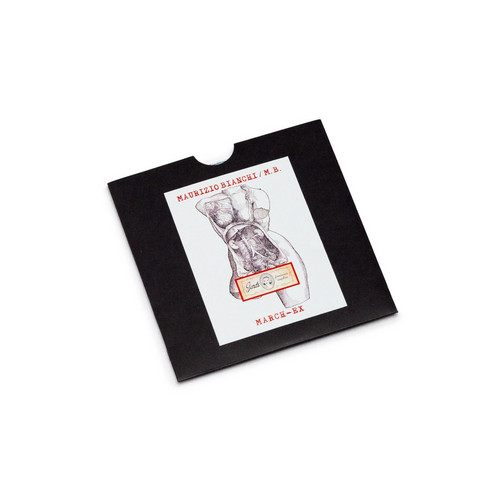
March-Ex
Maurizio Bianchi's March-Ex, first issued by Lona Records in 2009, back on CDr from BeTon Raw: five tracks, about an hour, with the voice of Yoko Ishimoto Kamimura and mastering by Siegmar Fricke. 30 copies.
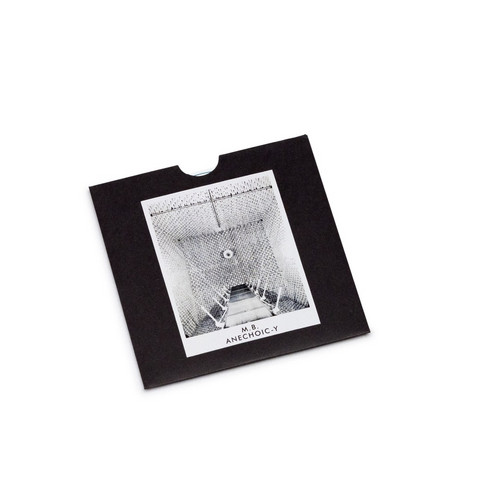
Anechoic-Y
Two sixteen-minute pieces of anenoises and choictronics recorded by Maurizio Bianchi as M.B. in 2017 at the Emoptyc studio in Opera, with artwork built on photos of anechoic chambers. 30 copies on BeTon Raw.
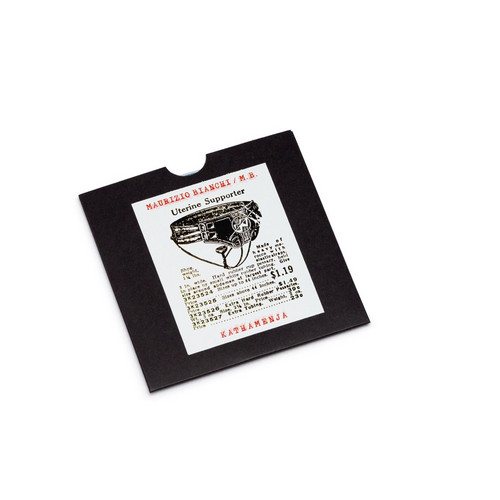
Kathamenja
Maurizio Bianchi's Kathamenja, first issued by Lona Records in 2011, back on CDr from BeTon Raw: five tracks, close to seventy minutes, with the original preface printed in the package. 30 copies.

Carcimetrio
Maurizio Bianchi's Carcimetrio, first issued by Simple Logic in 2006, back on CDr: four long pieces named after tumours and growths, over seventy minutes, mastered by Siegmar Fricke. 30 copies.
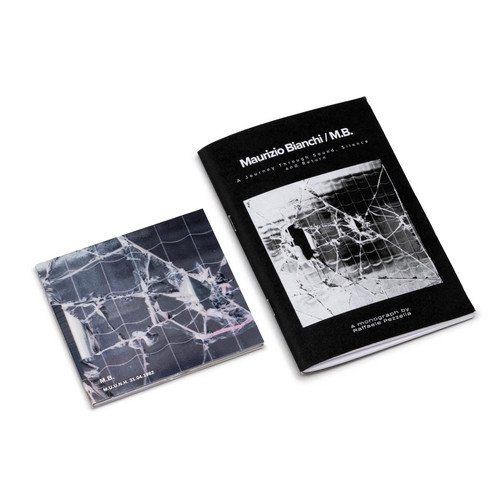
M.U.U.N.H. 31.04.1982 + A Journey Through Sound, Silence and Return
Bringing page and tape into the same charged zone, this bundle pairs A Journey Through Sound, Silence and Return with M.U.U.N.H. 31.04.1982, uniting Maurizio Bianchi’s most ascetic industrial vortex with Raffaele Pezzella’s definitive monograph. Together they form a single, immersive dossier on sound as extremity, withdrawal and unresolved return.
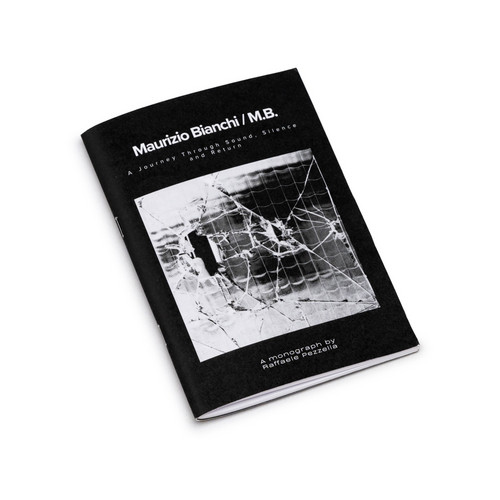
A Journey Through Sound, Silence and Return (Monograph) (Book)
Few figures in experimental music embody rupture as completely as Maurizio Bianchi. A Journey Through Sound, Silence and Return traces his arc from ferocious early industrial extremism to a radical withdrawal and enigmatic comeback, revealing an artistic ethic where creation, renunciation and re-emergence form one continuous, troubling gesture.
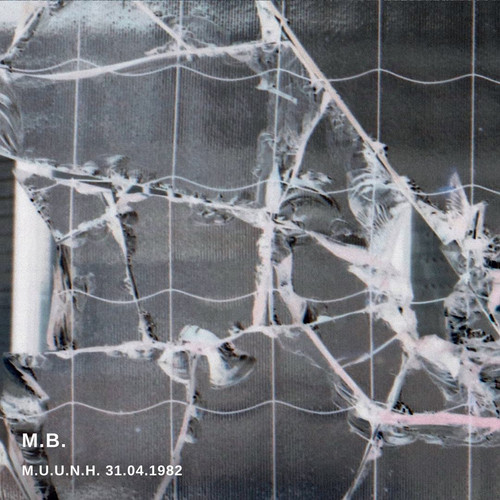
M.U.U.N.H. 31.04.1982
Recorded at a pivotal moment in his trajectory, M.U.U.N.H. 31.04.1982 captures Maurizio Bianchi refining sound into a stark environment rather than a composition. Static yet volatile, it strips electronics to bare impulses, anticipating isolationist ambient and dark drone while remaining rooted in the brutal materiality of early industrial experimentation.
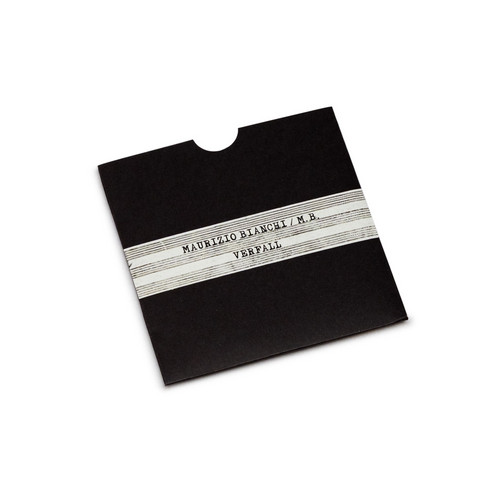
Verfall
*30 copies limited edition*
The CDr is contained in a black cardboard envelope measuring 13x13 cm. about (250 grams thick) with a 3x13,50 cm sticker on the front. The CDr has a small sticker, and inside the envelope there is a photocopied insert in the format of a mini poster of the dimensions of 22x33cm. open and 11x11 cm. closed, approximately (paper 80 gr. thick). Inside there is also a 12x12 cm. insert (200 grams thick) that reproduces in front and back two collages of M.B.
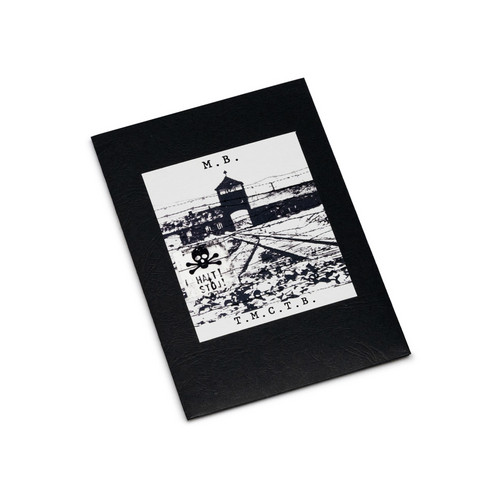
T.M.C.T.B.
*42 copies limited edition*
Handmade packaging.The CDr is contained in a 14x20 cm embossed black cardboard envelope. A sticker is attached to the envelope.A small caution/danger sign printed on PVC is in turn attached to the sticker.Inside the envelope are:- a printed CDr- a full-color tri-fold cover- a bookmark- a sticker- a printed front and back page of Les Chants De Maldoror by Le Comte De Lautréamont. The front features the original title page from the first printing of the work, while the …
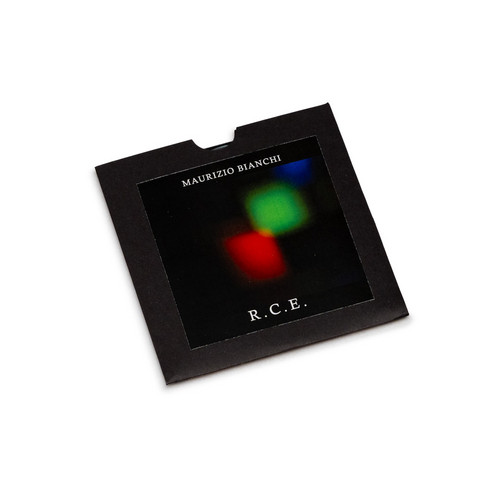
R.C.E.
*30 copies limited edition*
The CDr is contained in a black cardboard envelope measuring 13x13 cm. about (250 grams thick) with a 10x10 cm sticker on the front. The CDr has a small sticker, and inside the envelope there is a printed bi-folded of 12x24 cm. open and 12x12 cm. closed, approximately (paper 120 gr. thick).
Subtitle: Exasperating sonata in three dissections for enharmonic pianoforte, industrial oscillations and digital emissions.
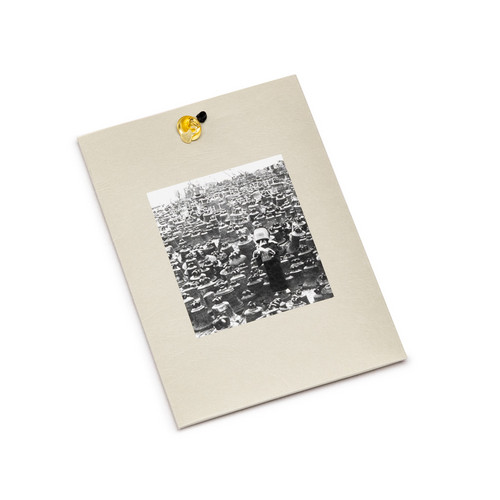
Mokushi XVI, XVI
*36 copies limited edition*
Handmade packaging.The CD-R is contained in a 14x20 cm embossed beige cardboard envelope. A sticker is attached to the envelope.The envelope has a hole closed with two pieces of black satin ribbon holding a little bell in silver or gold metal.There are two editions of 18 copies each one: 18 have the silver bell and 18 copies have the gold bell.Inside the envelope are:- a plastic envelope containing the black vinyl-like polycarbonate CD-R. The CD-R is printed- 2 insert…
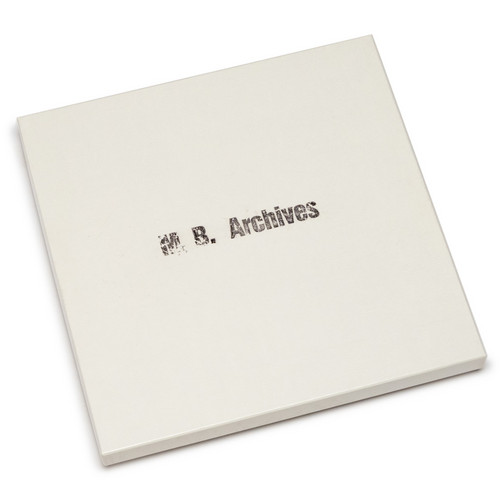
Archives
On Archives, Italian industrial pioneer Maurizio Bianchi (M.B.) assembles a stark dossier of early cassette‑era works, exposing the bare circuitry of his noise archaeology: corroded drones, medical‑grade pulses and desolate tape decay stripped of any human consolation.
I.A.V.C. Tapes
Limited edition of 33 copies in black cardboard boxset. 1980. Working alone from his home in the Mantuan town of Pomponesco, twenty-four years old, equipped with little more than an analogue synthesiser, a tape machine, and a small bank of effects, Maurizio Bianchi closed the chapter of his earlier Sacher-Pelz project and inaugurated, almost overnight, the body of work that would place him at the heart of European industrial music. Across roughly twelve months he produced an extraordinary run of…
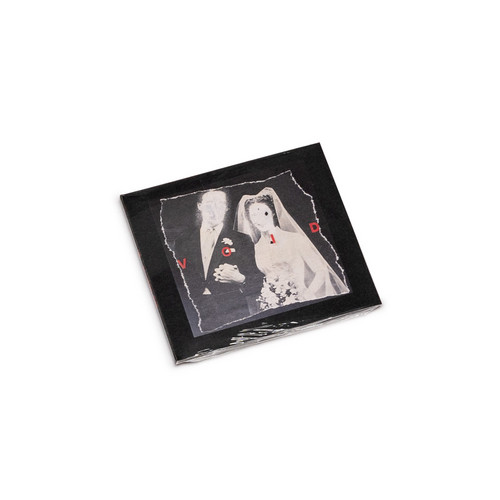
Industrial tape
This is where it begins. Recorded in May 1980 and self-released the same year as catalogue number 01, Industrial Tape is the founding document of the MB project, the first cassette Maurizio Bianchi issued under his new name after closing the Sacher-Pelz chapter. Working alone in his home in the Mantuan town of Pomponesco, twenty-four years old, equipped with little more than an analogue synthesiser, a tape machine, and a small bank of effects, Bianchi laid down four pieces that would set in moti…
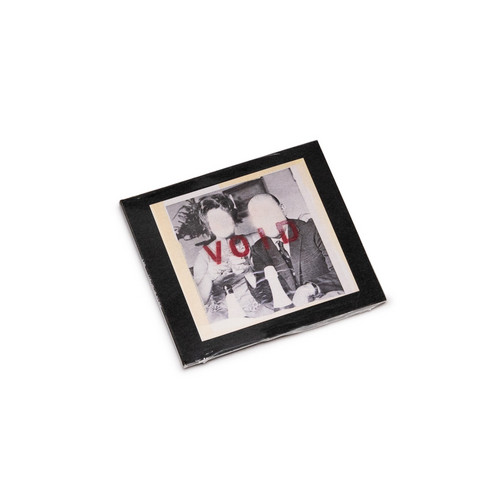
Voyeur Tape
101 Copies. Recorded in July 1980 and issued shortly thereafter on Andrew Cox's YHR Tapes with the catalogue number YHR 005, Voyeur Tape was the first MB cassette to cross the Channel into the British industrial underground, preceding by a matter of months its companion Cold Tape, which would follow on the same imprint as YHR 006 before year's end. Together the pair formed Maurizio Bianchi's decisive entry into the small mail-order network through which European industrial music was circulating …

Cold Tape
101 Copies. Recorded in the autumn of 1980 and originally issued the same year on Andrew Cox's YHR Tapes in the United Kingdom, Cold Tape marks the moment Maurizio Bianchi's music first crossed the Channel into the British industrial underground. After a feverish run of self-released cassettes that spring and summer under the MB name, working from his home in the Mantuan town of Pomponesco, Bianchi entered into correspondence with the small network of European cassette imprints that had begun to…