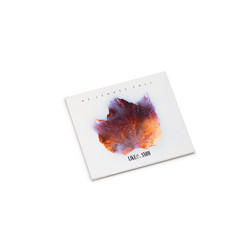
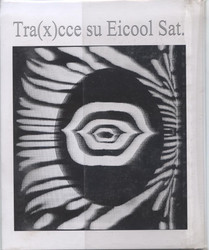
This is where it begins. Recorded in May 1980 and self-released the same year as catalogue number 01, Industrial Tape is the founding document of the MB project, the first cassette Maurizio Bianchi issued under his new name after closing the Sacher-Pelz chapter. Working alone in his home in the Mantuan town of Pomponesco, twenty-four years old, equipped with little more than an analogue synthesiser, a tape machine, and a small bank of effects, Bianchi laid down four pieces that would set in motion one of the most consequential and prolific runs in European industrial music.
The tapes that followed across the rest of 1980 - Atomique Tape in June, Voyeur Tape in July, Cold Tape in the autumn, and many others - all radiate from this point. Inspired by the early German electronic vanguard of Tangerine Dream and Conrad Schnitzler, and by the radical provocations of Throbbing Gristle, Bianchi was simultaneously beginning to correspond with Merzbow, SPK, Nigel Ayers, and William Bennett, the small network of letters and exchanged cassettes through which the sound now known as industrial first articulated itself. Industrial Tape is the inaugural address.
Unlike the more openly tape-based works that would follow, Industrial Tape is essentially a synthesiser record, four pieces in which Bianchi tests, prods, and slowly subjugates the machine. The first piece edges into proto-soundtrack territory, eerie sustained tones and brittle figures that would not sound out of place in a late-1970s horror film. From there the music moves through rudimentary rhythmic loops, abrasive noise barrages, and slow corrosive drones, the four tracks together amounting to a survey of the techniques Bianchi would refine, accelerate, and darken over the months to come. There is a roughness here, a quality of first contact, that the later tapes lose; one hears Bianchi finding the shape of his vocabulary in real time.
Heard now, more than four decades on, it has the gravity of an originating gesture. The harsh noise tradition that runs from Merzbow through The New Blockaders, Hijokaidan, and onward into the contemporary moment can be traced, in part, to the small ferric C60 that Bianchi taped over a few days in May 1980 and posted out into the European underground.
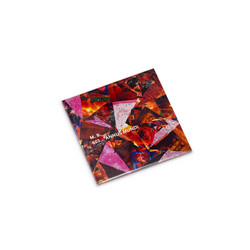
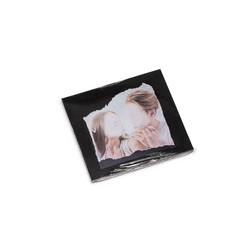
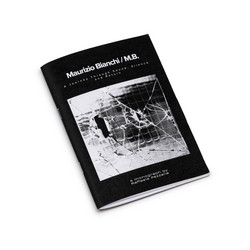
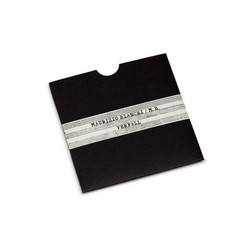
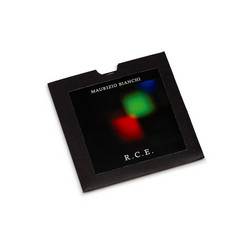
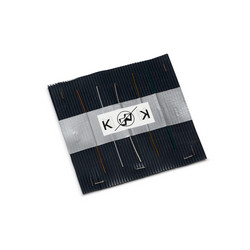
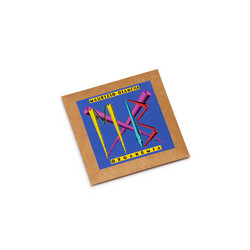
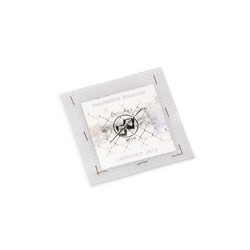
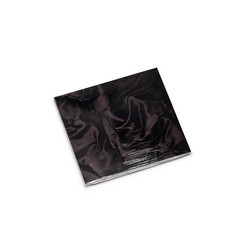
Issued by StAnDa, side-imprint of Silentes dedicated to small-run reissues from MB's tape archive, on CD in a numbered edition of 101 copies, housed in an embossed cardboard sleeve.



















![The Bunker Years [2006-2014]](https://cdn.soundohm.com/data/products/2025-05/R-14433460-1574443044-2868-jpeg.jpeg.250.jpg)