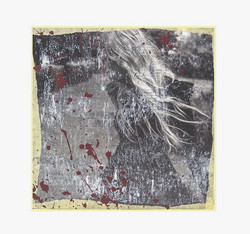
Edition of 101 copies. Recorded in June 1980 and self-issued the same year on cassette, Atomique Tape belongs to the legendary first wave of releases under the MB name, the moniker Maurizio Bianchi adopted that spring after closing his earlier project Sacher-Pelz. Across roughly twelve months, working from his home in the Mantuan town of Pomponesco, Bianchi produced an extraordinary run of self-released tapes that would, almost immediately, place him at the centre of the international industrial underground.
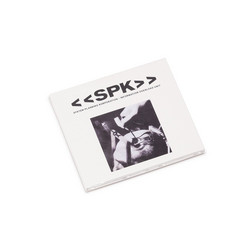
This is the second of those tapes, sitting between Industrial Tape and Voyeur Tape in the 1980 sequence. Inspired by the early German electronic vanguard of Tangerine Dream and Conrad Schnitzler, and by the radical provocations of Throbbing Gristle, Bianchi corresponded in those months with Merzbow, SPK, Nigel Ayers, and William Bennett, a network of letters and exchanged cassettes through which the sound now known as industrial first articulated itself. His own stated aim, formulated in the same period, was austere and uncompromising: to produce technological sounds capable of registering modern decadence in full.
The album consists of two long pieces, in which low-end mass and corroded high frequencies are pulled across the tape in slow, irregular gestures. The materials are recognisably the early MB toolkit: tape manipulation and looping, dirty oscillators, ring-modulated signal, and abused circuitry, all rendered through the characteristic ferric haze of domestic cassette recording. There is no rhythm in any conventional sense, but a stubborn, gravitational pulse beneath the surface, a sense that the music is moving slowly across a damaged ground. Hardened by hidden weight and melancholy, the work feels less composed than excavated. Heard alongside Industrial Tape, Voyeur Tape, and the closely related Cold Tape, Atomique Tape reveals the inner architecture of MB's 1980, a year in which Bianchi essentially codified, almost overnight, an entire vocabulary that the wider industrial and harsh noise traditions are still drawing on, more than four decades on.
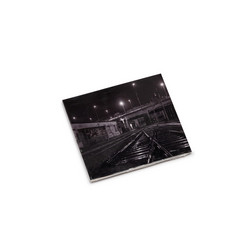
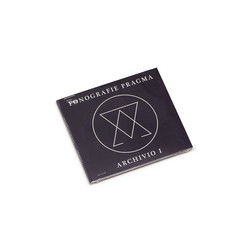
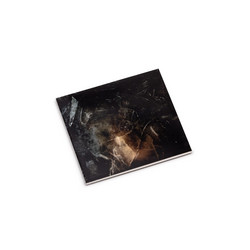
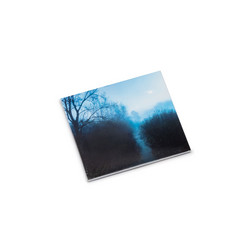
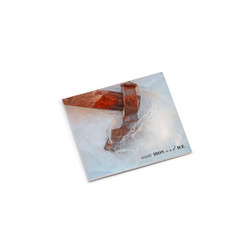
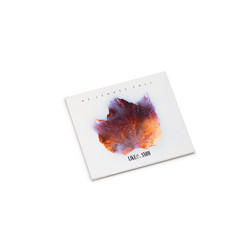
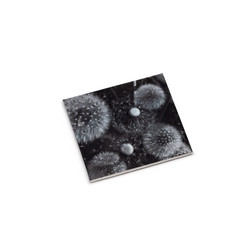
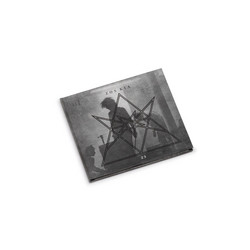
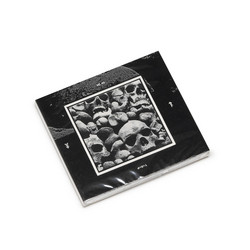
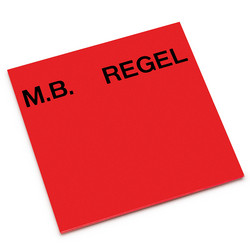
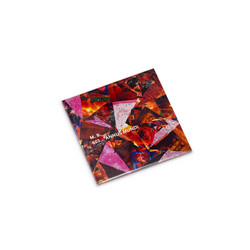
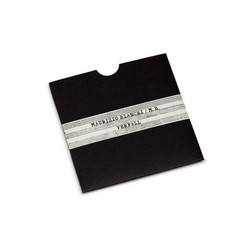
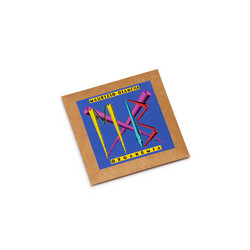
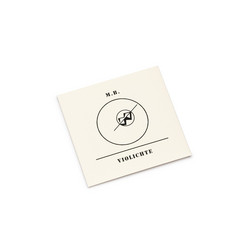
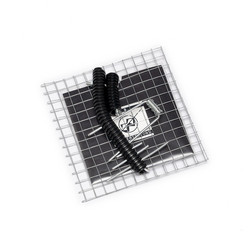
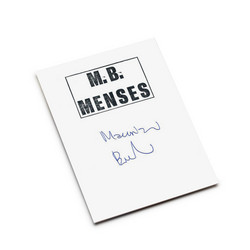
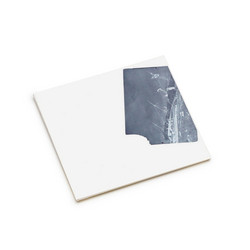
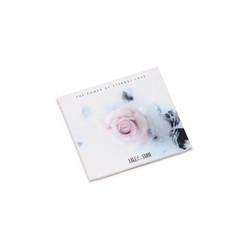
Issued by StAnDa, side-imprint of Silentes dedicated to small-run reissues from MB's tape archive, on CD in a numbered edition housed in an embossed cardboard sleeve. [INSERIRE QUI: numero esatto di copie e anno di uscita]. A discreet, collector-oriented document of one of the foundational 1980 cassettes.














![The Bunker Years [2006-2014]](https://cdn.soundohm.com/data/products/2025-05/R-14433460-1574443044-2868-jpeg.jpeg.250.jpg)