Noah Howard
Noah Howard (1943-2010) was an American free jazz alto saxophonist born in New Orleans. He played music in church as a child and started on trumpet before taking up the saxophone, drawing on John Coltrane and Albert Ayler. After playing in New York in the 1960s, including with Sun Ra, he spent most of his career in Europe. He recorded for ESP-Disk and ran his own label, AltSax. Howard studied with Dewey Johnson. His debut as leader, Noah Howard Quartet, came out on ESP-Disk in 1966, followed by At Judson Hall.
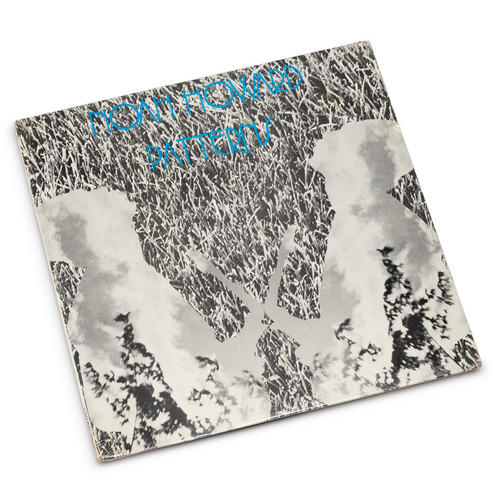
Patterns (LP)
Still sealed copy of the original edition privately released on Howard's own Altsax label of the 1973 free jazz album featuring ICP's Han Bennink and Misha Mengelberg.
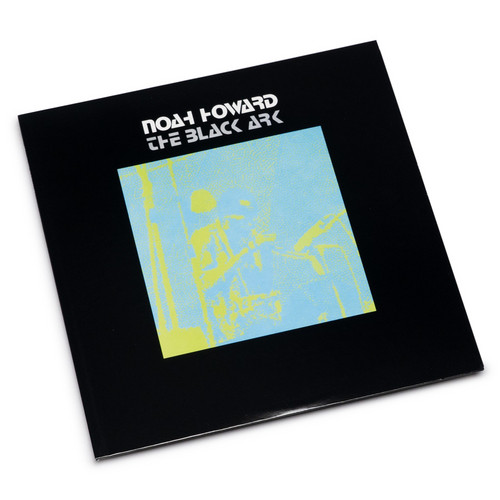
The Black Ark + Dogon A.D.
Special discounted Bundle. Two of the greatest free jazz records ever laid to tape, back where they belong. Superior Viaduct reissues Noah Howard's The Black Ark and Julius Hemphill's Dogon A.D. — both from 1972, both inexplicably scarce for decades, both essential.
The Black Ark finds Howard backed by a towering ensemble — Norris Jones (Sirone), Arthur Doyle, Leslie Waldron, Earl Cross, Juma Sultan, Mohammed Ali — in four tracks that move from hard-blown spiritual fire to lyrical catharsis. Des…
The Black Ark
Huuuge Tip! In the pantheon of classic free jazz, Noah Howard's The Black Ark looms large. Recorded at Bell Sound Studios in New York City in 1969 - just prior to the alto saxophonist's relocation to Europe - the album was eventually released in 1972 on Alan Bates's Freedom label, and has since acquired near-mythical status among collectors and devotees of the music. Now, Superior Viaduct presents the definitive remastered edition on vinyl, restoring this landmark to the visibility it has always…
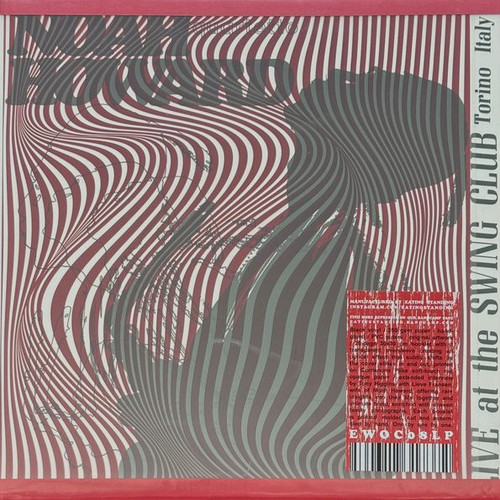
Live at the Swing Club Torino Italy
"Although alto saxophonist Noah Howard never quite managed to garner the reputation that several of his more well-known playing partners did, to those 'in the know', he was every bit as essential and extraordinary as Archie Shepp and Albert Ayler. A player and composer of direct and emotionally charged music, Howard's career saw him bear witness to some of the most tumultuous periods in jazz, giving voice to the cry for freedom – both musical and political – that characterised the late 1960s and…
Sold Out

Patterns
Noah Howard's 1971 album, recorded in the Netherlands with Misha Mengelberg, Han Bennink and Earl Freeman and the first he released on his own Altsax label. Free jazz built on melody and pattern.
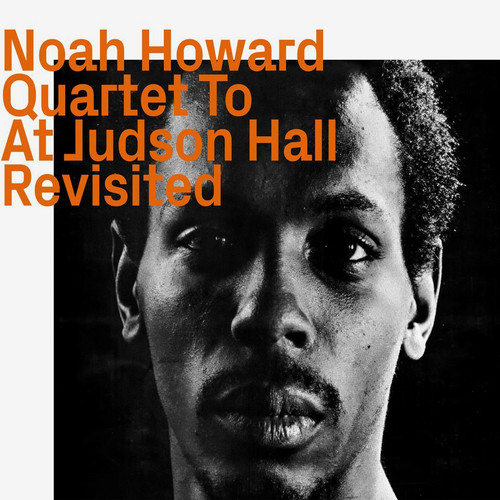
Quartet to At Judson Hall "Revisited"
By 1966, the first wave of free jazz had established the foundation upon which this radically generated music could be understood and personalized, shared as a communal activity and still invested with significant singular characteristics. Noah Howard and his bandmates represented a second generation, as creative attitudes were expanding.
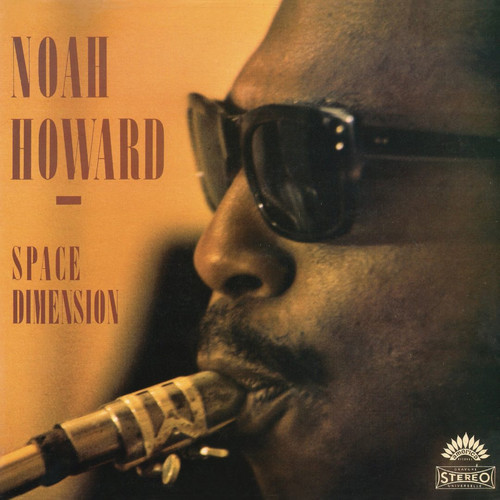
Space Dimension
Black vinyl / 505mcn paper / Hand Plasticization / PVC outers / original artwork / 250 copies edition. 1970 freeform jazz rarity. Noah Howard was born in 1943 in New Orleans and, like many of his contemporaries, first played music in church as a child. In his 2010 book, 'Music in My Soul', Howard reflected upon his childhood in New Orleans and the influence the city had on him: “Growing up in New Orleans was like receiving a steady diet of music, and my taste in music became increasingly more so…

From Dust We Came... To Dust We Return
**2026 stock** Noah Howard should need no introduction. The American alto saxophonist was born in1943 in New Orleans, who moved to Europe in 1968, and eventually settled in Brussels after living in Paris and Nairobi. He was a member of the avant-garde jazz movement of the 1960s and, amongst many influential albums, made the seminal Black Ark album with Arthur Doyle in 1969. This album came about as a result of Justin Wiggan’s love of Howard’s music. 5 years after Howard’s death in 2010, Justin w…
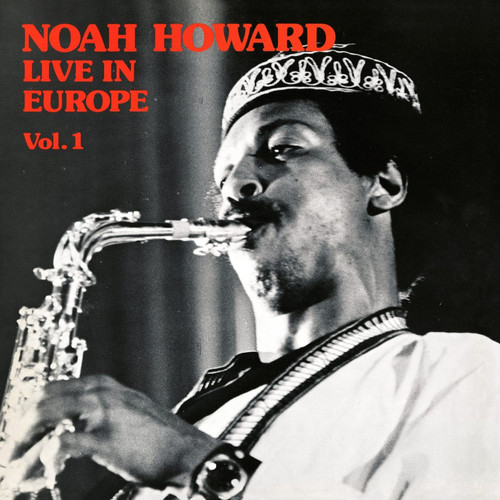
Live In Europe Vol.1
These live recordings capture a series of performances throughout Europe in 1975. These gigs reflect Howard’s peculiar musical identity on the Free Jazz scene of that era. An uncanny and heavy atmosphere unifies the different compositions which are constructed with improvisations on disturbing repetitions.