Back in stock
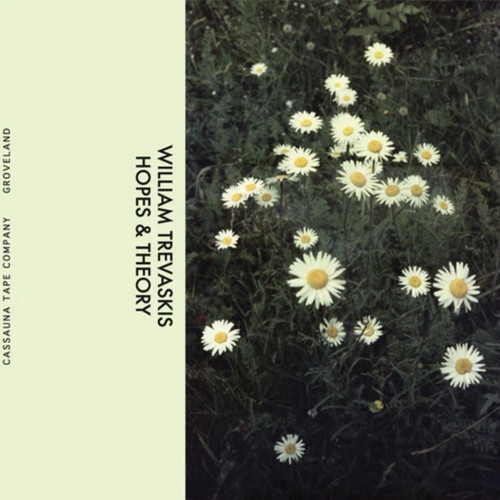
Hopes & Theory
Hopes and Theory is a collection of songs inspired by wild plants and intentional gardens. At its core this music is rooted in synthesis, autonomy, and purely tuned harmony. At its heart there is chaos, color, and evolution. Hopes and Theory was recorded on the island of North Haven, Maine and reflects the anarchy of serenity in a seemingly peaceful place. William Trevaskis is a composer and sound artist living and working in the Fox Islands of Maine who uses xenharmony to explore themes of cha…
Tropismi
Gabriele Gasparotti’s second full length album, Tropismi, is a collection of mesmerizing compositions with masterful polyrhythmical textures and harmonies, strings, prepared piano, magnetic tape and field recordings. Gasparotti's unique style uses classical composition techniques such as counterpoint, canone inverso and serialism to create morphing expanding harmonies continuously. Tropismi features stunning cellotronics by Benedetta Dazzi, cellist and sound designer with which Gasparotti establ…
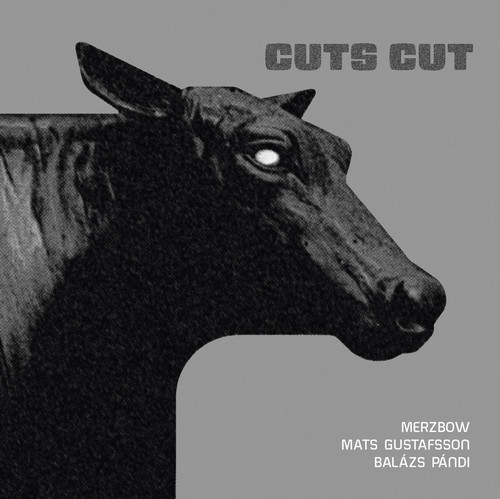
Cuts Cut
Merzbow, Mats Gustafsson and Balázs Pándi, recorded at Victoriaville in 2018 and completed with new recordings in 2025: electronics, bass and baritone saxophones and drums in brutal noise and free jazz.
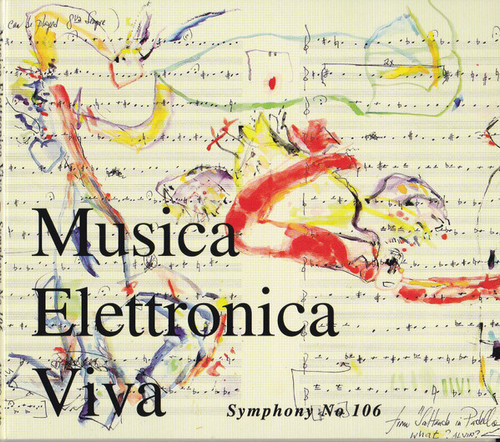
Symphony No 106
Documenting a reunion of Musica Elettronica Viva's founders Frederic Rzewski (piano and vocals), Richard Teitelbaum (keyboards and computer) and Alvin Curran (keyboards, computer and shofar) at the 32nd International Festival Of Current Music in Victoriaville, Canada in 2016.
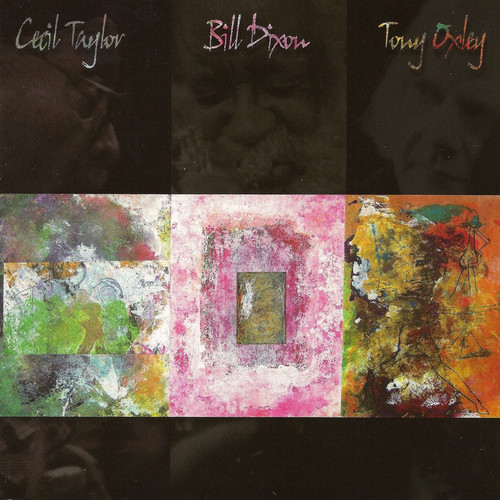
Cecil Taylor / Bill Dixon / Tony Oxley
Cecil Taylor, Bill Dixon and Tony Oxley in concert at Victoriaville on 19 May 2002: piano, trumpet and percussion in an intimate, often delicate trio set.
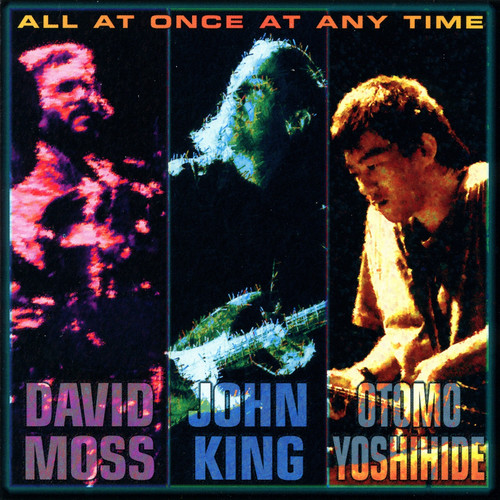
All At Once At Any Time
David Moss, John King and Otomo Yoshihide on the Victoriaville stage on 20 May 1994: voice, drums and electronics against electric guitars, turntables and sampler, in a fast, cut-up set between song fragments, noise and improvisation.
Faust IV
Faust left Wümme's anarchic freedom for The Manor's professional constraints. Virgin wanted a hit. Faust IV was the answer: their most paradoxical album, accessible yet destabilizing, part studio work, part salvage. The sessions stretched, the budget vanished, the result endures—uneven, restless, compelling. Fifty years later: still mid-sentence, still profound, gloriously incomplete.
Sold Out
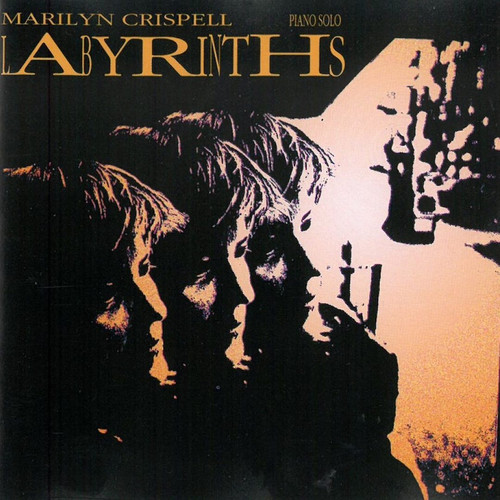
Labyrinths
Marilyn Crispell alone at the piano, live at the Victoriaville festival on 2 October 1987: dense, Taylor-inspired clusters and open lyrical passages, with a Coltrane piece. The CD reissue of the 1988 LP adds Threads in the Ozone.
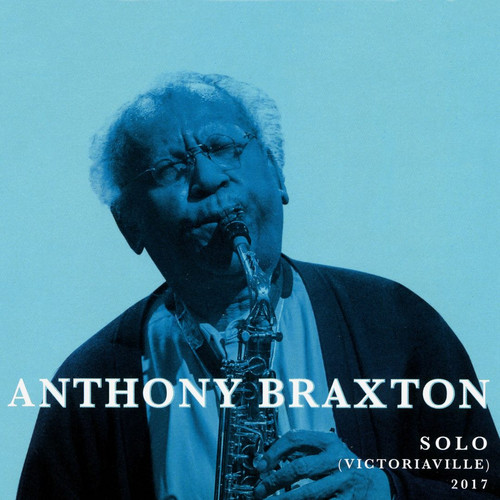
Solo (Victoriaville) 2017
On the 30th anniversary of the Victo Festival Anthony Braxton took to the stage for a magnificent solo performance on the alto sax, performing 8 spontaneous compositions and an 8+ minute version of "Body and Soul", seamlessly crossing lyrical and complex approaches to the horn using his unique intervallic, trimbral and diagrammatic language, a stunning and embraceable accomplishment.
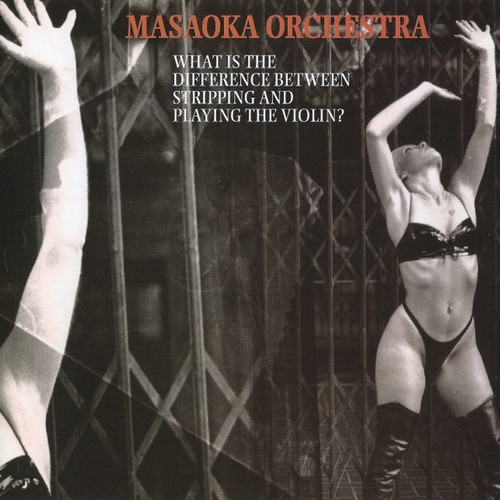
What Is the Difference Between Stripping & Playing the Violin?
Miya Masaoka's orchestra, recorded live in San Francisco in 1995 and 1997 with George Lewis, Vijay Iyer, Trevor Dunn and others: strings, Asian winds, shamisen, electronics and turntables under her whole-body conduction.
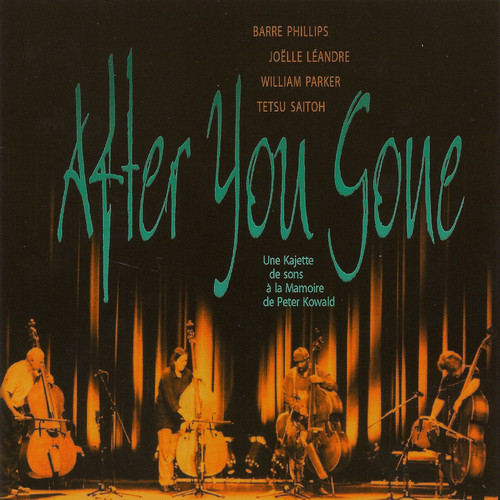
After You Gone
Four double bassists, Barre Phillips, Joëlle Léandre, William Parker and Tetsu Saitoh, live at Victoriaville on 23 May 2003 in memory of Peter Kowald: bowed and plucked basses and voices in a shared farewell.
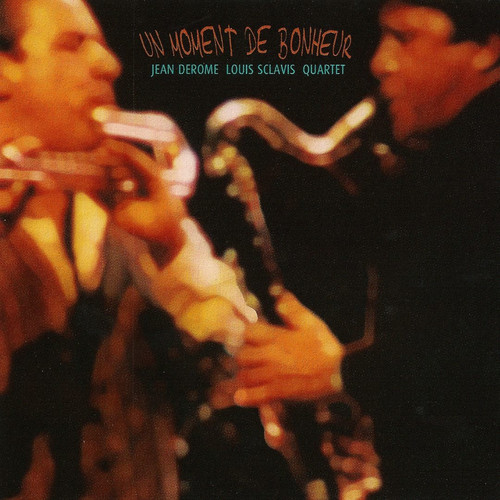
Un Moment de Bonheur
Jean Derome and Louis Sclavis share a quartet with Bruno Chevillon on double bass and Pierre Tanguay on drums, live at Victoriaville on 19 May 2001: flutes, clarinets and saxophone on compositions by both leaders.
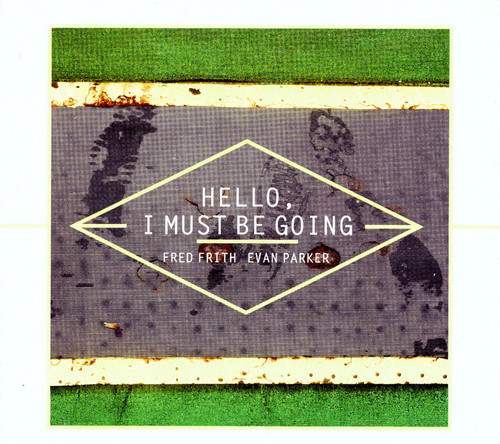
Hello, I Must Be Going
Two masters who rarely play together--guitarist Fred Frith and saxophonist Evan Parker--performing together as a duo at the 30th Musique Actuelle Festival in Victoriaville, Canada for an amazing exchange of ideas and intensely subtle dialog.
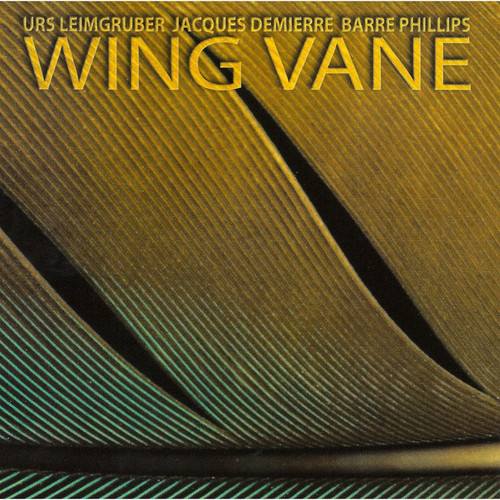
Wing Vane
Urs Leimgruber, Jacques Demierre and Barre Phillips recorded at Radio DRS in Zurich in January 2001: saxophones, piano and double bass in quiet, closely controlled improvisations where dynamics become the material.
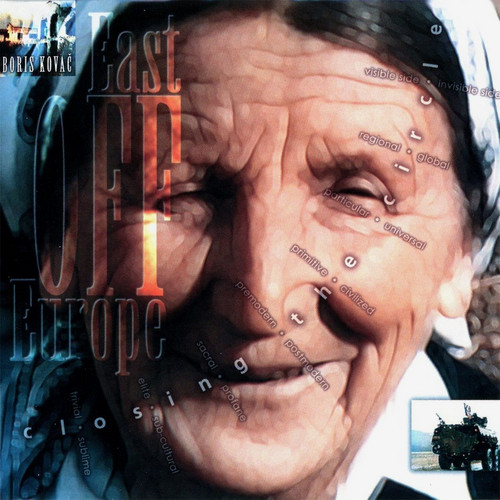
East Off Europe: Closing the Circle
Boris Kovač and the Ritual Nova Ensemble from Novi Sad: saxophones, clarinets, violin, piano, bass and soprano voice in a chamber music that joins Pannonian folk memory, minimalist repetition and jazz.
Victoriaville Mai 2011
Richard Pinhas, Merzbow and Wolf Eyes together at Victoriaville on 20 May 2011: guitars, electronics, tapes, saxophone and voice in a spontaneous five-way noise session.
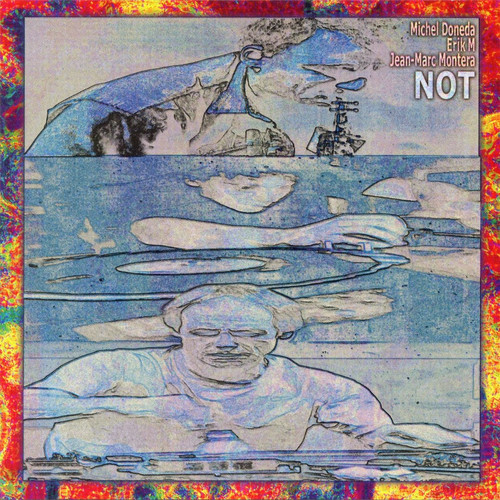
Not
Michel Doneda on soprano saxophone, eRikm on samplers and scratches, Jean-Marc Montera on guitar and electronics, recorded in Metz and Lons-le-Saunier in May 1999. Liner notes by Thurston Moore.
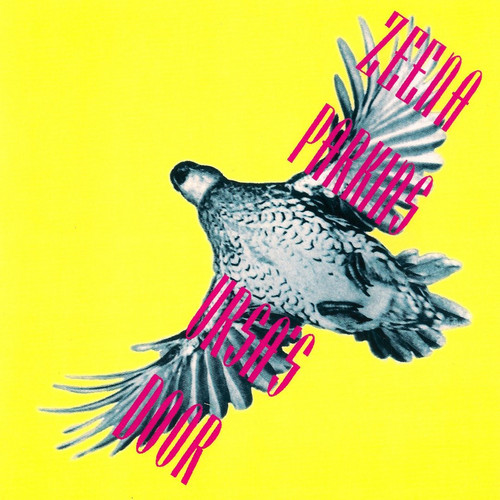
Ursa's Door
Zeena Parkins' 1992 album recorded in New York: electric harp, keyboards and tape with Ikue Mori on drums, Chris Cochrane on guitar, David Shea, and her sisters Margaret and Sara on cello, violin and voice.
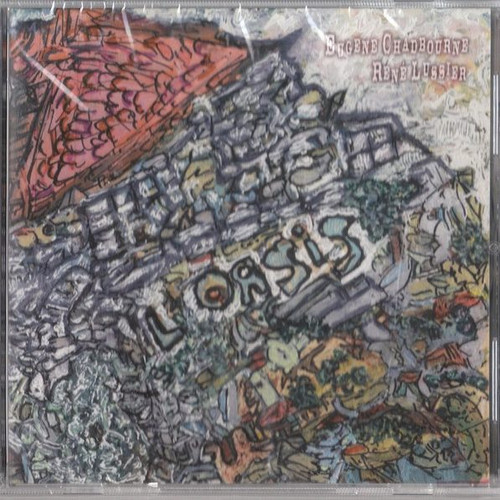
L'Oasis
Eugene Chadbourne and René Lussier, live in Paris and at Victoriaville in May 2002: acoustic and electric guitars, banjo and voice in a twisted hoedown of free improvisation, bluegrass and country blues.
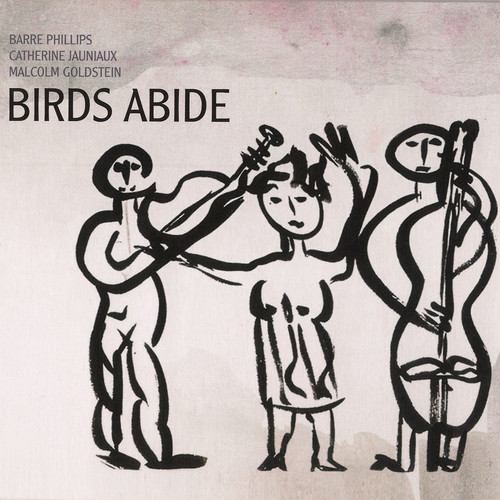
Birds Abide
Barre Phillips on double bass, Catherine Jauniaux on voice and Malcolm Goldstein on violin, live at Victoriaville on 22 May 2010: three veteran improvisers in a delicate, conversational trio.