Best sellers
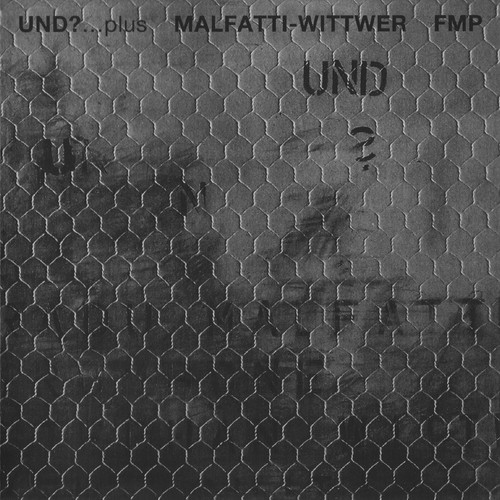
Und? ...Plus
Radu Malfatti on trombone and Stephan Wittwer on guitar in Innsbruck, February 1977: the duo LP Und? plus Untitled?, a fourteen-minute piece from the same tapes released here for the first time.
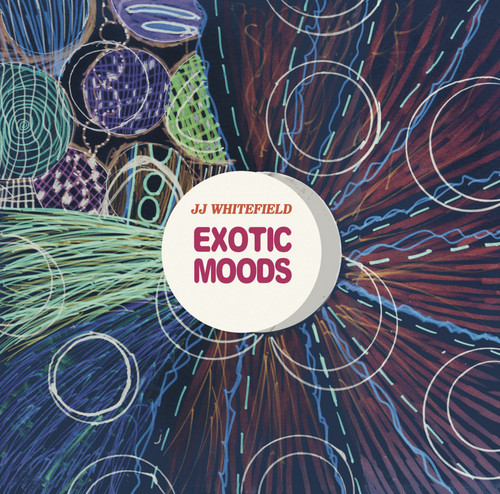
Exotic Moods
JJ Whitefield dives deep into the golden era of library music, drawing inspiration from KPM, De Wolfe, Bruton Music, CAM and the composers who shaped the genre. Slow Moods presents 14 original instrumentals packed with atmospheric grooves, exotic touches and meticulously layered overdubs. East Asian and East African influences meet locked-in rhythms and sharp arrangements.
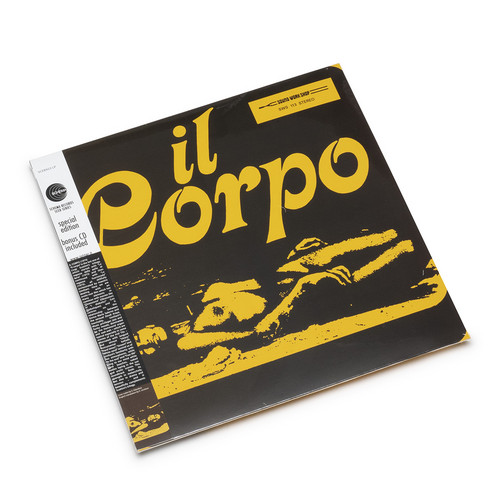
Il Corpo
*2022 stock* “Il corpo” is the last movie of Luigi Scattini’s trilogy, which started with “La ragazza dalla pelle di luna” (1972) and then continued with “La ragazza fuoristrada” (1973), all skillfully orchestrated by maestro Piero Umiliani. Here we are dealing with an erotic-noir film which has many elements in common with movies like “Ossessione” (“Obsession) or “I diabolici” (Les Diaboliques) and it centres on the relationship between Enrico Maria Salerno and the sensual Zeudi Araya. Inevitab…
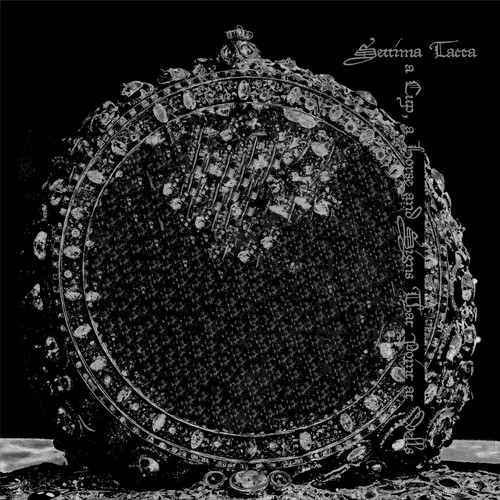
A Cup, a Horse and Signs That Point at Wells
Settima Tacca's eleven songs of voice, drones and throat singing on Stroom, with Natalia Grishanina on one track.
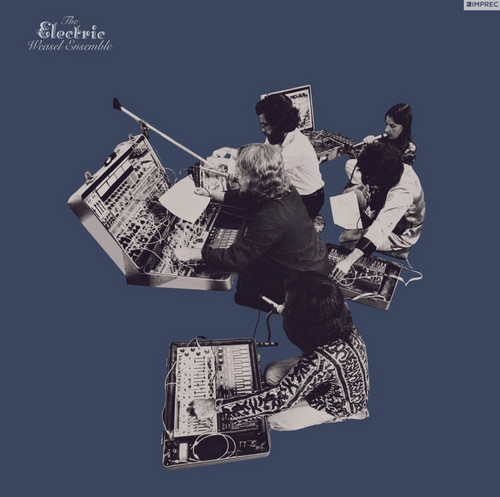
Electric Weasel Ensemble
Tip! Shifting continuously between minimalistic patterns, intricate soundscapes, and evolving textures of overlapping electronic sonorities, The Electric Weasel Ensemble presents a missing link in the history of electronic music. It is a series of previously unreleased live recordings from a little-known but trailblazingensemble of improvisers—equipped with a unique embrace of invented instruments and distinctly 1970s avant-garde sensibilities. This historic music is available on both double LP …
Magnetic Flights
Magnetic Flights is entirely made of electromagnetic field recordings of international airports and inside airplanes. The recordings of this piece were made by Christina Kubisch on her travels in 2007 from and to the airports of Bukarest, Manchester, Chicago, Seoul, Munich, Amsterdam, Zurich, Frankfort, Paris, Lisbon, Berlin, Pisa, Milan and London. The sounds were not altered electronically nor changed in any other way. The only tool, which was used for a part of it, was a filtering program (DI…
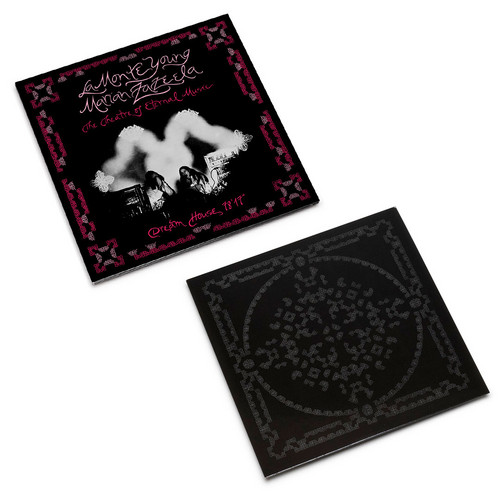
The Black Record + Dream House
The only two full-length records La Monte Young and Marian Zazeela released, together. Four sides and four dates, each one printed in the title to the minute: August 1964, July 1969, January 1973, July 1973. Nine years, from a bowed gong to three sine waves with nobody playing them.
Le Api dell’Invisibile
Four decades after Prati Bagnati del Monte Analogo, Francesco Messina returns to his hundred-year-old Schimmel piano for seven pieces of hazy drone and ambient minimalism, written with no deadlines after playing that 1979 album live in Milan.
Eat the Rich
Eat The Rich is an eclectic intersection of two serial collaborators: Giffoni (No Fun Fest / No Fun Productions) continues to explore new dimensions in sound, primarily using modular / synths (with recent full lengths on Ideologic Organ and Room40), paired here with the instinctually abstract percussion of Corsano (known from working with everyone from Bill Orcutt to Richard Bishop to Bjork but with literally 100's of appearances under his belt since the turn of the century). Produced by David S…
Portal
Long overdue reissue of the first Windy & Carl album and first ever vinyl pressing. Originally self-released by the duo as a cassette in 1994, Portal set the template for their singular sonic explorations to come.
“…ethereal soundscapes that will transport the listener to other plains of reality.” —Acid Test!
“Carl layers willowy guitar arpeggios, foggy keyboards, and chimes over Windy’s murmured intonations and rippling basswork. Everything sounds fresh and unaffected in the careful hands of th…
77 - Early Years - 79
The Fall's first four Step-Forward singles, 1977-79, plus Dice Man from Dragnet: Mark E. Smith's early art punk of atonal guitar, looping bass and combo organ, back on vinyl for the first time with liner notes by Stephen Malkmus.
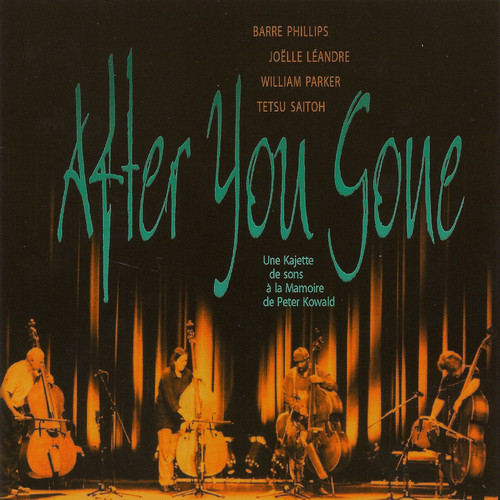
After You Gone
Four double bassists, Barre Phillips, Joëlle Léandre, William Parker and Tetsu Saitoh, live at Victoriaville on 23 May 2003 in memory of Peter Kowald: bowed and plucked basses and voices in a shared farewell.
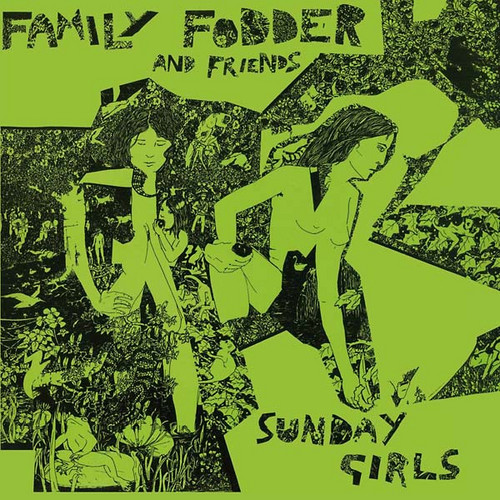
Sunday Girls (Directors Cut)
The legendary first 12" EP by UK underground heroes Family Fodder, originally released in 1979, is now reissued for the first time. Sunday Girls (Director's Cut) is a lovingly assembled full-length album compilation featuring the complete Sunday GirlsEP, the debut Family Fodder 7" Playing Golf (With My Flesh Crawling)/My Baby Takes Valium (1979), the Debbie Harrry/A 'Version' 7" from 1980, the 7" A-side "Warm" (1980), and two tracks from the rare Te Deum 12" (1979) by Alig Fodder's pre-Fodder pr…
Fujin Raijin
Satoko Fujii's Min-Yoh Ensemble with Natsuki Tamura, Curtis Hasselbring and Andrea Parkins: trumpet, trombone, accordion and piano on Japanese folk songs and new pieces in the same spirit, recorded in New York in 2006.
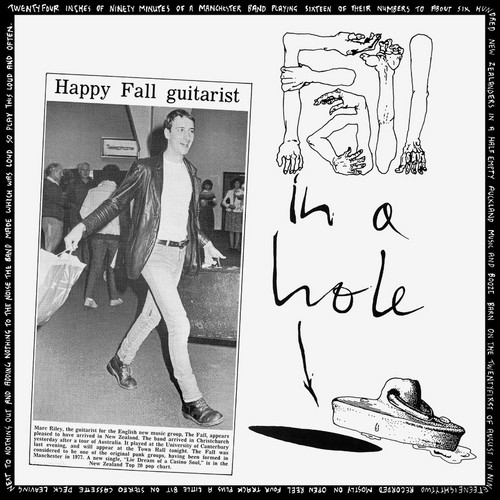
Fall In A Hole
The Fall live in Auckland, August 1982, recorded by Chris Knox for Flying Nun: Marc Riley's last tour, two drummers, feedback-drenched rarities and Hex Enduction-era favourites. First vinyl reissue, with poster and notes by Roy Montgomery.
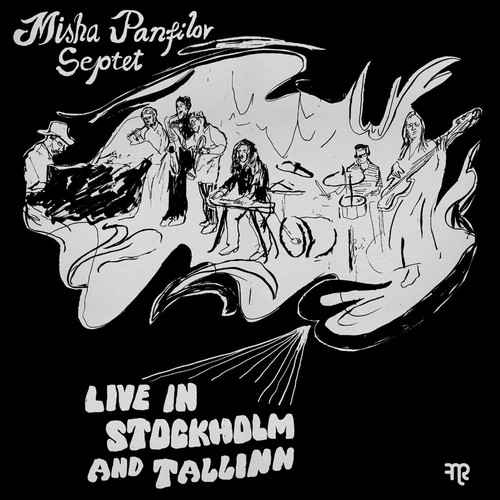
Live In Stockholm And Tallinn
Tip! Misha Panfilov, the Estonian contemporary jazz mover whose many Janus faces amount to more than just two, resulting in many album avatars - here shares a live recorded rendition of a recent pair of shows, played back to back in Stockholm, then Tallinn. The first recorded at Fasching, Stockholm, on August 16, 2023, and the second recorded at Paavli Kultuurivabrik, Tallinn, August 19, 2023, this live record is composed of pieces otherwise heard on Panfilov's earlier albums, and they're choppe…
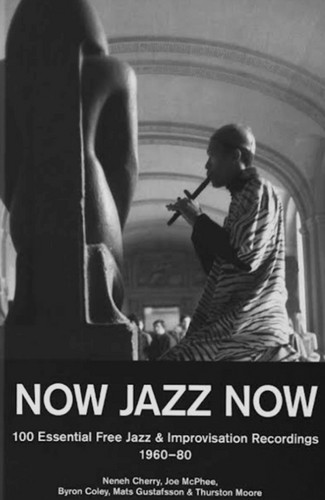
Now Jazz Now 100 Essential Free Jazz & Improvisation Recordings 1960-80 (Book)
277 pages. 196 x 268 mm. Open NOW JAZZ NOW and you're not just looking at a book - you're entering the minds of three lifelong obsessives. Byron Coley (music writer and critic), Mats Gustafsson (saxophonist, The Thing, Fire!), and Thurston Moore (Sonic Youth founder, solo artist) have spent decades accumulating, discussing, debating, and above all listening to free jazz and free improvisation. This book is the result of that shared mania. What they've created isn't a conventional history or a ra…
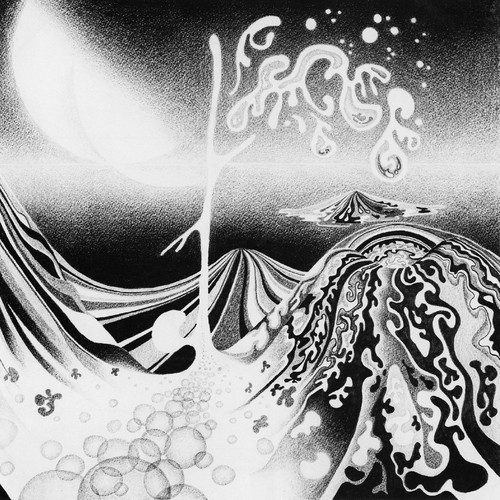
Concern And Simplicity Volume 1: Original Recordings, 1981-1986
First archival volume of the Swiss pianist and composer Lotti Tauber: minimalist, intuitive piano music from her privately pressed albums of 1981-1986, restored and mastered by Stephan Mathieu.
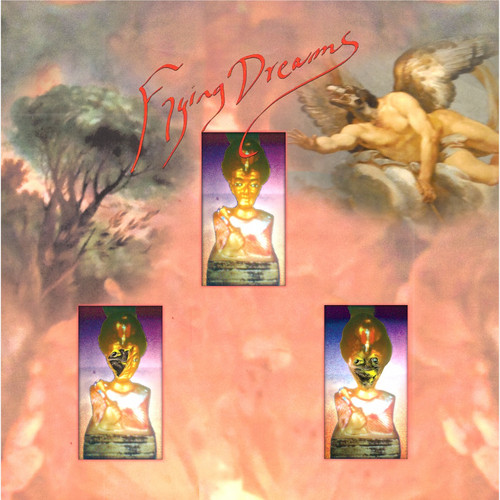
Flying Dreams
Spencer Clark returns as Monopoly Child with five electronic sound paintings inspired by Rome's Villa Borghese gardens: distorted voices, transformed bells and luminous synthesizers as a manual of levitation magic.
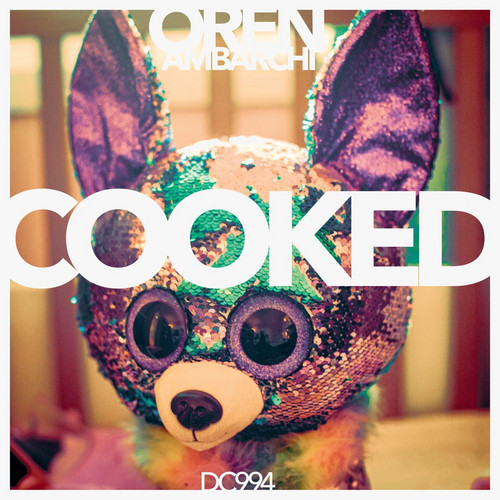
Cooked
On Cooked, Oren Ambarchi folds his all‑star studio jam aesthetic into something gloriously unhinged. Two side‑long epics twist piano ripples, synthetic “voices,” mutant trumpet tones, electric Miles haze and digital pyrotechnics into a foot‑tapping, brain‑scrambling, joyously cuckoo ride that still feels meticulously shaped.
Sold Out