★Garden of Delights
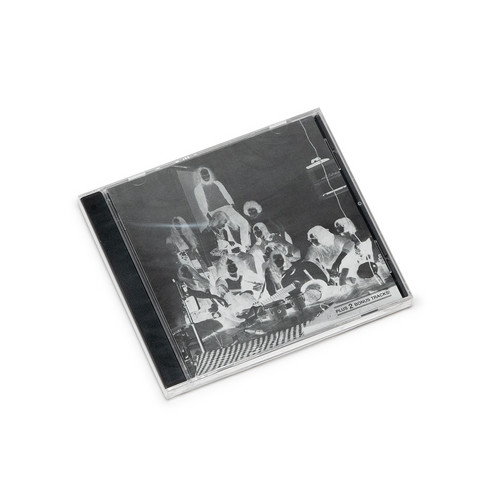
Siloah
Coming out of the boiling Munich scene of the sixties that also gave us the original Amon Düül (Thom Argauer had played in a dixieland band with Chris Karrer in the late 60s, actually), Siloah are one of the best kept secrets of the krautrock production. Siloah had a hard core including Thom Argauer, Manuela von Perfall, Heinrich 'Tiny' Stricker and Wolfgang Görner, plus a host of guests coming and going, everybody was free to join and play at any time, guest members often joining from the Baums…
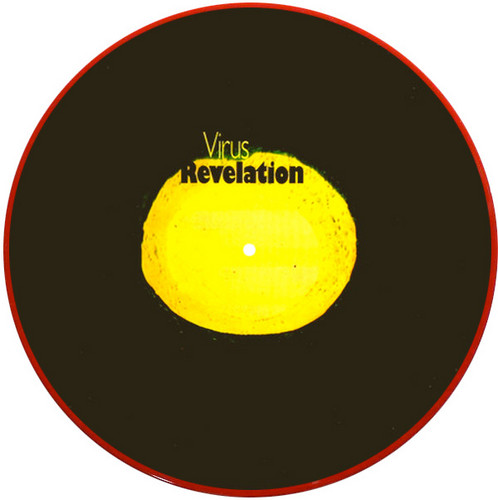
Revelation
Virus, from the Bielefeld area in Westphalia, were the best and most famous local progressive group there in the early seventies. In 1970, they won the well-known competition in the Recklinghausen Vestlandhalle – still under their old name of Man’s World. The first prize: Recordings for their first own LP, under the direction of sound magician Conny Plank. That LP, “Revelation”, was released in 1971 and is partly reminiscent of the early Pink Floyd, e. g. in the final part of “Endless game”. The…
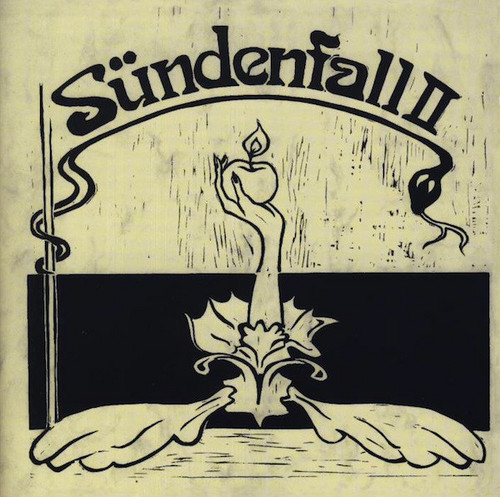
Sündenfall II
2019 restock. Sündenfall II from the Kevelaer area at the Lower Rhine played a mixture of folk and jazz. While their predecessors, Sündenfall, exclusively dedicated themselves to jazz, the group included folk after a change in line-up and band name (following the example of Amon Duul II). In 1972, Hubert Schmitz invited the band into his Trepitia film and sound studio in Alpen-Druept for free recordings, as he wanted to test the newly installed equipment after a recent move into the new location…
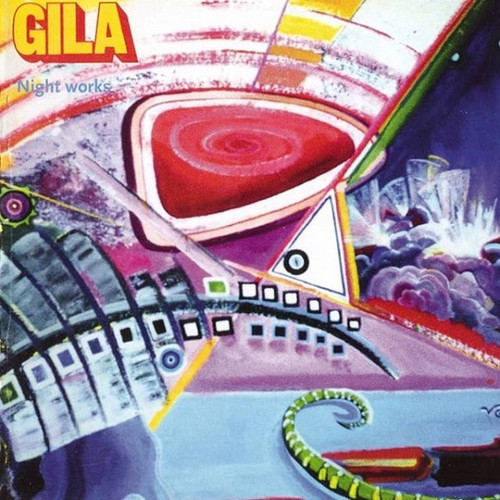
Night Works
"This disc offers the only known recording of the first version of Gila, a group that gigged constantly to build a considerable reputation as a formidable live act. Taken from a live Cologne radio broadcast from February 26, 1972 (a few months before the group's demise), Night Works is all that one could hope for, long space rock acid jamming and much better fidelity than one would get from a recording by an audience member. Swirling organ tones and acid guitar burnouts surge out of the throbbin…
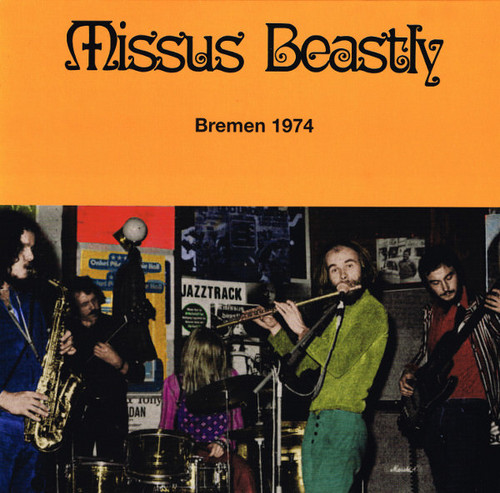
Bremen 1974
This album contains three instrumental jazz rock jams recorded by Radio Bremen in September 1974 shortly after the band had produced the second LP. Keyboarder Dieter Miekautsch had left the band towards Embryo and Eddy Maron, also known from contributions for Vita Nova and Dzyan, brings new aspects to the music - it's quite a new impression of the band. The sound quality leaves nothing to be desired by the way. A very good show documenting a new facet of the Missus Beastly band and a highlight f…
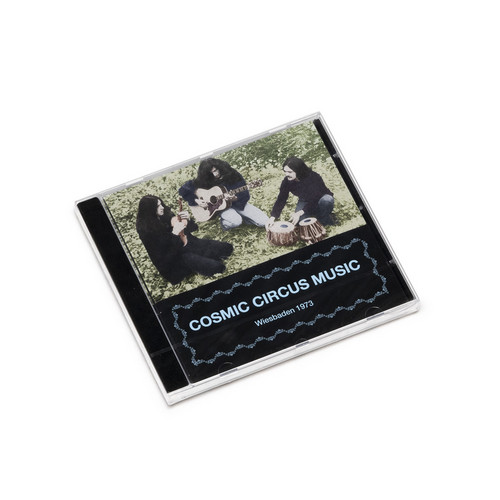
Wiesbaden 1973
Cosmic Circus Music from Goettingen played some extremely long spacey improvisations in the manner of the early Ash Ra Tempel. Despite never releasing anything officially, Cosmic Circus Music were a truly great krautrock band, arguably up there with the masters. (Though I do wish they had called themselves Kosmische Zirkus Musik for added gravitas.) The band's misfortune, relatively speaking, was that they were three years behind the times. CCM's lysergic soundscapes, which are closest in styl…
Lang'syne
**From the master tapes, with fifteen bonus tracks in top sound quality** Langsyne from Barmen (Bergisches Land region) played a subtle kind of psych-folk with a wide range of partly unusual, exotic and medieval instruments: sitar, psaltery, koto, glockenspiel, flute, etc. Especially remarkable is the instinctive assurance with which the three musicians, who understood each other without words, played their music to…
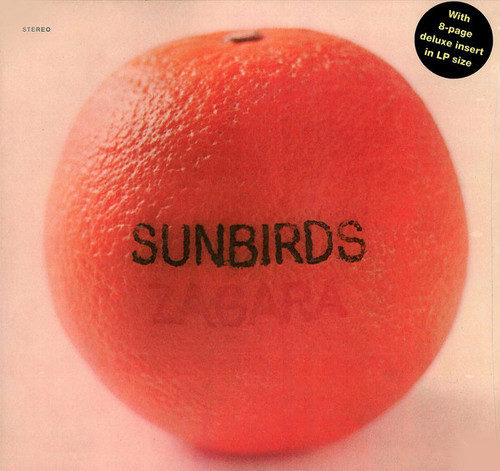
Zagara
A killer bit of jazz rock from early 70s Germany – an album that should have been right at home on the MPS label, given the sorts of all-star talents in the group! The set was produced by mighty drummer Klaus Weiss – who's at his soulful best here, able to kick things when needed, but not with as jamming a sound as on his more over the top 70s efforts – which is perfect, as the album's got loads of sweet, subtle colors from Ferdinand Povel and Leszek Zadlo on flutes, plus great electric and acou…
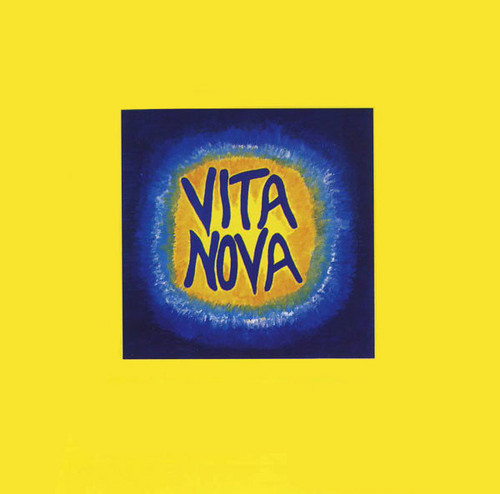
Vita Nova
On the top of the list of Kraut uderground artifacts, a definite oddity plenty of abstract execution of psychedelic soundscapes, dark Classical textures and Jazz/Fusion, as cohesion is completely absent, however there is a certain charm coming out of this. There are more in the vein of Egg and Amos Key, creating atmospheric soundscapes complemented with powerful jams, featuring organ and clavinet in evidence and swirling around jazzy workouts, light improvisations and mellow Kraut Rock experimen…
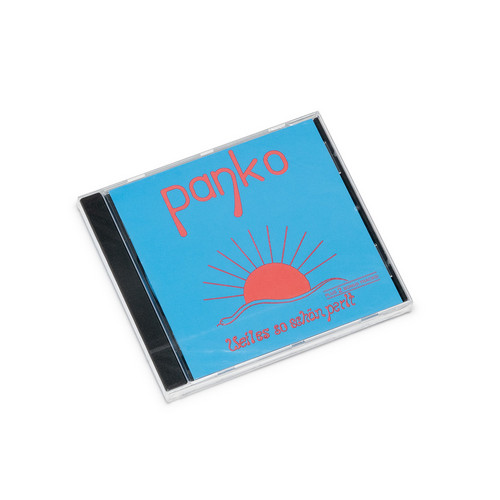
Weil Es So Schön Perlt
Panko Musik from West Berlin are somewhat reminiscent of Xhol Caravan or the early Embryo. They mostly presented long jazzy instrumental passages dominated by the transverse flute and alto saxophone, temporarily interrupted by mainly English vocals and some follies. The band did exist from the late sixties until the end of 1972. During their lifetime, the group didn't release anything, although they would have had the potential. Only in 1983, their drummer released the cassette tape, "Weil es so…
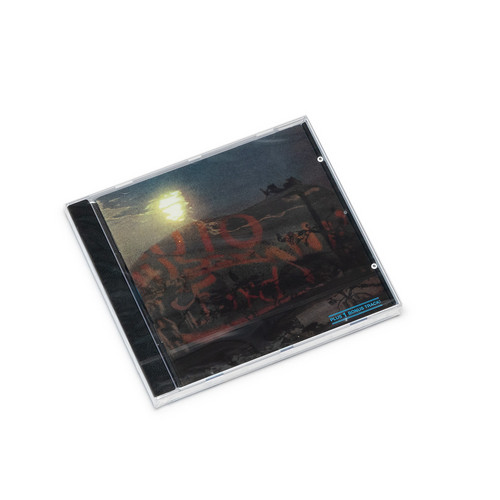
Sukram Gurk
Siloah were re-formed by Thom Argauer in late 1971 after their Munich hippie community had split following the release of the band’s first record. Although "Sukram Gurk" was recorded under the same elementary conditions as its predecessor and had a similar psychedelic touch, it fails a bit to achieve the sort of charisma evident in the first record. Thom now played the keyboards instead of the guitar. Re-issue from the master …
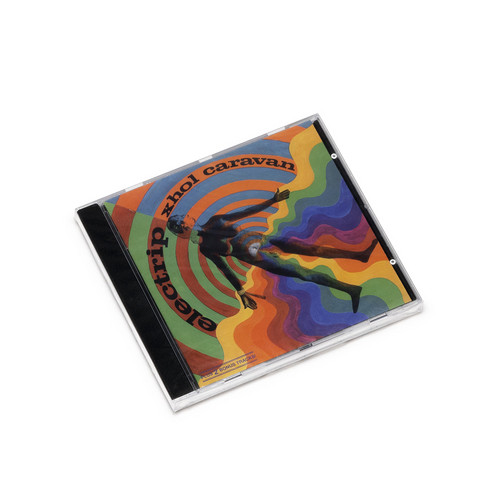
Electrip
"Psychedelic music from Wisbaden, with some jazz elements. Recorded in 1969. After the Germanofon bootleg, here is the legal re-release with a 32 page color booklet and their two 7" tracks as a bonus." First legit CD reissue of the legendary first Xhol album, first issued on Hansa in 1969. This was their first of 3 albums, Hau-Ruk and Motherfuckers GmbH & Co. would follow on the OHR label in '71/'72, concluding one of the strangest chapters in the Krautrock scene of this period. Electrip has…
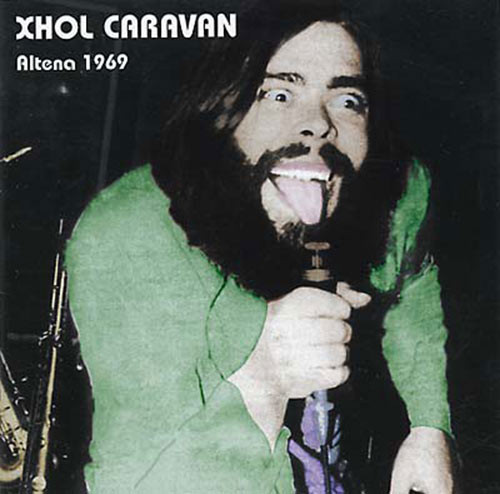
Altena 1969
"Still with their black singer James Rhodes. A concert from spring 1970 in the lovely town of Altena. The cover shows sax player Tim Belbe in Charles Manson style. Good quality."

Hau-RUK
First legit reissue of the 1st Xhol album (post Xhol Caravan), originally released by the legendary OHR label in 1971. Previously bootlegged in poor fashion by Germanofon, this comes with one 22-minute bonus track (from 1974) and the usual thick booklet of liner notes and photos by Garden of Delights. This album followed Electrip and precedes Motherfuckers GMBH. One of the more confounding pieces of the Krautrock puzzle, Xhol played long, wasted lounge-blues excursions, much favored by the…
Supernova
2009 release. "With several connections to the early Kraftwerk history and formed in the Rhineland area in 1971, Ibliss was a quintet formed by percussionist Basil Hammoudi (from Organisation, the band before Kraftwerk), drummer Andreas Hohmann (also from Kraftwerk), brothers Wolfgang and Norbert Büllmeyer (bass and guitar respectively) and Rainer Büchel on sax and flute. With the help of Conny Plank, they recorded their one and only LP at Hamburg's Windrose-Studios: four long instrumental track…
Crawling To Lhasa
**Picture Disc edition with an insert of 8 pages and is also limited to 1000 hand-numbered copies.** Against its remarkable, sprawling, and lasting influence, it is hard to image the 1960’s and 70’s German sonic counterculture as it was - a truly underground music, almost entirely unknown beyond the borders of the country from which it sprang. Across the ensuing decades, this scene - among the most ambitious, rebellious, and experimental of its day, has offered an unparalleled wealth of inspirat…
Lang'syne II
The LP contains studio recordings of the legendary psych-folk band, most of which were previously unreleased on vinyl. The eight-page LP-sized insert contains a long band history in German and English, a detailed discography with all cover and label reproductions as well as many photographs. Langsyne from Barmen (Bergisches Land region) played a subtle kind of psych-folk with a wide range of partly unusual, ex…
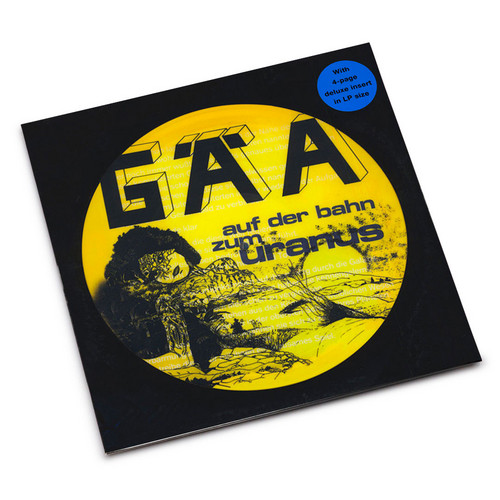
Auf Der Bahn Zum Uranus
With deluxe four-page insert. Limited to 1000 hand numbered Picture Discs. Top sound quality. Nobody liked it at the time. Alfred Kersten, owner of the Kerston label, had discovered Gäa at one of their early gigs in the Saarland and promised them a record. By the time the band arrived at his Stuttgart studio in the summer of 1973 - with almost no money, camping in tents outside the building for days until Kersten relented - his enthusiasm had curdled into obligation. The sessions were rushed. No…
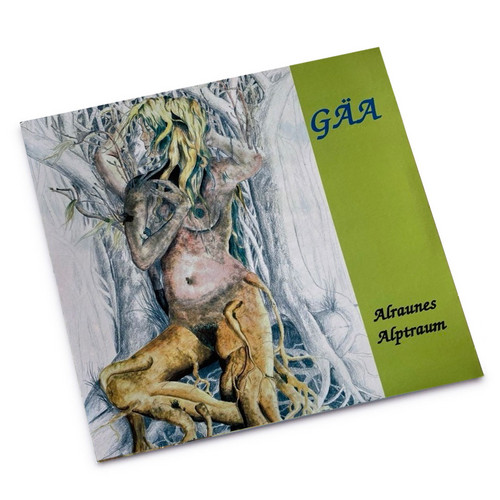
Alraunes Alptraum
What you hold is half a record. Three tracks, twenty minutes, one side of an intended LP that never found its other half. Gäa recorded these sessions at Leico Studio in 1975, then ran out of money before the album could be finished. By 1978, the band had dissolved. The title, Alraunes Alptraum - Alraune's Nightmare - reaches into German earth mythology: the Alraune, or mandrake root, is an earth spirit pulled unwillingly from the ground. The name mirrors that of the band itself, named after Gaia…
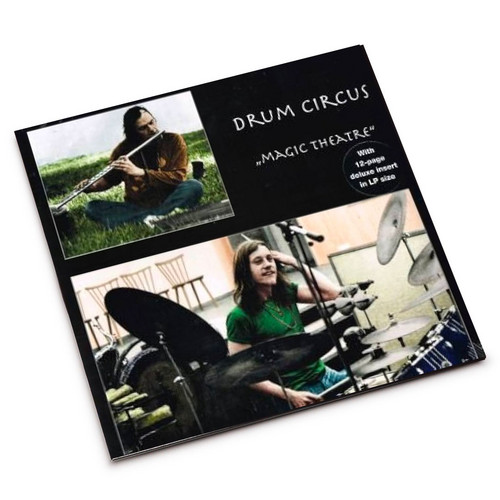
Magic Theatre
Some records exist outside of time not by design but by circumstance. Magic Theatre was recorded in the spring of 1972 in the Stuttgart studio of pianist Horst Jankowski, submitted to MPS, and promptly shelved. It sat untouched for three decades, until Jankowski - shortly before his death - returned the tapes to their rightful owner. What emerged was one of the most genuinely unclassifiable documents of the European underground.
Drum Circus were a Swiss percussion ensemble anchored by Peter Gige…