★Sony
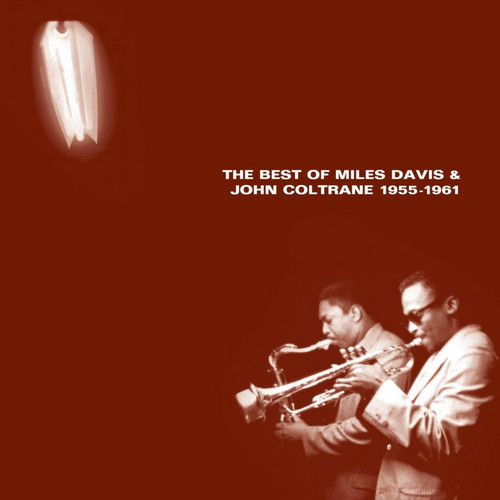
The Best Of Miles Davis & John Coltrane (1955-1961)
A double LP drawn from the Columbia recordings of Miles Davis with John Coltrane between 1955 and 1961, from So What to Someday My Prince Will Come, with Cannonball Adderley, Bill Evans, Wynton Kelly and Jimmy Cobb. First time on vinyl.
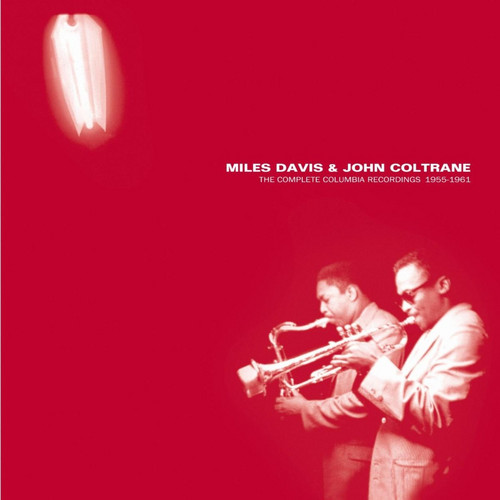
The Complete Columbia Recordings 1955-1961
The 2000 Grammy-winning box of the complete Columbia recordings by Miles Davis with John Coltrane, 58 tracks from 1955 to 1961, reissued as six CDs in individually designed minijackets with a 116-page book.
The Complete Columbia Recordings 1955-1961
The 2000 Grammy-winning box of the complete Columbia recordings by Miles Davis with John Coltrane, 58 tracks from 1955 to 1961, on vinyl for the first time outside Mosaic: nine LPs cut from the analog tapes, in a slipcase with a 60-page book.
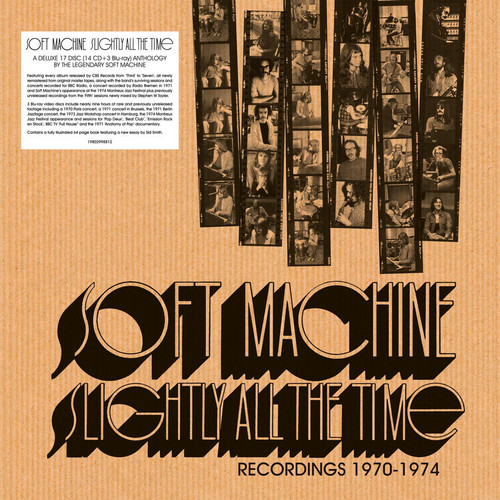
Slightly All The Time, Recordings 1970-1974
Between 1970 and 1973 Soft Machine recorded five albums for CBS, and across those five records the band changed almost beyond recognition. Third still had Robert Wyatt singing on one side of it; by Seven there were no vocals, no Wyatt, no Elton Dean and no Hugh Hopper, and the group was playing a dense, written, riff-driven music that had more to do with Miles Davis's electric bands than with anything else coming out of England. This box follows that arc in detail. All five albums are here, rema…
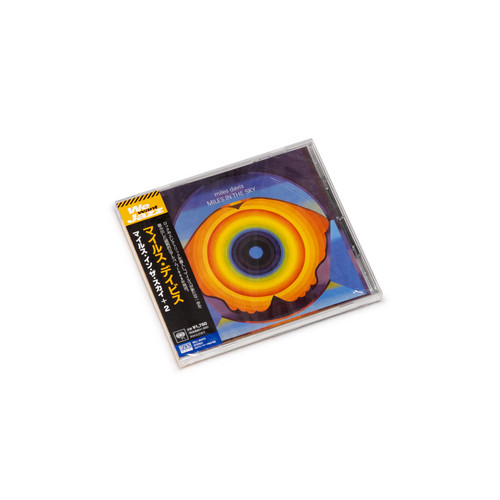
Miles In The Sky (CD)
2023 Japanese CD re-issue with bonus track on Sony's "We Want Jazz" series of the 1968 album featuring Dave Holland, Ron Carter, Tony Williams, Chick Corea, Herbie Hancock and Wayne Shorter. Still sealed with obi
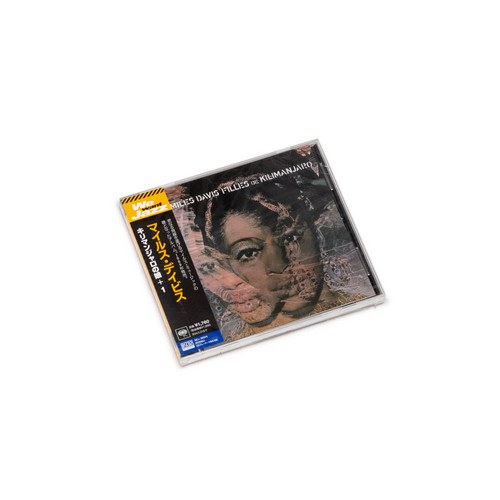
Filles De Kilimanjaro (CD)
2023 Japanese CD re-issue with bonus track on Sony's "We Want Jazz" series of the 1968 album featuring Ron Carter, Tony Williams, Herbie Hancock, George Benson and Wayne Shorter. Still sealed with obi.
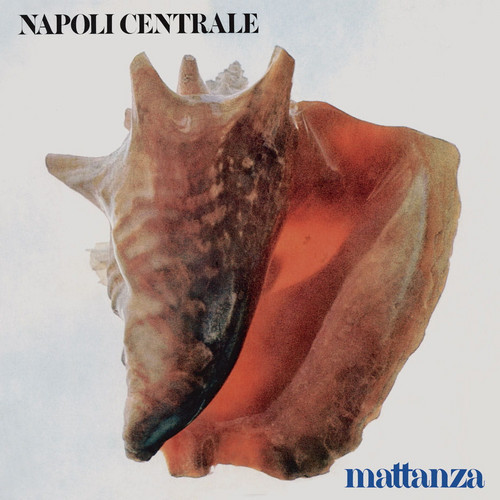
Mattanza
50th anniversary limited edition. First-ever 24Bit/192kHz remaster from the original tapes. 180g black vinyl, numbered. His father was an American soldier from North Carolina who left Naples when James Senese was eighteen months old and never came back. What remained was a saxophone, a surname that didn't fit the neighbourhood, and two musical worlds that Italian society had no language to reconcile. Senese found that language himself - first in the soul and R&B of the Showmen in the 1960s, the…
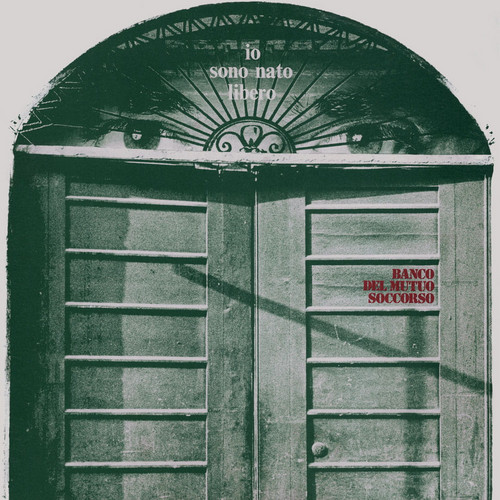
Io Sono Nato Libero - Legacy Edition
** First-ever 24Bit/192kHz remaster from the original tapes. 180g black vinyl, numbered, in a gatefold die-cut sleeve faithful to the 1973 original** Some records define an era. Io Sono Nato Libero is one of them - and perhaps, within the entire canon of Italian progressive rock, the one most resistant to any replica. December 1973. Banco del Mutuo Soccorso - the Rome-based group led by brothers Vittorio and Gianni Nocenzi, alongside vocalist Francesco Di Giacomo, guitarist Marcello Todaro, bass…
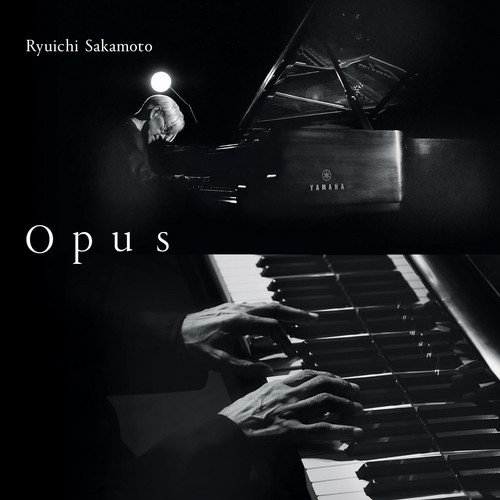
Opus
In the autumn of 2022, knowing his time was running out, Ryuichi Sakamoto summoned every ounce of his remaining strength to give us one last, definitive performance. Opus is that performance - a solo piano concert capturing one of the world's greatest musicians in his most vulnerable and transcendent moment. Curated and sequenced by Sakamoto himself, the twenty pieces wordlessly tell the story of his life and his vast body of work. The selection spans his entire career: from his pop-star period …
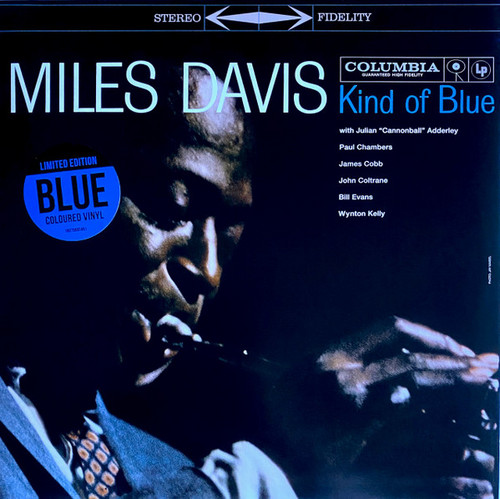
Kind of Blue
*Listed as one of the four most influential Jazz albums that happened to be released in 1959 (Dave Brubeck -Time Out & Charles Mingus -Ah Um among them), so much has been said and written about Miles Davis'Kind Of Blue, it's virtually impossible to summarize all the necessary info to the length of this page. We could simply list some facts (best sold Jazz album ever worldwide). We could try to explain why it's the best Jazz album ever made, but the music itself will do that to you.
As Bill Evans…
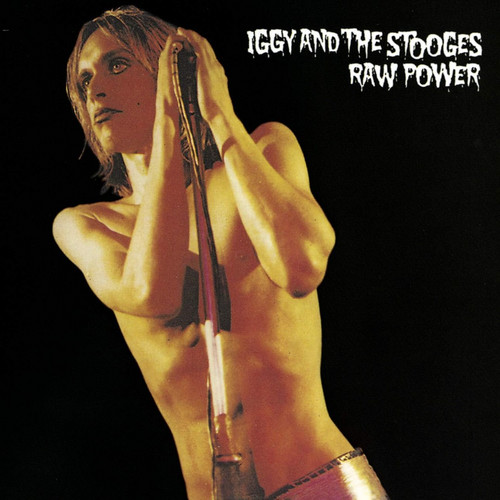
Raw Power
On Raw Power, Iggy And The Stooges compress lust, nihilism and amplifier abuse into eight songs that still feel like a structural flaw in rock itself, James Williamson’s scorched‑earth guitar and Iggy’s feral charisma defining the template for punk and everything unwholesome that followed.

Banco
On Banco, Banco Del Mutuo Soccorso refine their baroque, hard‑charging Italian prog into a fiercely lyrical epic, where Francesco Di Giacomo’s operatic voice rides labyrinthine suites of piano, organ and guitar that feel both fiercely intellectual and wildly emotive.
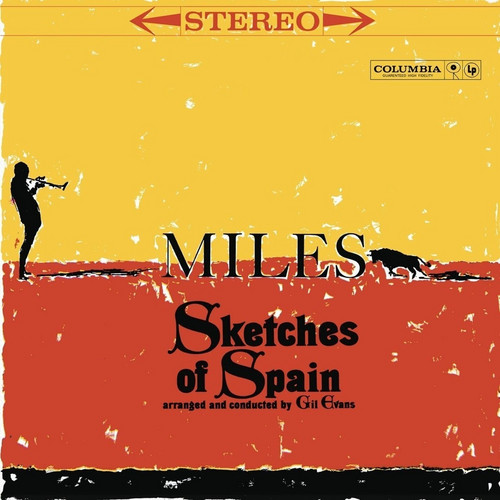
Sketches Of Spain
On Sketches of Spain, Miles Davis floats through Gil Evans’s lush, flamenco‑tinged orchestrations like a solitary witness, turning Spanish folk and classical themes into slow‑burning tone‑poems where jazz improvisation melts into modal ritual.
Hegel
Hegel by Lucio Battisti offers a boundary-pushing, introspective journey through philosophical concepts, poetic abstraction, and experimental electronics. Its eight tracks unfold with Panella’s cryptic lyrics, reflecting on beauty, identity, and the passage of time within meticulously programmed synth-pop arrangements. As Battisti’s final work, it stands as a compelling testament to the possibilities of Italian songwriting and sonic innovation.
Cosa Succederà alla Ragazza
Cosa Succederà alla Ragazza by Lucio Battisti deepens the exploration of electronic sounds and playful, surreal wordplay from Panella. The album, centered around the mysterious figure of the “girl,” combines pulsating, synthesized arrangements with a cut-up poetic style, producing a work both hypnotic and elusive. Through eight tracks, Battisti turns pop into a puzzle, rewarding repeated, attentive listening.
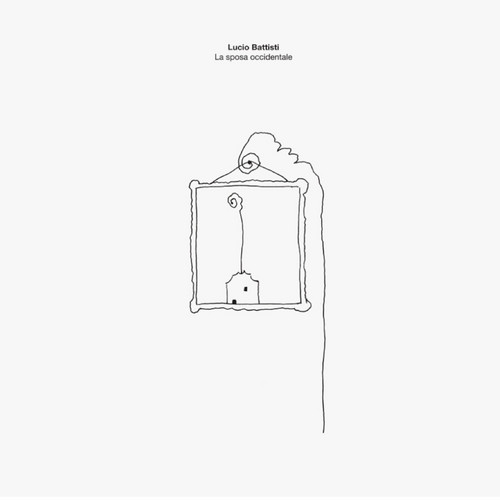
La Sposa Occidentale
La Sposa Occidentale by Lucio Battisti marks a further evolution in his sound, with surreally poetic lyrics from Panella and a sonic palette that merges synth-pop and dance electronics. The album presents a concept around a female protagonist, while adopting minimalist visual cues—a white cover with a stylized drawing—and delivering tracks of subtle complexity and rhythmic invention. The result is a sophisticated and enigmatic work that expands the boundaries of Italian pop.
L'Apparenza
L'Apparenza by Lucio Battisti marks a pivotal moment in his career, expanding on electronic and lyrical experimentation begun in his Panella phase. The album’s multilayered arrangements and poetic ambiguity invite listeners into an abstract space, where meaning slips between lines and melodic innovation comes to the fore. With tracks like A portata di mano and Lo scenario, Battisti tests the boundaries of Italian pop, offering an album that is as challenging as it is rewarding.
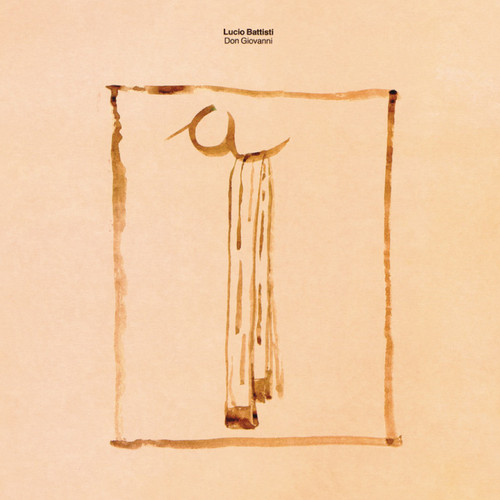
Don Giovanni
Don Giovanni by Lucio Battisti redefines Italian pop with a distinctive synthesis of minimal electronic textures and enigmatic poetic imagery. With Panella’s elliptical lyrics foregrounded, the album resists straightforward interpretation, instead encouraging listeners to linger over its paradoxes and musical subtleties. Each track oscillates between melodic openness and experimental abstraction, weaving a soundscape that is both contemporary and timeless.
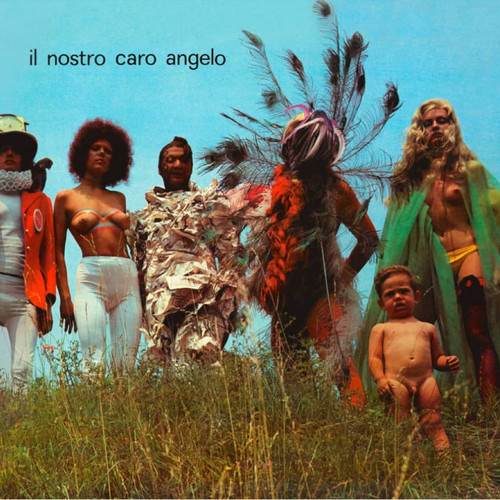
Il Nostro Caro Angelo
Il Nostro Caro Angelo by Lucio Battisti is a crucial milestone marking the artist’s shift towards rock-oriented structures and deeper, more critical lyricism. The music is more electric, the arrangements more varied, as Battisti and Mogol probe the complexities of ideals and disillusionment, forging a sound that is both accessible and challenging. Each track acts as both confrontation and invitation, demanding listeners reassess inherited truths through fresh sonic and poetic codes.
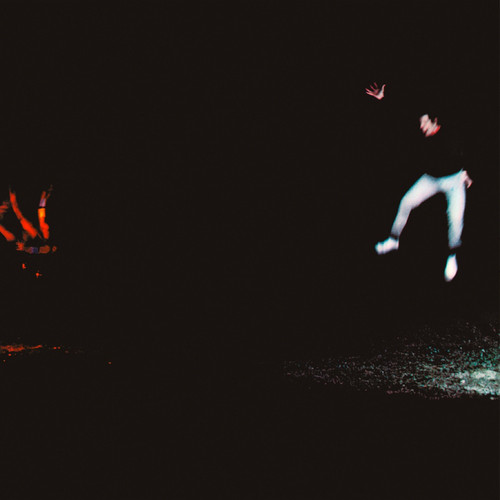
Umanamente Uomo: il Sogno
Umanamente Uomo: il Sogno by Lucio Battisti reinvents Italian pop with a poetic blend of nostalgia, emotional candor, and stylistic exploration. Mogol's lyrics navigate the complexities of memory, longing, and everyday struggles, set against Battisti's evolving sound, which balances melodic intimacy with touches of folk, progressive, and pop arrangements. These eight tracks, including enduring classics, reveal an artist at the peak of his expressive powers, fusing personal narrative with broader…