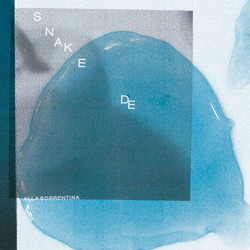
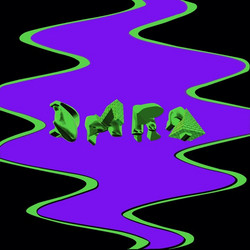
Snake De
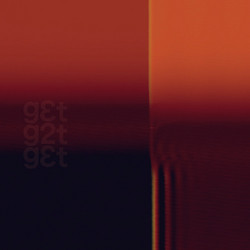
Alla Sorrentina (Tape)
Snake De, a potential reference to Snake II, the snake game preinstalled on our mobile phones in the late 1990s, seals the musical meeting of Maxime Canelli and Aymeric Chaslerie. The former made his mark with Carton, an unstable, occasionally sung synth-pop project, while the latter—whose background leans more toward electricity, notably as guitarist for Room 204 and Papaye—is endowed with an insatiable musical curiosity, which he has been satisfying since 2002 by co- running the Kythibong label.
“We exchanged in the same room. We emptied everything. Our hard drives, dictaphones, phones, and we listened to stuff for hours, choosing what inspired us.” As Chaslerie explains, Snake De used as its foundation sounds drawn from both musicians’ archives: fragments of compositions, on-the-spot recordings (voices, emotions, and the noises that accompany them), as well as concrete elements or short melodic loops. These materials were then reworked by the duo, sometimes re-recorded onto magnetic tape and then digitized, before becoming part of their broad sonic palette.
The domestic experimental music of “Alla Sorentina” captivates as much through the nature of the sources it combines as through the finesse with which the duo integrates these elements into compositions for two synthesizers. Indeed, they seem to use this catalog of sounds as eroded frameworks on which they build mechanics and arrangements that are as rustling as they are fragile—almost as if they were trying to replay from memory scores that never actually existed. The two sides, each about fifteen minutes long, function like an exquisite corpse, in which short compositions rich in sonic imagery and hallucinatory textures follow one another, clash, and collide, slowly taking shape along pulsing rhythms and scuffed melodic slides. The duo even allows itself a few melodic flights, dipping playfully into a form of synthetic maximalism.
Between intimate ambient, clever collages, and synthetic impromptus, “Alla Sorentina” treads little-traveled musical paths where the digital accidents of Microstoria resonate alongside the white magic of Nuno Canavarro’s “Plux Quba”. Which brings us, once again, more or less back to the 1990s. - Christophe Taupin