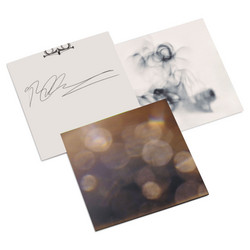
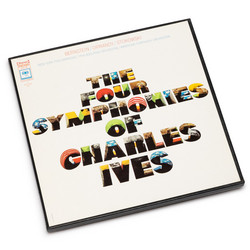
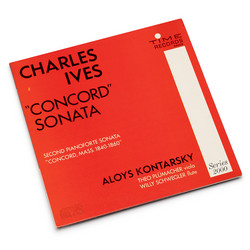
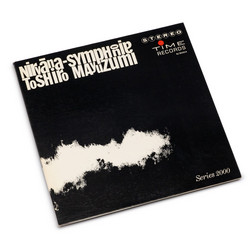
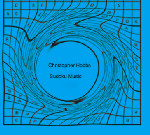
condition (record/cover): VG+ (occasional surface noise with some ticks at the beginning of side B) / EX-
Gatefold sleeve.
Among the most ambitious piano works in the American repertoire, Charles Ives's Piano Sonata No. 2 "Concord, Mass., 1840-60" (1904-15, rev. 1920s) is a four-movement portrait of the Transcendentalists - Emerson, Hawthorne, the Alcotts, Thoreau - that uses their philosophical ideas as compositional material rather than merely their names as titles. The famous four-note motto from Beethoven's Fifth recurs throughout as a kind of cosmic signal; the textures range from barely audible and barely notated to physically punishing clusters. Ives published the sonata privately in 1920 along with a lengthy companion prose essay, Essays Before A Sonata, in which he argued that the music should not be assessed by conventional standards. The Time Records pressing documents a work that remained practically unperformed for decades and is still among the most demanding things any pianist can attempt.