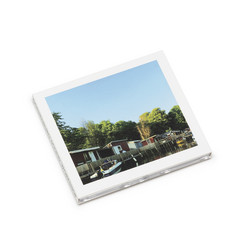
Tip! Gwethilu: Songs For The Dark Lake opens like a door onto a parallel folk tradition, one that never chose between cloister and forest. On his debut, Gothenburg‑based composer and musician Timoteo Carbone Hansson stages a collision – and ultimately a convergence – between experimental music, early medieval polyphony and traditional Nordic roots. The result is not a collage of references but a fully inhabited sound world: voices interweaving in archaic intervals, hand‑built instruments humming in strange tunings, rhythmic shapes that shift like light on water. It’s music that feels at once liturgical and feral, contemplative and quietly disquieting.
Form and harmony are pushed until they start to blur. Many pieces move with a meditative slowness, letting lines hang and overlap, but they are punctuated by “lavish rhythmic modulations” that jolt the ear out of trance: a drum figure that suddenly tilts into a different meter, a vocal ostinato that slides off its axis, plucked strings that appear on unexpected beats. Carbone Hansson treats rhythm less as a grid and more as current; you float for minutes at a time, then find yourself caught in eddies of accented pulse. Harmonically, the record leans on modes and intervallic relationships more familiar from medieval polyphony and folk chant than from common‑practice tonality, giving the melodies a cool, ancient strangeness even as the production feels resolutely present‑tense.
A crucial part of the album’s character lies in its instrumentation. To bring this “dark lake” to life, Carbone Hansson draws on a diverse arsenal of modern and traditional instruments, many of them specially crafted and custom‑tuned for the project. Strings sing in unusual temperaments, percussion voices are chosen as much for their grain as for their pitch, and electronic elements slip in not as dominant textures but as spectral doubles or shadows. The sense of physical craft – of wood, metal and gut shaped to fit a particular harmonic vision – comes through strongly; you are always aware that the sound is being made by bodies and objects, even when its surfaces veer toward the otherworldly.
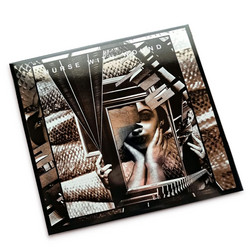
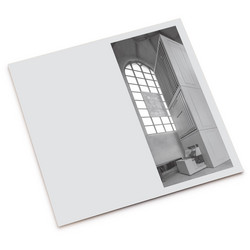
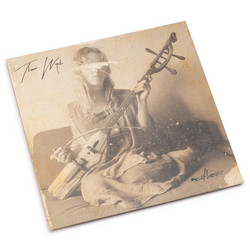
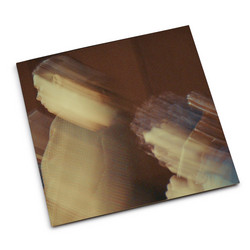
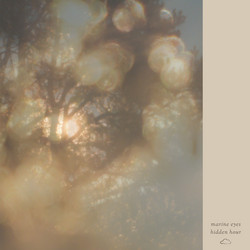
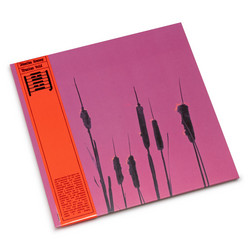
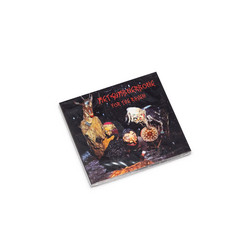
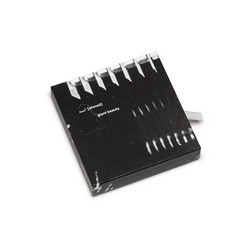
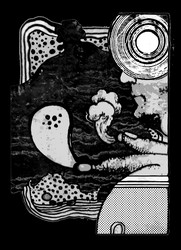
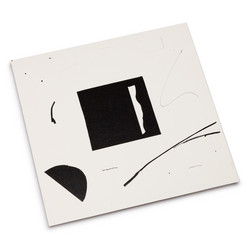
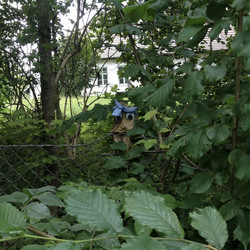
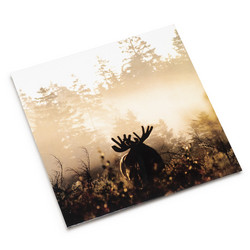
Recorded across 2024–2025, the album captures this meticulous world‑building with a clarity that never dispels its mystery. Mastering for vinyl by Lasse Marhaug adds weight and focus, ensuring that the low‑frequency undercurrents and fragile upper harmonics coexist without smothering one another. The dark‑lake metaphor extends to the record’s visual identity as well: cover artwork by Gemma Hansson Carbone provides a visual counterpart to the music’s liminal atmosphere, hinting at landscapes and figures without fixing them in place, much as the songs themselves suggest stories and rituals without spelling them out.