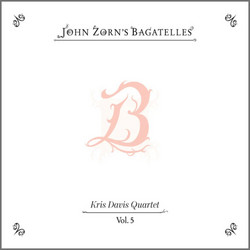
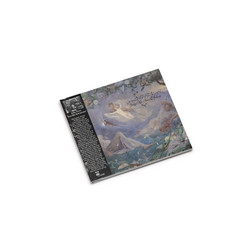
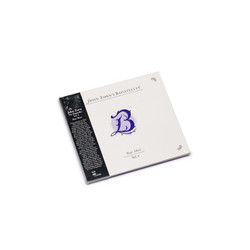
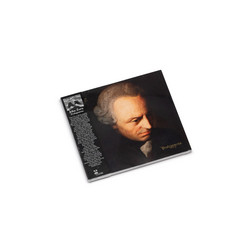
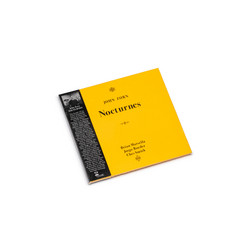
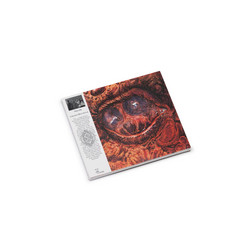
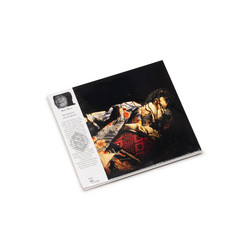
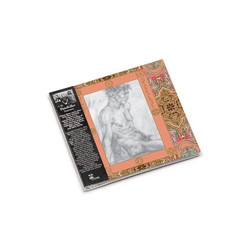
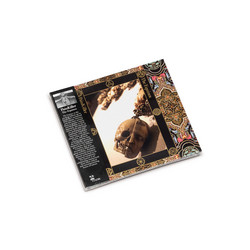
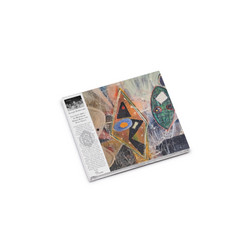
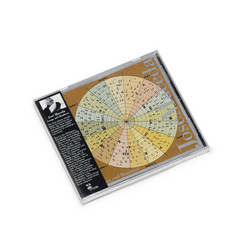
The Bagatelles Vol. 8 zooms in on one of the most combustible formations in John Zorn’s second Bagatelles cycle: the organ trio led by John Medeski. Built around nine compositions from Zorn’s vast Book of Bagatelles – concise, numbered heads designed as launchpads for improvisation – this volume runs just over 40 minutes and presents Bagatelles #223, #64, #21, #28, #23, #8, #34, #6 and #157 in a sequence that feels like a single, restless narrative. The casting is key. Medeski’s organ is flanked by David Fiuczynski on guitar and G. Calvin Weston on drums, a lineup that bridges out‑there groove, harmolodic bite and rock‑energy swing. Together they treat the Bagatelles not as polite “tunes” but as coded instructions for constant mutation.
From the opening bars of Bagatelle #223 the trio’s approach is clear. Zorn’s compact, angular theme is fired off in tight unison before the music splinters: Medeski floods the stereo field with overdriven Hammond swells and greasy lines, Fiuczynski bends notes into quarter‑tone smears and serrated riffs, Weston snaps the time into jagged, shifting patterns. Each piece takes a different angle on that core chemistry. Some Bagatelles lean into sinuous, modal vamps, with Medeski riding a thick left‑hand bass and right‑hand filigree while Fiuczynski sprays shards of funk, surf and microtonal blues over the top. Others push toward free‑form churn, the theme reappearing only as a distant memory amid flurries of organ squall and cymbal wash. Yet even at their wildest the performances keep faith with the melodic and rhythmic hooks in Zorn’s writing; you can always feel the skeleton of the Bagatelle tugging at the improvisation.
One of the pleasures of this volume is hearing how the different Bagatelles pull specific, often contrasting, personalities out of the trio. A tune like #64 might highlight Medeski’s churchy side, all greasy drawbar settings and sanctified chord stabs, while #21 drags the group toward off‑kilter boogaloo, Weston breaking the backbeat into odd shapes and Fiuczynski sliding between straight tone and deranged pitch‑bends. Elsewhere, more abstract pieces such as #6 or #157 shove them into twitchier territory: stuttering heads stated in tight, almost math‑rock precision, then blown open into spatters of sound where guitar harmonics, organ feedback and skittering drums collide. The result is a set that moves rapidly between menace and playfulness, density and open space, without ever losing the through‑line of Zorn’s melodic logic.