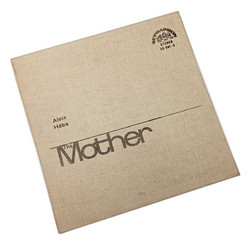
condition (records/cover): NM / VG+ (light edges wear) Spiral-bound book sleeve.
Bohuslav Martinů (1890-1959) was born in a bell tower. His father was the watchman and fire lookout of the tower of the Church of St. James in Polička, a small town in the Bohemian-Moravian Highlands (Vysočina), and the family lived in the belfry until Martinů was eleven. In 1923 he left for Paris to study with Albert Roussel, and for the remaining thirty-six years of his life he never returned to Czechoslovakia, a fact of exile reinforced by the Nazi occupation, the communist takeover, and his own deteriorating health in the final years. The Vysočina - its folk rituals, its seasonal customs, its particular quality of landscape - became the dominant image of everything he had left behind.
In 1955, the poet Miloslav Bureš sent Martinů his poem about a village spring-cleaning ritual from the Highlands. Martinů composed the cantata Otvírání studánek (The Opening of the Springs) in nine days in Nice. He described the emotion it provoked as too much to put into words. Three more cantatas on Bureš texts followed over the next four years, each rooted in Vysočina legend and custom - the Virgin Mary descending from her pedestal to walk in the fields (*Legenda z dýmu bramborové nati*), a dandelion romance, and finally Mikeš z hor (Mikeš of the Mountains), completed half a year before his death, the last thing he wrote on this subject. He died without ever going home.
Together these four cantatas form the most sustained expression in Martinů's late work of a longing that had been present throughout his career. The scoring is chamber-intimate - soloists, chorus, violins, viola, and piano - and the music's quiet, modal directness gives every phrase the weight of a remembered thing. First recording, issued by Supraphon in 1968 and never surpassed. Czech Choir under Jan Kühn. Original 2LP pressing.