**2025 Stock** Slipping into Like an Old Fashioned Waltz feels like walking into a deserted ballroom just after midnight: the lights dimmed to a primrose glow, the dust motes circling where dancers used to be, and Sandy Denny at the piano, quietly rewriting the script of British folk rock. Released in 1974 as her third solo album, it catches her at a crossroads, determined to step out from the shadow of Fairport Convention and claim the expansive stage she knew her writing deserved. The disappointment of the under-recognised Sandy becomes here a creative spur, pushing her toward a more cinematic palette, one that imagines her alongside the big-league rock acts she admired without sacrificing the intimate ache that made her singular.
The record unfolds as a loose song-cycle about time’s slow theft - loss, seasons passing, evenings drawing in too early and hearts learning to live with the draft. Even as the arrangements swell with strings and polished studio sheen, the emotional focus stays close to the bone, built on piano, acoustic guitar and those hushed, deliberating melodies that seem to think aloud as they move. The title track crystallises her intent: a 3/4 reverie steeped in 1930s romanticism, where roses, “primroses pale on a velvet green hue” and “warm summer days by cool waterfalls” frame an imaginary Hollywood couple dancing alone while violins sneak in from “behind garden walls.” It is at once affectionate pastiche and serious autobiographical metaphor - the dream of a perfect, sealed-off moment that knows it is already fading.
Around that centrepiece, Denny refines a language of solitude that feels both stoic and gently self-mocking. The album’s opening number has been recognised as one of her finest songs, a poised reflection on living “solo” that balances the knowledge no-one can live your life for you with a plea for mutual care and solidarity. Elsewhere, songs written in motion - on planes returning from overseas tours, or in the lull after long runs on the road - turn homesickness into something nearly metaphysical, the ache of belonging refracted through city lights and late-night hotel silence. There is a narrative thread about distance and return, about lovers gone and friendships stretched thin by time zones and career demands, but what lingers is her fascination with how memory edits the past until even pain becomes strangely luminous.
What makes Like an Old Fashioned Waltz so quietly radical, though, is the way Denny folds jazz-era standards into her evolving folk-rock idiom. Her versions of “Whispering Grass” and “Until the Real Thing Comes Along,” both drawn from her father’s record collection, act like spectral interlocutors, surrounding her originals with the ghosts of another era’s romanticism. She moves through them with the poise of a reluctant nightclub chanteuse, revealing “sexiness and patience, courage and sensitivity” while never quite surrendering to genre cosplay; the accent remains unmistakably her own. Contemporary and later accounts suggest she even considered an entire record of standards or Inkspots covers, a tantalising path-not-taken that this album briefly opens before closing again.
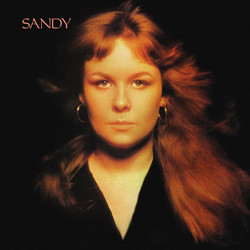
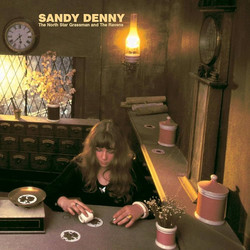
Behind the scenes, the production deepens the album’s twilight glow. Recording stretched from late 1972 into 1973, with Denny not only singing but playing piano, acoustic guitar and electric piano, while collaborators like Richard Thompson and Trevor Lucas supplied understated guitar lines that move like shadows around her voice. Harry Robinson’s string arrangements are crucial: they do not smother the songs so much as haunt them, rising at key lines as if answering the singer’s thoughts, the way Denny herself once joked about the hidden ballroom orchestra waiting to strike. Even the original gatefold sleeve - embossed, in primrose, yellow and velvet green, with her own floral drawing and an Edwardian-tinged portrait - extends the music’s aesthetic into the visual realm, as if the entire project were a single long fade between then and now.
Issuing Like an Old Fashioned Waltz in 1974, just as she rejoined Fairport Convention and after a planned solo tour was stymied by label delays, meant the record never quite got the clean run it deserved. Yet heard today, it plays less like a commercial bid that missed its moment and more like a deeply composed interior world, a diary staged on a grand, slightly faded proscenium. The melancholy is deliberate but never oppressive; there is humour in the romanticism, steel in the softness, and a sense that Denny was mapping out an alternate future where British folk could slip into satin gloves without losing its calloused hands. In that sense, Like an Old Fashioned Waltz feels less like a period piece than an unanswered invitation - an elegant, half-lit room where the band is still playing and the next dance is somehow always about to begin