Angelo Badalamenti
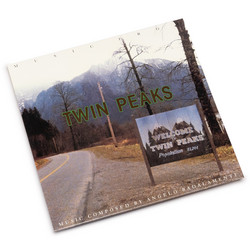
Twin Peaks: Fire Walk With Me (LP)
** 2025 Stock ** Composed by Angelo Badalamenti for David Lynch’s 1992 film prequel, Twin Peaks – Fire Walk With Me takes the DNA of the TV score and drags it deeper into the woods. Where the original soundtrack often floated on eerie nostalgia, this album feels closer to the raw nerve of Laura Palmer’s story: slow, minor-key themes that seem to breathe with her, bursts of clanking, bad‑dream jazz, and stretches of near‑static tension where a single trumpet line or vibraphone chord can feel like a revelation. Originally released by Warner Bros. in 1992, the soundtrack has since become one of the most acclaimed film scores of its era, topping lists of the greatest soundtracks for the way it lodges in the subconscious and refuses to leave.
The tracklist plays like a guided tour through the different emotional climates of Lynch’s world. The opening “Theme from Twin Peaks – Fire Walk with Me” expands the TV motif into a full cinematic prologue, Jim Hynes’ trumpet arcing over Badalamenti’s keyboards and Vinnie Bell’s guitar in a sweep of doomed romanticism. “The Pine Float” and “Moving Through Time” explore quieter, more suspended territories, while vocal centrepieces like “Sycamore Trees” (sung by Jimmy Scott) and “Questions in a World of Blue” (with Julee Cruise) translate the series’ sense of lost time and unspoken grief into torch songs that sound beamed in from some parallel, smoke‑filled lounge. Other cues push into rougher textures: “The Pink Room” is all filthy, overdriven bar‑band grind, and the Thought Gang pieces “A Real Indication” and “The Black Dog Runs at Night” splice free‑jazz squall, beat‑poetry mutter and noir groove into something unmistakably Lynchian.
Part of the score’s power lies in the ensemble Badalamenti assembled. Jazz heavyweights and session veterans - including Grady Tate on drums, Buster Williams and Rufus Reid on bass, Jay Hoggard on vibraphone and a small army of guitar and keyboard players - lend the music a deep rhythmic and harmonic vocabulary, even when the writing is deceptively simple. Lynch co‑produces, contributes lyrics to several songs and adds percussion and arrangement ideas, ensuring that the soundtrack and film feel like a single, cross‑medium artwork rather than picture and underscore welded together after the fact. The result is a record that works independently of its images: even without a single frame of celluloid, you can feel the motel carpets, the neon, the night air off the trees.