Reissues
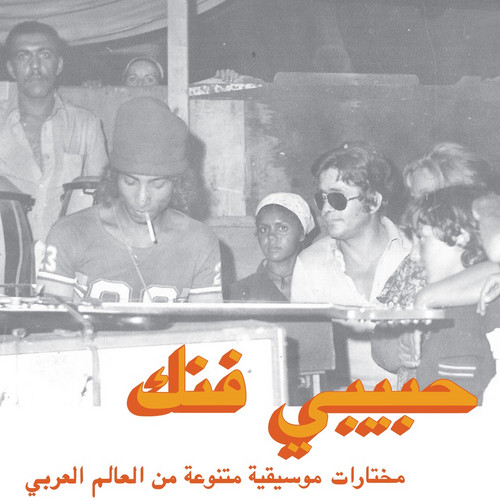
Habibi Funk: An Eclectic Selection Of Music From The Arab World
Label compilation of 16 tracks by 15 artists from across the Arab world, 1970s and 1980s: funk, soul and pop alongside Arabic zouk, Algerian coladera and Lebanese AOR, from Fadoul, Ahmed Malek, Dalton, Al Massrieen, Kamal Keila and others.
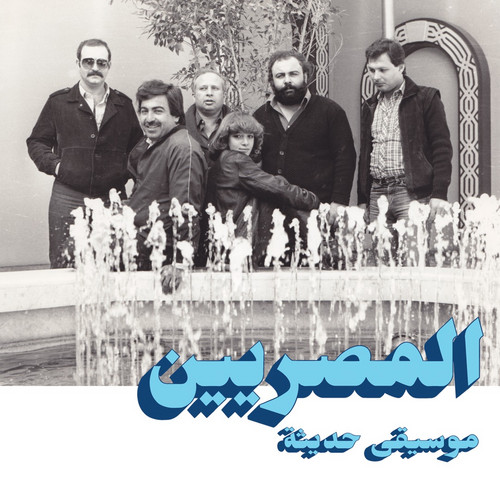
Modern Music
Reissue of Modern Music, the fifth and last album by the Egyptian group Al Massrieen, led by composer Hany Shenouda and first released in 1984: Arabic-language funk, disco and pop with electronic instruments, originally pressed in Lebanon.
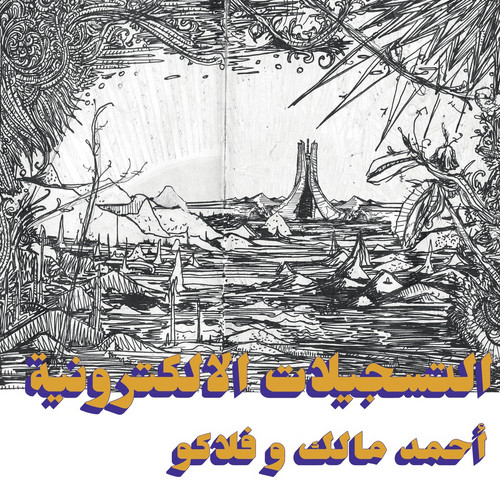
The Electronic Tapes
Electronic experiments recorded by the Algerian composer Ahmed Malek in the early 1980s, never released in his lifetime and compiled from two hours of master tapes by the Berlin producer Flako, with the approval of Malek's family.
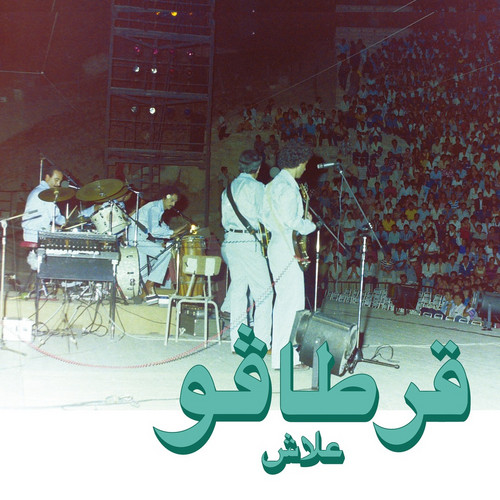
Alech
Two tracks from the only album by Tunis band Carthago, recorded in Paris at the end of the 1970s: Tunisian disco and funk, including a disco version of the Dalton song Alech, plus the previously unreleased instrumental versions from the master tape.
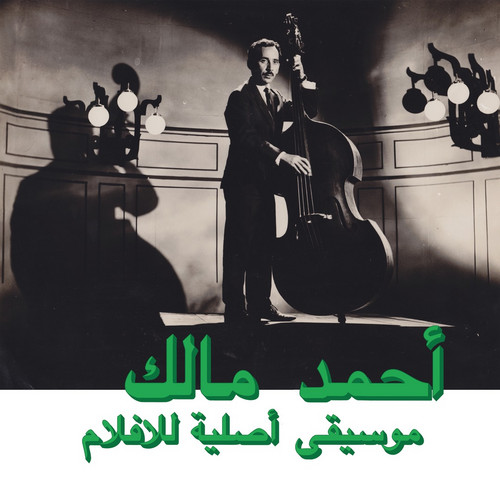
Musique Originale De Films
Film and television music by Algerian composer Ahmed Malek (1932-2008), longtime conductor of the Algerian Television Orchestra: melancholic orchestral themes from his original soundtrack LP, plus unreleased tracks from his family archive.
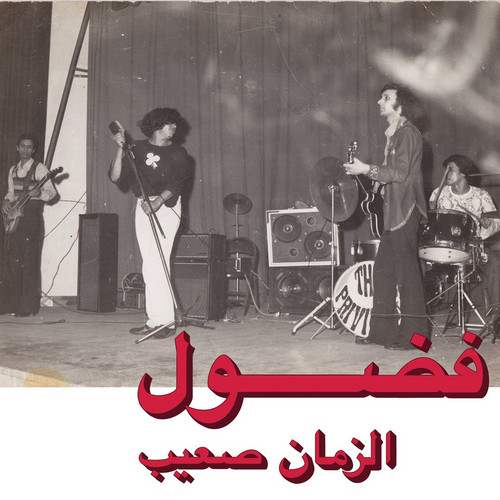
Al Zman Saib
Recordings by Casablanca singer Fadoul, released on Moroccan 7-inch singles in the 1970s: raw Arabic funk with a three-piece band and a punk edge, including an Arabic take on James Brown's Papa's Got a Brand New Bag. Licensed from his family.
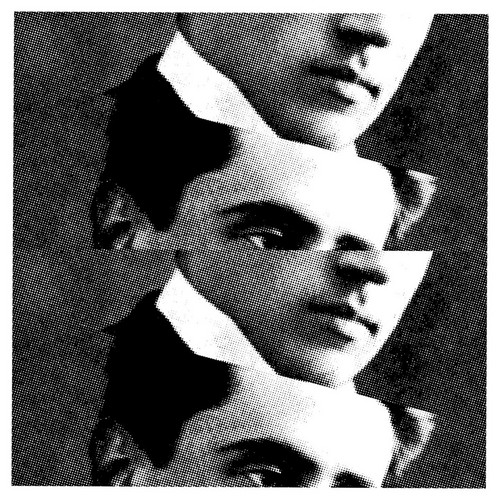
Let Me Perish Without Return: Lament and Longing from the Fading Russian Empire, 1889-1917
Twenty sides cut in the Russian Empire between 1889 and 1917, dug up by Gary Sullivan in the Russian shops of Brighton Beach and Forest Hills: music hall satire, drawing-room ballads and convicts' laments from the years before everything changed.
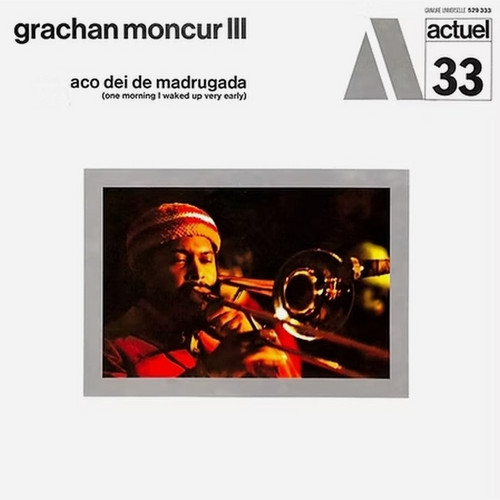
Aco Dei De Madrugada (One Morning I Waked Up Very Early)
Paris, 1969: Grachan Moncur III's second album for BYG, cut with a Brazilian rhythm section and bassist Beb Guerin. Samba sway meets American creative jazz, with Fernando Martins' wordless vocals on the title track.
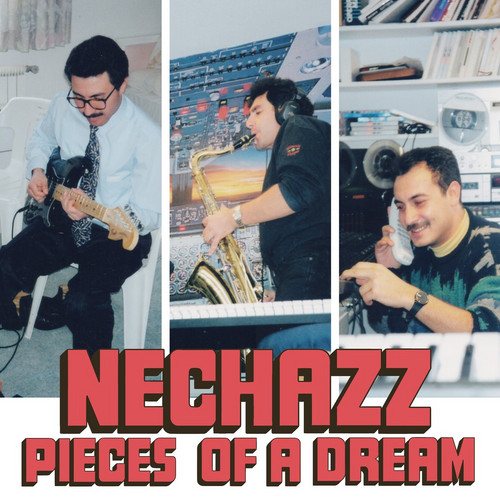
Pieces Of A Dream
Unreleased recordings made in 1988 and 1989 in a small home studio in Amman by the Jordanian trio Nechazz: smooth soul, jazz and synth pop in the spirit of Steely Dan and Bobby Caldwell, recovered from a family cassette.
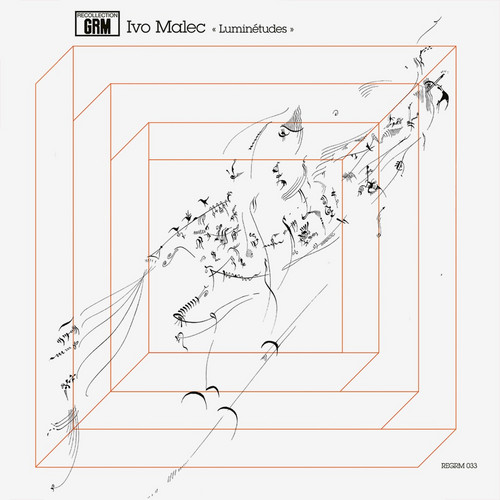
Luminétudes
Four electroacoustic works by Ivo Malec composed between 1961 and 1982, from the early Dahovi to Week-end, gathered by Recollection GRM and reissued on vinyl for the very first time.
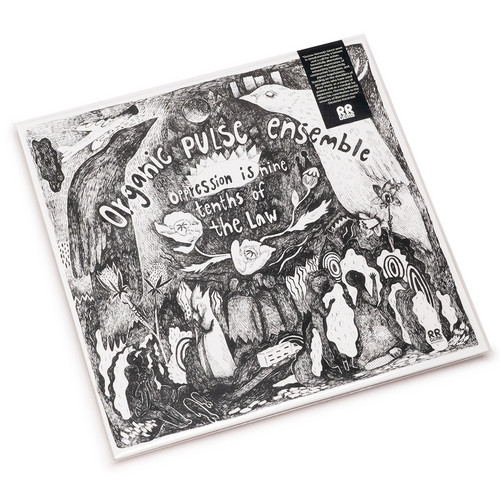
Oppression Is Nine Tenths of the Law
Gustav Horneij’s Organic Pulse Ensemble blends jazz tradition with modern groove, inspiring unity & protest, uplifting listeners in the fight for freedom and justice for all.
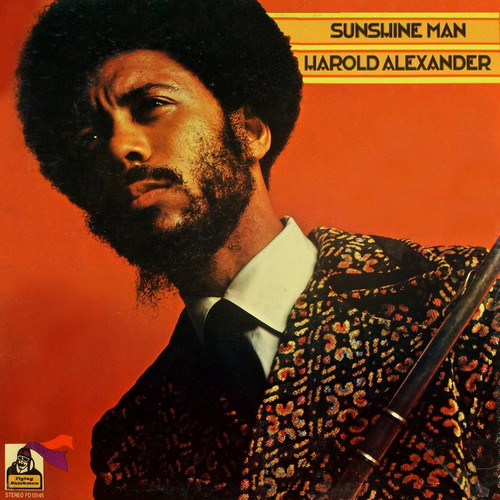
Sunshine Man
Two days in May 1971, produced by Bob Thiele for Flying Dutchman. Harold Alexander on flute and soprano over Neal Creque's electric piano, Richard Davis's bass, Pretty Purdie's drums and Richard Landrum's congas. Contains Mama Soul, the scat-flute track that got him into DJ sets decades later.
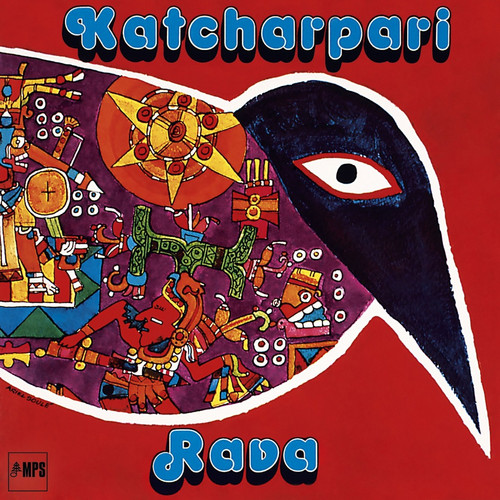
Katcharpari
Milan, January 1973. Enrico Rava's second record as a leader, with John Abercrombie on guitar, Bruce Johnson on bass and Chip White on drums, released by MPS/BASF. Rava has called it his breakthrough: the album that got Manfred Eicher's attention. Seven tracks, from Trial N. 5 to the Don Cherry tribute Cheerin' Cherry.
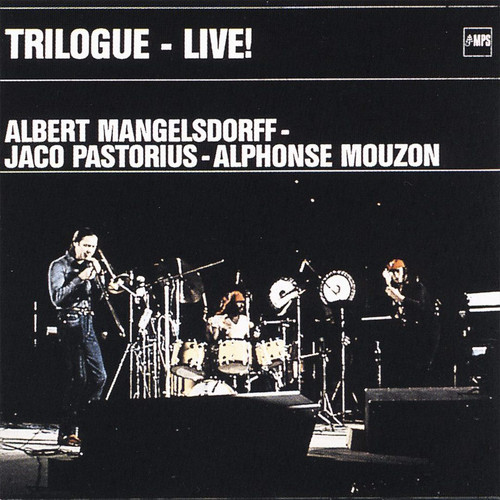
Triloque
Berlin Jazz Days, 6 November 1976. Albert Mangelsdorff's trombone, alone at the front, with Jaco Pastorius on electric bass and Alphonse Mouzon on drums, a year after Pastorius's debut. Five long pieces, recorded live, released by MPS in 1977. The trombone multiphonics against a fusion rhythm section.
The Wide Point
Walldorf Studio, near Frankfurt, 1 and 2 May 1975. Albert Mangelsdorff on trombone, Palle Danielsson on bass, Elvin Jones on drums. Seven pieces, thirty-nine minutes, released by MPS the same year.
Mangelsdorff had recorded with Jones once before, on the 1968 duet album Albert Mangelsdorff and His Friends. The Wide Point is the first of his trombone-bass-drums trio records, the format that would produce Trilogue with Pastorius and Mouzon the following year and the Montreux album in 1980. The ban…
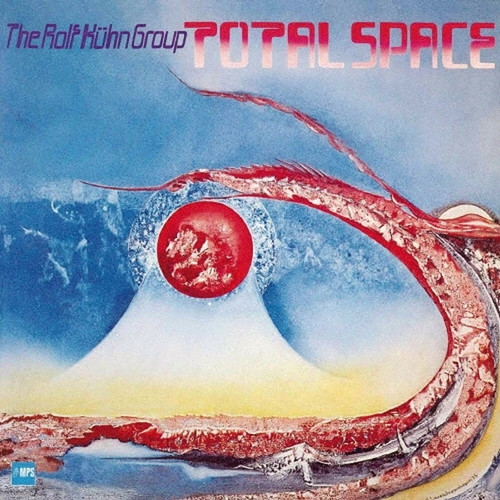
Total Space
Cologne, Cornet Studios, January 1975. Rolf Kühn on clarinet with a band that reads like a German jazz roll call: his brother Joachim Kühn on piano and electric piano, Philip Catherine on guitar, Gerd Dudek on tenor and soprano, Albert Mangelsdorff on trombone, Bo Stief on bass, and two drummers, Daniel Humair and Kasper Winding.
Kühn chose not to record in the MPS studio in the Black Forest and brought in the engineer Wolfgang Hirschmann instead. In his own account, quoted in MPS's reissue note…
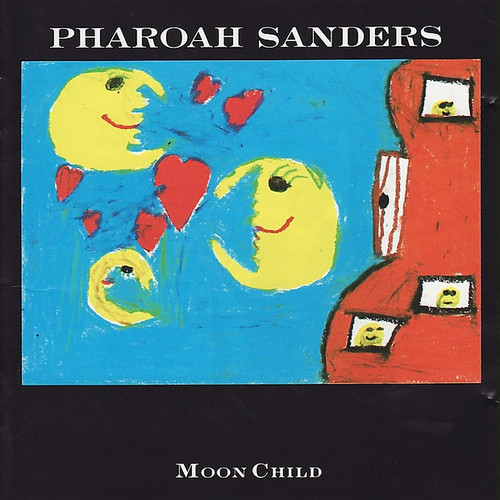
Moon Child
Paris, Studio Davout, 12 and 23 October 1989. Pharoah Sanders with William Henderson on piano, Stafford James on bass, Eddie Moore on drums and Cheikh Tidiane Fall on percussion. Produced by Wim Wigt for Timeless, released in 1990.
The Penguin Guide called it the straightest jazz album Sanders had made for years, and heard what he was after: a hypnotic groove that lets the horn float almost at will. Steve Loewy at AllMusic writes that the results may have disappointed some fans at the time, but …
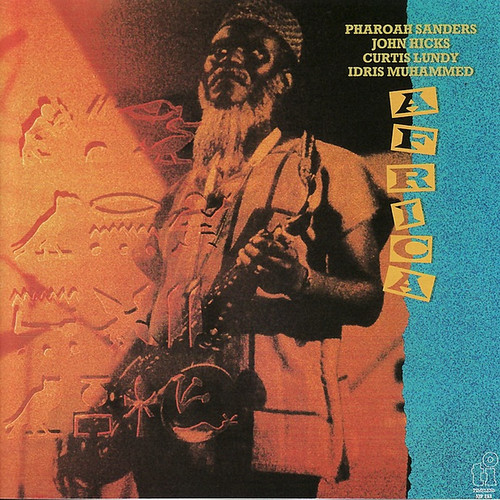
Africa
Studio 44, Monster, Holland, 11 March 1987. One day. Pharoah Sanders with John Hicks on piano, Curtis Lundy on bass and Idris Muhammad on drums, a band he kept for years. Produced by Wim Wigt for Timeless.
The record is built around Coltrane. Loewy at AllMusic writes that most listeners will prefer the originals to Sanders's imitations, but calls Africa a joyous and worthy tribute. AllMusic's survey of the Timeless years is warmer: it hears the title track's highlife melody undercut by Hicks's p…
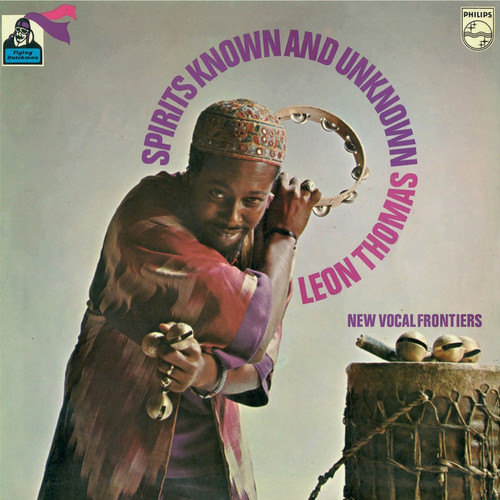
Spirits Known and Unknown
New York, 21 and 22 October 1969. Leon Thomas's first album under his own name, made months after Karma, with Pharoah Sanders credited as Little Rock, Lonnie Liston Smith, James Spaulding, Cecil McBee, Richard Davis and Roy Haynes. A shorter Creator Has a Master Plan, Echoes, and the Malcolm X elegy Malcolm's Gone.
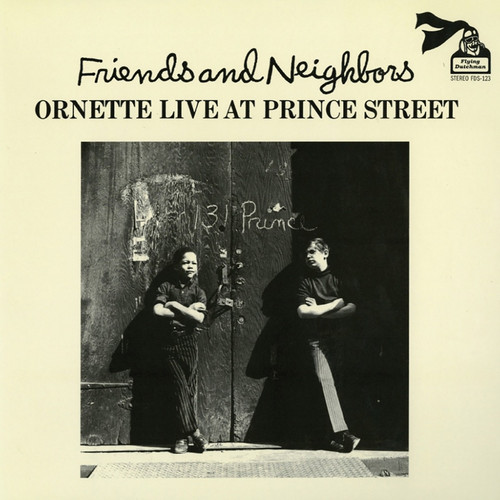
Friends And Neighbors (Ornette Live At Prince Street)
Ornette Coleman's loft at 131 Prince Street, Valentine's Day 1970. Dewey Redman, Charlie Haden, Ed Blackwell, and whoever was in the room singing the title chant. The only Coleman album on Flying Dutchman: six pieces, Ornette on alto, trumpet and violin, taped as a party rather than a concert.