Horace Tapscott
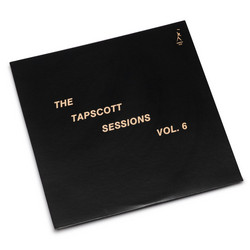
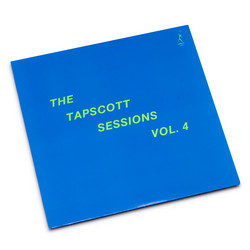
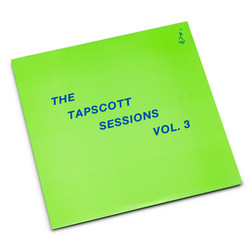
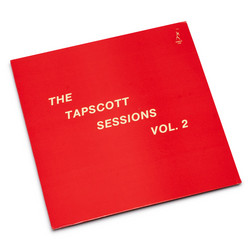
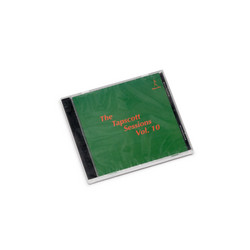
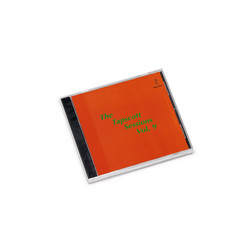
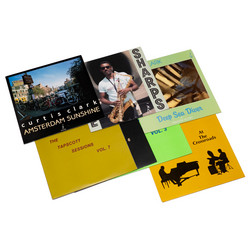
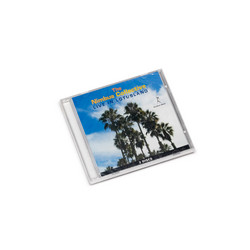
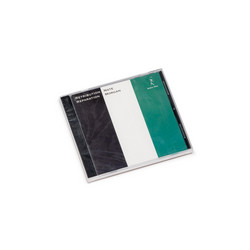
The Tapscott Sessions Vol. 11
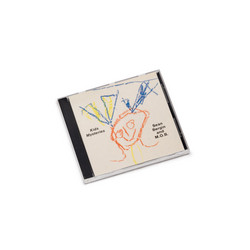
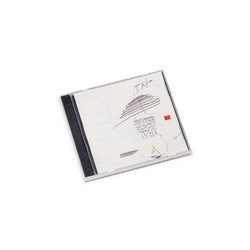
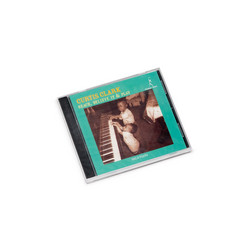
The final volume in the Tapscott Sessions series, Vol. 11 is gentler than some of its predecessors - stretched out and moody, with a contemplative feel that rewards patient listening. Twelve tracks recorded in 1982, released twenty-five years later as Tom Albach continued excavating the Lobero Theatre archive. What distinguishes this installment is the breadth of its sources. Tapscott opens with Horace Silver's "Nica's Dream," moves through the Mexican standard "Bésame Mucho," then lands on Sun Ra's "A Call For All Demons" - three wildly different compositions united by Tapscott's singular touch. Wes Montgomery's "Full House" gets reworked alongside John Coltrane's "Straight Street." The eclecticism is deliberate. Tapscott was never about purism. His own compositions - "For Patrice," "Vigilance," "Sabroso," "This Is For Kenny," "Wistful Vista," "Long Ago," and "Vox Populi" - thread through the standards, revealing how thoroughly the tradition lived inside him. These aren't academic exercises. They're conversations with the dead and the living, filtered through ten fingers and eighty-eight keys.
The recording carries a natural echo, so even sparse passages ring with presence. Tapscott states his case simply but effectively, making his way through material that spans generations of jazz composition.
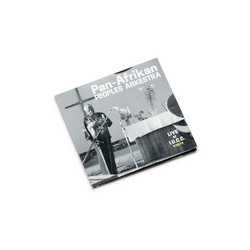
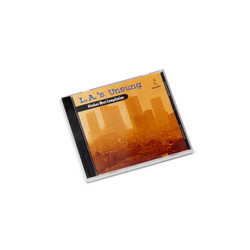
Albach's mission - documenting the work of Tapscott and other Black composers from the Los Angeles underground - reached its most intimate expression in these solo sessions. New York critics had their provincial blind spots. Los Angeles had its own genius, playing for nobody but the microphones at 3 a.m. in an empty theatre. Tapscott died in 1999. The music keeps arriving, wave after wave from the archive. Vol. 11 closes the solo chapter. What remains is essential.