Horace Tapscott
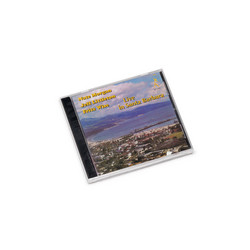
Live At Lobero Volume 1
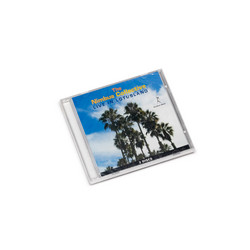
The Lobero Theatre in Santa Barbara, built in 1872 by local composer José Lobero, has witnessed over a century of California cultural history. On the night of November 12, 1981, it became the site of one of the most powerful trio recordings in the Horace Tapscott discography. Tom Albach captured it all for Nimbus West.
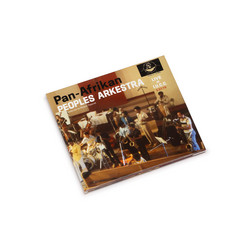
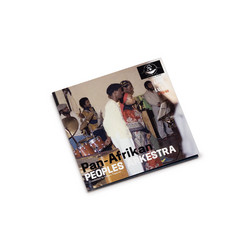
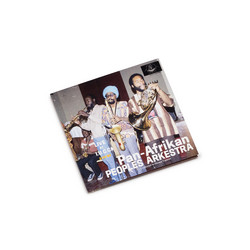
The group is a study in complementary forces. Roberto Miranda, born in New York to Puerto Rican parents but raised in Los Angeles since the mid-1950s, had been a member of UGMAA and the Pan Afrikan Peoples Arkestra for over a decade by this point. He studied with Ray Brown and Red Mitchell, received two NEA composition grants, and developed a style that Gary Giddins might have described as "soul-gripping" - round, rich, capable of holding the music together even when Tapscott ventured into his freest territory. Miranda would later write the appendix for Steven Isoardi's definitive book The Dark Tree, documenting the movement he helped build. On drums and percussion: Woody "Sonship" Theus, who took his name from John Coltrane's Sun Ship album in 1970 out of spiritual conviction. By 1981, Sonship had already toured with John McLaughlin's One Truth Band at Montreux, recorded with McCoy Tyner, Harold Land, Bobby Hutcherson, and Charles Lloyd. His cymbal work bordered on volcanic - intensive, colorful, building from silent presence to sustained intensity. Those who saw him with McLaughlin at Central Park in 1979 never forgot the experience.
Three extended performances. "Sketches Of Drunken Mary" opens with sparkling piano revolving around a lyrical bass part of almost unbearable tenderness - a piece written in memory of a local drunk lady who wandered through Tapscott's Houston neighborhood when he was a teenager. The composition ends with a drum solo that must be heard to be believed. "Raisha's New Hip Dance" begins with powerful, somewhat dark solo piano, two hands moving in different directions before winding to somber conclusion and building back again. Then comes "The Dark Tree" itself - twenty-one minutes of hypnotic, McCoy-like repeating figures, throbbing basslines, the kind of ostinato-fueled vamp that became Tapscott's signature. He explained the title in his autobiography: "It has to do with the tree of life of a race of people that was dark, and everybody went past it and all its history. The whole tree of a civilization was just passed over and left in the dark, but there it stood still."
The balance between structure and freedom here is extraordinary. Miranda's round tone holds everything together while Sonship's percussive twists act as leverage for Tapscott's fully-flighted intensity. This is what happens when Los Angeles musicians who have played together for years - in community centers, in churches, at Parks and Recreation events, at the Great House on South Western Avenue - finally get captured in a proper concert setting.
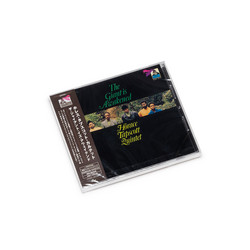
The original LP appeared in 1982. The CD reissue arrived in 2006, part of Nimbus West's ongoing commitment to making Tapscott's archive available to the world. Pure Pleasure later pressed it on 180-gram vinyl for audiophiles. Sonship died in 2011. The tree stands still.