
Ajaeng Ajaeng
To be heard with ears half bent, or with one side facing what Maryanne Amacher calls “the third ear”. The great reverence in which the Tanpura is held by Indian classical music, its transcendental but occulted place in the tradition alongside its nor…

Eric Random & Free Agents
The Free Agents was originally a side-project of The Tiller Boys. These were a Manchester group active from 1978 to 1979. They supported Joy Division on a few occasions. They recorded a single for Factory, which the label did not release in the end. …

Italian Airs
When Simon Van Honacker (°1994, living in Ghent BE) approached me to do an intern with ECN he caught my intention with his plan to study Flemish Folklore, yet from a Deep Listening perspective. Imagine the sound of fanfares, people getting drunk duri…

Titik Api
Lamunai Records is proud to announce Titik Api, the 2nd opus of the Indonesian master Harry Roesli, recorded in 1975. Political activist, prominent member of the Tradisi Baru Movement (New Tradition) who emerged in the 1970s, Harry Roesli worked with…

The Sound of Indifference
**300 copies** Minimal Wave is proud to present The Sound of Indifference, a rare cassette released in 1981 by Aural Indifference. Aural Indifference was a post-punk studio collective from Sydney, Australia. The two principal members were Brian Spenc…

Complete discography
This special bundle collects Aktuala's complete discography on three coloured vinyl LPs:Aktuala "Aktuala" (1973)**Red vinyl reissue. Milestone! Faithful reproduction of the original release!** 1973 Aktuala debut, a stunning overall work where you can…
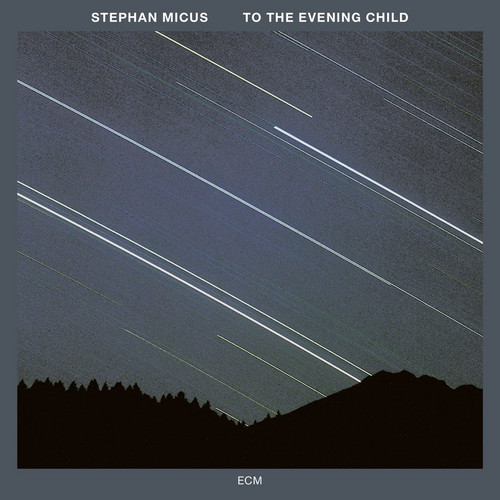
To The Evening Child
Solo album by Stephan Micus, recorded January-February 1992 at MCM Studios, in seven parts for steel drum, voice, dilruba, suling, kortholt, nay and sinding, all played and sung by Micus. First released by ECM in 1992 as ECM 1486.
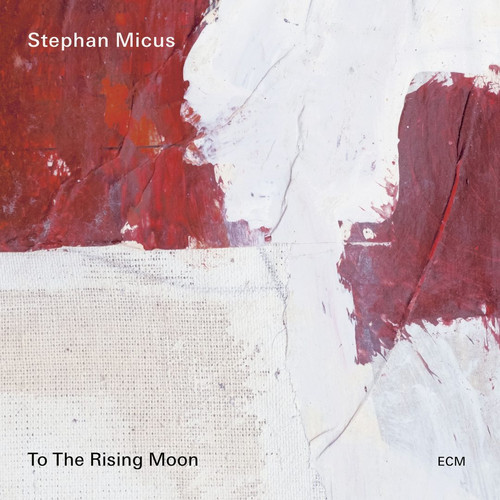
To The Rising Moon
Stephan Micus' 26th solo album for ECM, centred on the Colombian tiple with dilruba, sattar, bowed sapeh, tableharp, nay, Cambodian flute, chord zither and voice, all played and sung by Micus. Recorded 2021-2023 at MCM Studios.
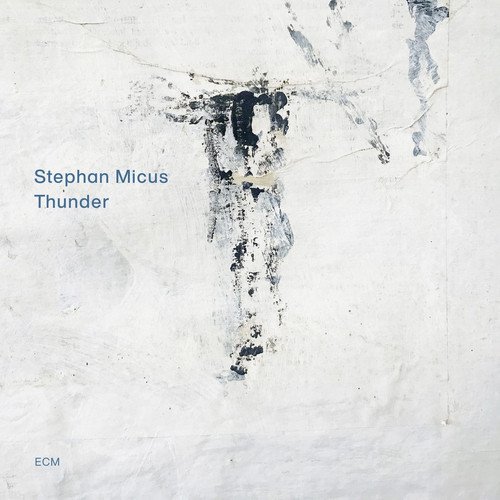
Thunder
Stephan Micus's 25th solo album for ECM: nine pieces for thunder gods of different cultures, built around the Tibetan dung chen trumpet. Micus plays all instruments and voices, recorded 2020-2022 at MCM Studios.
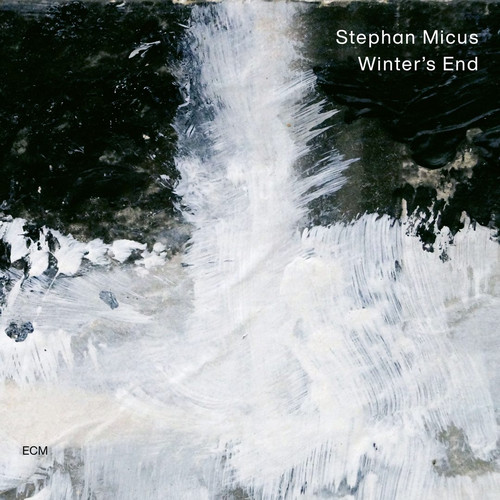
Winter's End
Stephan Micus's 24th solo album for ECM (2021), recorded alone at MCM Studios between 2018 and 2020, with the Mozambican chikulo, tongue drum, kalimba, sinding, nay, nohkan, suling, sattar, charango, 12-string guitar and voice.
Inland Sea
Solo album by Stephan Micus, his 22nd for ECM: ten original pieces led by the Swedish nyckelharpa, with balanzikom, shakuhachi, genbri, chord and bass zithers, steel-string guitar and voice, all played by Micus and recorded 2014-2016 at MCM Studios.
Nomad Songs
Eleven pieces composed and performed alone by Stephan Micus on nine instruments, including the Moroccan genbri and the San ndingo, both new to his work, plus voice. Recorded 2012-2014 at MCM Studios; his 21st album for ECM.
Bold As Light
Solo album by Stephan Micus in ten parts, layering raj nplaim (Laotian free-reed pipe), nohkan, sho, zithers, kalimba, shakuhachi, sinding and up to nineteen of his own voices. Recorded 2007-2010 at MCM Studios; released 2010.
Snow
Eight-part suite by Stephan Micus, who plays every instrument and sings every voice: duduk, bass duduk, Bavarian zither, sinding and doussn' gouni harps, charangos, hammered dulcimers, nay, gongs. Recorded 2005-2007 at MCM Studios; his 18th ECM album…
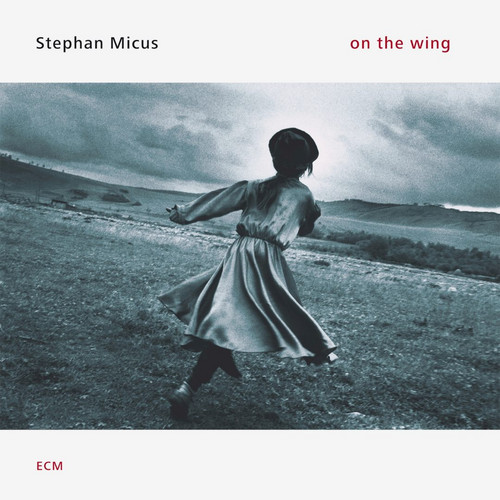
On the Wing
Ten-part instrumental suite by Stephan Micus, who plays every part through multitracking: sattar, mudbesh, hné, nay, suling, sho, shakuhachi, mandobahar, sitar, guitars, hang and gongs. Recorded 2003-2006 at MCM Studios. ECM 1987, 2006.
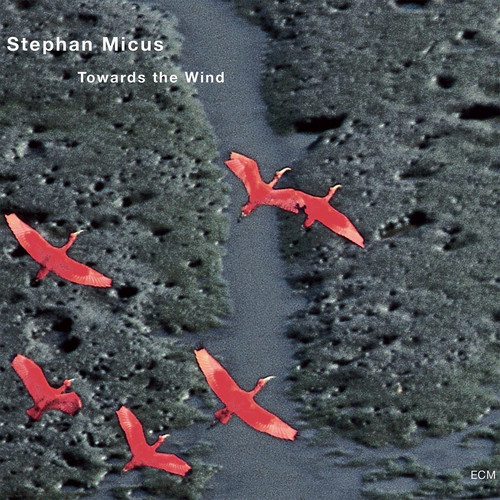
Towards The Wind
Stephan Micus's first album with the Armenian duduk, an eight-part suite for duduk, kalimba, shakuhachi, dondon, sattar, guitars and voice, all played by Micus. Recorded 1999-2001 at MCM Studios, released by ECM in 2002.
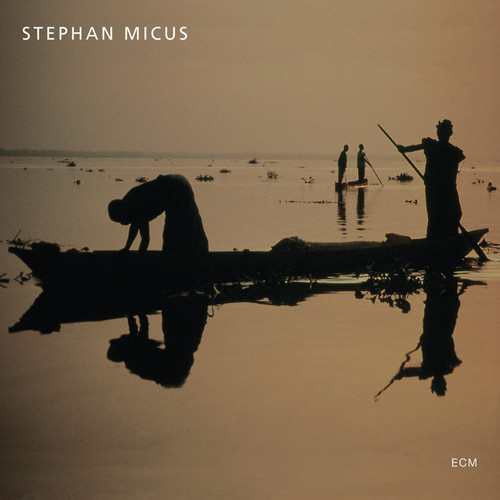
The Garden Of Mirrors
Stephan Micus's fourteenth album, built on two West African harps, the bolombatto and the sinding, with voices, steel drums, suling, shakuhachi, nay and tin whistle, all played by Micus. Recorded 1995-1996 at MCM Studios, released by ECM in 1997.
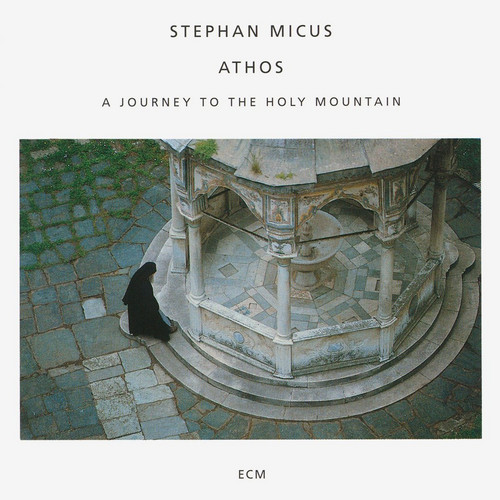
Athos
Stephan Micus's cycle of three days and three nights inspired by a stay on Mount Athos, with zither, sattar, shakuhachi, suling, ney, flowerpots and his own multi-tracked voice, recorded at MCM Studios between November 1993 and February 1994.