Jazz /
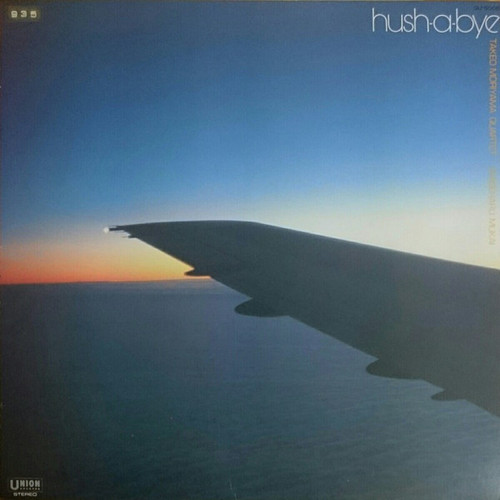
Hush-A-Bye
Following the great response to the previous release "Flash Up," a live recording from Shinjuku Pit Inn in March 1977, this new work composed by Takeo Moriyama was recorded about a year later. The second release left by the Takeo Moriyama Group on Teichiku now finally makes its debut as part of the seventh installment of "Spin This Now!"
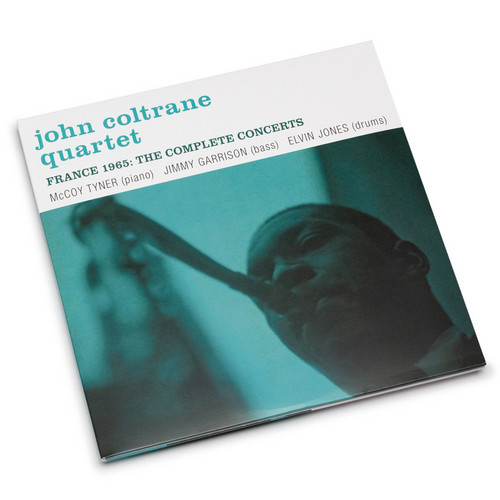
France 1965: The Complete Concerts
4LP set. Gatefold sleeve with photographs, concert poster, and new liner notes. Centenary edition. Limited to 2,500 copies worldwide. June 28, 1965: John Coltrane records Ascension at Van Gelder Studio - forty minutes of collective free improvisation that detonates every remaining convention in jazz. July 2: New Thing at Newport. July 6-18: a two-week residency at the Village Gate, doubling with Thelonious Monk. July 26: Coltrane walks onto the stage of the International Jazz Festival at Juan-le…

Africa / Brass
In 1961 John Coltrane joined the newly founded Impulse! label. The great saxophonist was coming off several impactful albums (Giant Steps) and a very notable — even commercial — success: that My Favorite Things which had made his soprano sax one of the “new sounds” that marked a turning year for jazz, the fateful 1959. Some people — despite obvious clues to the contrary — speculated a turn, if not toward commerciality, at least toward more palatable music: a Coltrane in some ways comparable to P…
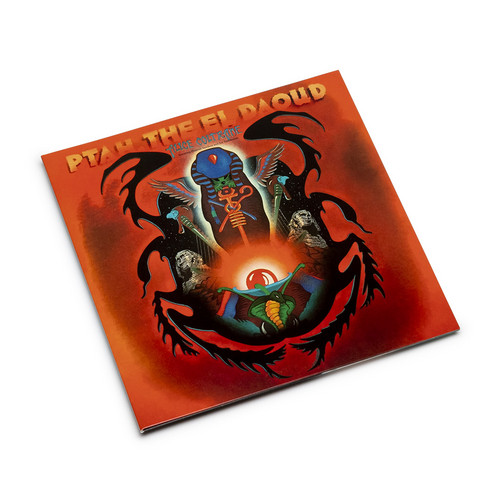
Ptah, The El Daoud
2026 repress * Grey-area LP reissue, perfect replica of the original * Ptah, the El Daoud, recorded and released in 1970, is the third solo album by Alice Coltrane. The album was recorded in the basement of her house in Dix Hills on Long Island, New York. This was Coltrane's first album with horns (aside from one track on A Monastic Trio – 1968 - on which Pharoah Sanders played bass clarinet). Sanders is recorded on the right channel and Joe Henderson on the left channel throughout. Coltrane not…
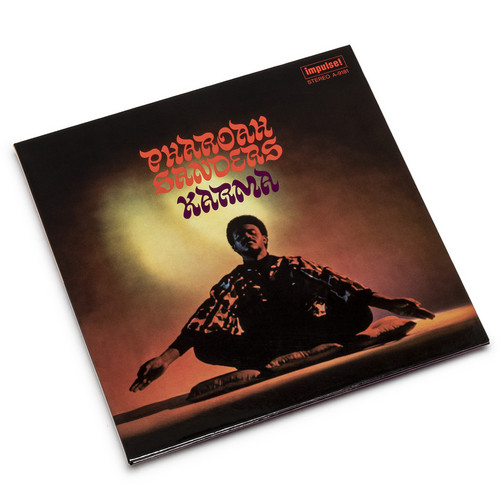
Karma
Karma is Pharoah Sanders' third recording as a leader, and is among a number of spiritually themed albums the Impulse! Record label released in the late 1960s/early 1970s. Although it is followed by the brief "Colors", the album's main piece is the 32-minute-long "The Creator Has a Master Plan", co-composed by Sanders with vocalist Leon Thomas. Some see this piece as a kind of sequel to Sanders' mentor John Coltrane's legendary 1964 recording A Love Supreme (whose opening it echoes in a muscular…
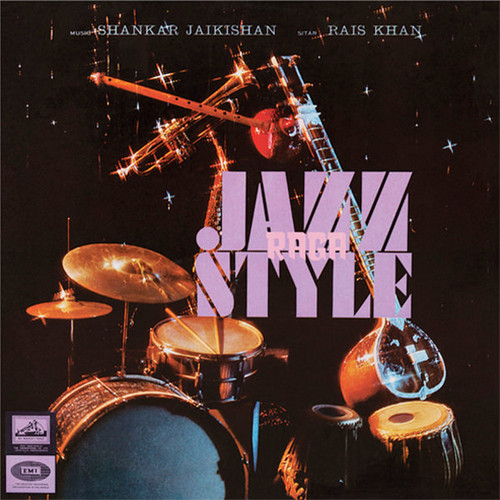
Raga-Jazz Style
*2026 repress!!* Amazing re-issue on Outernational Sounds of the Indio Jazz Fusion rarity from 1968! Never before reissued, this legendary 1968 EMI recording is a revered Indian jazz rarity; a collectors’ holy grail. Raga Jazz Style is an original Indian excursion into Indo-jazz fusion. A one-away recording from the almost unknown Bombay jazz scene, it is among the few jazz LPs to hail from the subcontinent. Closely contemporary with the UK-based explorations of Amancio D’Silva, John Mayer and J…
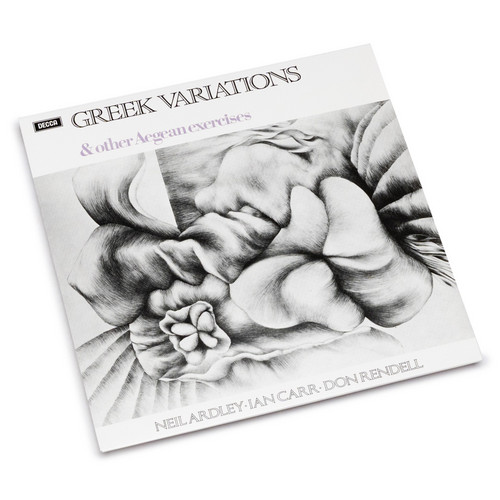
Greek Variations & Other Aegean Exercises
British Jazz Explosion Series! Recorded in '69, Greek Variations & Other Aegean Exercises is irresistible on two counts. First, for its daringly conceived and brilliantly performed music, inspired by Greek folk songs and instrumental textures and deep enough to reveal all its treasures only after many repeated listenings. Second, for being recorded at the moment when the Don Rendell/Ian Carr Quintet, a major force in British straight-ahead jazz since '62, had broken up and Carr's equally influen…
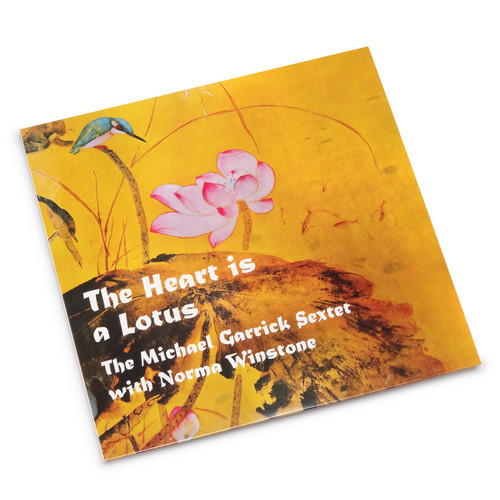
The Heart Is a Lotus
On The Heart Is A Lotus, The Michael Garrick Sextet with Norma Winstone trace a quietly radical path through British jazz: modal, spiritual and poetically inclined, with Winstone’s voice drifting inside the ensemble like vapor rather than standing in front of it.
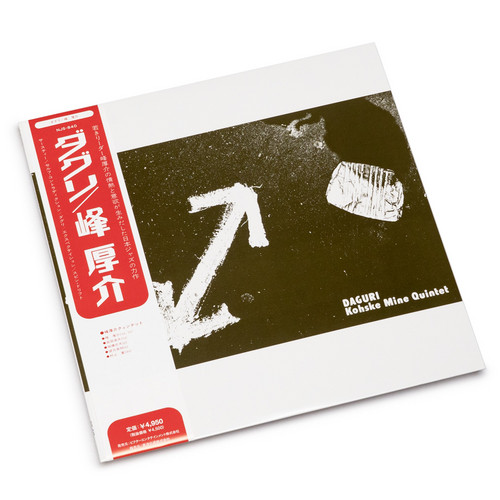
Daguri
On Daguri, Kosuke Mine Quintet channel early‑70s Coltrane fire into a distinctly Japanese voice, fusing spiritual intensity, modal lyricism and subtle exotic color into a taut, forward‑rushing statement that stands among Mine’s finest recordings.
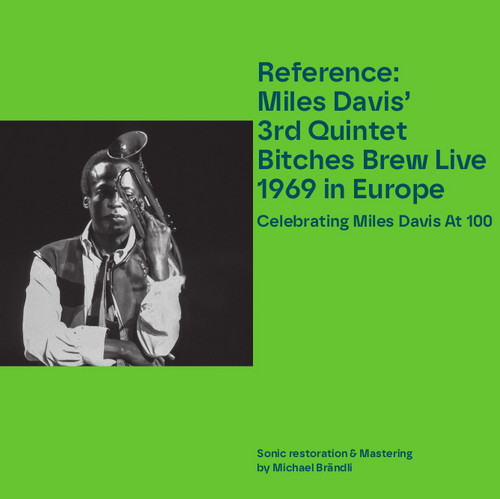
Reference: Miles Davis’ 3rd Quintet Bitches Brew Live 1969 in Europe
"The shock and awe that Bitches Brew produced within and without the jazz world on its release in March 1970 was largely unexpected, the result of the music’s uncompromising power and what many felt to be its perplexing, eccentric sound and structure. In retrospect, we know how Miles’ unconventional studio methodology and Teo Macero’s subsequent compositional editing of the voluminous taped material innovated the remarkable finished product. But what has only marginally been discussed is the ext…
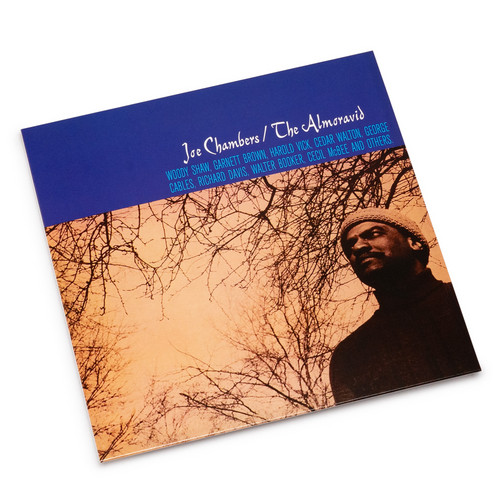
The Almoravid
Terrific session just released in 1974 on influential independent Muse. A modal masterpiece verging on spiritual jazz with a series of excellent players: from Richard Davis and Cecil McBee on bass to Ray Mantilla on congas and percussion, through Harold Vick distinctive flute and tenor sax. The major voice on this record belongs to the traps of Joe Chambers. The enormous potency combined with complete authority and tonal clarity that Chambers brings to the drums has made him one of the more dist…
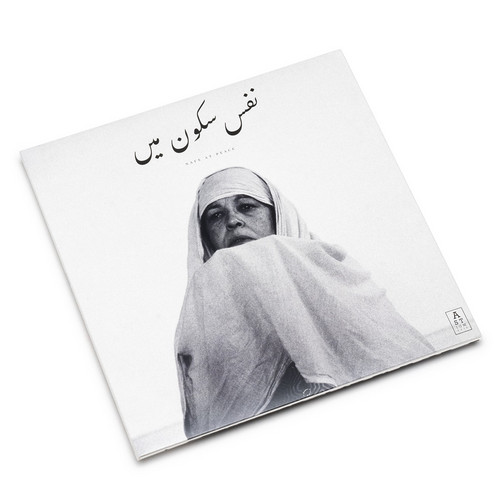
Nafs At Peace
On Nafs At Peace, Jaubi turn a Lahore jam into a spiritual suite: North Indian raga, hip‑hop pulse and modal jazz woven into a journey from turmoil to stillness, as if Coltrane’s quest had been reimagined on tabla, sarangi and MPC‑haunted drums.
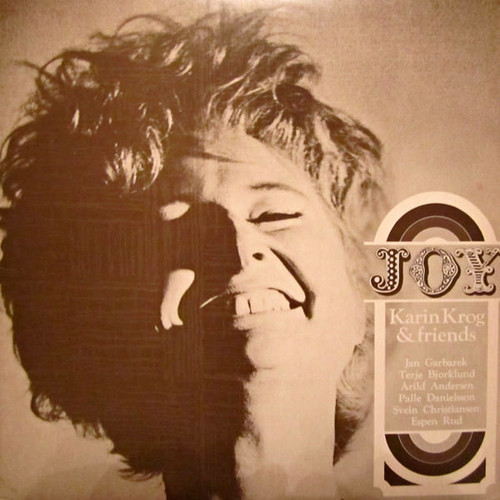
Joy
A groundbreaking session of European jazz – one of the first true moments of genius from singer Karin Krog! Tracks are long and experimental without getting too far out – and Karin's icy voice flows out magically over compelling tunes that still remain some of the most striking jazz vocals ever recorded! The set has Karin singing with a group of young, hip Scandinavian players that include Jan Garbarek on saxes, Arild Andersen on bass, and Terje Bjorklund on piano – all of whom stretch out in lo…
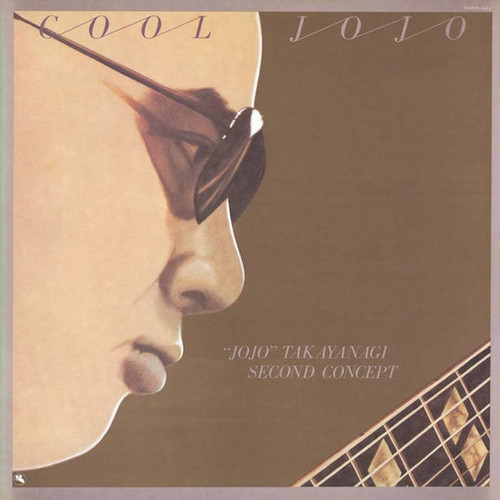
Cool Jojo
Cool Jojo was recorded from 3 to 5 December 1979 at Epicurus Studio in Tokyo under the direction of guitarist Masayuki Takayanagi. The album features the band ‘Second Concept,’ combining electric guitar, saxophone, keyboards, bass, and drums. The programme consists mainly of original compositions reflecting the band's electric jazz and experimental orientation in the late 1970s.
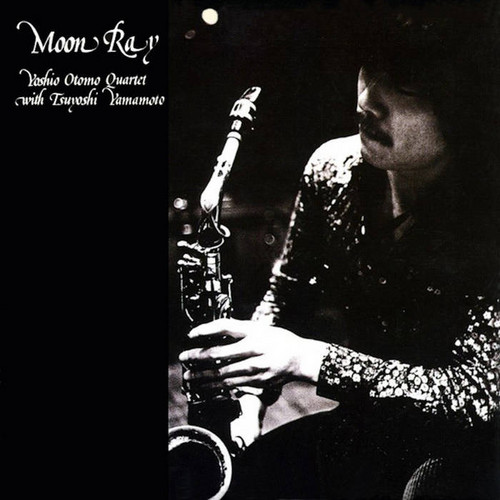
Moon Ray
Moon Ray was recorded on 21 and 22 April 1977 in Japan for the Three Blind Mice label. The album features the quartet led by alto saxophonist Yoshio Otomo, accompanied by Tsuyoshi Yamamoto (piano), Tamiko Kawabata (double bass) and Arihide Kurata (drums). The programme consists of standards from the American jazz repertoire as well as an original composition by Otomo. The production is part of the TBM label's series of acoustic recordings.
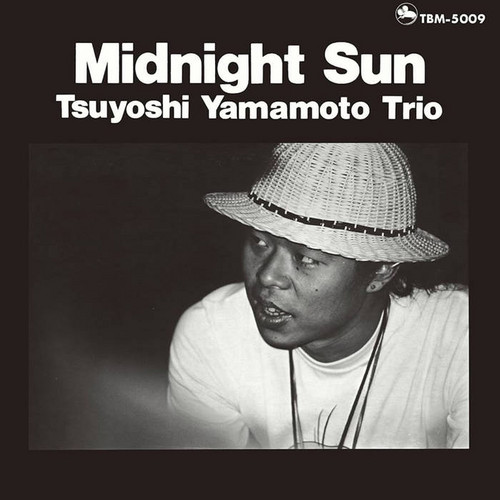
Midnight Sun
Recorded in Tokyo in June 1978 after his stay in the United States, Midnight Sun captures the Tsuyoshi Yamamoto Trio in a format typical of the Three Blind Mice aesthetic: full, dynamic sound and natural breathing of the playing. Between standards (‘Autumn Leaves’, ‘Love Is Here To Stay’) and more personal themes, Yamamoto favours melodic narration, with a deep left hand and a very singing touch.
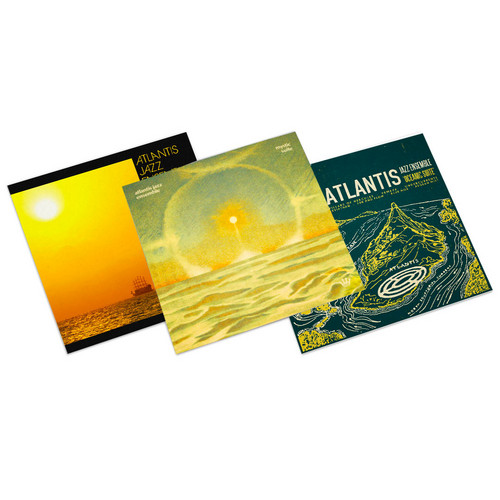
Mystic Suite, Celestial Suite, Oceanic Suite
Few groups working today have built their catalog with this kind of sustained intention. Founded in Ottawa in 2013, Atlantis Jazz Ensemble have spent a decade assembling one of the most coherent bodies of work in contemporary spiritual jazz - three albums, each mapped to a mythological realm, each pushing further than the last.
Oceanic Suite charted the tides: a debut of remarkable assurance that quietly became an underground classic, establishing the group's language of modal fire and Afro-infl…
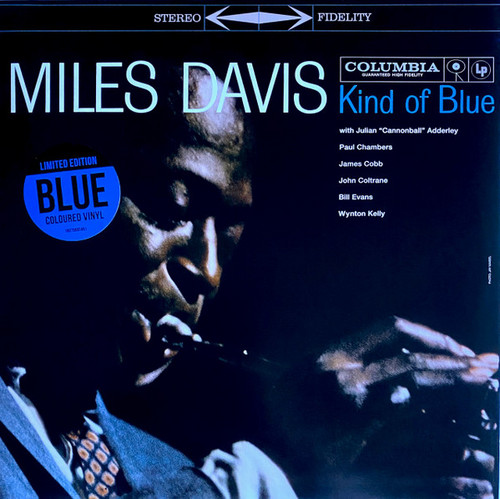
Kind of Blue
*Listed as one of the four most influential Jazz albums that happened to be released in 1959 (Dave Brubeck -Time Out & Charles Mingus -Ah Um among them), so much has been said and written about Miles Davis'Kind Of Blue, it's virtually impossible to summarize all the necessary info to the length of this page. We could simply list some facts (best sold Jazz album ever worldwide). We could try to explain why it's the best Jazz album ever made, but the music itself will do that to you.
As Bill Evans…
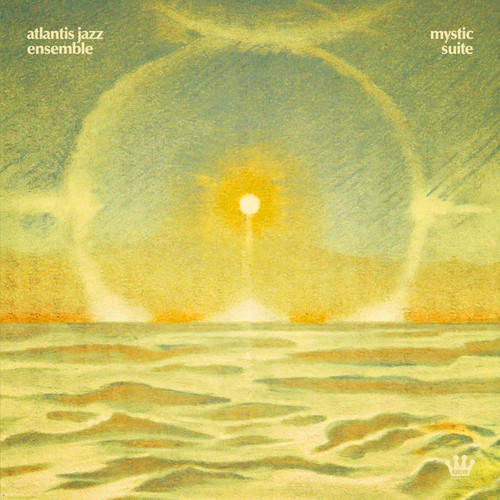
Mystic Suite
Let us take you back. Waaay back. According to early Greek mythology, the three powerful sons of the god Kronos divided up the cosmos after overthrowing their father: Poseidon ruled the sea, Zeus commanded the heavens, and Hades reigned over the underworld. Conversely, this latest offering from the Atlantis Jazz Ensemble completes the group's corresponding trilogy - Oceanic Suite (2016), Celestial Suite (2023), and now Mystic Suite (2026). As you might expect, this Mystic Suite, inspired by Hade…
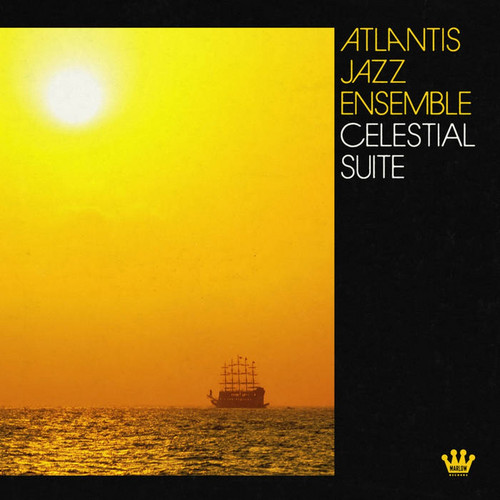
Celestial Suite
On Celestial Suite, Atlantis Jazz Ensemble stretch their spiritual soul-jazz into a full skyward arc, an unbroken studio suite where modal grooves, Afro-Latin currents and meditative codas move like one long, rising breath.