Jazz /
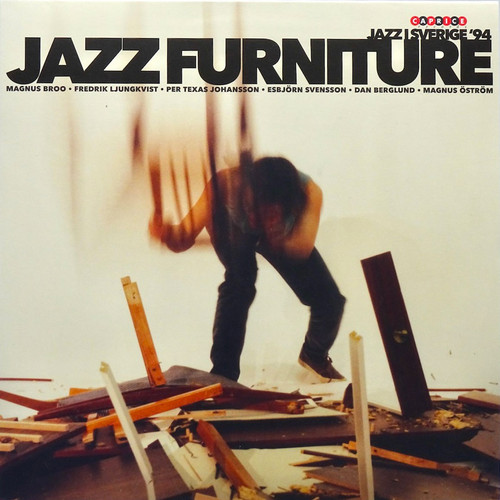
Jazz Furniture
First vinyl edition of Jazz Furniture’s sole album, the 1994 Jazz i Sverige recording with Esbjörn Svensson, Dan Berglund and Magnus Öström, curated by Jonas Kullhammar as a 180g double LP.
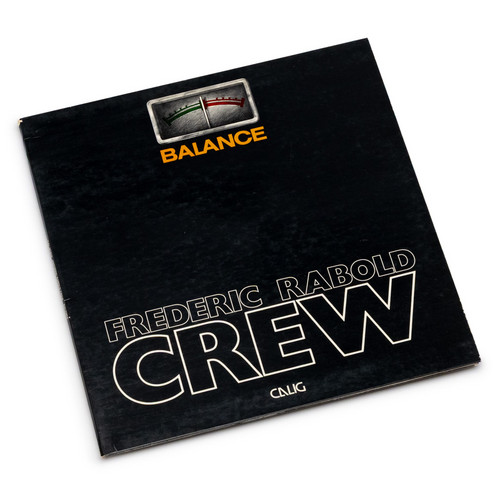
Balance (LP)
Original and sole edition of the 1977 album on Calig of post bop fusion by the German ninetet led by the free jazz and avantgarde trumpet and flugelhorn player. Never re-issued on either LP or CD.
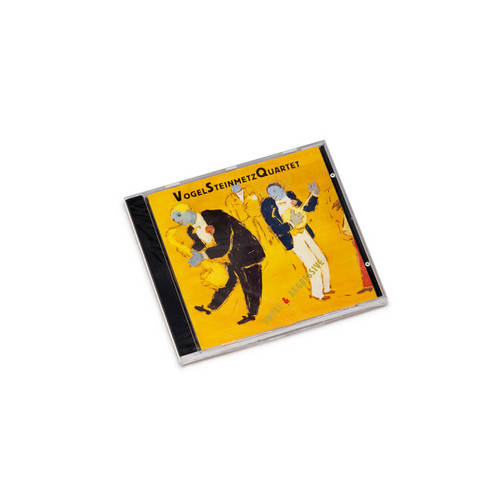
Sweet & Aggressive (CD)
2006 CD-only post-bop album on Oyster Songs by the Danish quartet led by Hugh Steinmetz and Karsten Vogel.
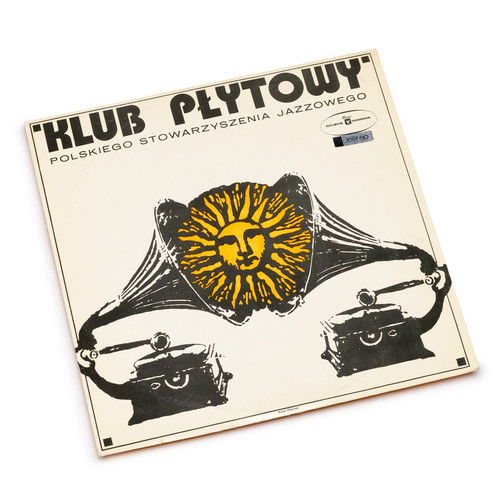
Klub Plytowy (LP)
1972 split live album on Polskie Stowarzyszenie Jazzowe with the Polish band's jazz-rock fusion on one side and the post bop soul-jazz of the Julian Cannonball Adderley Quintet on the other.
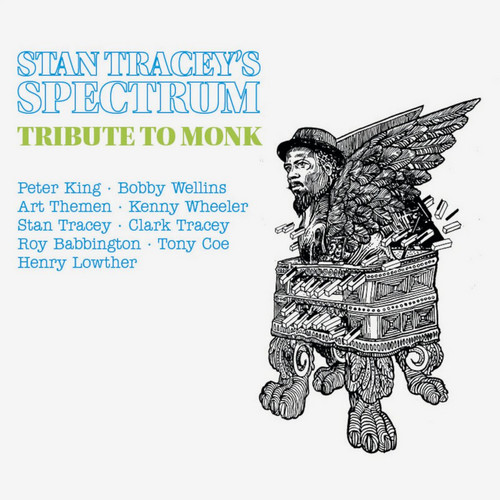
Tribute To Monk
Limited edition CD & download album produced from a previously vinyl-only release, so available digitally here for the first time, with added live recordings from the same band. The album marks the first collaboration between Jazz In Britain and ReSteamed Records and is dedicated to Stan Tracey to mark the 100th anniversary of his birth. Thelonius Monk died on 17 February 1982. In early April, Stan Tracey recorded a tribute album to Monk, with a group he called Spectrum. This idea was dreamt up …
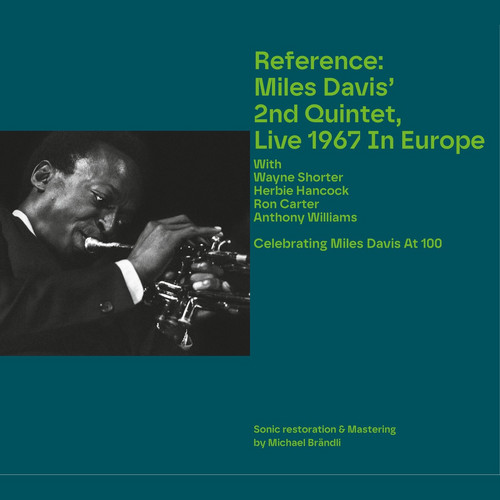
Reference: Miles Davis’ 2nd Quintet Live 1967 in Europe
The Second Quintet with Shorter, Hancock, Carter and Williams on its autumn 1967 European tour: Antwerp, Copenhagen, Paris and Karlsruhe on three CDs, restored by Michael Brändli, with an essay by Art Lange.
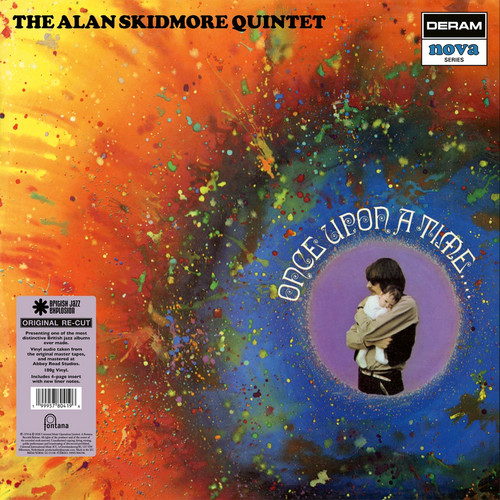
Once Upon a Time
Alan Skidmore's 1970 Deram Nova album with Kenny Wheeler, John Taylor, Harry Miller and Tony Oxley, fresh from their Montreux triumph: a jazz waltz, long suites and free passages, back on vinyl from the stereo masters.
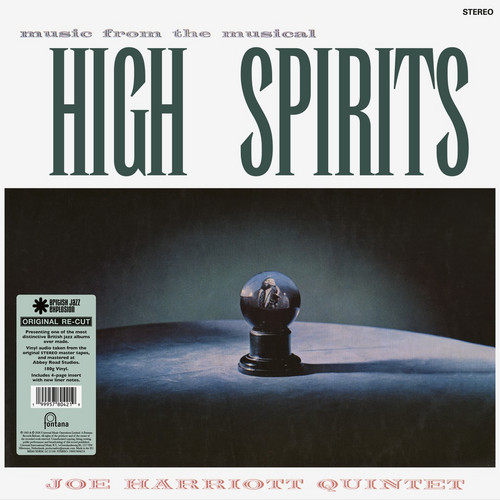
High Spirits
Joe Harriott's 1964 quintet with Shake Keane, Pat Smythe, Coleridge Goode and Bobby Orr turns songs from the Broadway musical High Spirits into lyrical, swinging jazz, now on vinyl in stereo for the first time.
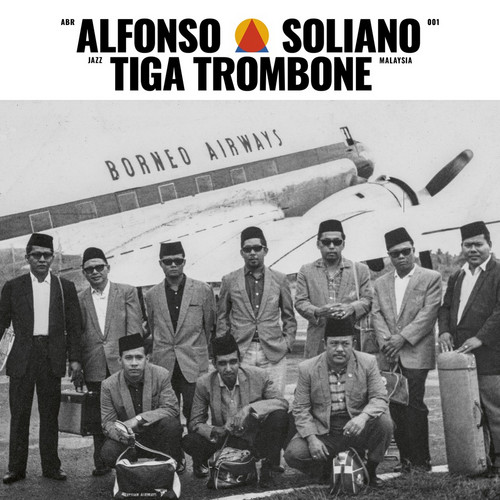
Tiga Trombone
First release on Audible Beauty, Habibi Funk's sister label: eleven jazz pieces by the Malaysian pianist and arranger Alfonso Soliano, recorded for Radio Television Malaysia and pressed in only a few dozen copies.
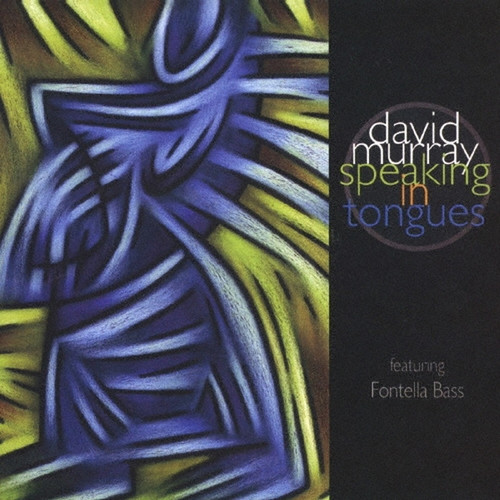
Speaking In Tongues
One day in a Paris studio, December 1997. David Murray goes back to the gospel church of his Berkeley childhood with Fontella Bass, the voice of Rescue Me and the Art Ensemble's Theme de Yoyo, over Hammond B3, electric bass and guitar. Amazing Grace, How I Got Over, and Murray's own twelve-minute Missionary.
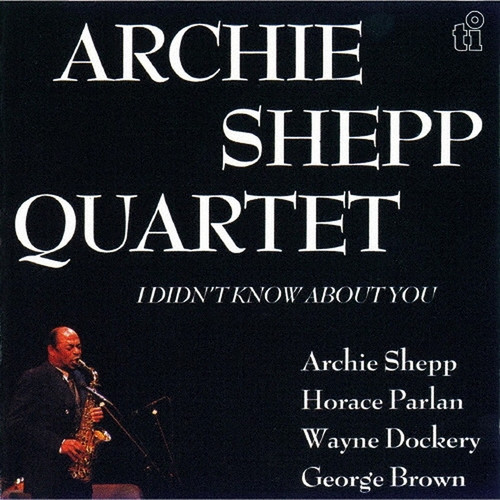
I Didn't Know About You
Munich, Studio Meilhaus, 6 November 1990. Archie Shepp on tenor and alto, singing on three tracks, with Horace Parlan on piano, Wayne Dockery on bass and George Brown on drums. One day of work for the Dutch label Timeless, released the following year.
Shepp and Parlan had recorded the spirituals of Goin' Home and the blues of Trouble in Mind as a duo for SteepleChase in the late 1970s. This quartet session comes out of the same relationship, a decade on, and the material tells you where Shepp wa…
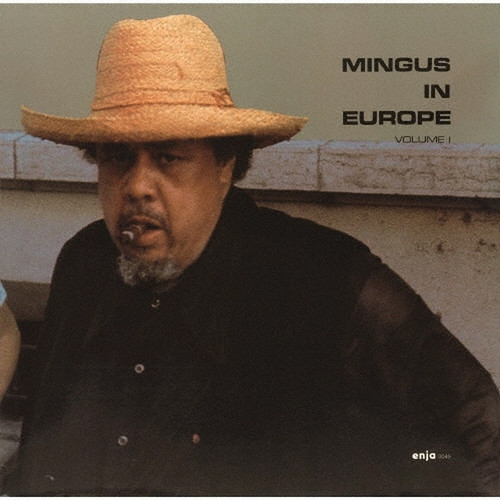
Mingus In Europe Volume I
Wuppertal Stadthalle, 26 April 1964: the Mingus sextet with Eric Dolphy, Clifford Jordan, Jaki Byard and Dannie Richmond, two months before Dolphy's death. A 37-minute Fables of Faubus, the Dolphy-Mingus duet Starting, and Meditations. Issued by Enja in 1980; the CD adds Meditations.
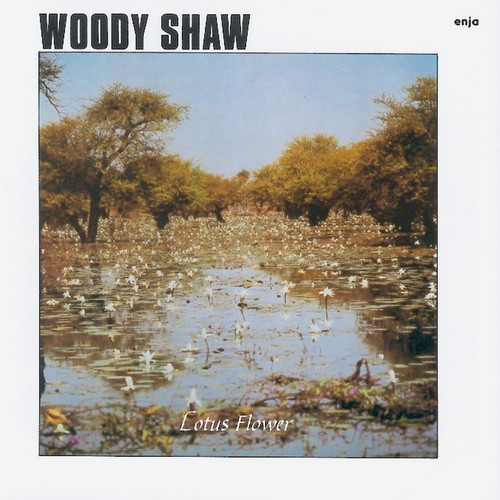
Lotus Flower
One day at Vanguard Studios, New York, 7 January 1982. Woody Shaw on trumpet with the band he had by then been working with for a couple of years: Steve Turre on trombone, Mulgrew Miller on piano, Stafford James on bass, Tony Reedus on drums. Produced for Enja by Horst Weber and Matthias Winckelmann.
Shaw had come off a run of Columbia albums and was six weeks away from the Jazz Forum concerts that Elektra Musician would issue as Master of the Art and Night Music. This is the same quintet in the…
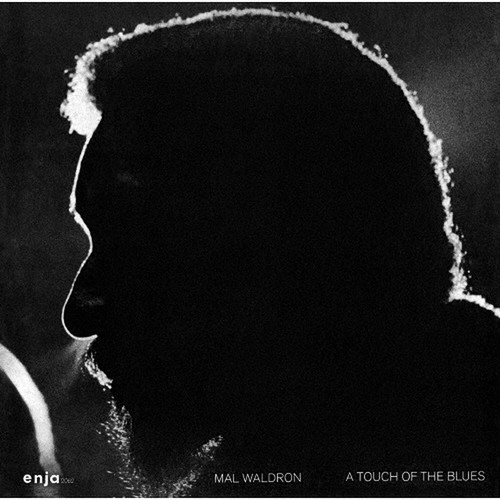
A Touch Of The Blues
Nuremberg, East-West Jazz Festival, 6 May 1972. Mal Waldron's trio with Jimmy Woode, the former Ellington bassist, and Allen Blairman on drums. Three long pieces, all by Waldron, taped live and issued by Enja only in 1975.
Waldron had settled in Europe in 1965 and rebuilt his playing from scratch after a breakdown. By 1972 the new style was fully formed: dark, insistent, built from a few repeated cells that tighten over long stretches. The Enja records from these years (Black Glory, Plays the Bl…
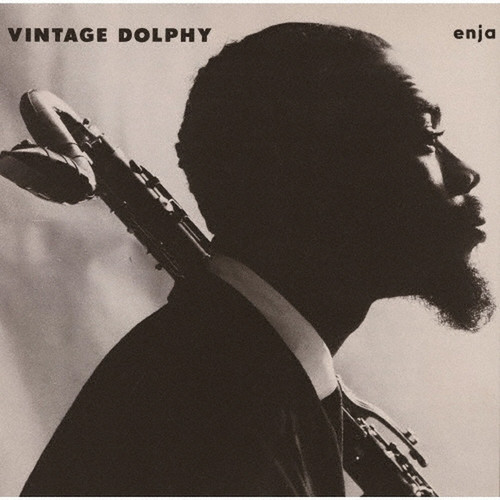
Vintage Dolphy
Eric Dolphy live in 1962-63, in Gunther Schuller's Twentieth-Century Innovations series at Carnegie Hall and in Syracuse: his own quartet with Richard Davis and J.C. Moses, three Schuller third-stream pieces with strings and Jim Hall, and a Donna Lee jam with Phil Woods, Benny Golson and Don Ellis.
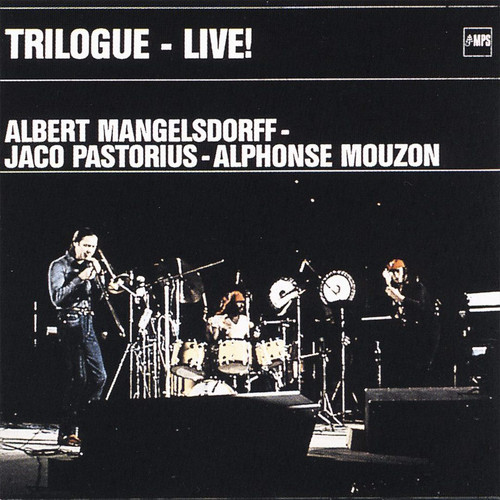
Triloque
Berlin Jazz Days, 6 November 1976. Albert Mangelsdorff's trombone, alone at the front, with Jaco Pastorius on electric bass and Alphonse Mouzon on drums, a year after Pastorius's debut. Five long pieces, recorded live, released by MPS in 1977. The trombone multiphonics against a fusion rhythm section.
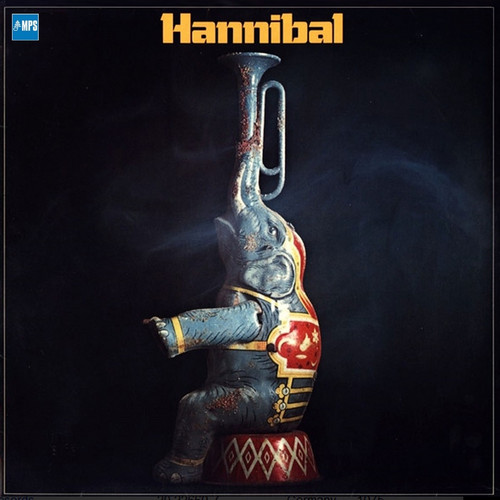
Hannibal
Ludwigsburg, 1 and 2 July 1975. Hannibal Marvin Peterson's first record for MPS, with Diedre Murray's cello, Michael Cochrane's piano, Stafford James and Thabo Michael Carvin. Two modal originals, a version of Misty, The Voyage with Hannibal on koto, and the fourteen-minute Soul Brother for Malcolm X.
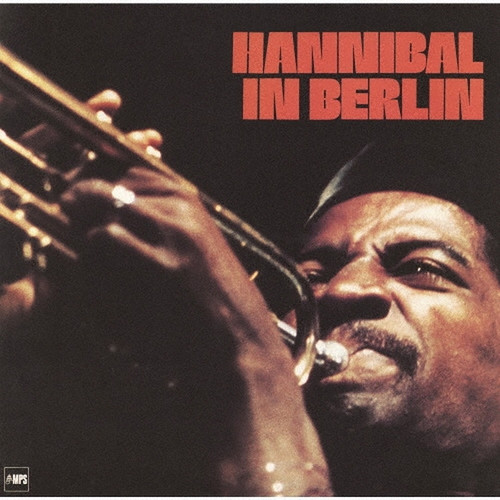
Hannibal In Berlin
Berlin Philharmonie, 3 November 1976. Hannibal with George Adams on tenor, Diedre Murray on cello, Michael Cochrane, Steve Neil and Allen Nelson. His own 23rd Psalm, Coltrane's Bessie's Blues and My Favorite Things, Willow Weep for Me, and Swing Low Sweet Chariot as a memory of the Texas cotton fields.
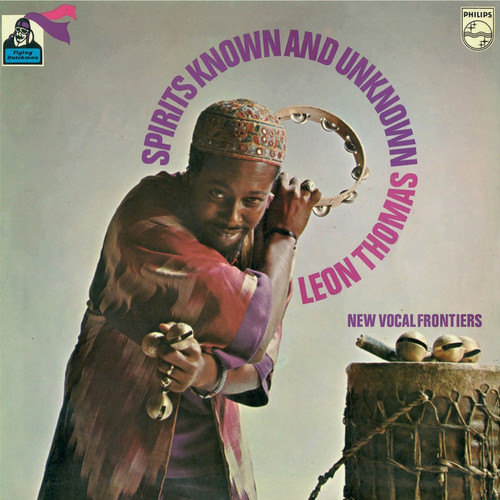
Spirits Known and Unknown
New York, 21 and 22 October 1969. Leon Thomas's first album under his own name, made months after Karma, with Pharoah Sanders credited as Little Rock, Lonnie Liston Smith, James Spaulding, Cecil McBee, Richard Davis and Roy Haynes. A shorter Creator Has a Master Plan, Echoes, and the Malcolm X elegy Malcolm's Gone.
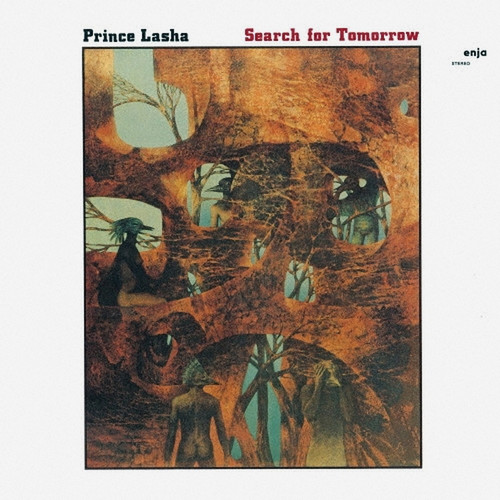
Search For Tomorrow
Berkeley Jazz Festival, 1974. Prince Lasha, the Fort Worth altoist and flautist who had made The Cry! with Sonny Simmons and Iron Man with Dolphy, with Hubert Eaves on piano, Ron Carter on bass, Roy McCurdy on drums and Kenneth Nash on percussion. Three pieces, including the sixteen-minute Mayflower.